


Sepia Equestrian Wall Art
These sepia equestrian wall art pieces capture the enduring spirit of horses and hunting scenes through monochrome tones.
Sepia Equestrian Wall Art
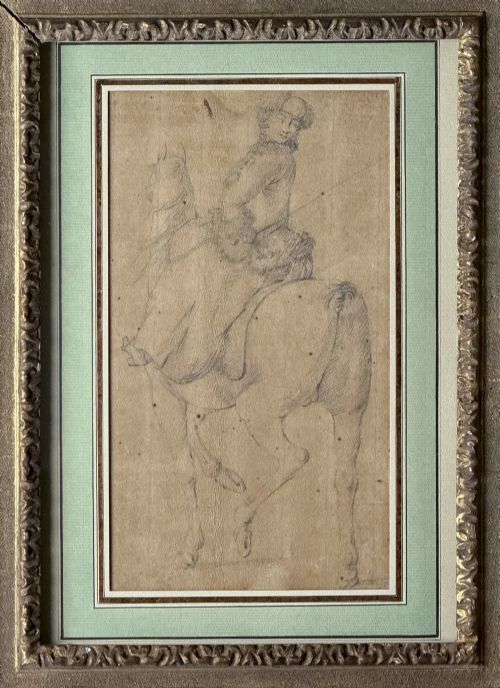
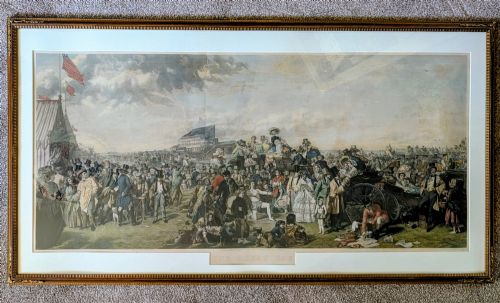
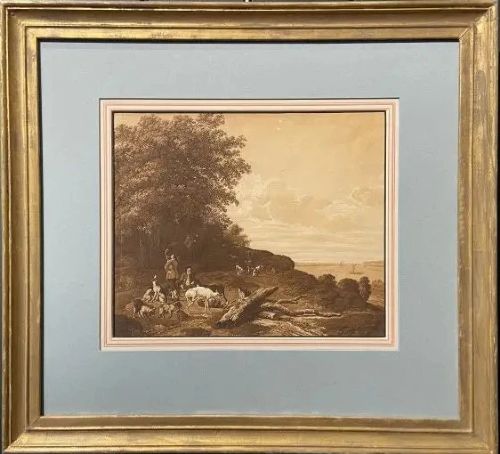
When searching for sepia equestrian wall art, buyers encounter framed works that span several centuries, capturing horses, huntsmen, and racing subjects in muted brown tones.
The selection ranges from early eighteenth-century Northern European school drawings and seventeenth-century hunting scenes to nineteenth-century prints, engravings, and photographs.
Framed artwork and framed prints dominate the selection, often presented behind glass in wood frames.
How they were made
Many of these works utilise ink, charcoal, chalk, or pencil on paper, capturing fine illustrative detail in monochrome palettes.
Other examples employ printing and engraving techniques to reproduce famous paintings, racehorses, and sporting scenes in framed formats.
Alternative execution includes reverse silhouette painting on glass, alongside period photographs mounted within wood frames.
Listings feature paper, wood, glass, ink, gold leaf, chalk, gilded wood, and charcoal across various historical periods.
What varies in quality
Quality differentiates through the directness of the hand, moving from mechanically produced prints to original drawings executed in charcoal, ink, or chalk.
The calibre of the framing, often involving period wood or gilded elements, influences the visual presence of the artwork on the wall.
Provenance and documentation, such as signed works by known draughtsmen or identified historical racehorses, elevate particular pieces above standard decorative prints.
William Powell Frith·Johannes Lingelbach·Michael Lyne
The Sepia Equestrian Wall Art Glossary
- Engraving
- A printmaking technique where an image is incised into a metal plate, holding ink to transfer fine lines onto paper. This method produced many historical horse illustrations.
- Reverse glass painting
- An artwork created by applying paint or silhouette directly onto the back of a glass panel to be viewed from the front. This creates a glossy, reflective surface.
- Sepia
- A brownish-grey monochrome colour derived originally from the ink sac of the cuttlefish. It defines the warm, aged tone of these historical works.
- Drawing
- A piece executed by hand using dry or wet media such as charcoal, chalk, pen, or pencil. These unique works carry the direct touch of the artist.
Sepia Equestrian Wall Art: Frequently Asked Questions
Are these works original or reproductions?
The selection includes both original hand-drawn works and period prints or engravings reproducing earlier subjects.
Material details in each listing indicate whether ink, chalk, or printing methods were used.
How should I hang these framed pieces?
These framed works suit studies, hallways, and living spaces, particularly when paired alongside traditional interiors or dark wood furnishings.
Ensure placement avoids direct sunlight to protect the paper and ink from fading.
What periods do these pieces represent?
The available works span from the seventeenth century through the Georgian and Victorian eras up to the mid-twentieth century.
Each period brings distinct framing styles and printing or drawing techniques.
What subjects appear in these artworks?
Common subjects include racehorses, foxhunting scenes, battle compositions, and historical park settings.
Many pieces document specific named horses or traditional rural pursuits.