


Antique Sporting Prints Set
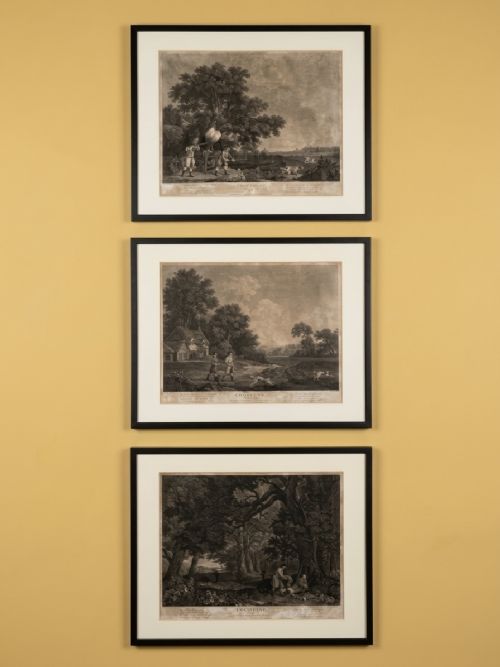
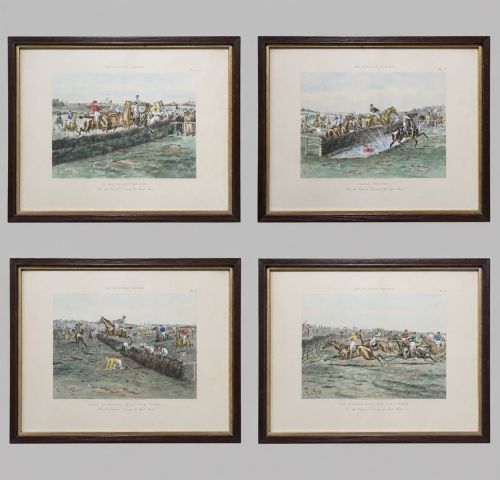
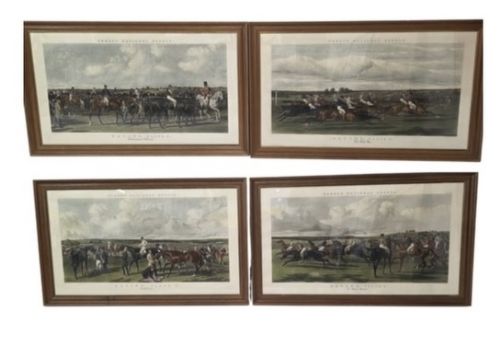
These antique sporting prints set pieces capture nineteenth century field sports and turf action, framed in wood and glass for immediate display.
Antique Sporting Prints Set
An antique sporting prints set brings together framed groups of nineteenth century engravings, aquatints, and paintings depicting horse racing, hunting, shooting, and cock fighting. These collections capture the energy of British field sports through the work of notable artists and engravers from the Victorian era and earlier decades.
Buyers meet sets of four framed artworks most frequently on this page, preserved behind glass in wooden frames such as oak and gilt. The subjects range from horse racing sequences and fox hunting scenes to individual jockey portraits and shooting episodes.
Originating predominantly from British sporting art traditions, these works utilise ink, watercolour, and gouache on paper. The assemblages reflect the visual culture of the Victorian period and the Regency era, offering structured narratives across multiple matching frames.
How they were made
Makers produced these works using ink on paper, often hand finishing the engravings and aquatints with watercolour and gouache to add vibrant colour to the printed scenes. Some Victorian examples incorporate embossed techniques directly into the paper surface to create tactile depth.
Framers housed these paper works behind protective glass within wooden surrounds, frequently utilising oak or gilt mouldings to complement the domestic interiors of the nineteenth century. The craftsmanship relies on the precision of traditional engraving and aquatint plates combined with skilled manual colouring.
Several sets capture the intense atmosphere of nineteenth century cock fighting, complete with spirited avian combatants frozen in ink.
What varies in quality
The distinction between tiers rests upon the reputation of the artist and engraver whose names appear on the plate, alongside the sharpness of the printed line and the vibrancy of any applied watercolour. Works after established draughtsmen hold stronger artistic merit.
Condition and completeness define the standing of a group, particularly whether a full sequence survives intact within matching original frames of oak, gilt, or wood. The quality of the hand colouring and the preservation of the paper beneath the glass significantly influence the overall character.
George Finch Mason·Charles Johnson Payne Snaffles·H Alken·Charles Hunt·Francis Calcroft Turner·J F Herring
The Antique Sporting Prints Set Glossary
- Aquatint
- An intaglio printmaking technique that produces areas of tone resembling watercolour washes. It was widely utilised in nineteenth century sporting art to render atmospheric backgrounds and figures.
- Engraving
- A printmaking process where an artist cuts lines directly into a metal plate with a sharp tool. The resulting impressions yield crisp, enduring details on paper.
- Gouache
- An opaque water-based paint frequently applied by hand to enhance printed sporting scenes. It provides solid, flat areas of intense colour.
- Embossed print
- A paper work featuring raised patterns or designs pressed into the surface without necessarily using ink. This technique adds a subtle, tactile dimension to the framed artwork.
Antique Sporting Prints Set: Frequently Asked Questions
What subjects do these sets show?
These collections focus primarily on traditional British field sports, capturing horse racing action, fox hunting sequences, shooting episodes, and cock fighting. Jockeys and racing narratives also feature prominently across the framed groups.
The imagery reflects nineteenth century sporting culture, preserving dynamic moments of turf and field pursuits through detailed engravings and paintings.
How were these prints displayed originally?
Owners typically hung matching sets together on the walls of country houses, libraries, and smoking rooms during the Victorian period. The grouped frames created a continuous visual narrative of a hunt or race across the room.
Protecting the paper behind glass allowed these decorative works to endure daily exposure in domestic interiors while remaining clear to view.
How do I identify a Victorian set?
Victorian examples often display characteristics typical of mid to late nineteenth century framing, such as oak or gilt wooden moulding and protective glass over paper engravings. The stylistic conventions of British sporting art from this era offer clear visual markers.
Signatures or attribution lettering on the prints frequently name artists active during the nineteenth century, helping to anchor the period of production.
Are these works supplied ready to hang?
The pieces arrive already secured within their protective wooden frames and glass, making them straightforward to place directly onto walls. Each set is constructed as a cohesive unit intended for immediate display.
Handling requires care to preserve the original frame materials and the paper artwork housed within.