


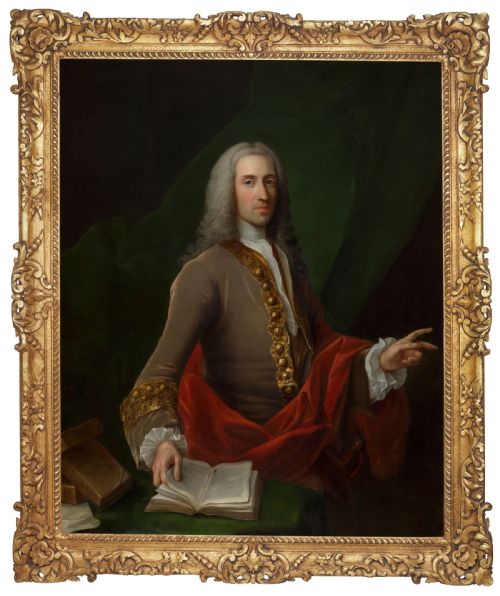
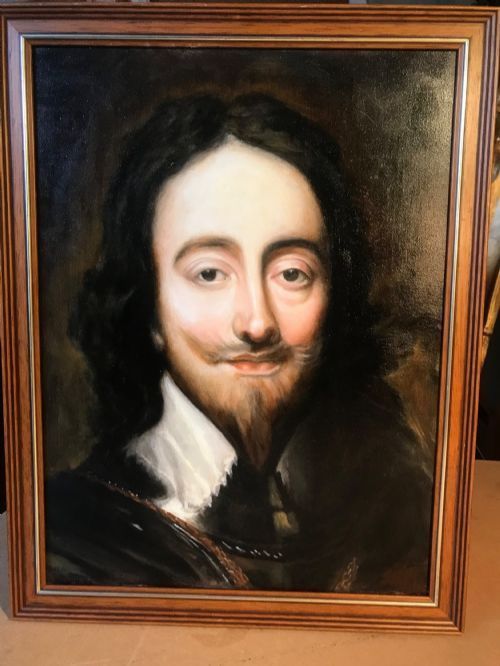
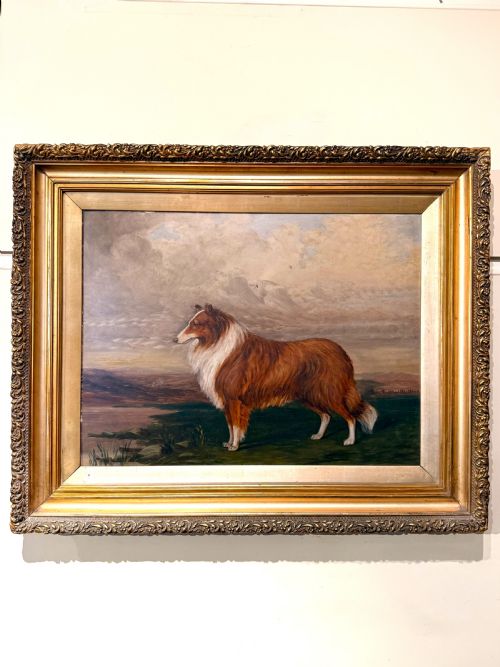
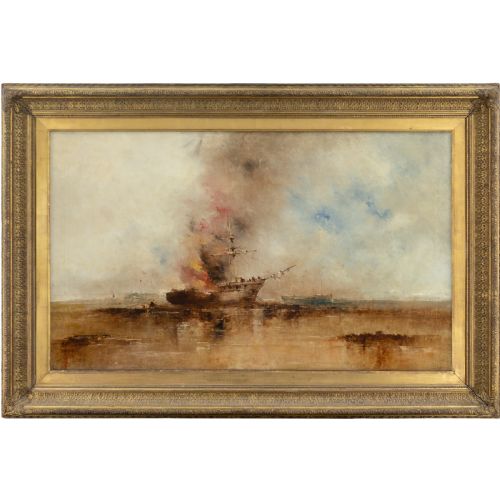
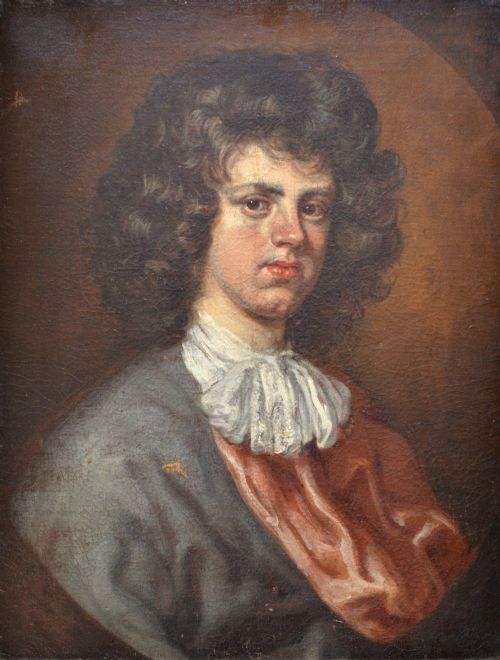
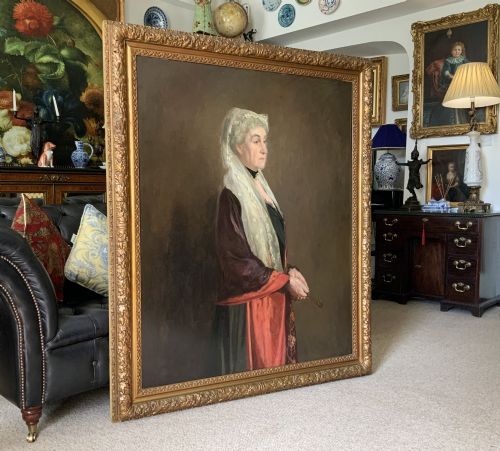
Brown Oil Portrait
When you search for a brown oil portrait, you step into centuries of intimate human and animal character captured by brush.
Brown Oil Portrait
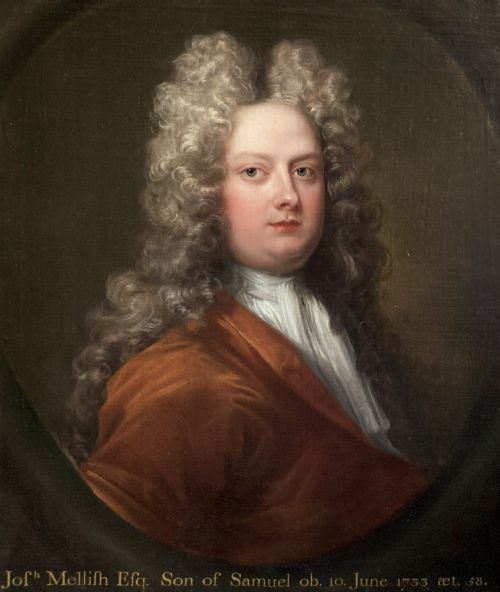
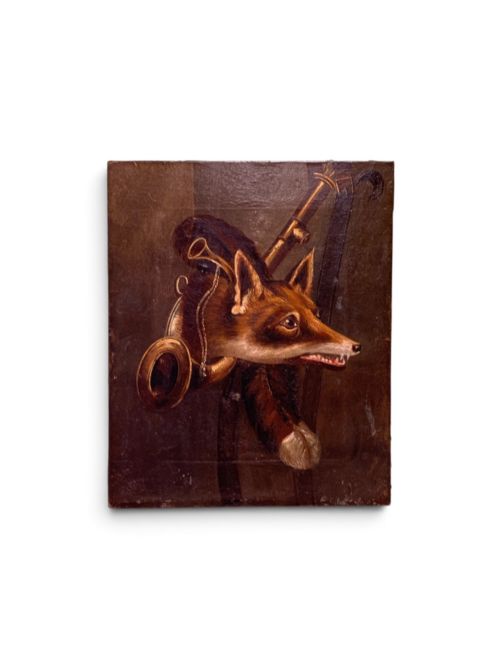
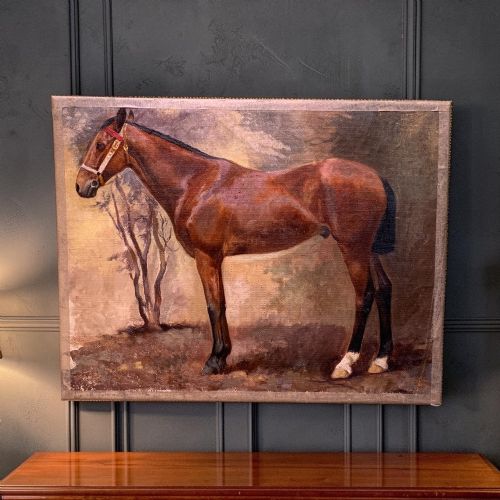
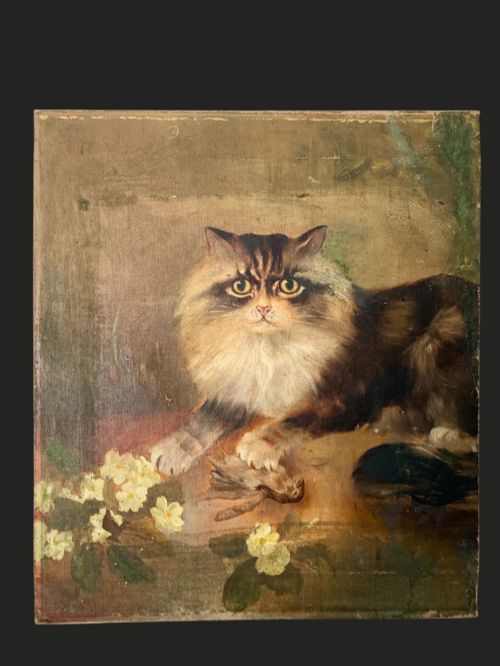
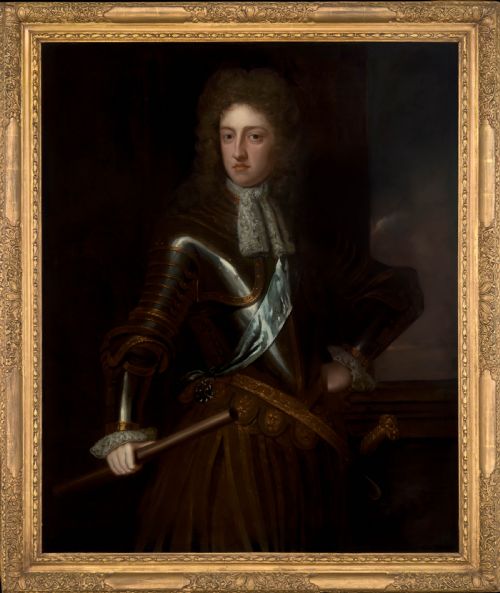
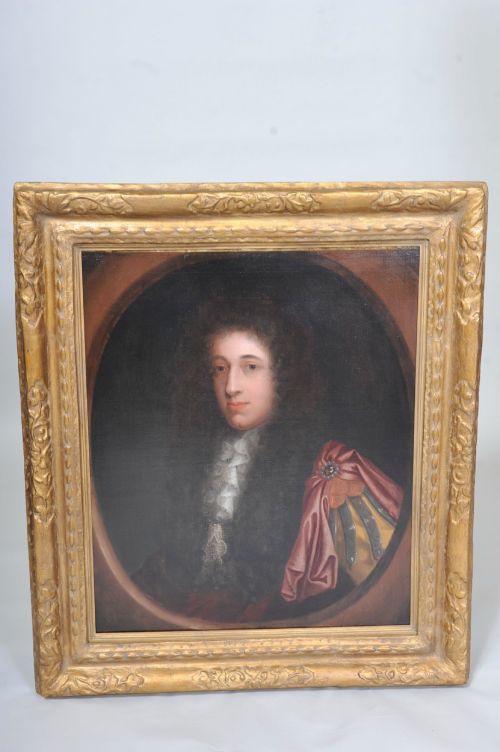
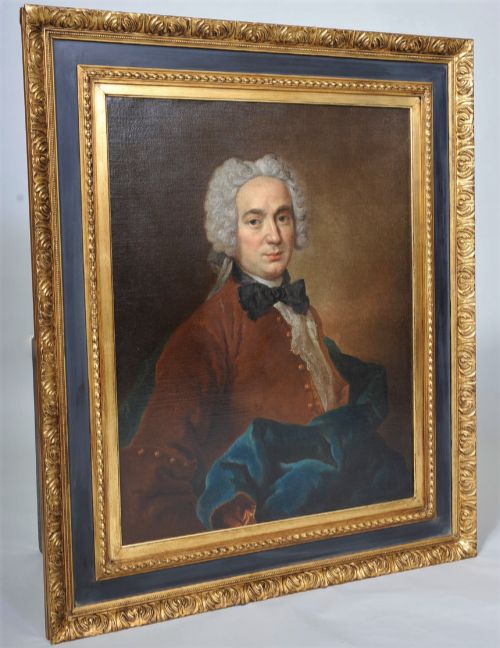
A brown oil portrait centres on historical subjects, sporting animals, and solemn gentlemen rendered in deep, earthy palettes. These works draw the eye through rich chiaroscuro and tonal restraint, emerging from periods ranging from the seventeenth century to the early twentieth century.
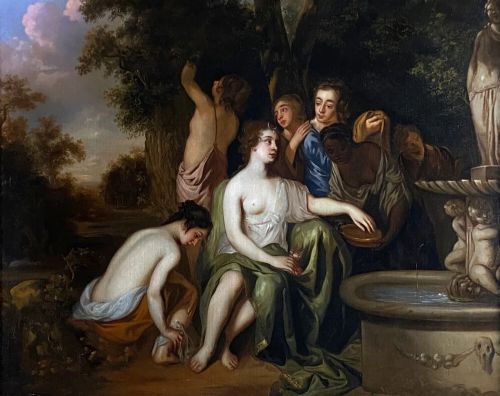
The selections span grand aristocratic depictions, naive animal studies, and classical interpretations linked to British and European schools. Buyers encounter formal canvases depicting judges and noblemen alongside spirited representations of horses, dogs, and racing pigeons.
Framed often in period giltwood or heavy wood, these paintings serve as grounding focal points in traditional interiors. Their enduring appeal lies in the quiet dignity and depth of tone developed by generations of portraitists.
Materials and Techniques
The foundational medium for these works is oil paint applied to prepared canvas or wooden panels. Artists layered rich pigments over dark grounds to build up deep brown tonality and atmospheric shadow.
Brown Oil Portrait Retail Price Guide 2026
Typical asking prices for brown oil portrait among the pieces listed under this phrase on Sellingantiques today, from the lower quarter to the upper quarter. They describe what is for sale here now, not the wider market.
Listings feature works spanning the seventeenth, eighteenth, and nineteenth centuries, executed primarily in oil on canvas or panel.
Evaluating Quality and Execution
Superior examples demonstrate confident brushwork, precise anatomical rendering in human or animal subjects, and a sophisticated command of light. Masterful handling of facial expression or the texture of a horse's coat elevates a piece far above a standard workshop output.
The depth of provenance and attribution to documented artists or recognised schools heavily influence the standing of a canvas. Preservation of the original canvas and the integrity of the underlying layers dictate the enduring visual strength of the portrait.
Charles Jervas·Sir Peter Lely·Sir Godfrey Kneller·Mary Beale·Anthony Van Dyck
The Brown Oil Portrait Glossary
- Chiaroscuro
- The use of strong contrasts between light and dark, usually bold contrasts affecting a whole composition. This technique defines the moody depth seen in dark oil paintings.
- Canvas
- Closely woven fabric used as a surface for painting, typically stretched over a wooden frame. It remains the most common support found in historical portraiture.
- Giltwood
- Wood that has been covered with a thin layer of gold leaf or gilt. Antique frames finished in this manner complement the warm tones of older portraits.
- Attributed to
- A term used when a work is judged to be by a particular artist, though without absolute certainty. It reflects scholarly consensus based on style and technique.
- Old Master
- A term for a European painter of skill who worked before about eighteen hundred. These artists established the foundational traditions visible in early portraiture.
Brown Oil Portrait: Frequently Asked Questions
How do I date a brown oil portrait?
Dating relies on stylistic clues such as clothing, hair styling, and framing techniques characteristic of specific eras like the seventeenth or nineteenth century.
Examining the canvas preparation and the physical ageing of the oil paint and varnish provides further chronological markers.
Where should I hang an oil portrait?
These works require placement away from direct sunlight and excessive humidity to protect the delicate oil pigments and canvas substrate.
Pairing them with traditional rooms allows the deep brown tones and giltwood frames to anchor the surrounding decor.
What does attribution mean for these paintings?
Attribution indicates that experts link the stylistic execution of a painting to a specific artist or a closely related workshop.
This connection helps establish the historical context and artistic lineage of the piece without requiring a signed signature.
How do I care for antique oil paintings?
Maintenance involves dusting gently with a soft, dry brush and keeping the environment at a stable temperature.
Professional cleaning and restoration should be left to specialists to avoid damaging the aged varnish layers.