
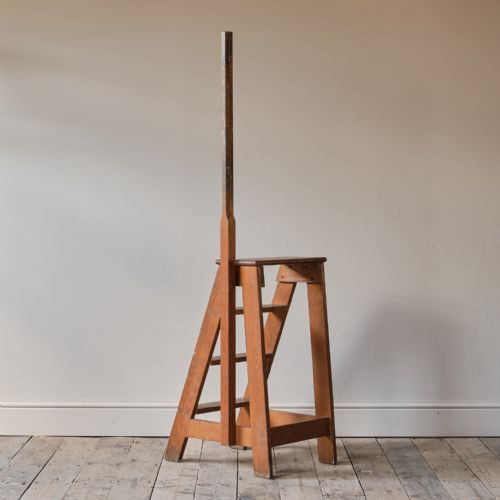
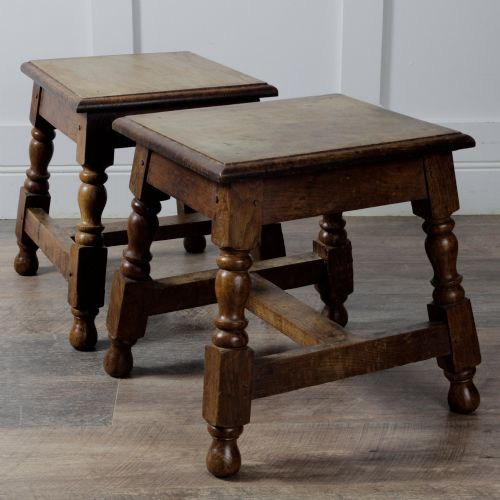
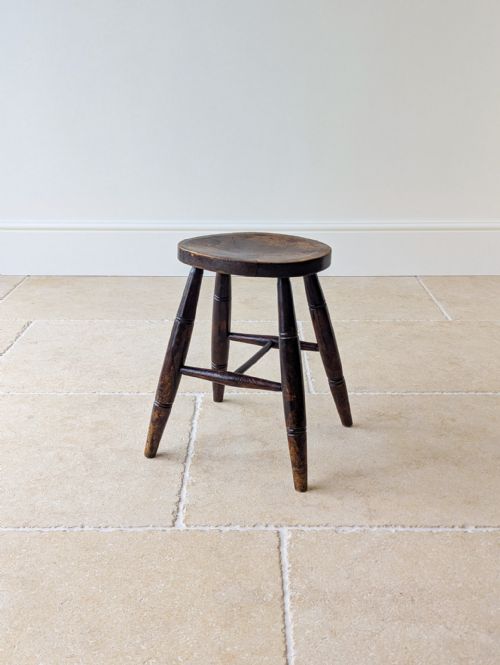
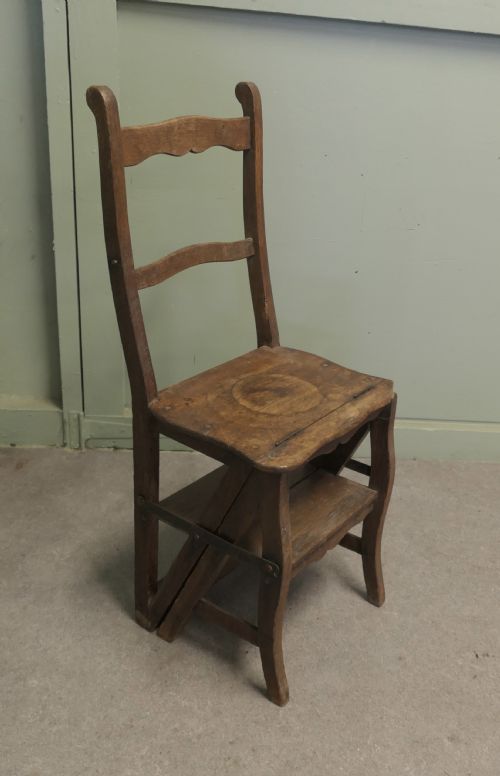
Brown Oak Wooden Stool
A brown oak wooden stool brings robust vernacular character into a room, offering sturdy seating or a low surface rooted in centuries of woodworking tradition.
Brown Oak Wooden Stool
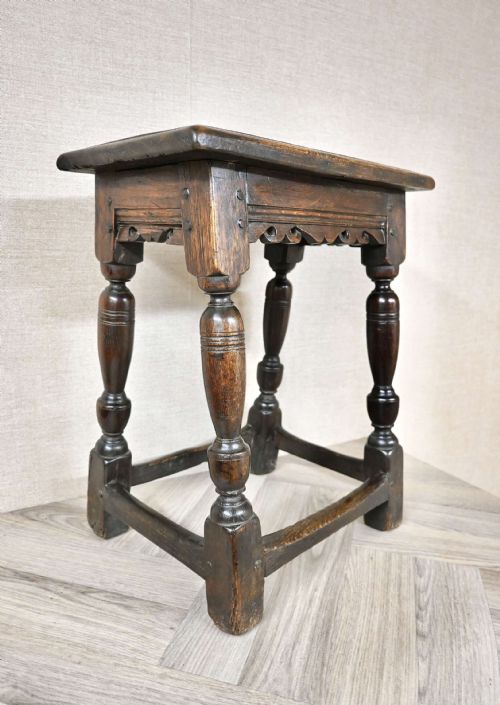
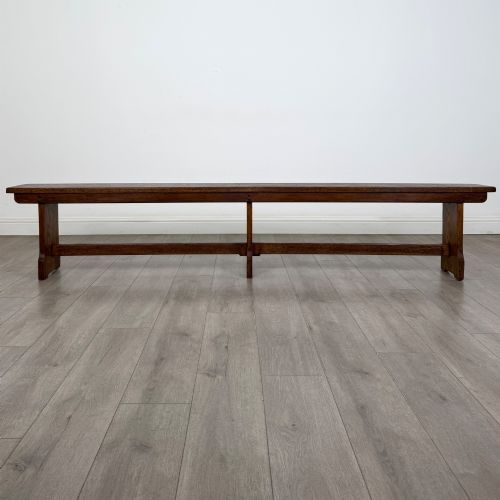
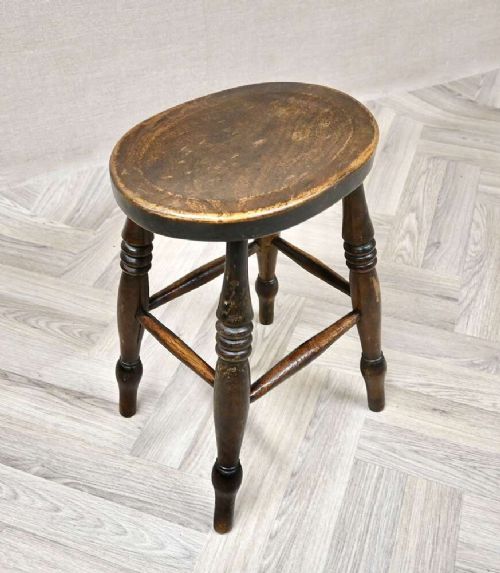
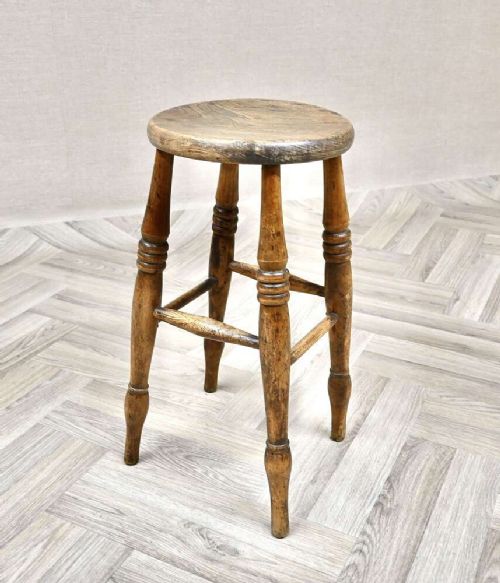
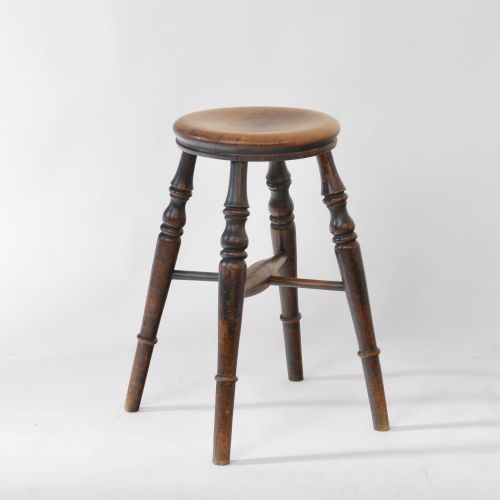
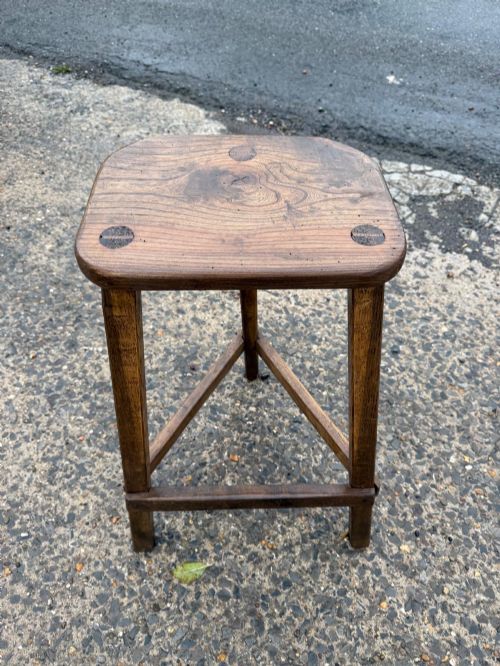
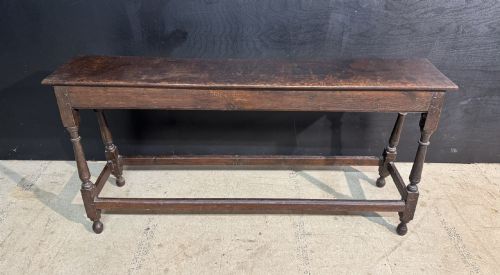
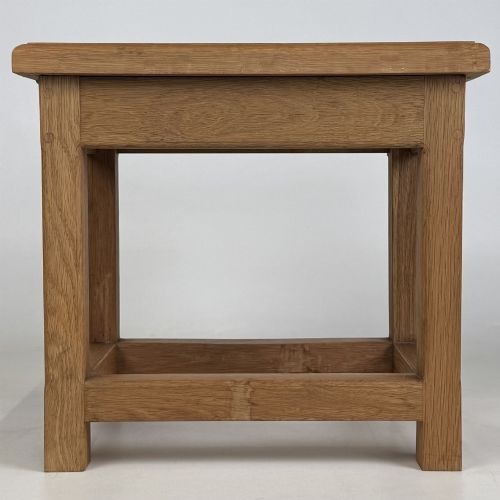
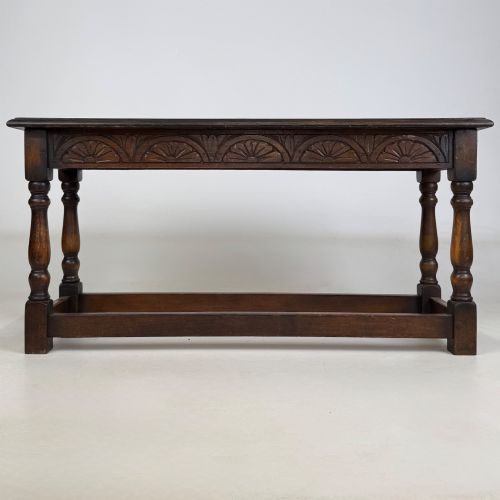
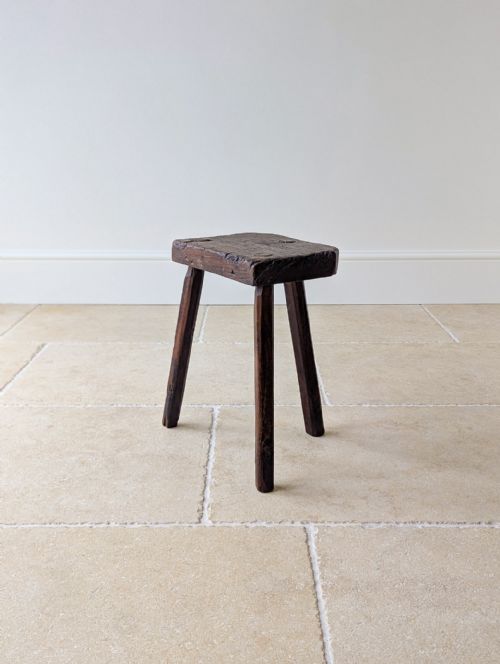
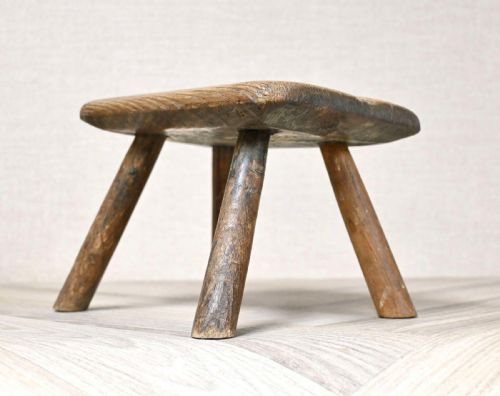
When you search for a brown oak wooden stool, you encounter a diverse array of domestic and utilitarian seating spanning several centuries. The selection ranges from formal joint stools of the seventeenth and eighteenth centuries to robust tavern benches, rustic milking stools, and clerk's seats.
Judging the work
Quality in these pieces rests upon the integrity of the original construction and the depth of the timber's grain. Superior examples retain their original pegged joints and uncompromised structural timber without excessive replacement parts.
The visual appeal depends heavily on surface patination and colour, where decades of wax and handling yield a rich, deep tone across the oak. Simpler vernacular pieces succeed through honest proportions and untouched surface wear rather than elaborate ornamentation.
Listings feature oak alongside elm, ash, sycamore, and pine across periods spanning the seventeenth century to the twentieth century.
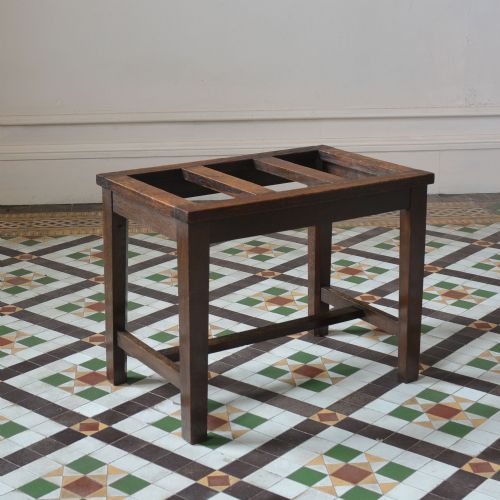
James Shoolbred & Co
The Brown Oak Wooden Stool Glossary
- Joint stool
- A sturdy wooden seat constructed with mortise and tenon joints pegged together, common in seventeenth and eighteenth-century households.
- Vernacular
- Objects made by local craftsmen for everyday domestic or agricultural use rather than high-style urban workshops.
- Splayed legs
- Legs angled outwards from the centre to provide greater stability on uneven floors.
- Close stool
- An enclosed wooden stool designed to conceal a chamber pot, sometimes disguised as a small bedside chest or commode.
- Dished top
- A wooden seat carved with a shallow concave depression for comfort.
Brown Oak Wooden Stool: Frequently Asked Questions
What is a joint stool?
A joint stool is an early form of wooden seating constructed using pegged mortise and tenon joinery rather than turned components glued together. These sturdy pieces served as household seating or side tables.
They date primarily from the seventeenth and eighteenth centuries, reflecting solid vernacular craftsmanship designed to withstand heavy daily domestic use.
How do I date an oak stool?
Dating relies upon examining the construction methods, tool marks, timber shrinkage, and overall style of the piece. Pegged joints, adze marks, and seventeenth-century proportions differ distinctly from nineteenth-century revival work.
Secondary woods used for the seats and the presence of blacksmith repairs also help establish the approximate period of manufacture.
What was a close stool used for?
A close stool served as an enclosed indoor toilet facility before modern plumbing, often disguised as a small chest or cabinet with a hinged lid. They provided discreet sanitation in bedrooms and dressing rooms.
Inside the wooden housing, a chamber pot sat beneath a removable seat panel, combining furniture design with practical utility.
Where should I place an antique stool?
These versatile pieces function well as side tables, bedside surfaces, or extra seating in hallways, living rooms, and kitchens. Their compact scale allows them to fit easily into smaller spaces.
Keep them away from direct heat sources and strong sunlight to protect the historic timber and preserve the natural wax finish.