

Brown Oak Chair Set
A brown oak chair set brings solid timber seating into a dining room, offering matched numbers and dependable construction for daily use.
Brown Oak Chair Set
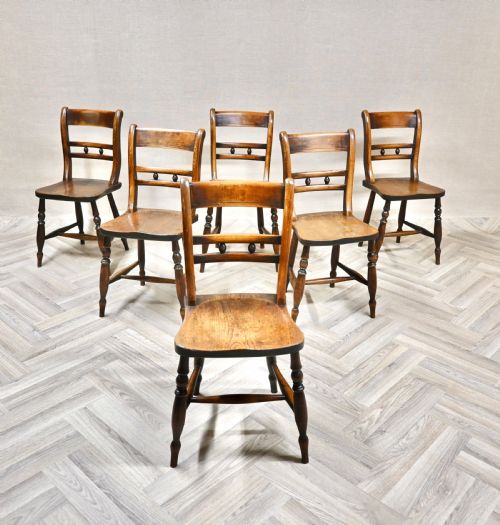
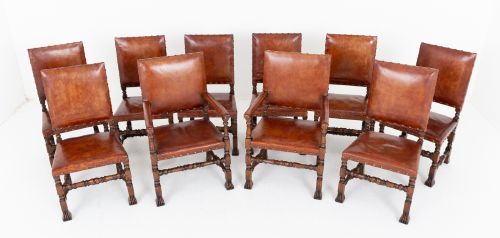
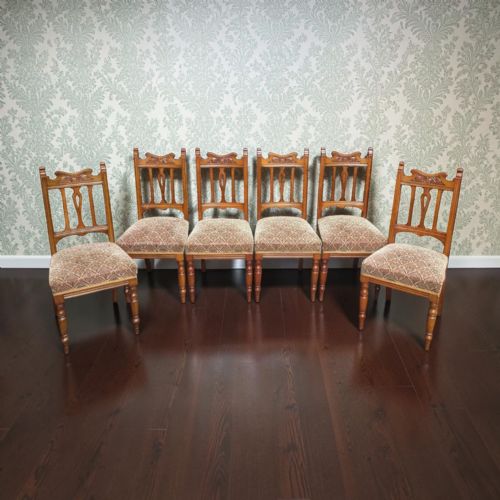
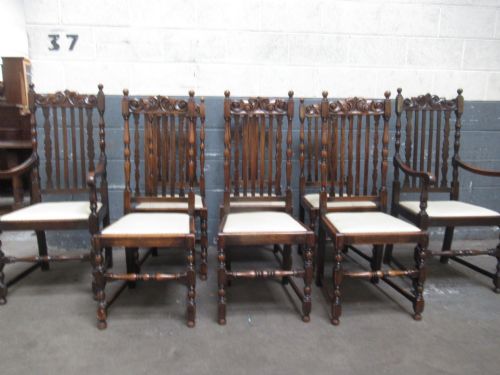
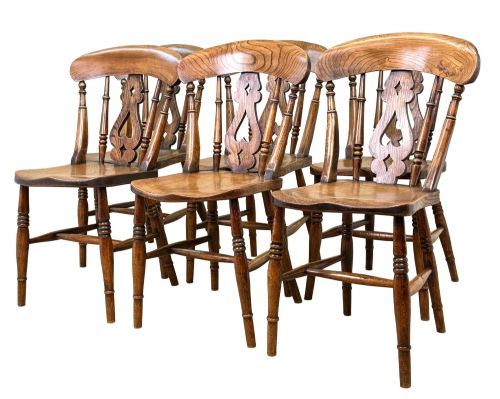
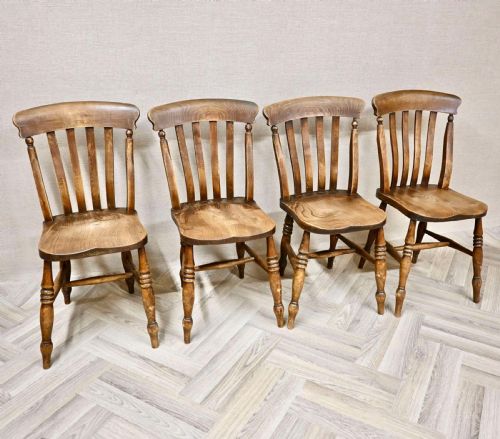
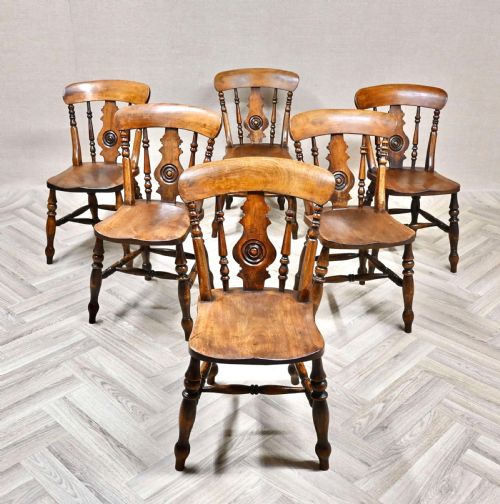
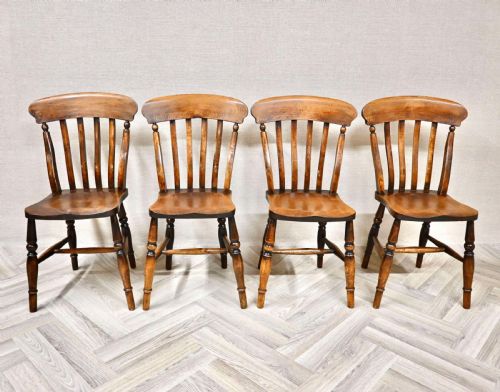
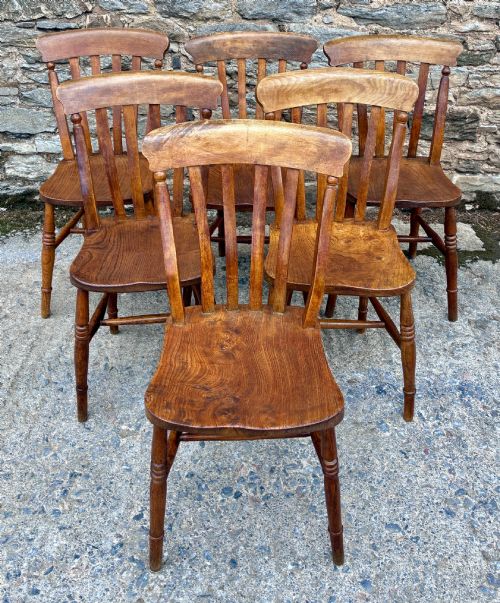
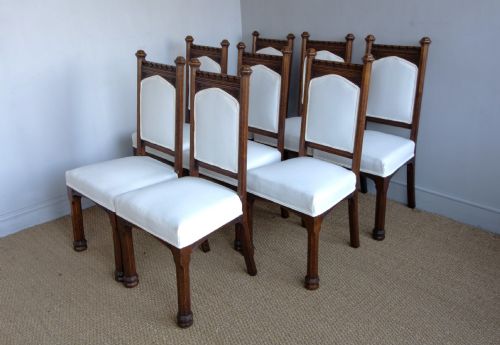
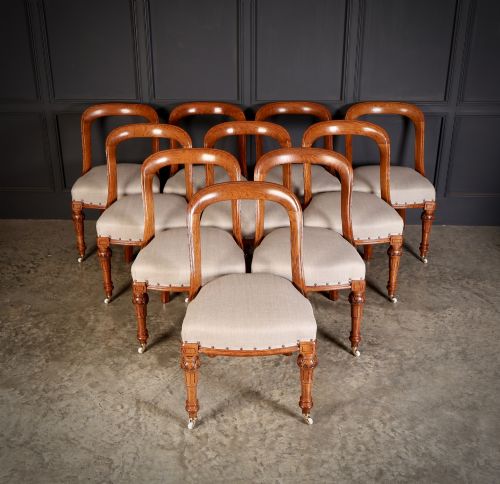
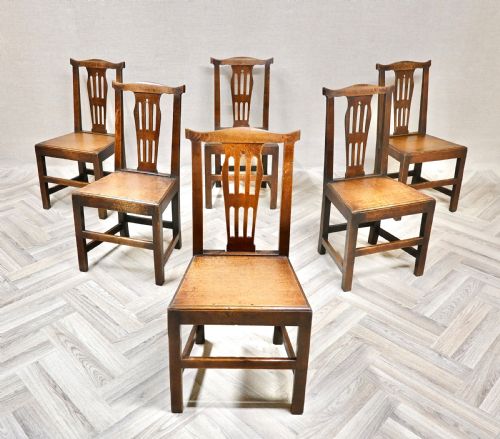
A brown oak chair set brings together matching seats gathered from dining rooms, kitchens and country houses across several periods. Buyers searching for a brown oak chair set will encounter groupings of four, six, eight or ten pieces intended for shared meals and formal dining.
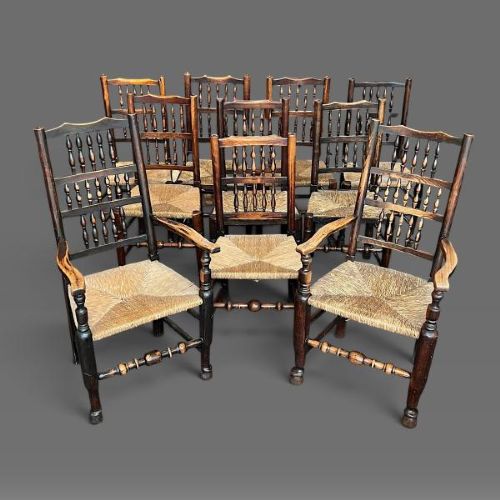
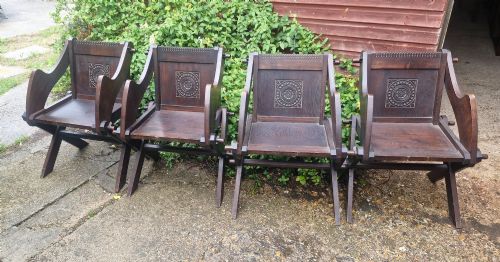
The selections span nineteenth century country farmhouse styles through to twentieth century revival designs. Many pieces demonstrate vernacular traditions, including Windsor forms, ladder backs and high back carved chairs.
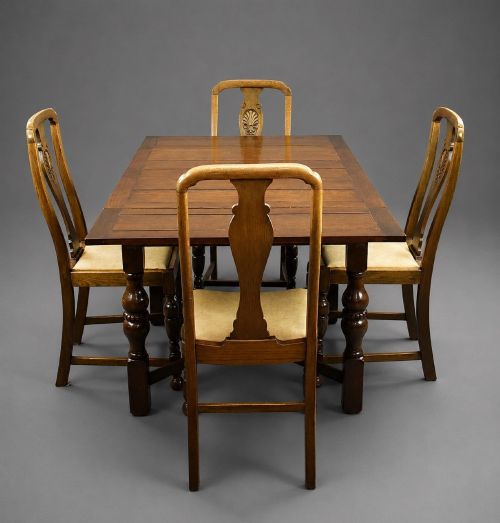
The configurations range from simple kitchen seating to substantial dining suites paired with tables. Oak predominates, often accompanied by elm, beech or leather elements introduced during production.
Materials and Construction Methods
Makers utilised solid oak for frames, legs and backs, frequently combining it with elm seats or beech stretchers to balance strength and weight. These timbers were shaped using traditional turning, jointing and steam-bending techniques suited to rigorous domestic environments.
Upholstered elements incorporate leather and fabric secured over padding, while simpler iterations rely on exposed timber or rush seating. Metal components appear primarily as brass fixings or structural brackets where support is required.
Some captains' chairs secretly swivel, letting diners pivot away from dull dinner conversation with quiet mechanical efficiency.
Factors Distinguishing Quality
The integrity of joints and the retention of original timber surfaces determine the standing of an individual set. Consistent matching across all elements within a grouping distinguishes assembled collections from unified workshop productions.
Carved detail, proportional balance and the quality of timber grain reveal the degree of care applied by the original maker. Sets retaining unified patination across every chair demonstrate careful preservation over time.
Norwich Maker·Strahan of Dublin
The Brown Oak Chair Set Glossary
- Windsor chair
- A wooden seating form featuring a solid saddle-shaped seat into which individual spindles and a bentwood bow are wedged. These vernacular pieces were widely produced in rural workshops.
- Ladder back
- A chair design characterised by horizontal wooden slats fitted between the rear upright posts. This traditional form appears frequently in country dining settings.
- Gothic Revival
- An architectural and decorative style drawing on medieval motifs, visible in pointed arches and carved tracery. Pieces in this idiom often utilise high backs.
- Barley twist
- A type of furniture turning resembling a twisted rope, formed by cutting and carving a helix into a wooden leg or stretcher. This detail is common in later revival pieces.
- Smoker's bow
- A low-backed Windsor armchair with a rounded continuous arm rail, historically used in domestic and public interiors.
Brown Oak Chair Set: Frequently Asked Questions
How many chairs come in a typical set?
Sets generally comprise four, six, eight, ten or twelve matching chairs intended for dining tables. Larger groupings often originate from substantial country houses or institutional settings.
Buyers should verify whether the count forms a true matched set or represents a harlequin grouping collected over time.
How do I care for antique oak chairs?
Maintenance involves applying appropriate beeswax periodically to nourish the timber surface and prevent drying. Avoid placing chairs near direct heat sources or strong sunlight.
Checking joint stability regularly ensures the wooden framework remains secure during everyday domestic use.
Are these chairs suitable for daily dining?
Solid oak construction provides the structural stability required for regular seating at a dining table. Many examples were built specifically for heavy domestic service in kitchens and dining rooms.
Checking the seat height and back support helps determine comfort for extended periods of sitting.
How can I tell different periods apart?
Victorian and earlier nineteenth century pieces often show vernacular turning and heavy timber scantlings. Twentieth century interpretations tend to reflect revival styles like Jacobean or Queen Anne.
Examining tool marks, joint construction and fastener types assists in dating the timber elements accurately.