
Brown Marquetry Vitrine
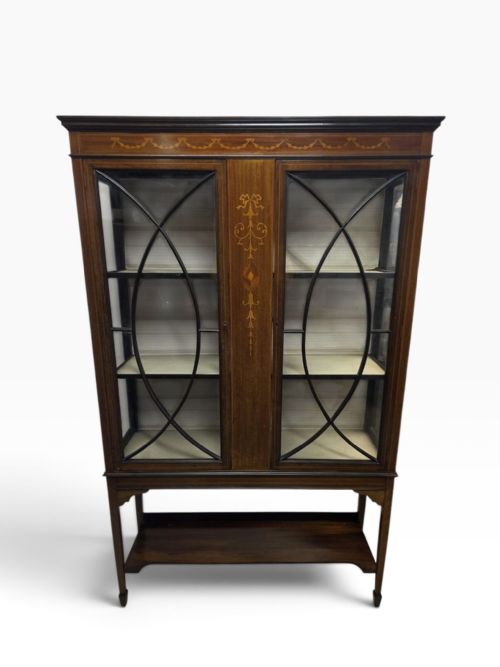
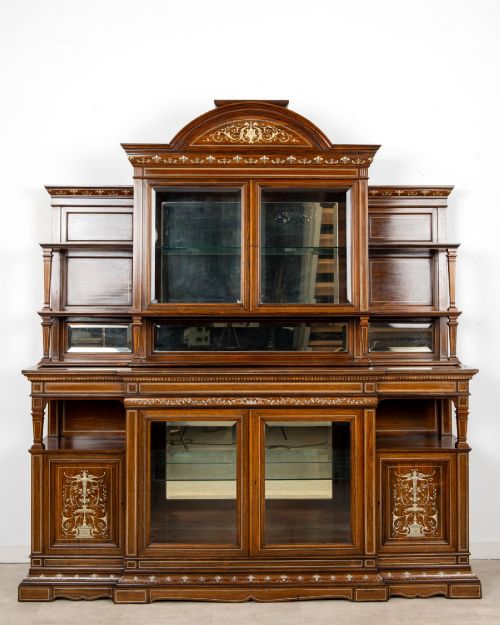
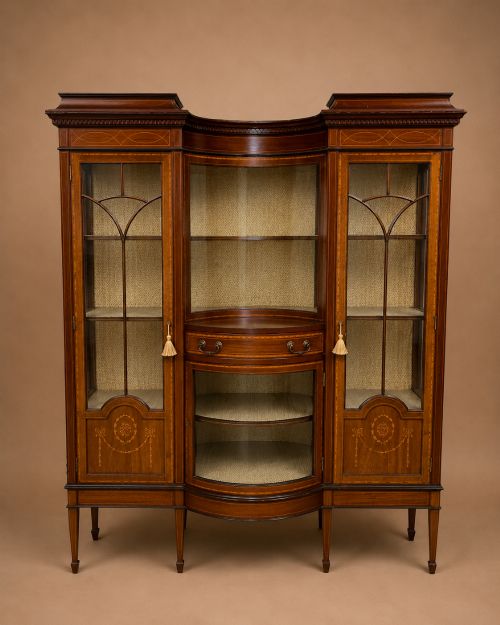
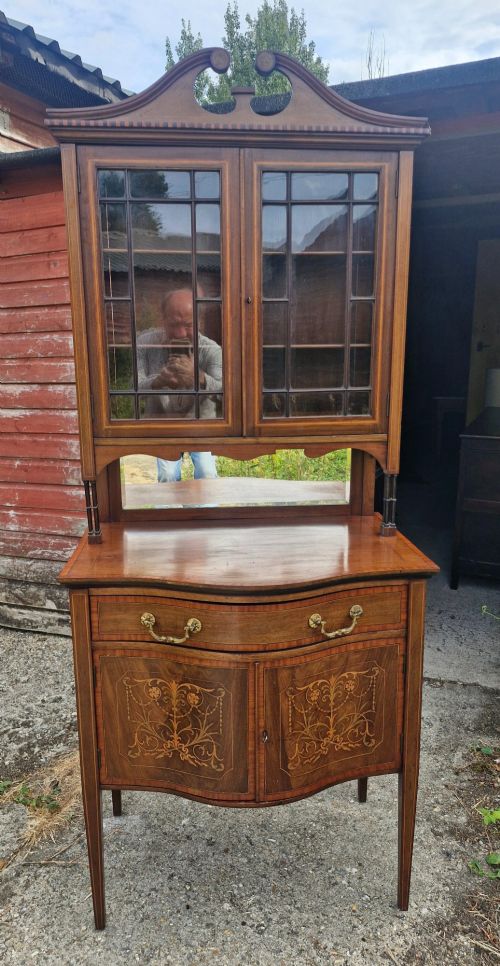
A brown marquetry vitrine combines intricate floral and geometric wood inlay with glazed display space, offering collectors a refined focal point for cherished objects.
Brown Marquetry Vitrine
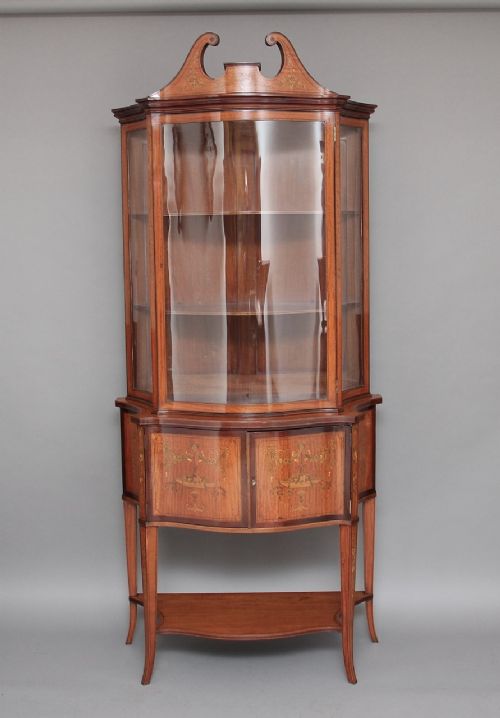
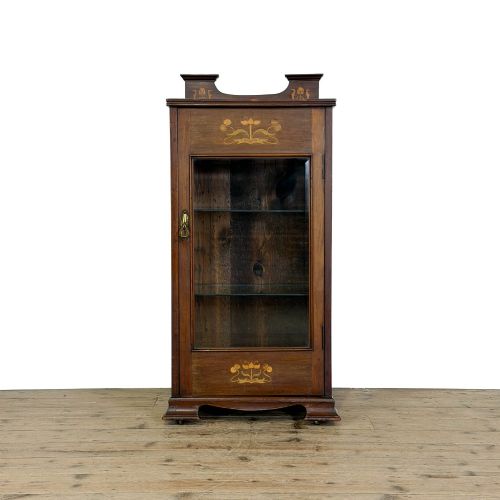
A brown marquetry vitrine is a cabinet designed for displaying delicate objects, defined by its glass panels and intricate wood-inlaid surfaces. These pieces emerge primarily from the Victorian, Edwardian, and eighteenth-century periods, spanning styles such as Sheraton Revival, Dutch Baroque, and Art Nouveau.
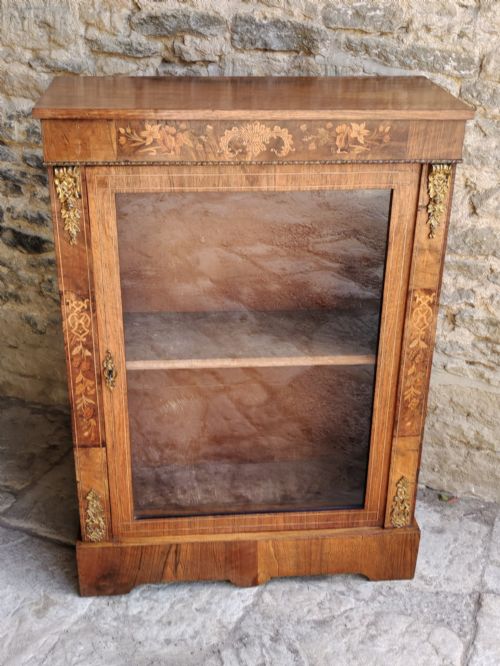
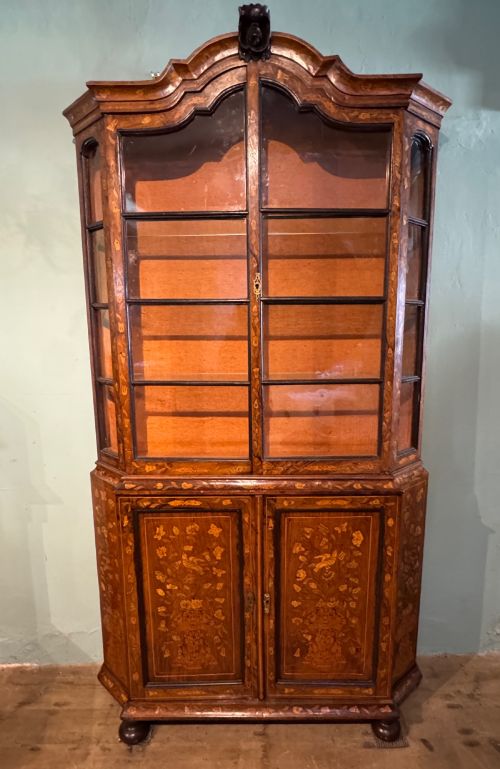
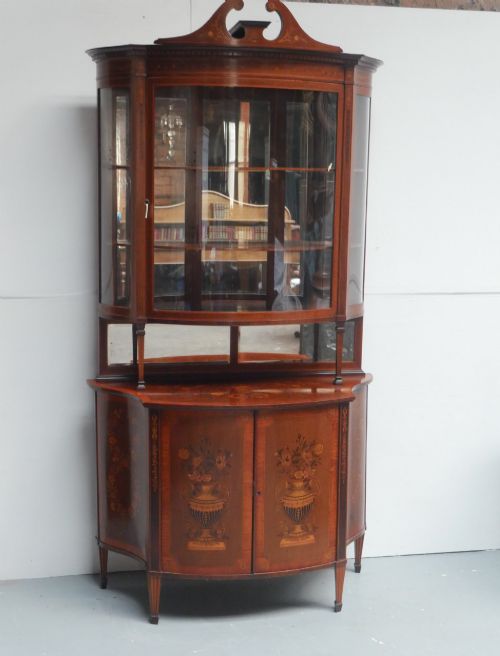
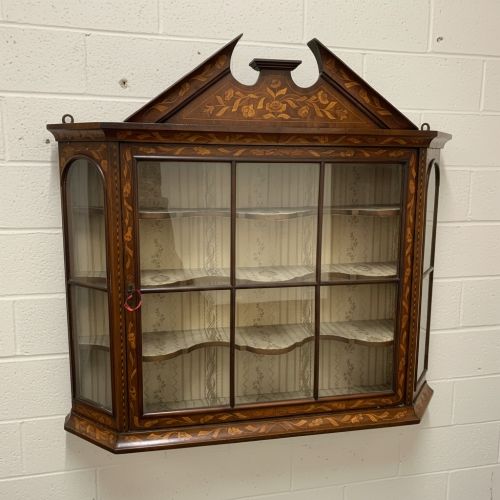
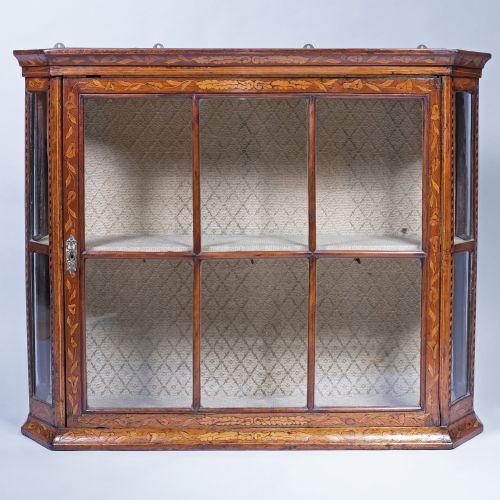
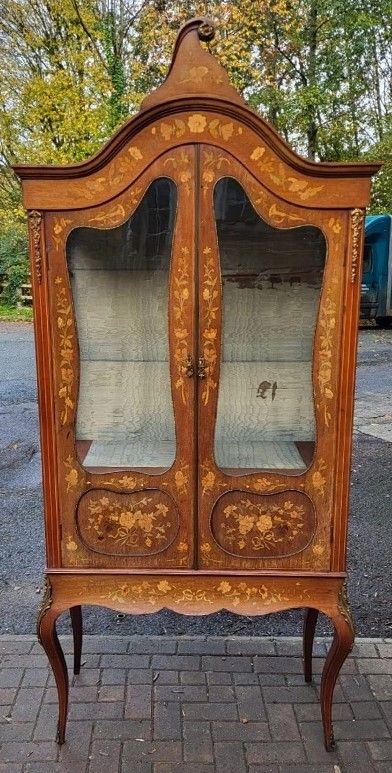
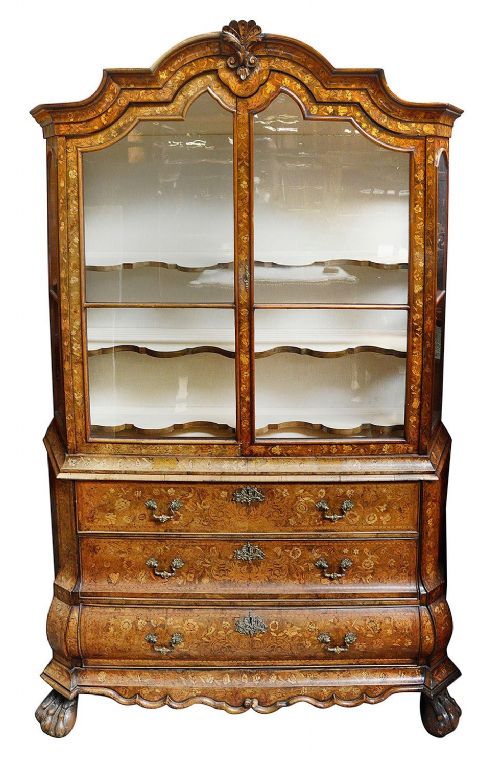
Buyers searching this phrase encounter a variety of forms on this page, including freestanding display cabinets, corner cabinets, wall cabinets, and two-part display cabinets. Mahogany, walnut, and kingwood form the primary carcass woods for these items, decorated with contrasting inlay.
The aesthetic heritage of these cabinets draws heavily on French and Dutch traditions, notably Louis XV Revival and Dutch marquetry designs. Such pieces function as both storage furniture and decorative showcases for porcelain, glass, and small collectables.
Materials and Construction Techniques
Cabinetmakers constructed these brown marquetry vitrines using solid and veneered timbers such as mahogany, walnut, rosewood, and kingwood. Artisans then applied contrasting lighter woods like satinwood to create detailed floral and scrollwork marquetry patterns across the doors and panels.
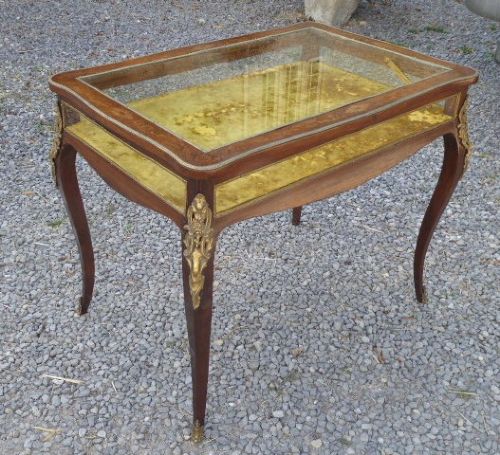
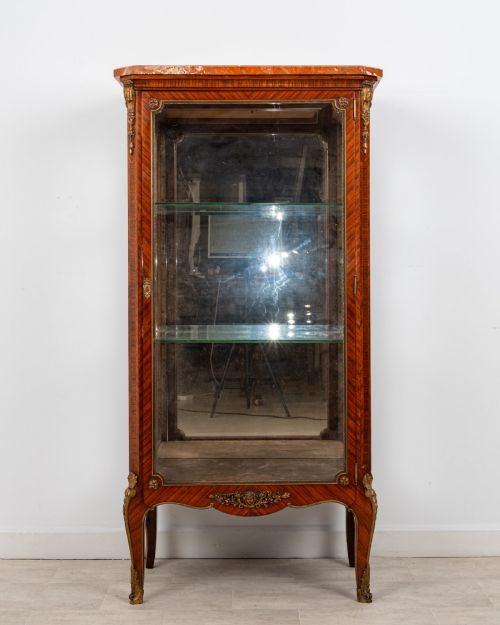
Glazing provides the primary viewing area for the contents, framed by timber doors often complemented by brass mounts or cast ormolu details. Some examples incorporate marble tops, mirrored backs, or specialised display tables known as bijouterie cases.
Structural elements vary by form, ranging from single-door wall cabinets to large breakfront bookcases and towering cabinet-on-chest configurations. Joinery methods reflect the specific period of manufacture, utilising traditional cabinetmaking techniques appropriate to eighteenth-century workshops or later nineteenth-century factories.
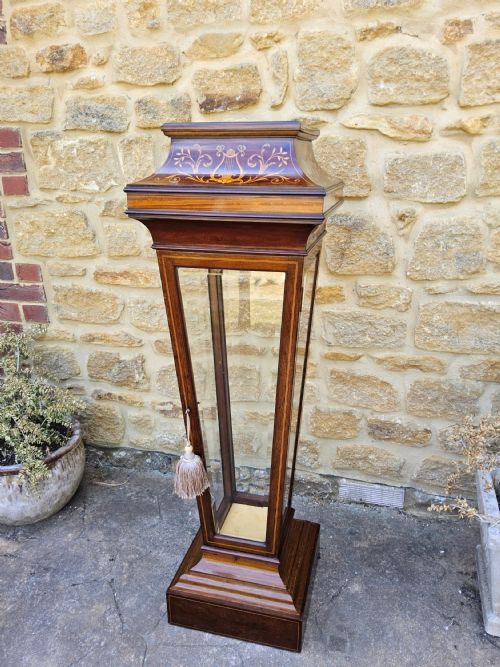
Cabinet forms include wall-mounted displays, corner cupboards, and pedestal display tables equipped with glass panels.
Distinctions in Quality and Execution
The distinction between standard production and exceptional work lies in the precision of the marquetry and the choice of timbers. Finer examples display meticulous control in cutting contrasting veneers, achieving seamless transitions and intricate detail in floral or pictorial motifs.
Hardware and mounts also differentiate the pieces, with heavy cast ormolu and quality brass fixtures marking out superior commissions. The integration of secondary woods, the weight of the glass, and the crispness of internal shelving further separate standard furniture from high-maker output.
Collinson & Lock·Edwards & Roberts·François Linke
The Brown Marquetry Vitrine Glossary
- Marquetry
- The art of applying pieces of veneer to a structure to form decorative patterns and pictures. Craftsmen use varied coloured woods to build complex pictorial designs.
- Vitrine
- A glass-fronted cabinet or display case used for showing objects of art or collections. These pieces prioritize visibility through glazed doors and side panels.
- Ormolu
- Gilt bronze mounts applied to furniture for decorative effect. This technique was favored in French-influenced nineteenth-century cabinetmaking.
- Bijouterie
- A low display table or cabinet with a glazed top designed for small valuable items. These pieces often feature hinged lids lined with velvet or fabric.
- Kingwood
- A dense, heavily figured exotic timber prized for fine veneer work. This material appears frequently in nineteenth-century French and revival furniture.
Brown Marquetry Vitrine: Frequently Asked Questions
What is a brown marquetry vitrine?
A brown marquetry vitrine is a glazed display cabinet adorned with decorative wood-inlaid patterns using contrasting timbers. These furnishings range from eighteenth-century Dutch wall cupboards to late-nineteenth-century revival display cases.
They serve primarily to exhibit porcelain, small curiosities, and precious objects while protecting them from dust. The combination of transparent glass and patterned wood makes them prominent decorative elements in a room.
How do I date a marquetry cabinet?
Dating relies on examining the carcass wood, structural joinery, and the prevailing stylistic influence of the piece. Eighteenth-century models often feature robust Dutch floral marquetry, whereas Victorian and Edwardian examples frequently draw on Sheraton or Art Nouveau aesthetics.
Secondary woods inside the cabinet and the style of the brass hardware also provide clues to the era of manufacture. Makers' stamps or attributions, when present, narrow down the specific decade.
Where should I place a vitrine?
Vitrines suit reception rooms, drawing rooms, or hallways where natural light illuminates the glazed display area. Placing them away from direct sunlight protects both the wood veneer and the interior contents from fading.
Because many examples feature mirrored backs or glass sides, positioning them perpendicular to windows maximises light penetration. Corner cabinets and wall cabinets offer solutions for smaller or angled spaces.
How do I maintain wood and glass?
Maintenance involves dusting the timber surfaces gently and avoiding silicone-based polishes that can damage antique veneer. Maintaining stable room humidity prevents the marquetry from drying out and lifting.
Glass panels require standard non-abrasive cleaners applied to a cloth rather than sprayed directly onto the cabinet. This precaution prevents moisture from seeping into the surrounding wood and brass mounts.