
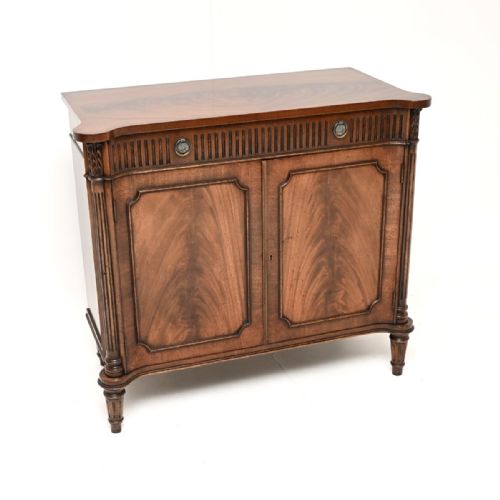
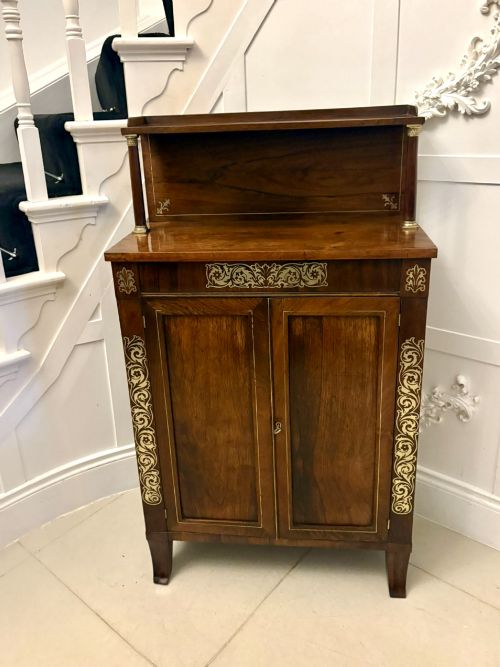
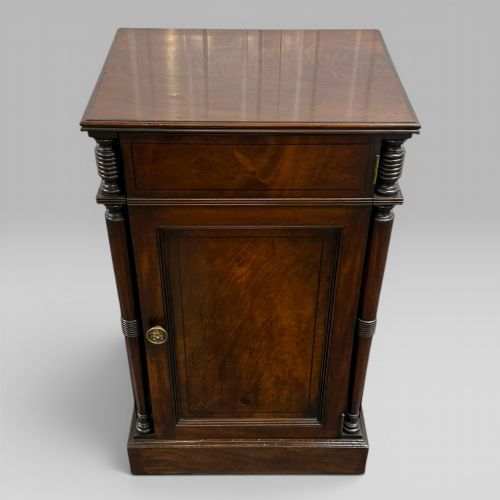
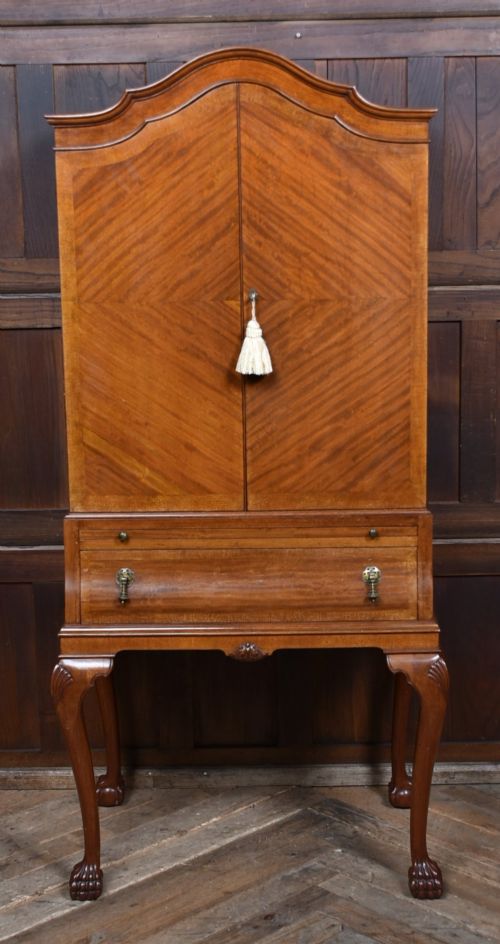
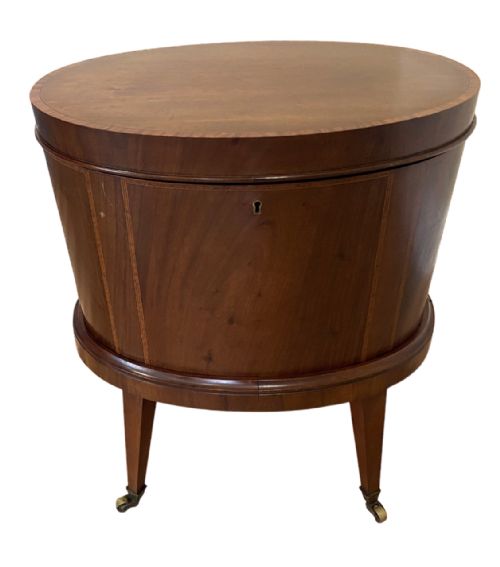


Brown Mahogany Drinks Cabinet
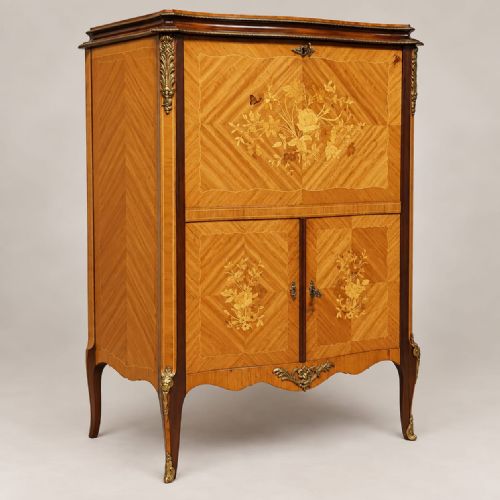
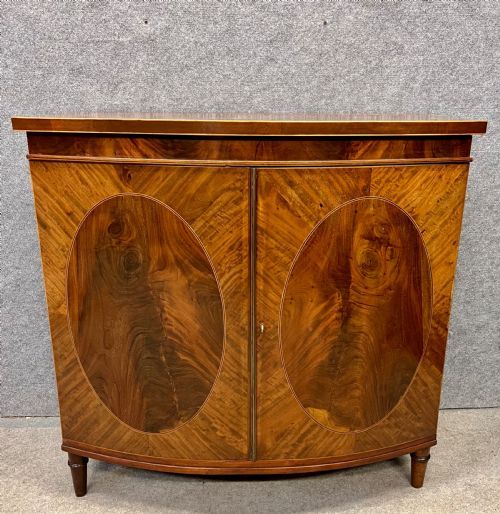
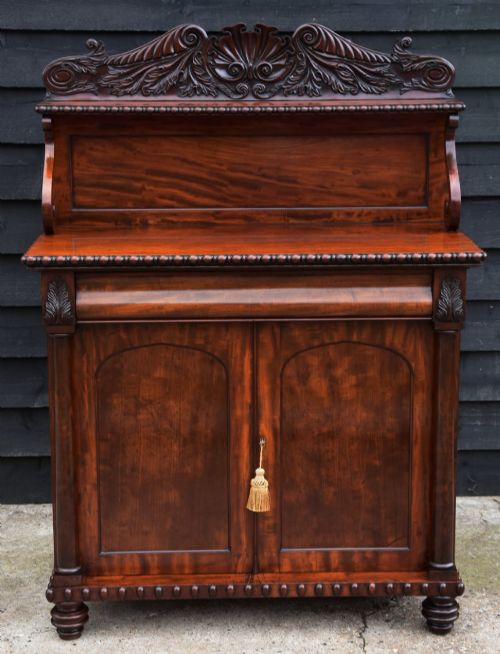
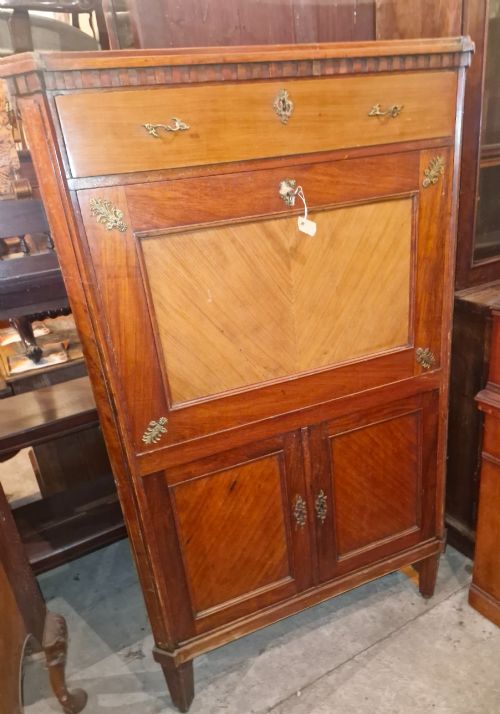
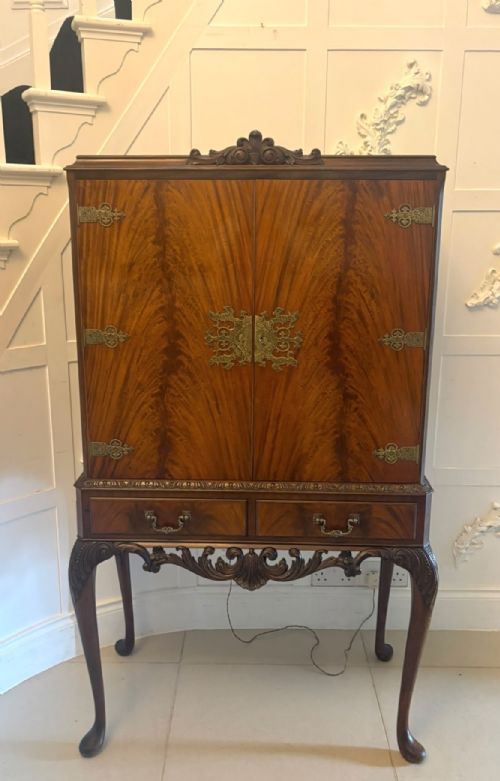
These brown mahogany drinks cabinet pieces bring traditional timber craftsmanship and period refinement straight into a modern entertaining space.
Brown Mahogany Drinks Cabinet
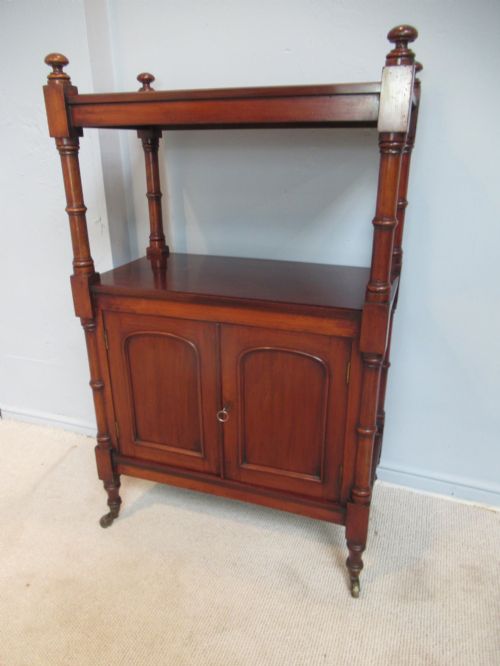
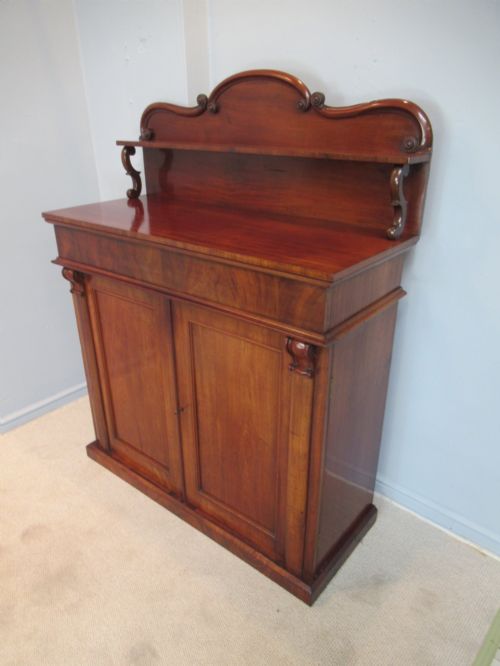
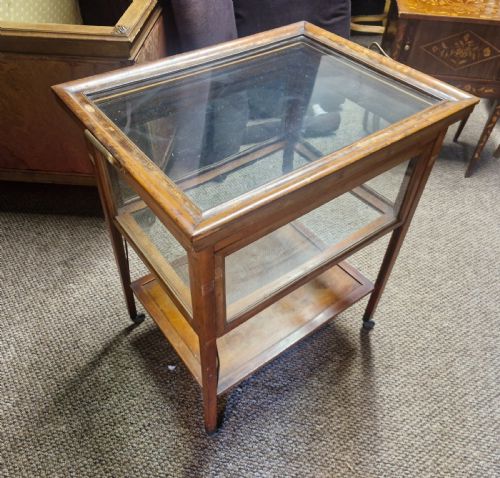
A brown mahogany drinks cabinet serves as a sophisticated vessel for storing bottles, glassware, and serving accessories, uniting period utility with rich timber aesthetics. When exploring these listings, a buyer encounters forms ranging from dedicated cellarettes and wine coolers to cocktail cabinets on stands, chiffoniers, and side cabinets.
The material lineage draws primarily on mahogany, often enhanced by flame mahogany veneers, satinwood inlay, brass mounts, and glass panels. Pieces span eras from the Georgian and Regency periods through to the Victorian, Edwardian, and early twentieth-century decades, reflecting shifting social customs around hospitality.
How they were made
Cabinet makers utilised solid mahogany and figured veneers applied over secondary timbers, often accentuating surfaces with contrasting boxwood and satinwood inlay or brass banding. Joinery relied on traditional hand-cut techniques to construct sturdy frames, drawers, and compartmented interiors designed specifically to secure bottles and glassware.
Metal fittings such as brass handles, hinges, and castors provided both structural reinforcement and functional mobility, particularly on larger wine coolers and cellarettes. Surface finishes were hand-polished to highlight the natural grain, depth, and warm tone characteristic of quality mahogany.
Some wine coolers arrived with lead linings designed for melting ice straight from the cellar.
What varies in quality
The standard of timber selection sets the baseline, with highly figured flame mahogany and crisp satinwood banding marking out superior workshop output. Precision in the execution of internal fittings, such as tailored bottle dividers, mirrored surfaces, and locking mechanisms, distinguishes standard domestic items from pieces of finer provenance.
Proportion and decorative restraint dictate visual success, where well-balanced proportions and refined carving or inlay elevate a cabinet's architectural presence. The integrity of the original hardware and the preservation of the polished surface further define the distinction between ordinary and exceptional examples.
Gillows·Maples and Co
The Brown Mahogany Drinks Cabinet Glossary
- Cellarette
- A lockable container or cabinet designed for holding wine bottles and decanters near the dining table. These pieces often feature lead-lined interiors or fitted wooden dividers.
- Satinwood
- A durable, lustrous timber with a pale yellowish colour utilised extensively for contrasting inlay work and banding on mahogany furniture. It creates sharp visual borders.
- Chiffonier
- A compact sideboard or low cabinet equipped with shelves and enclosed storage space. This form evolved during the nineteenth century to hold dining accessories and glassware.
- Sarcophagus
- A monumental style of wine cooler or cellarette shaped like a stone coffin with a heavy lid. Popular during the Regency period, these pieces rest on feet or plinths.
- Flame mahogany
- A decorative veneer cut from timber where the grain creates a distinctive flickering flame pattern. Cabinet makers reserved this material for prominent exterior panels.
Brown Mahogany Drinks Cabinet: Frequently Asked Questions
What is a brown mahogany drinks cabinet used for?
These cabinets provide dedicated storage for wine bottles, spirits, decanters, and drinking glasses within a domestic setting. Interiors often incorporate fitted shelves, drawers, or specialised partitions.
Historically, they kept beverages secure and close at hand during dining and social gatherings. Today, they serve a similar functional role while displaying vintage barware.
How do I date a brown mahogany drinks cabinet?
Dating relies on examining the construction methods, hardware styles, and overall architectural proportions of the piece. Georgian and Regency examples tend to feature classical lines and heavy brass mounts, whereas Edwardian and later cabinets often include fitted cocktail interiors.
Timber characteristics and veneer choices also shift across periods, moving from solid Georgian mahogany toward figured veneers in the later nineteenth and early twentieth centuries.
Where should I place a drinks cabinet at home?
A dining room, drawing room, or entertaining space provides a natural home for these cabinets, keeping glassware accessible near social areas. Positioning them away from direct sunlight and heat sources protects the mahogany timber and finish.
Freestanding models on stands or legs work well against feature walls, while wall-hanging glazed cabinets suit compact rooms.
How do I care for mahogany furniture?
Maintain the wood by dusting regularly with a soft, dry cloth and avoiding silicone-based polishes that build up over time. Applying a traditional beeswax occasionally helps nourish the grain and preserve the polish.
Keep the indoor environment stable in humidity to prevent timber movement or veneer cracking across the cabinet surfaces.