
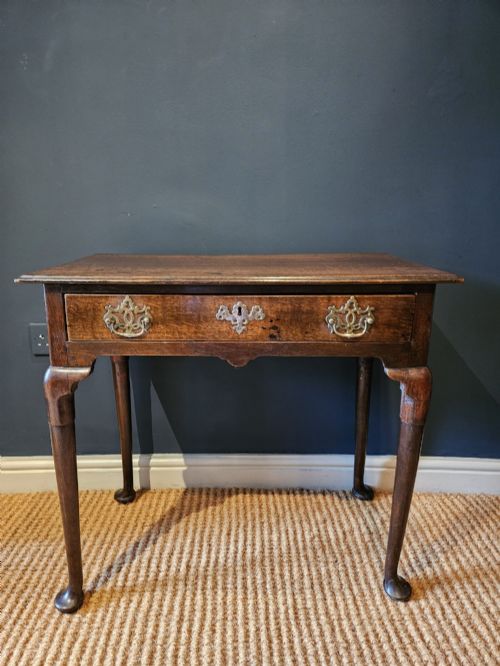
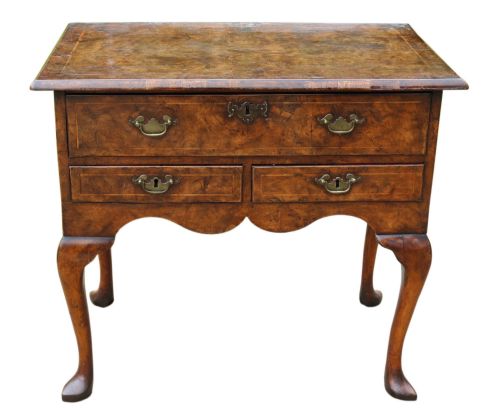
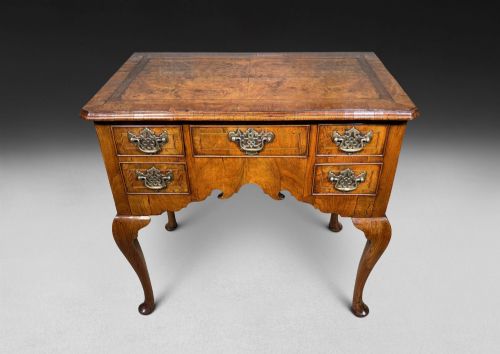
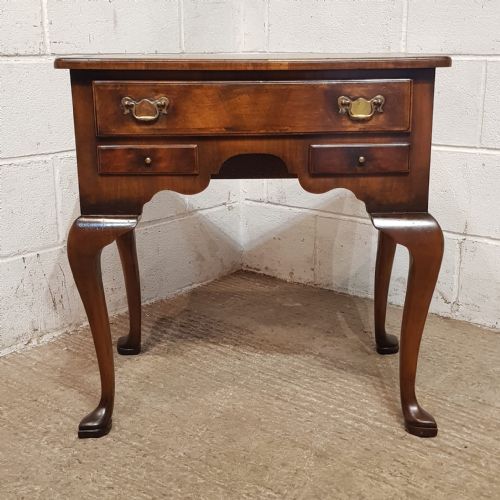
Brown Lowboy Desk
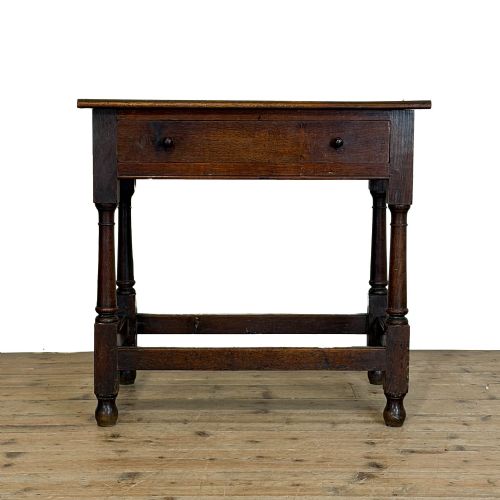
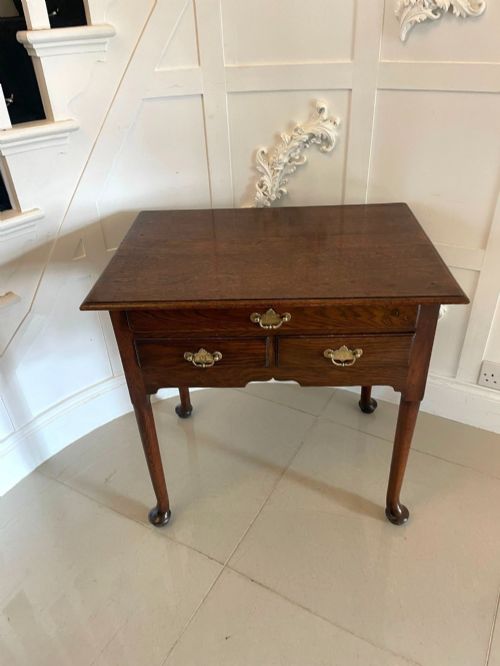
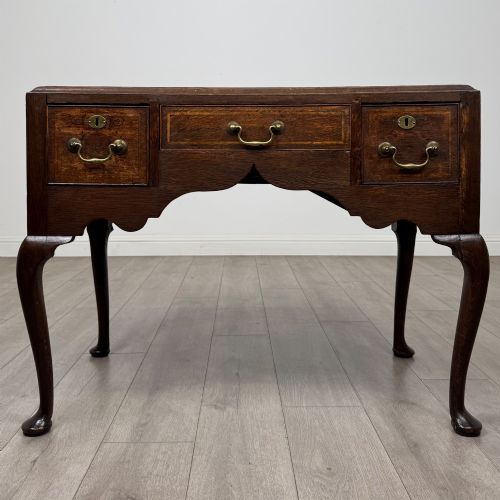
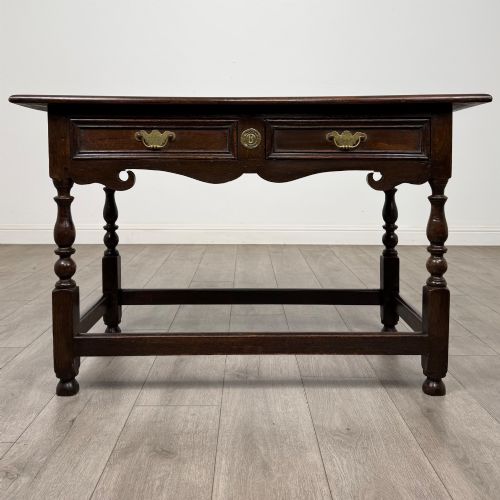
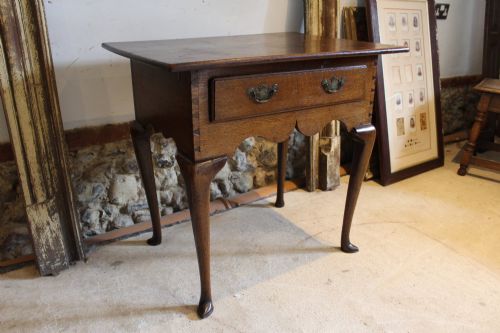
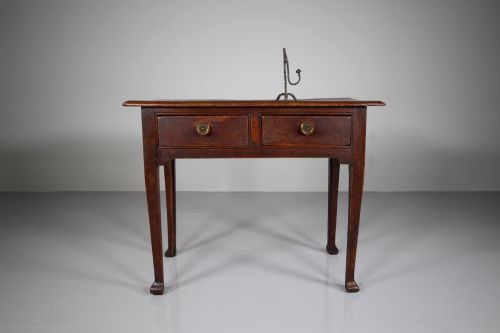
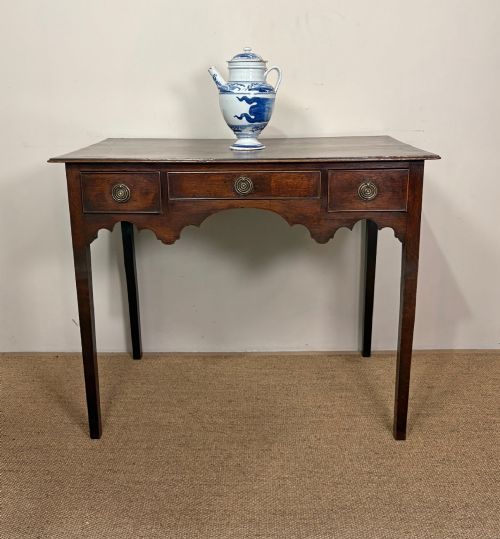
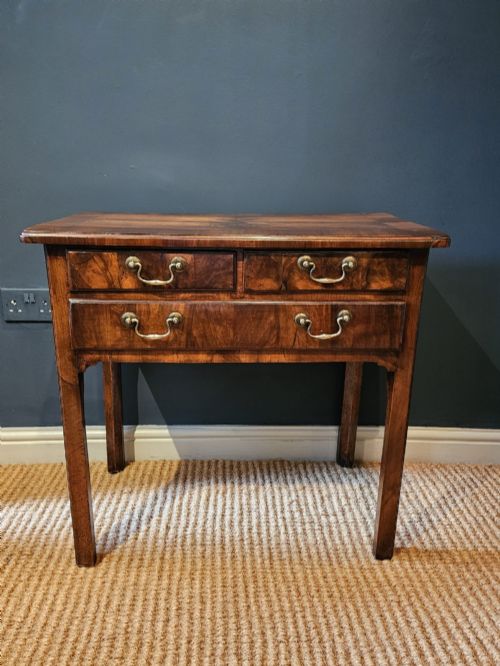
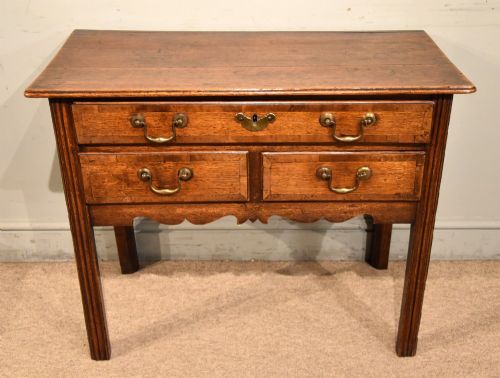
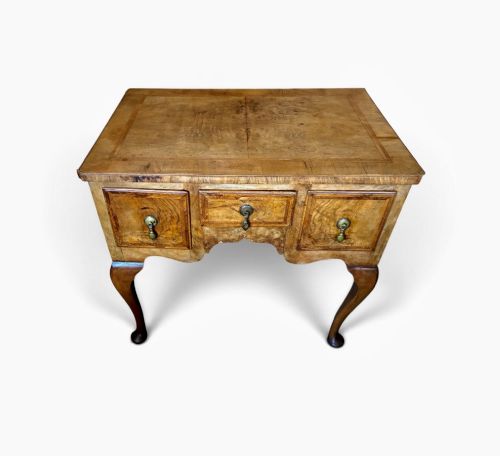
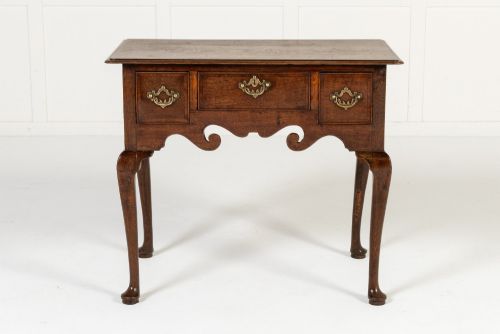
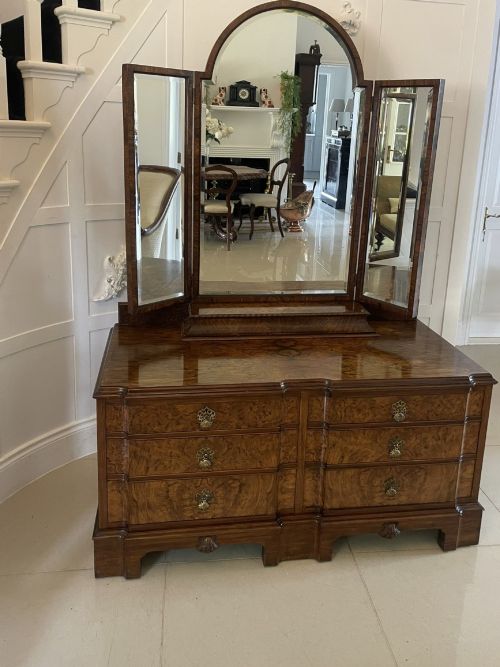
A brown lowboy desk is a low table with drawers, offering compact surface space and timeless proportions for a study or dressing room.
Brown Lowboy Desk
When searching for a brown lowboy desk, buyers encounter low-profile tables used historically for writing, dressing, or serving. The pieces on this page span several centuries, with particular strength in 18th-century examples from the Georgian, Queen Anne, and George II periods.
The form frequently appears as a side table with one, two, or three drawers arranged beneath a rectangular top. While many originate in the 18th century, revival pieces from the early 20th century also emerge in the listings.
Oak and walnut dominate the offerings, often complemented by mahogany, elm, fruitwood, and yew wood. These tables function equally well as compact desks, dressing tables, or console surfaces in modern interiors.
Materials and construction methods
Cabinetmakers utilised native timbers such as oak, elm, and fruitwood alongside highly figured exotic veneers like walnut and mahogany. Solid timbers provide the structural carcass, while burl and burr variations create decorative grain patterns on drawer fronts and tops.
Brass hardware, including swing handles and escutcheons, secures the drawer openings and complements the dark tones of the wood. Joinery relies on traditional techniques suited to the period, supporting the low, sturdy proportions of the table frame.
Primary materials recorded include oak, walnut, mahogany, elm, fruitwood, yew wood, and burr elm.
Distinguishing quality across examples
The degree of figuring in the timber significantly separates standard tables from superior items, particularly in walnut and burr elm examples where grain pattern dictates visual weight. Finely executed mouldings and original brass hardware further elevate a piece.
Proportion and timber selection drive desirability, with earlier 18th-century pieces showing refined leg turns and joints compared to later revivals. Condition of the polished surface and originality of the timber dictate the standing of each table.
The Brown Lowboy Desk Glossary
- Lowboy
- A small pedestal-less dressing table or side table with one or more tiers of drawers, standing on relatively tall legs.
- Burr walnut
- Wood taken from a growth on a walnut tree, yielding intricate, swirling grain patterns highly prized for veneer work.
- Escutcheon
- A flat plate of brass surrounding the keyhole of a drawer, protecting the surrounding timber from wear.
- Quarter veneering
- The practice of slicing thin sheets of timber from a log and arranging four symmetrical pieces to create a mirrored pattern on a tabletop.
Brown Lowboy Desk: Frequently Asked Questions
What is a lowboy used for?
Historically, a lowboy served multiple domestic functions including writing, dressing, and serving small items in private chambers. Today, buyers utilise them as compact desks, hallway console tables, or bedroom dressing surfaces.
Their shallow depth allows them to fit into narrow spaces where standard desks or large tables prove impractical.
How do I date an 18th-century lowboy?
Dating relies on observing timber choices, construction methods, and hardware styles characteristic of reigns such as Queen Anne or George III. Oak and walnut predominate in the earlier decades, while mahogany becomes more common later in the century.
Secondary woods inside the drawer construction and the style of the leg joinery provide further clues to the decade of manufacture.
Are these tables suitable for daily writing use?
Most lowboys offer adequate knee clearance and surface area for laptop use or occasional correspondence. The single or multiple drawer configuration provides storage for pens and small stationery items.
Buyers should check the internal height clearance beneath the drawers to ensure comfortable seating posture.
What woods were used for lowboys?
Oak and walnut are the most common primary timbers found across these listings, spanning the 18th-century periods. Cabinetmakers also utilised mahogany, elm, fruitwood, yew wood, and burr walnut veneers.
Pine appears occasionally as a secondary timber for drawer linings or structural elements within painted pieces.