




Brown Leather Frame
A brown leather frame brings warmth and tactile depth to interiors, uniting sturdy timber architecture with patinated hide.
Brown Leather Frame
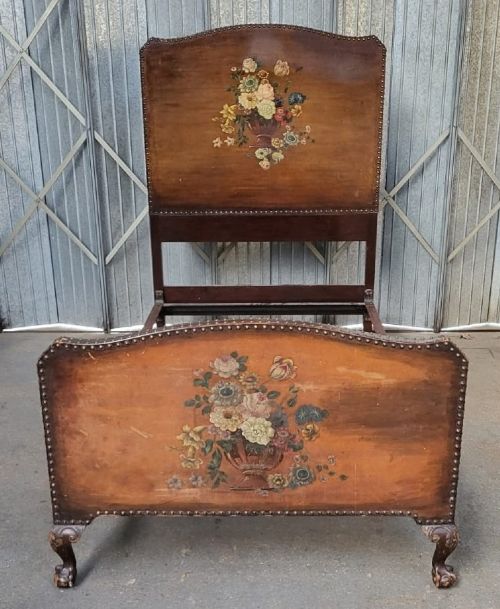
A brown leather frame combines a structural timber support with a taut or upholstered leather surround, fulfilling practical roles in seating and display. The selection spans distinct eras from the nineteenth century through the early twentieth century.
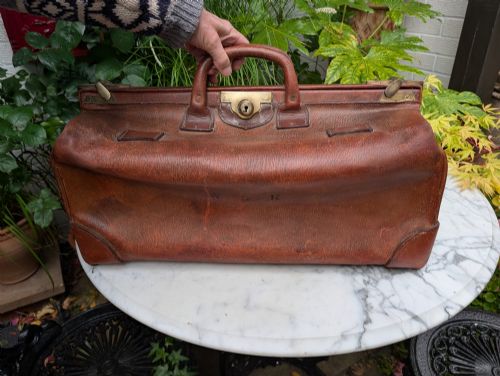
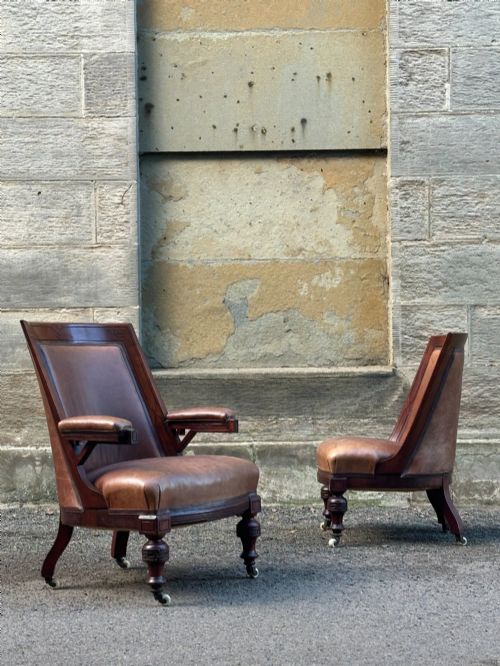
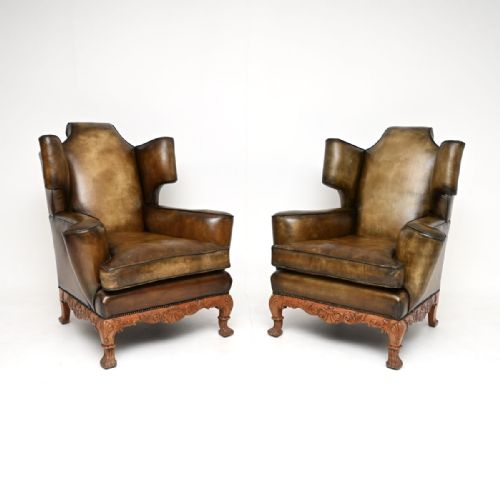
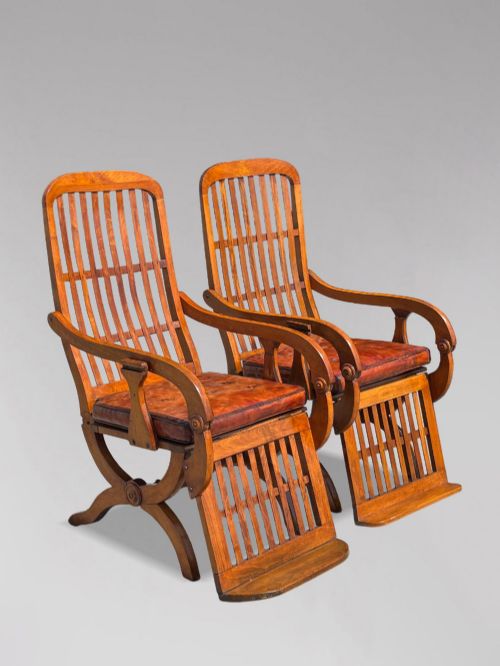
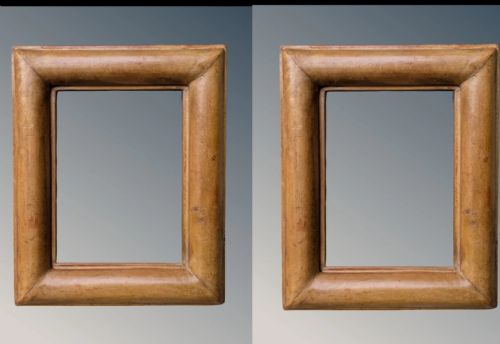
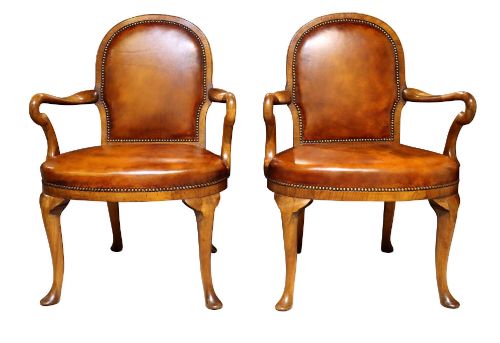
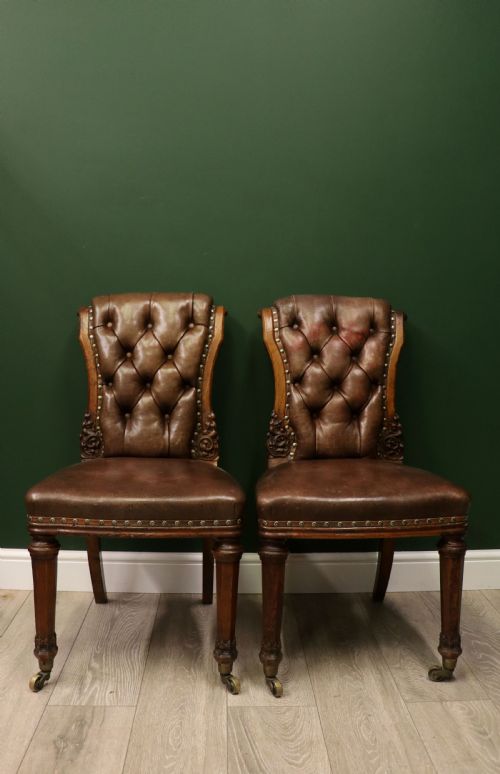
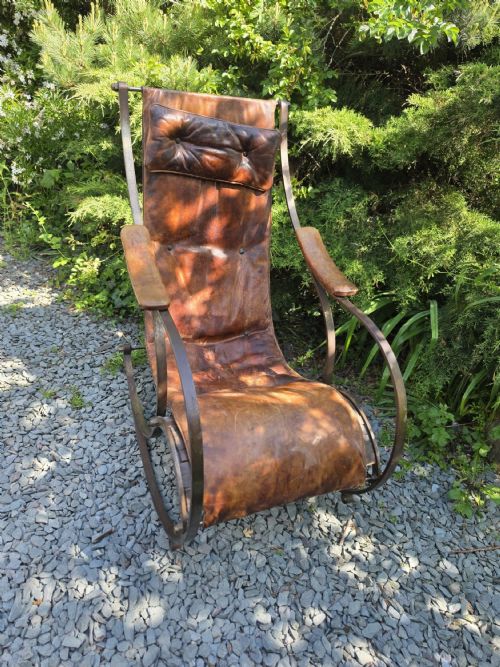
Most examples encountered here take the form of seating structures, including library armchairs, wingback chairs, and side chairs where timber frames enclose or support leather elements. Occasional decorative items such as wall mirrors and picture frames also appear.
The styles range widely, encompassing heavy Victorian library furniture, Edwardian interpretations, and streamlined Art Deco designs. Each piece reflects the dominant woodworking and upholstery practices of its respective decade.
How they were made
Makers utilised dense native and imported timbers like oak, mahogany, walnut, and assorted hardwoods to build rigid, load-bearing skeletons that could withstand daily use. Joinery techniques relied on traditional mortise and tenon joints secured by dowels or internal blocks.
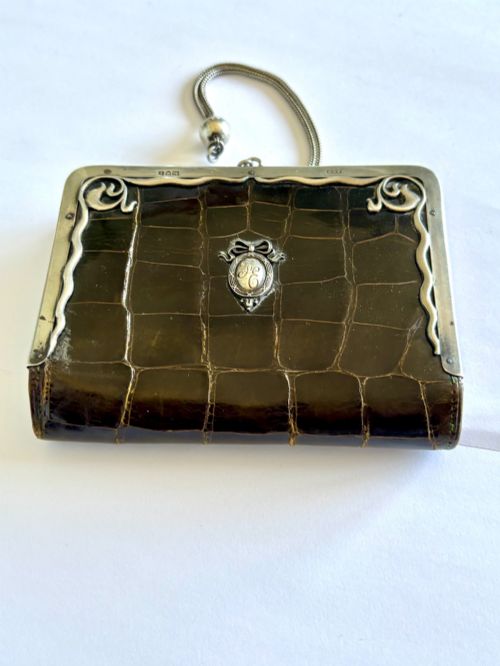
Hides were stretched over padding and secured using brass or iron tacks, sometimes finished with hand-tooled gilt details or deep buttoning. Metal components such as brass mounts, iron framing, and glass inserts supplemented the wooden and leather composition.
The furniture styles represented range from austere Regency and Georgian forms to ornate Rococo Revival and clean Art Deco lines.
What varies in quality
The grade of the timber and the precision of the joinery set the foundation, distinguishing robust, kiln-dried hardwood frames from lighter, simpler constructions. Carved details on mahogany or oak elements reveal the skill level of the original cabinetmaker.
The treatment of the hide marks a major distinction, with vegetable-tanned leathers showing subtle tonal variations and natural grain patterns that improve with age. The execution of upholstery techniques, from buttoning to edge stitching, dictates the longevity and comfort of the piece.
John Collard Vickery·R W Wingfield·Harrods·Louis Vuitton·J Foot And Son
The Brown Leather Frame Glossary
- Wingback
- An armchair featuring protective side panels designed to shield the occupant from drafts. These extensions merge smoothly into the armrests.
- Library armchair
- A sturdy seat designed for long periods of reading, typically constructed with padded leather arms and a supportive high back.
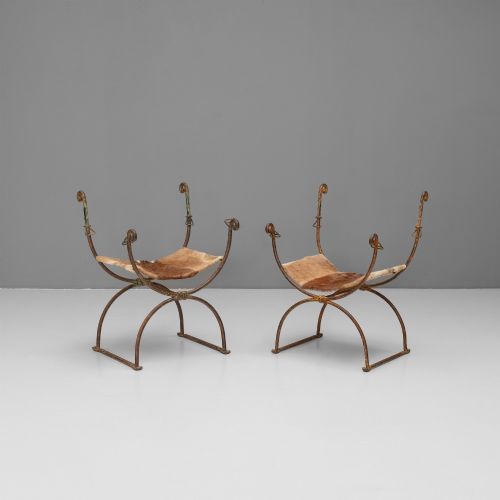
- X-frame
- A structural support formed by two intersecting diagonal members resembling the letter X. This geometric arrangement provides inherent stability to stools and chairs.
- Buttoning
- An upholstery technique where indentations are formed by pulling twine through padding and securing it with deep buttons. This creates a tufted surface that keeps stuffing evenly distributed.
Brown Leather Frame: Frequently Asked Questions
How do I clean a brown leather frame?
Dust the surface regularly with a soft cloth to prevent particulate accumulation in the grain and creases. Apply a specialised leather conditioner periodically to maintain suppleness and prevent cracking.
Avoid placing the piece near direct heat sources or strong sunlight, which can dry out the hide and cause fading. Keep liquids away from both the leather and the surrounding timber frame.
Are these frames suitable for daily use?
Most pieces were built for functional domestic or institutional environments using durable hardwoods and tough cattle hide. They handle normal sitting and daily interaction well when treated with reasonable care.
Period items benefit from periodic checks of joints and fasteners to ensure the timber remains stable. Heavier usage suits sturdier library and club chairs best.
How do I date a wooden frame?
Examine the timber species, tool marks left by saws or planes, and the style of the joinery. Victorian and Edwardian pieces often display distinct carving motifs and construction methods characteristic of their decade.
Upholstery techniques and hardware types also offer clues, though many older pieces have undergone reupholstery over the years. Comparing the secondary woods beneath or inside the structure helps confirm the period.
What is the difference between oak and mahogany frames?
Oak frames generally present a heavy, visible grain pattern and a lighter brown tone associated with earlier Victorian and Arts and Crafts aesthetics. They offer immense structural rigidity and a robust, earthy character.
Mahogany frames tend to feature a tighter, smoother grain with deeper reddish-brown hues suited to formal library or Regency styles. Cabinetmakers favoured mahogany for intricate carved details because of its stable and fine-grained structure.