
Brown Kitchen Table
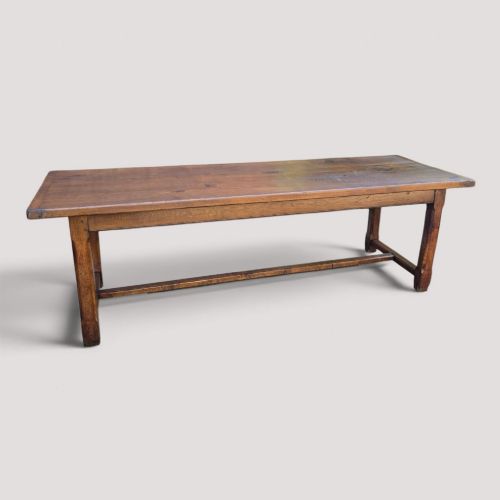
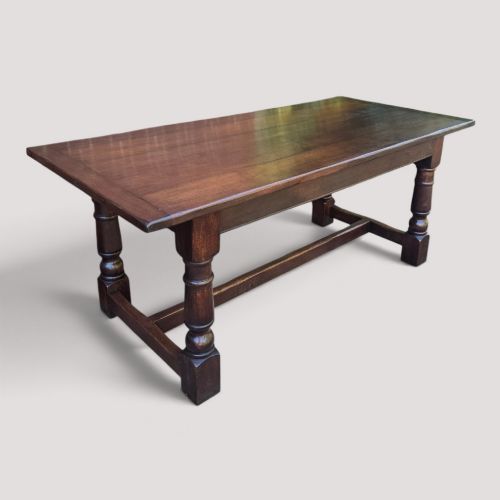
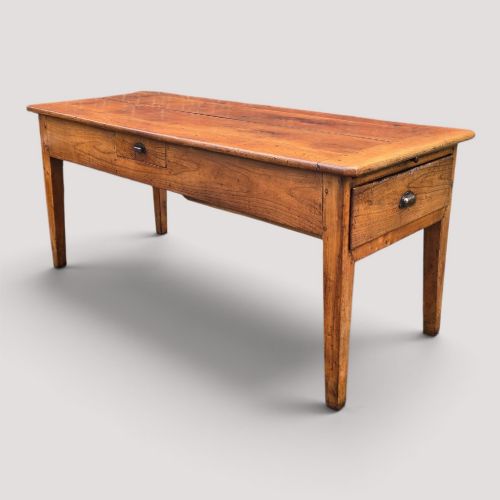
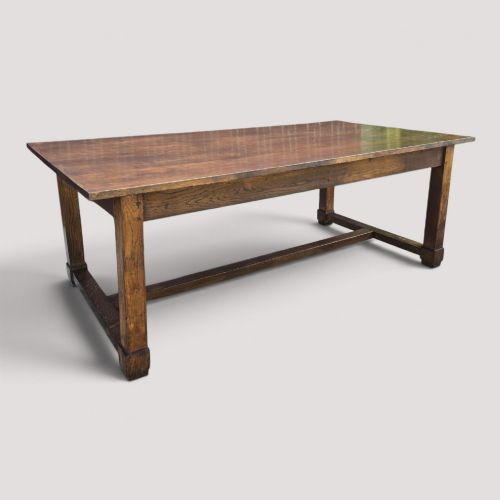
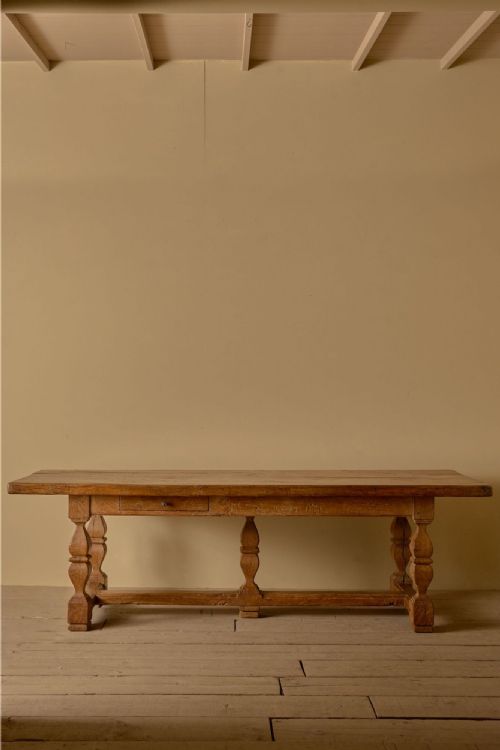
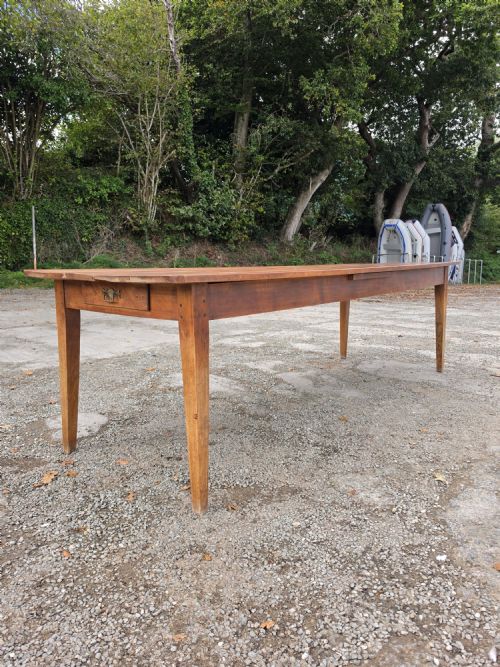
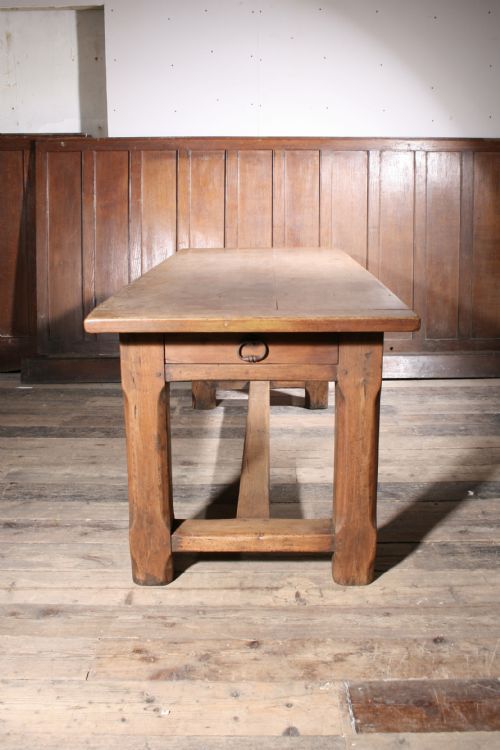
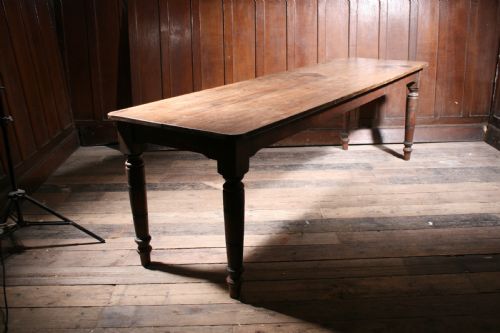
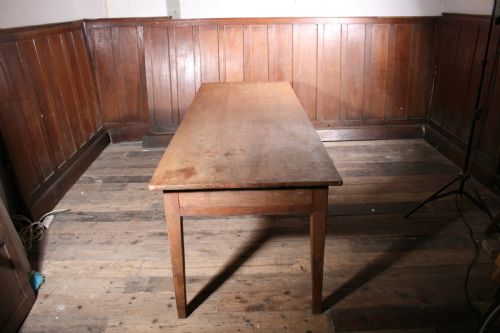
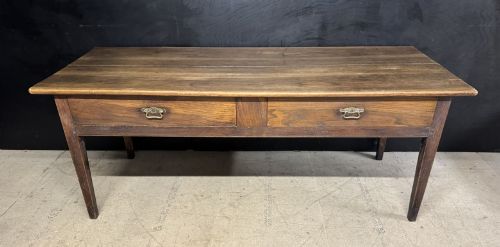
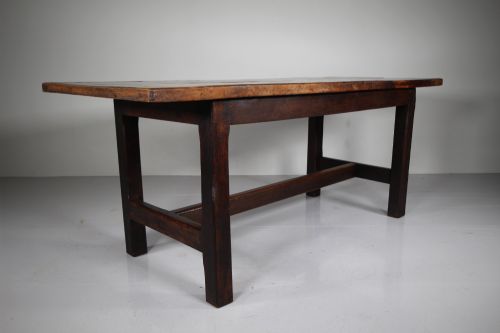
A brown kitchen table grounds the room in timber, offering a robust surface for daily meals shaped by decades of domestic life.
Brown Kitchen Table
A brown kitchen table brings substantial timber furniture into the heart of the home, drawing on centuries of domestic traditions. When exploring this selection of a brown kitchen table, buyers encounter forms designed for daily utility and gathering.
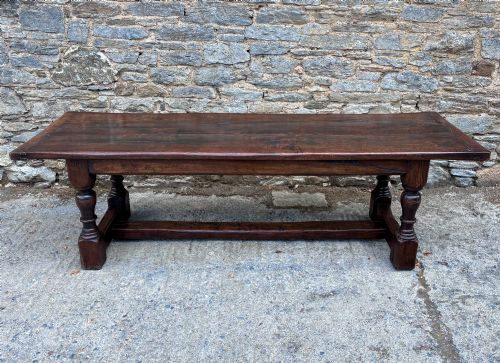
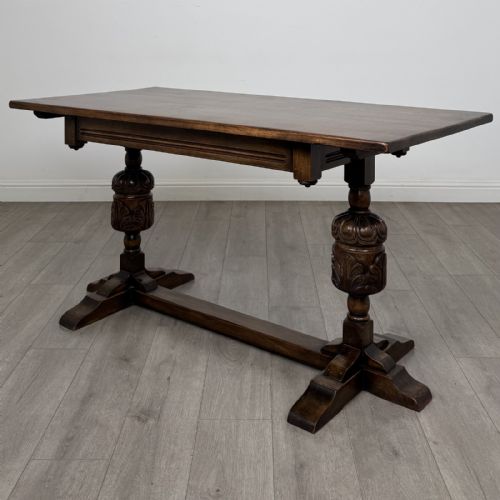
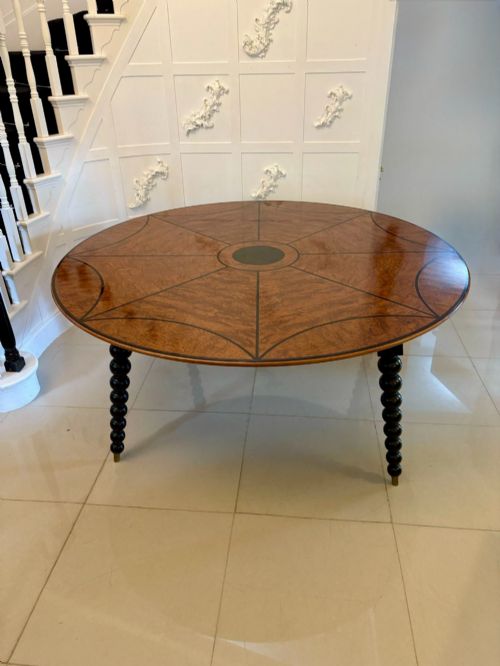
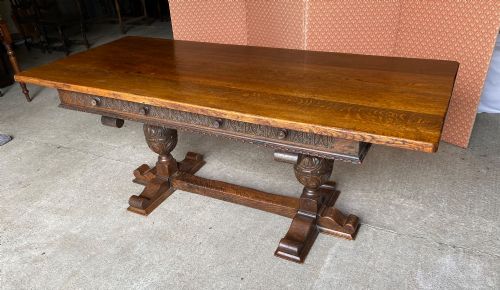
The pieces span periods from the eighteenth century through the Edwardian era and into the early twentieth century. Common formats include rustic farmhouse tables, refectory designs, and drop-leaf Pembroke tables built for versatility.
Origins vary between English workshops and French provincial makers. The heavy timber construction prioritises seating capacity, accommodating anything from four diners up to twelve-seater extensions.
Materials and construction methods
Construction relies heavily on solid hardwoods like oak, walnut, fruitwood, cherrywood, and chestnut, paired occasionally with pine and elm. Planks are joined to create expansive tops capable of withstanding heavy daily use.
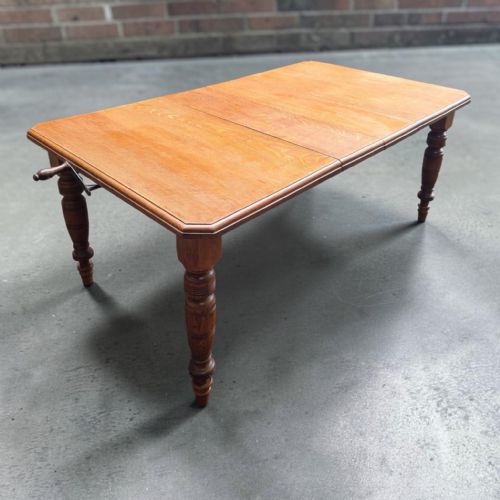
Joinery techniques reflect traditional cabinetmaking, utilising draw-leaf mechanisms, drop-leaf hinges, and sturdy refectory bases. Surfaces are left to show the natural grain of the wood, sometimes enhanced by painted pine or polished finishes.
Materials featured across these listings include traditional hardwoods like oak and walnut alongside fruitwood, cherrywood, pine, and elm.
Variations in quality
Quality rests on the selection of timber planks, such as single or twin plank tops versus multi-board constructions. The integrity of the underframe and the smoothness of extending mechanisms also distinguish finer examples.
Proportion and authenticity of period hardware play a significant role in separation. Tables retaining their original untreated timber surfaces and period fixings command greater appreciation from collectors.
The Brown Kitchen Table Glossary
- Refectory table
- A long narrow dining table originally built for monastic dining halls. These sturdy forms became central to farmhouse kitchens.
- Draw-leaf
- An extending table mechanism featuring concealed leaves beneath the main top that pull out from each end. This design increases surface area without removing the central section.
- Pembroke table
- A small occasional or dining table with hinged drop leaves on either side. It offers flexibility in confined spaces.
- Potboard
- A lower open shelf integrated into the base of a dresser or sideboard. It historically stored pots and heavy kitchen utensils.
Brown Kitchen Table: Frequently Asked Questions
How do I clean an antique wooden table?
Wipe surfaces gently with a slightly damp cloth to remove everyday dust and debris. Avoid harsh chemical sprays that strip the aged patina from the timber.
Dry the wood thoroughly immediately afterwards with a soft cloth. Apply natural beeswax periodically to nourish the grain and protect the finish.
Are these tables suitable for daily dining?
Solid hardwood construction ensures these tables handle regular family meals with ease. Their original purpose was heavy kitchen work, making them inherently durable.
Use coasters and placemats to protect the historic wood from heat and moisture rings. Embracing minor marks adds to the ongoing history of the piece.
How do I identify the wood type?
Examine the grain pattern, colour variation, and weight of the timber used in the top and legs. Oak displays prominent medullary rays, while walnut offers a darker, richer tone with flowing figures.
Fruitwood and cherrywood present smoother, warmer hues that darken gracefully with age. Pine and elm are typically lighter and softer in overall density.
What is a refectory table?
A refectory table is a long, narrow dining table characterised by substantial legs connected by a low stretcher. Originally designed for communal dining in monasteries, they transitioned into large country houses.
Their sturdy build provides exceptional legroom and stability. They remain popular for anchoring spacious modern kitchen diners.