


Brown Inlaid Wood Art
Brown inlaid wood art gathers marquetry panels, cabinets, and decorative objects created across the nineteenth and twentieth centuries.
Brown Inlaid Wood Art
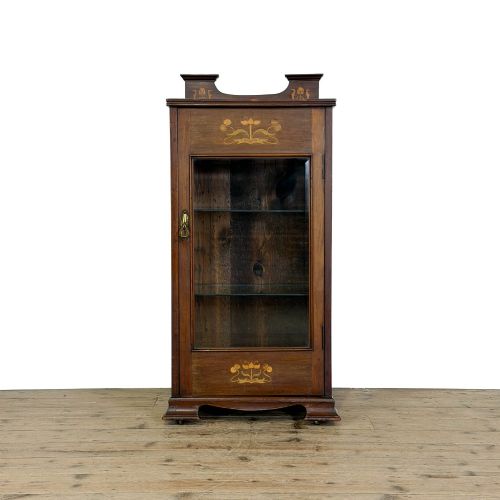
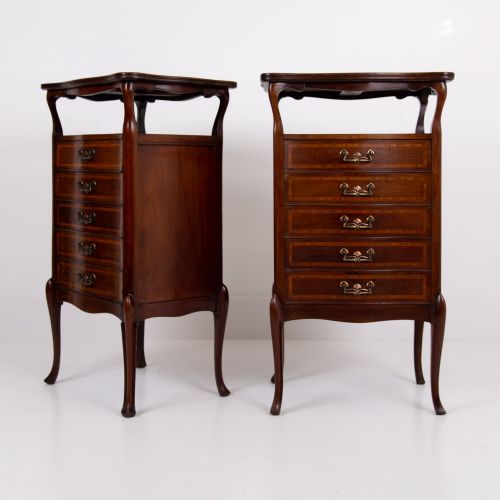
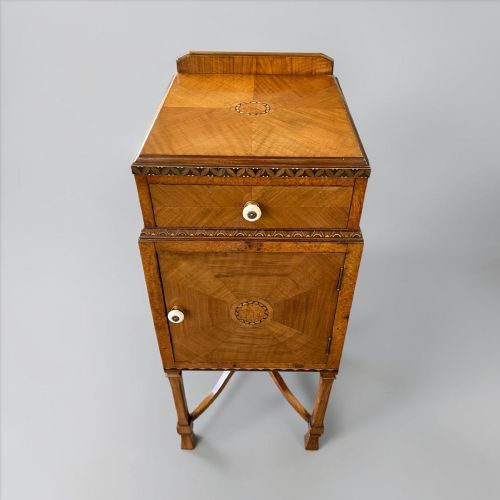
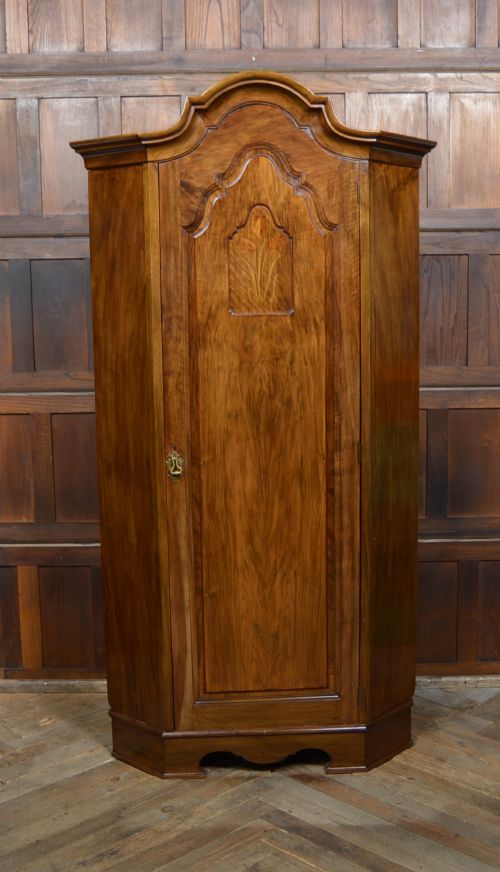
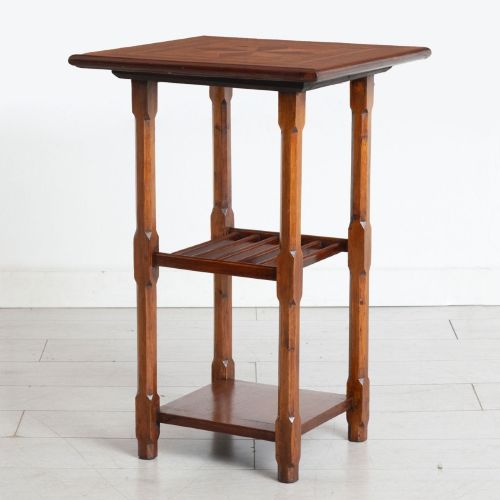
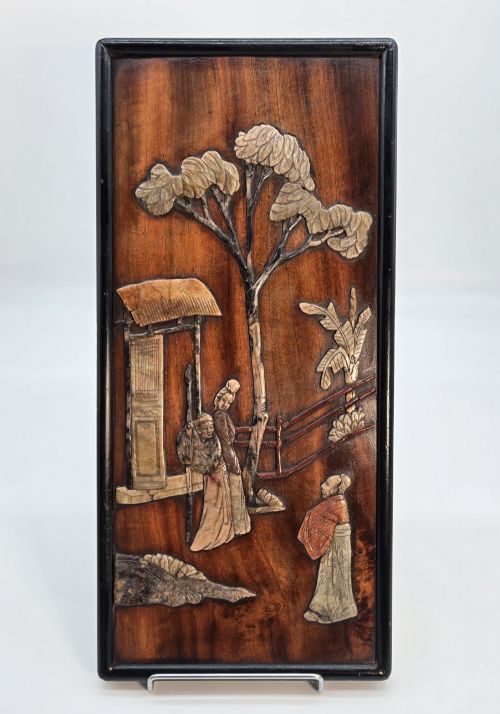
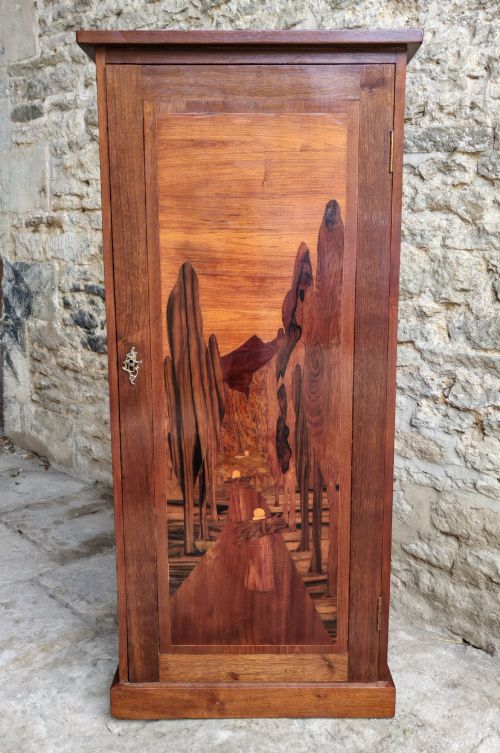
Buyers seeking brown inlaid wood art most frequently encounter mahogany side tables, cabinets, and wall plaques dating from the Edwardian era and around nineteen hundred. These items combine structural utility with intricate surface decoration, demonstrating the longevity of traditional cabinet-making methods.
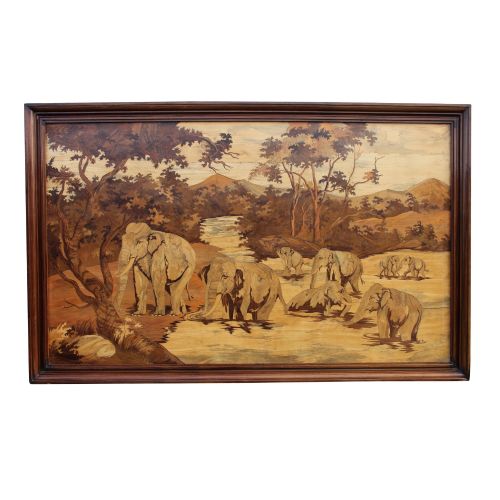
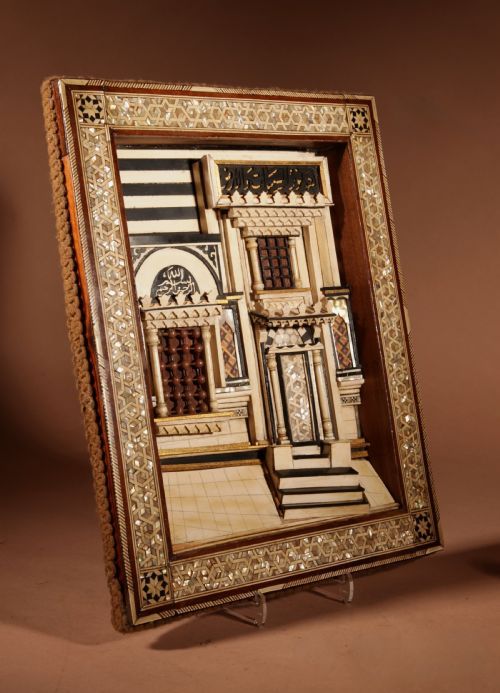
The selection ranges from architectural dioramas and large marquetry panels to smaller domestic items like tea caddies, trays, and revolving bookcases. Each category shows how makers applied decorative wood techniques to everyday household objects and dedicated display pieces alike.
How they were made
Makers constructed these pieces using solid timbers and veneers of mahogany and walnut, frequently incorporating contrasting woods, brass fittings, and glass elements. Carving, turning, and precise joinery formed the structural foundations for the decorative surfaces.
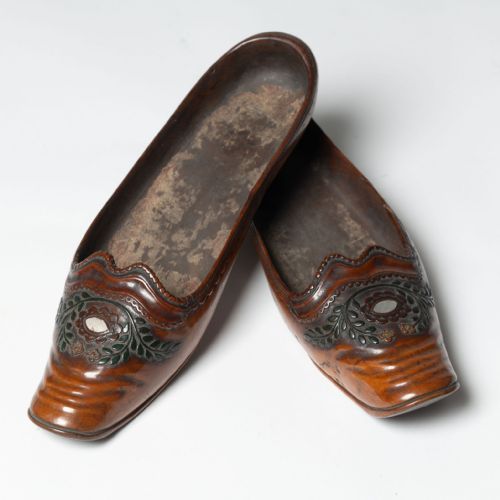
Surface decoration relied on marquetry and wood inlay, where contrasting veneers were cut and fitted into recesses to form pictorial scenes or geometric patterns. Tunbridge ware items employed precision wood mosaics built from thousands of tiny tinted wood blocks to create detailed pictures.
Listings feature mahogany, walnut, and satinwood across the Victorian, Edwardian, Art Nouveau, Arts and Crafts, and Art Deco periods.
What varies in quality
Quality in brown inlaid wood art rests on the precision of the marquetry and the choice of timbers used for the base and the inlay. Superior pieces display tight joints, crisp cutting of veneers, and harmonious grain matching that enhances the overall composition.
Design execution distinguishes standard production items from workshop pieces created by known makers or specialised regional centres. The complexity of the inlaid motifs, from simple geometric diamonds to elaborate pictorial panels, dictates the level of craftsmanship involved.
Whytock and Reid·Shapland and Petter
The Brown Inlaid Wood Art Glossary
- Marquetry
- The art of applying pieces of veneer to a structure to form decorative patterns and pictures. This technique allows for varied tones and textures using different natural wood species.
- Tunbridge Ware
- A specialised form of woodworking originating in Kent, utilising tiny blocks of naturally coloured wood assembled in geometric or pictorial mosaics. These mosaics decorate small boxes, plaques, and picture frames.
- Treen
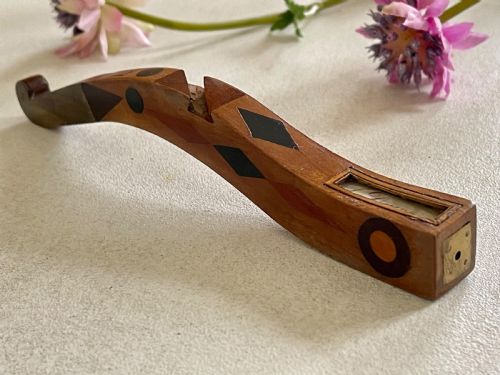
- Small handmade wooden domestic objects such as knitting sheaths, snuff boxes, and turned goblets. These items were shaped and decorated through carving or inlay for everyday household use.
- Specimen Wood
- Furniture or decorative objects incorporating numerous different timber species displayed for their varied natural colours and grains. Makers used these woods to create contrasting patterns and educational or decorative panels.
Brown Inlaid Wood Art: Frequently Asked Questions
What periods do these pieces date from?
The items span the nineteenth and twentieth centuries, incorporating Victorian, Edwardian, Arts and Crafts, Art Nouveau, and Art Deco design movements.
Dates across the selection range from the mid nineteenth century through the nineteen thirties, reflecting changing aesthetic preferences in British and international woodworking.
What woods are commonly used?
Mahogany and walnut form the primary structural and surface materials for most cabinets, tables, and panels.
Satinwood and various contrasting timbers appear within the inlay work, alongside supplemental materials like brass, glass, and fabric.
How do I identify Art Nouveau pieces?
Art Nouveau items feature characteristic whiplash lines, stylized floral motifs, and organic curves inspired by natural forms. These design elements appear on mahogany side cabinets, chairs, and clocks dating from around nineteen hundred.
Makers integrated these sinuous patterns directly into the wood grain and brass hardware of domestic furnishings.
What is the difference between inlay and marquetry?
Inlay involves setting pieces of wood into a recessed solid wood base to create a flat surface design. Marquetry assembles an entire picture or pattern from veneers before applying it to the carcase.
Both techniques create decorative brown wood surfaces using contrasting natural tones.