





Wooden Marquetry Panel
A wooden marquetry panel brings together tinted and natural timber veneers to form detailed pictorial scenes and geometric patterns for the wall.
Wooden Marquetry Panel
When you search for a wooden marquetry panel, you encounter an array of wall plaques, architectural dioramas, and framed pictures alongside larger furniture pieces featuring inlaid scenes. The examples span from the seventeenth century through the Victorian and Edwardian eras into the nineteen-twenties and nineteen-thirties.
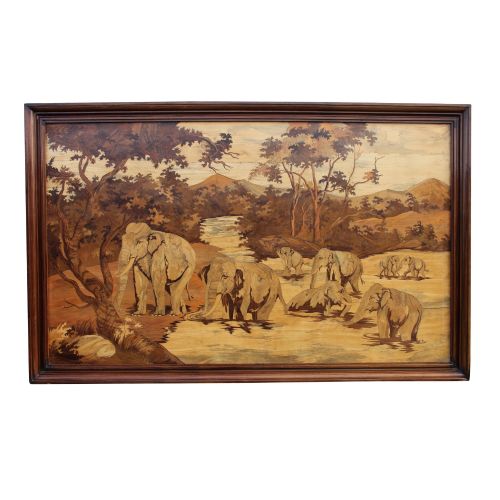
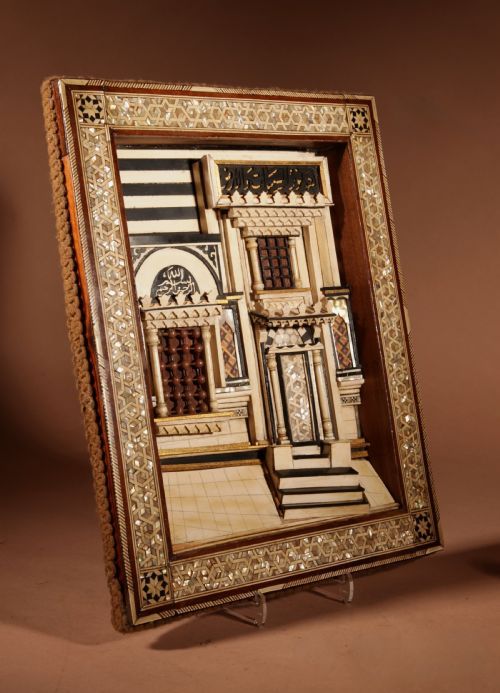
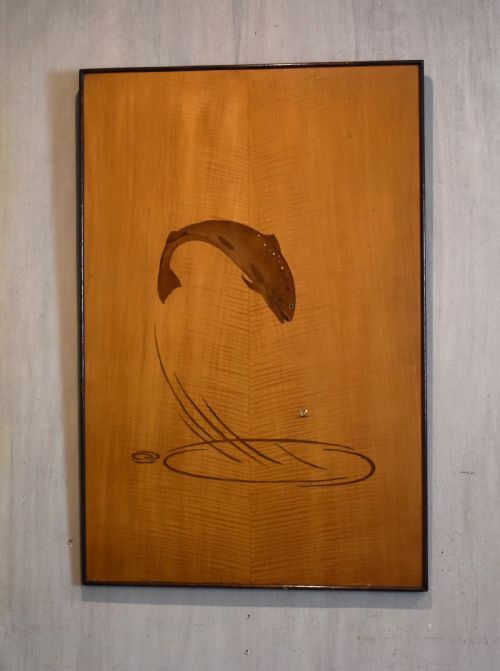
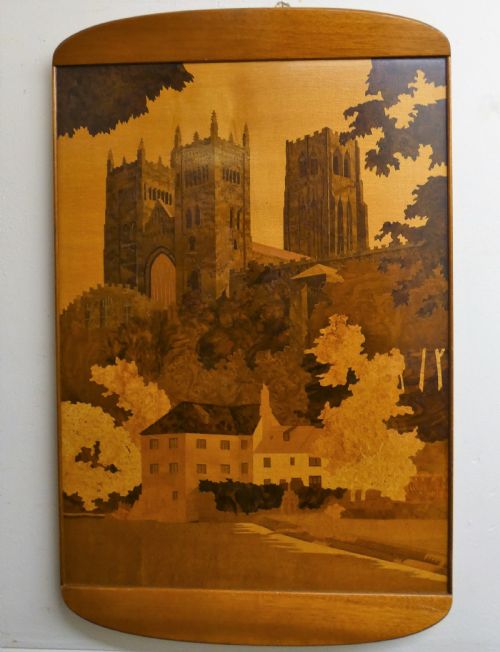
Subjects range from British landscapes, Scottish hydro scenes, and leaping salmon to Indian elephants and Moorish architectural reliefs. Makers utilise varied formats, from simple wall panels to complex architectural dioramas and Tunbridge Ware wood mosaic picture frames.
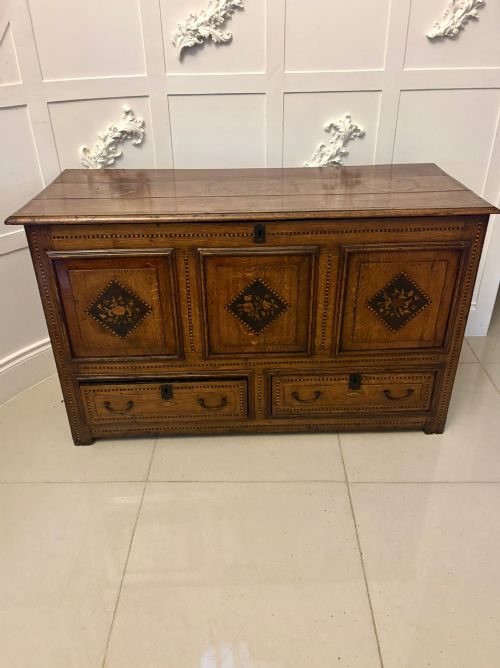
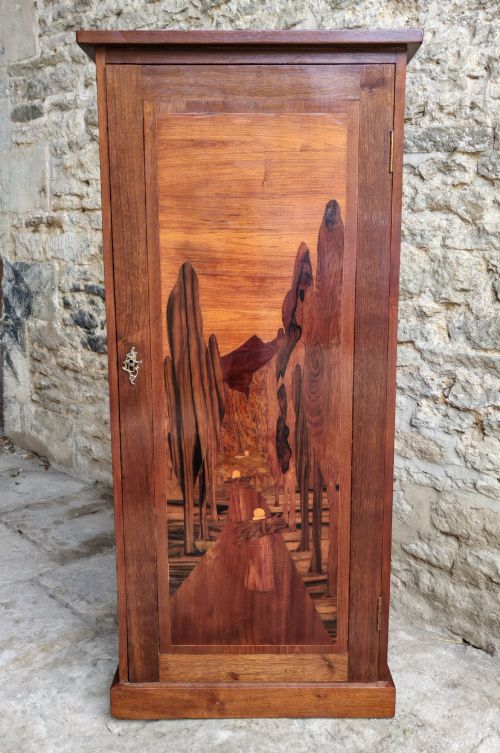
The objects take many forms, including standalone wall art, mirror frames, and panels set into the fronts of mule chests, coffers, cupboards, and armchairs. Pieces emerge in styles such as Arts and Crafts, Art Nouveau, Jacobean, and Mid-Century Modern.
Materials and construction
Craftsmen construct these panels using a variety of woods including oak, walnut, rosewood, satinwood, teak, and mahogany, often combining contrasting timbers to create depth and shadow.
Some pieces incorporate wood inlay techniques alongside glass and silver-gilt elements, particularly within mirrors and specialised wall art from the Arts and Crafts period.
The veneers are cut and fitted together precisely on a supportive base, sometimes utilising specimen woods to achieve natural colour variations across pictorial compositions.
Listings feature works created across multiple centuries, incorporating oak, rosewood, walnut, and satinwood within wall art, mirrors, and chests.
Judging the work
Quality rests on the precision of the veneer cutting and the tightness of the joints between contrasting timbers. The finest panels display subtle tonal transitions without excessive reliance on burnt shading.
Design complexity also sets examples apart, moving from simple geometric bands to intricate pictorial compositions depicting wildlife, architecture, or landscapes. The skill of the workshop determines whether the finished piece maintains structural stability alongside its decorative impact.
Rowley Gallery·A.J Rowley
The Wooden Marquetry Panel Glossary
- Marquetry
- The art of forming decorative patterns and pictures by fitting together small pieces of wood veneer. This technique differs from simpler inlay by covering the entire surface of an object.
- Veneer
- A thin slice of wood applied to a core structure to provide a decorative surface. Craftsmen select specific timbers for their grain patterns and natural colours.
- Tunbridge Ware
- A specialised form of woodworking originating in Kent involving small mosaic tiles built from multiple coloured woods. These tiny pieces form intricate geometric or pictorial scenes.
- Diorama
- A three-dimensional architectural model or scene displayed in relief. Certain panels utilise this format to depict building facades with depth.
- Specimen wood
- Timber chosen for its distinctive natural colour or grain rather than structural utility. Makers collect varied species to build up pictorial palettes.
Wooden Marquetry Panel: Frequently Asked Questions
How do I hang a heavy panel?
Check the weight distribution and use appropriate wall fixings secured to studs or solid masonry. Large architectural pieces require robust hanging brackets.
Ensure the panel frame remains supported evenly across the back to prevent strain on the timber joints and veneer.
Where should I display these panels?
Position panels away from direct sunlight and strong heat sources to protect the delicate wood veneers from fading and drying out. Interior walls with stable humidity levels work best.
Allow enough space around the piece so the pictorial composition can be viewed clearly without visual clutter.
How do I clean wooden marquetry?
Dust the surface gently with a dry, soft cloth to remove everyday particles. Avoid using wet cloths, harsh detergents, or abrasive cleaners on the vulnerable veneers.
Consult a specialist conservator before applying any wax or polish to older or restored surfaces.
How are different periods identified?
Examine the underlying object type, timber choices, and stylistic cues such as Arts and Crafts motifs or Victorian framing. Construction methods and joinery also offer clues to the era.
Compare the subject matter and workshop style with documented examples from similar decades.