
Brown Horse Artwork
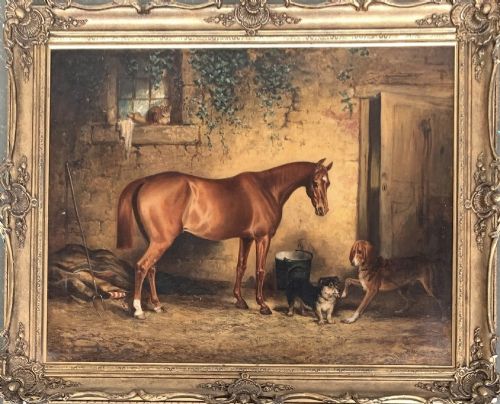
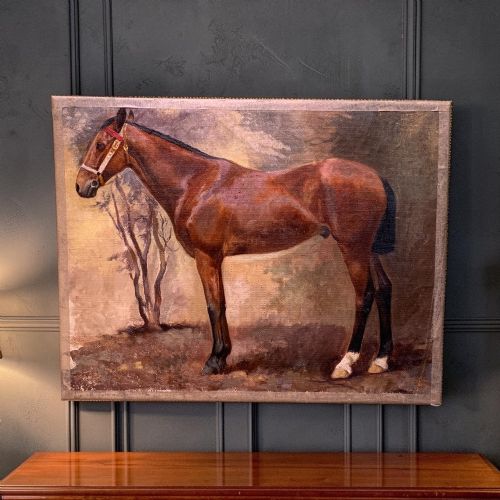
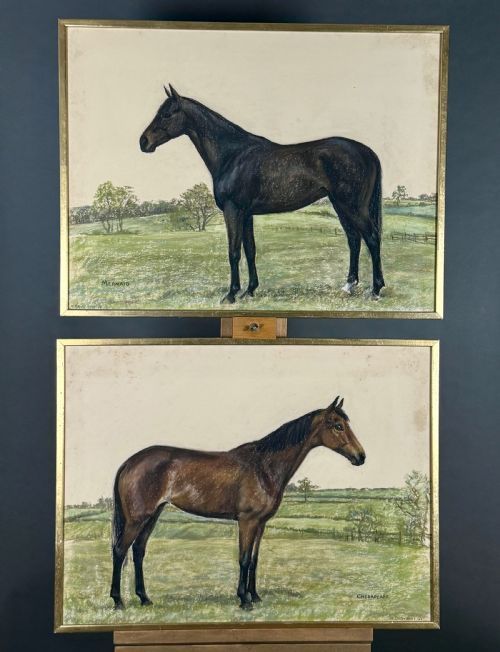
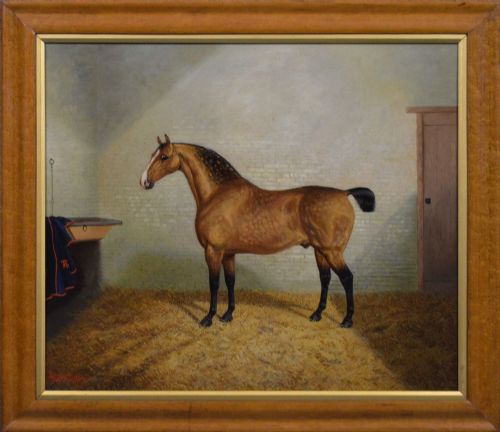
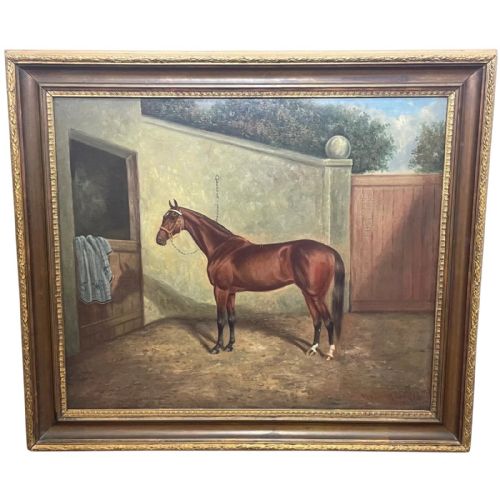
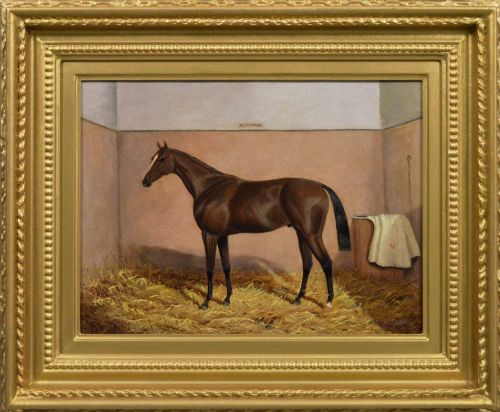
These brown horse artwork pieces capture equine subjects through centuries of portraiture and sporting art.
Brown Horse Artwork
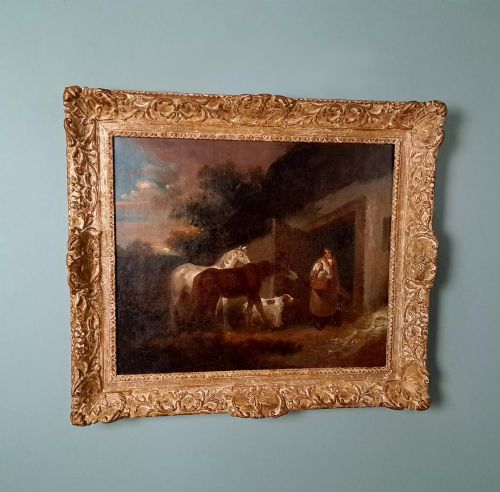
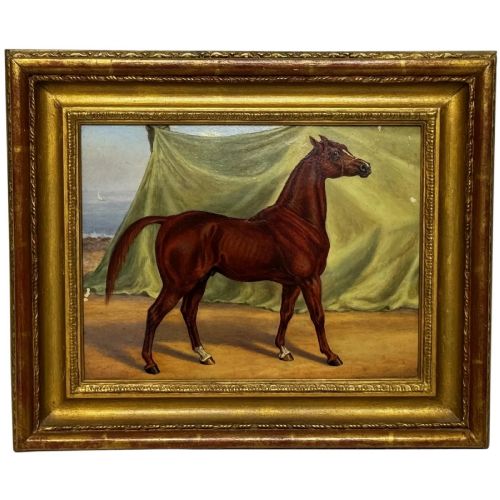
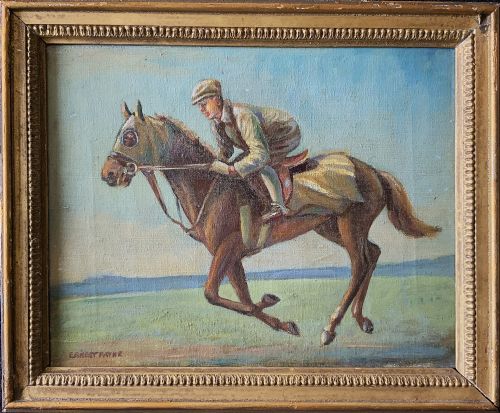
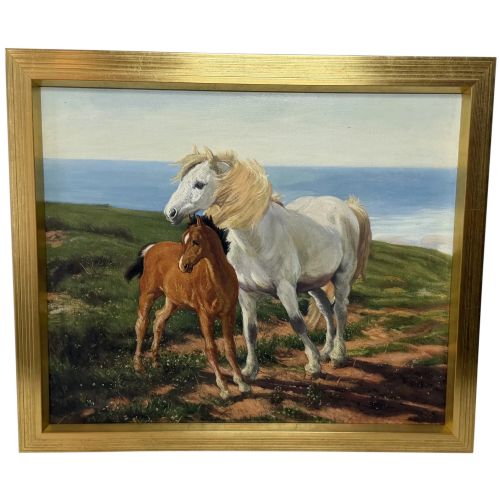
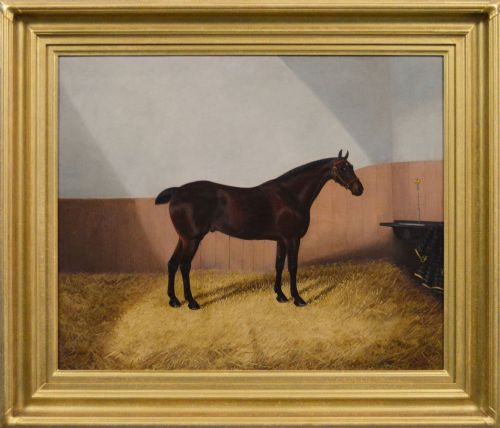
When you search for brown horse artwork, you encounter historical representations of equines ranging from individual portraits of hunters and racehorses to wider equestrian and coaching scenes. These pieces span periods from the eighteenth century through the Victorian era and into the mid-twentieth century.
The selections available here lean heavily toward oil paintings on canvas and panel, alongside watercolours, pastels, and framed drawings. Subjects include named racehorses, stableyard studies, and working animals rendered in styles stretching from British sporting art to mid-century modern interpretations.
How They Were Made
Artists working on these pieces utilised oil paint on canvas or wood panels, building rich textures for coats and landscapes. Others employed watercolour, pastel, or chalk on paper and coloured supports, often finishing the works with gilt or wood framing.
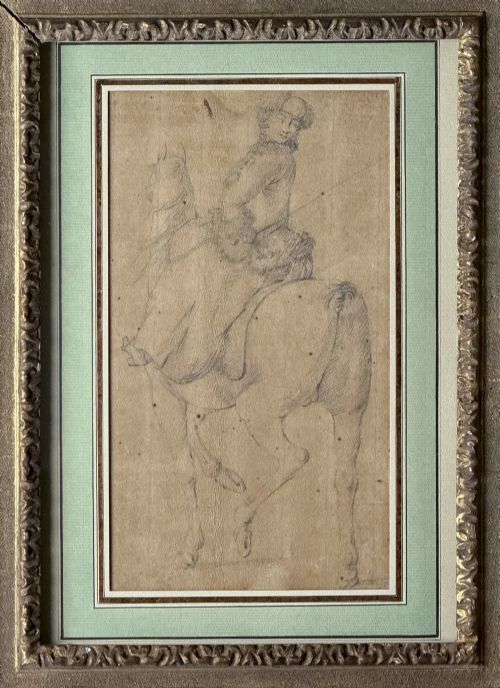
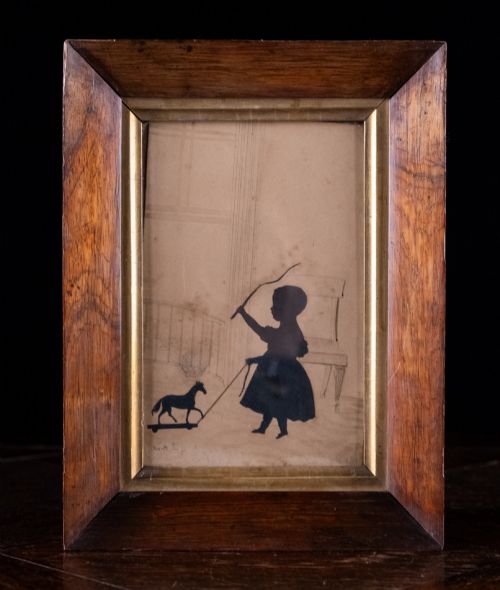
Techniques vary from detailed realist portraiture capturing specific anatomy and markings to looser preparatory oil studies and drawn silhouettes. Support materials range from heavy woven canvas to delicate paper sheets protected beneath glass.
Listings include eighteenth-century drawings, Victorian oil paintings, and mid-century pastel works on paper.
What Varies in Quality
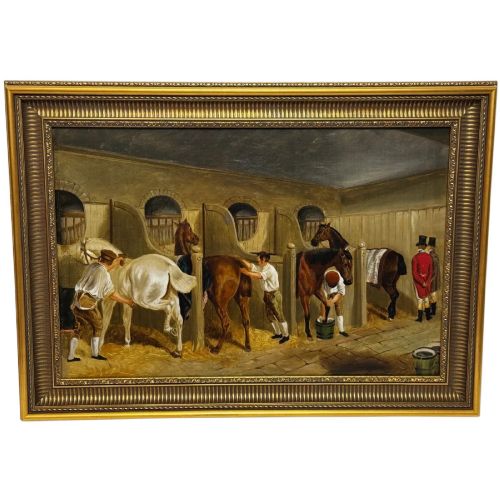
Quality rests upon the artist's command of equine anatomy, movement, and expression, distinguishing stiff renderings from works that capture the true musculature and character of the animal. Master painters integrate the horse naturally into its surroundings, whether a stable interior, river landscape, or racing paddock.
The strength of the composition and the preservation of the original pigment and ground matter further separate standard decorative pieces from accomplished fine art examples. Hand-carved or period-appropriate framing also contributes to the integrity of the surviving object.
Henry Barraud·William Joseph Shayer Senior·Albert Clark·Augustin Edouart·Fred Fitzpatrick·Ernest Payne·John Alfred Wheeler·Edwin Henry Landseer·Herman S Melville·John Ferneley Senior·Alfred Munnings·John Rattenbury Skeaping·Cecil Charles Windsor Aldin·Harry Freckleton·Raimond Louis Lecourt·John Frederick Herring Snr
The Brown Horse Artwork Glossary
- Equestrian
- Pertaining to horses, horse riding, or horse racing. This term defines any artwork dedicated primarily to the depiction of horses.
- Canvas
- A heavy woven fabric used as a surface for oil painting. It is typically stretched over a wooden frame before application.
- Gilt
- Covered thinly with gold leaf or gold paint. This finish frequently appears on antique picture frames.
- Pastel
- A dry drawing medium consisting of powdered pigment and a binder. Pastels produce velvety colour tones on paper supports.
Brown Horse Artwork: Frequently Asked Questions
What periods do these horse artworks cover?
The pieces span from the eighteenth century through the Victorian and Edwardian eras up to the mid-twentieth century. They reflect shifting artistic approaches across these decades.
Earlier items often feature formal sporting compositions, while later twentieth-century examples embrace modernist and impressionistic treatments of equine subjects.
How were these horse portraits displayed originally?
Owners typically hung these artworks in country houses, estate offices, and stable block reception rooms. They celebrated prized bloodstock, hunting companions, and successful racehorses.
Many retain their original gilt or wood frames chosen to complement domestic interiors of the period.
Are all the horses in these artworks named?
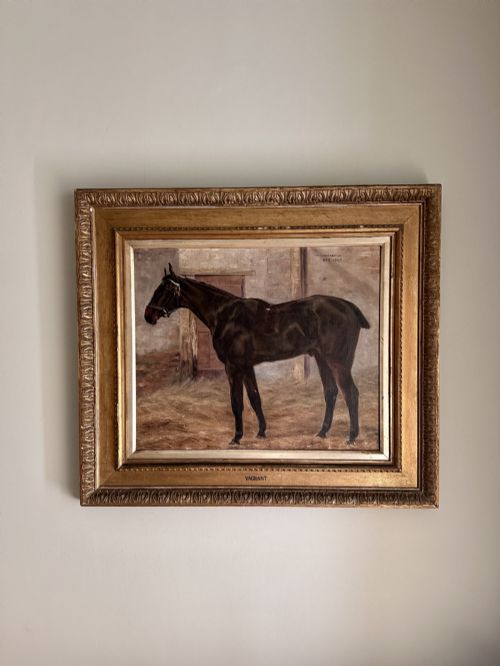
Some pieces record specific named animals, such as derby winners, legendary racehorses, and individual hunters accompanied by descriptive titles. Other works portray anonymous working horses, grey mares, and general equestrian scenes.
Documentation depends on surviving inscriptions, signatures, and historical provenance linked to the specific artist or estate.
What mediums are common in these listings?
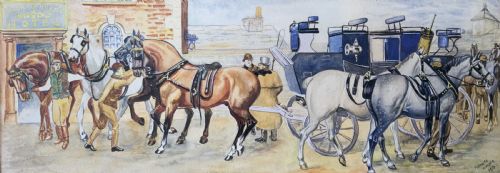
Oil paint on canvas or wood panel forms a significant portion of the available artwork. Watercolour, pastel, chalk, and gouache on paper also appear frequently.
Selected items include framed drawings, prints, and silhouette studies reflecting diverse graphic techniques.