


Victorian Rural Landscape Painting
These Victorian rural landscape painting works capture the quiet rhythms of 19th-century farming life, offering collectors a serene window into historical the British countryside.
Victorian Rural Landscape Painting
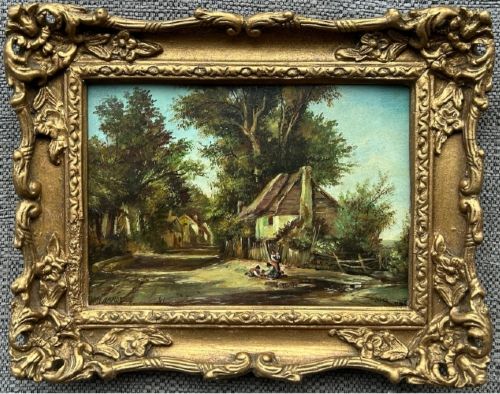
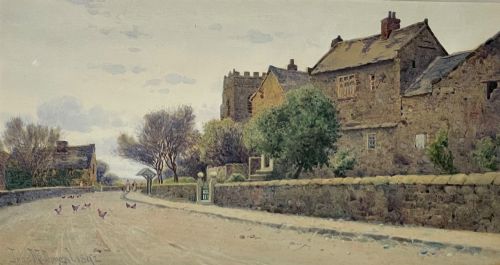
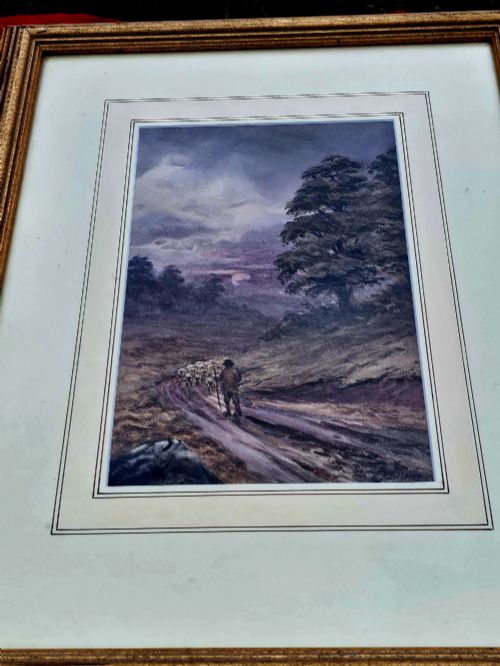
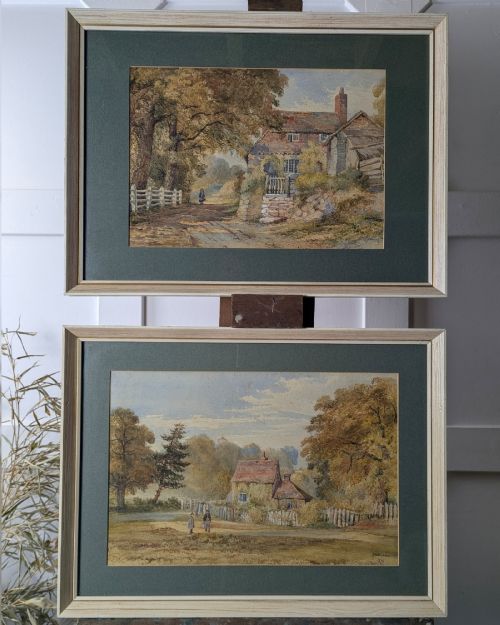
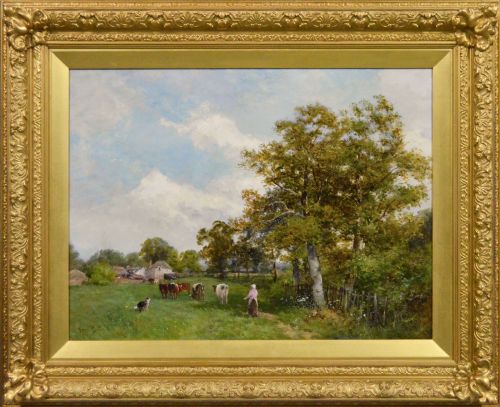
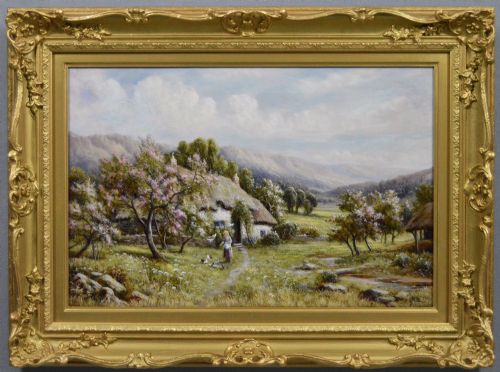
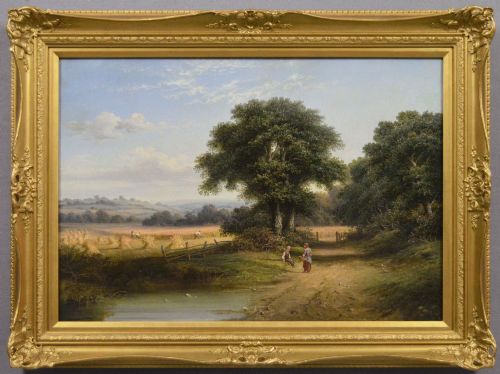
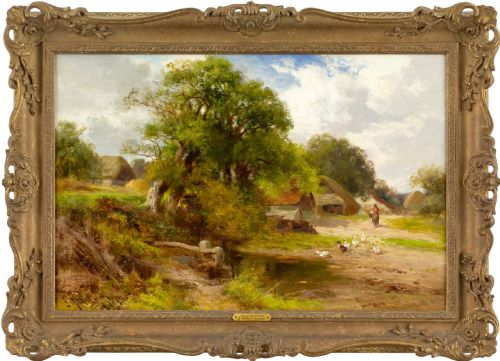
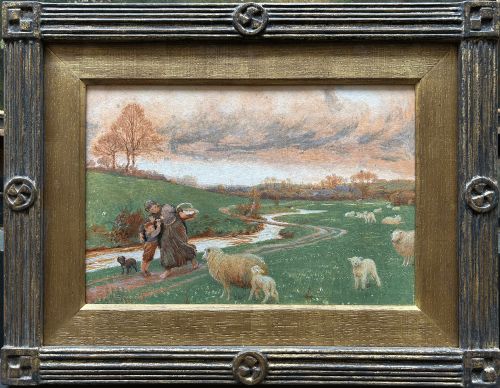
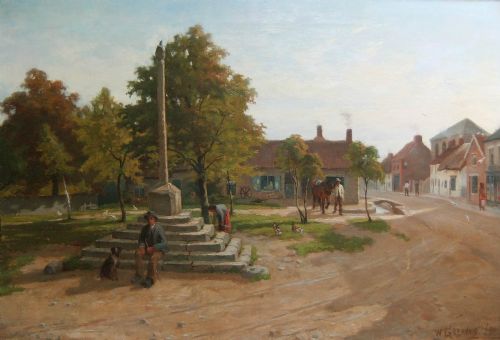
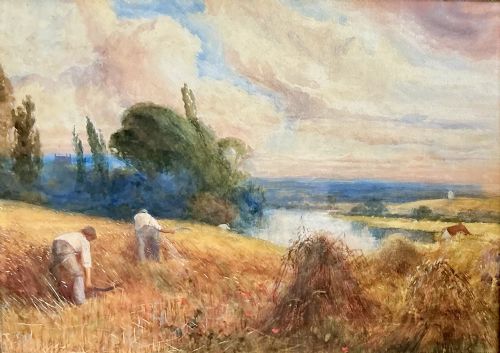
A victorian rural landscape painting depicts the traditional agricultural life of the British countryside, focusing on fields, farmsteads, rivers, and the daily toil of labourers, shepherds, and livestock. These works span the nineteenth and early twentieth centuries, capturing a period when pastoral scenes held immense appeal for contemporary audiences.
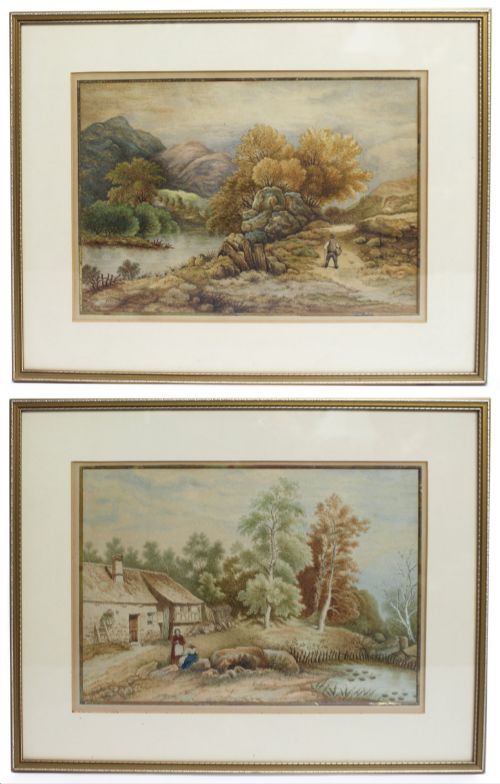
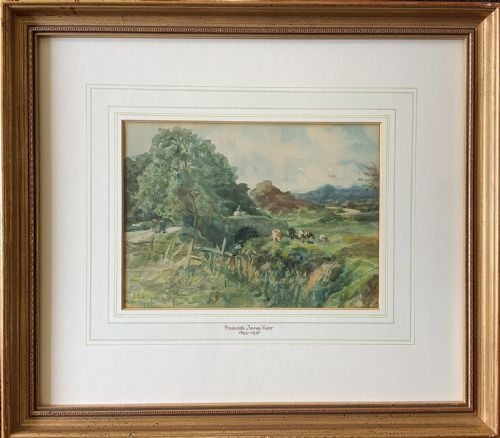
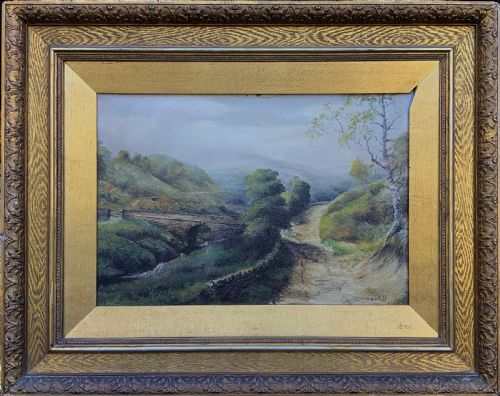
The most common examples encountered in these collections are framed watercolours on paper and oil paintings on canvas or panel. They frequently feature identifiable rural locales across England, Scotland, and Wales, often highlighting seasonal activities such as harvesting, haymaking, and herding.
Makers represented in this genre include both named professional artists of the period and anonymous practitioners associated with the broader British School. Their subjects range from intimate village watercolours to large, detailed oil landscapes framed in ornate giltwood.
How They Were Made
Artists primarily employed oil on canvas, oil on panel, or watercolour on paper, utilising traditional pigments applied with brushes to build up tone and atmosphere. Support materials typically included wooden stretchers for canvases and protective glass layers for delicate paper watercolours.
Framing played an integral role in presentation, with many pieces housed in original or period-appropriate gesso and giltwood frames that complement the painted composition. Board and panel supports occasionally served as a firm base for oil painters working outside the studio on location.
Several sheep make repeated appearances in these fields, occasionally upstaging the human labourers entirely.
What Varies in Quality
The skill of the brushwork and the precision in rendering human figures and livestock distinguish superior compositions from simpler decorative works. Master artists captured natural light, atmospheric depth, and anatomical accuracy with remarkable confidence.
Condition and originality also determine standing within the range, particularly the preservation of the paint surface, the absence of excessive restoration, and the retention of period giltwood framing. Watercolours maintaining their original colour saturation without fading command particular appreciation.
William Howard Hardy·John McDougal·David Bates·Robert John Hammond·Walter Heath Williams·John Horace Hooper·Frederick James Kerr·William Greaves·Miles Birkett Foster·Herman S Melville·Frederick Hines·Johannes de Haas·Sydney Yates Johnson·William Henry Mander·Thomas Sidney Cooper·James William Booth·Henry John Yeend King·William Sydney Cooper·Samuel Joseph Clark·James Orrock·Henry John Boddington·Charles Vickers·Colin H Greenwood·Henry Bailey·John Linnell
The Victorian Rural Landscape Painting Glossary
- Giltwood
- Carved wood treated with a thin layer of gold leaf, commonly used for traditional picture frames during the nineteenth century. It adds a warm metallic border that enhances the tones of the artwork within.
- Watercolour
- A painting method where fine pigment is suspended in a water-based solution, typically applied to absorbent paper. It allows for translucent washes of colour that evoke gentle atmospheric effects.
- Gesso
- A plaster-like mixture applied to wooden frames or panels to prepare the surface for gilding or painting. It provides a smooth base that can be moulded into intricate decorative reliefs.
- Panel
- A flat piece of wood used as a rigid support for oil paintings instead of woven canvas. Artists favoured panels for their stability and smooth working surface.
- Barbizon Influence
- An artistic approach derived from the French Barbizon school, prioritising direct observation of nature, muted earth tones, and moody atmospheric realism. British painters frequently adopted these ideals for rural scenery.
Victorian Rural Landscape Painting: Frequently Asked Questions
What subjects appear in these paintings?
These works primarily depict agricultural scenes, including harvesting grain, tending livestock, and figures outside rural cottages or near rivers. Painters frequently documented working farmyards, sheep grazing on hillsides, and traditional shire horses at rest.
Such imagery reflects the strong Victorian fascination with pastoral life and the preservation of rural traditions amidst rapid industrialisation.
How should I care for a watercolour painting?
Watercolours require careful protection from direct sunlight, which causes fading in sensitive nineteenth-century pigments. Keeping them behind glass in stable indoor humidity prevents paper degradation.
Avoid hanging these delicate works in damp environments or rooms subject to severe temperature fluctuations to preserve the paper and original framing.
How do I identify the period of a painting?
Dating relies on stylistic clues, clothing styles of depicted figures, framing materials, and artist signatures recorded in historical records. Many nineteenth-century works include inscriptions on the reverse or contemporary framing details.
Examining the canvas weave, panel preparation, and stretcher construction also helps confirm whether a piece belongs to the Victorian era.
Where were these scenes typically painted?
Artists travelled across the British countryside to capture authentic rural views in regions such as Yorkshire, Kent, Sussex, and Wales. Many painters worked plein air to record the specific light and topography of local farmland.
Specific villages and rivers are frequently noted in titles or inscriptions on the reverse of the canvas or paper.