


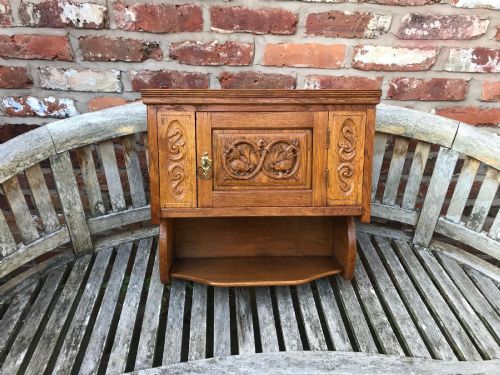
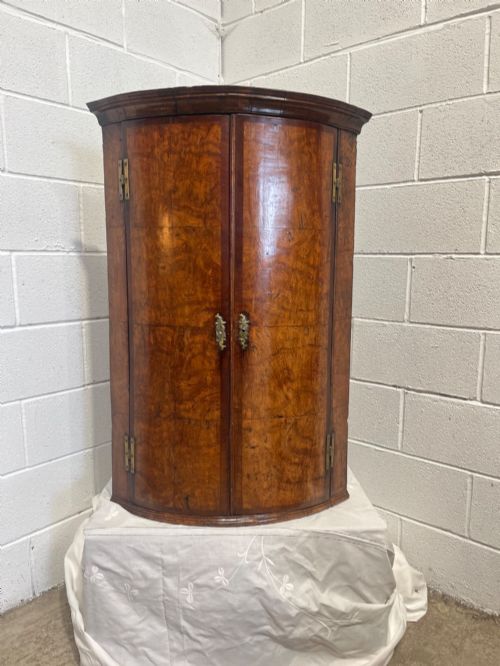
Brown Hanging Cupboard
A brown hanging cupboard brings warmth and practical wall storage to a room, spanning periods from the seventeenth century onwards.
Brown Hanging Cupboard
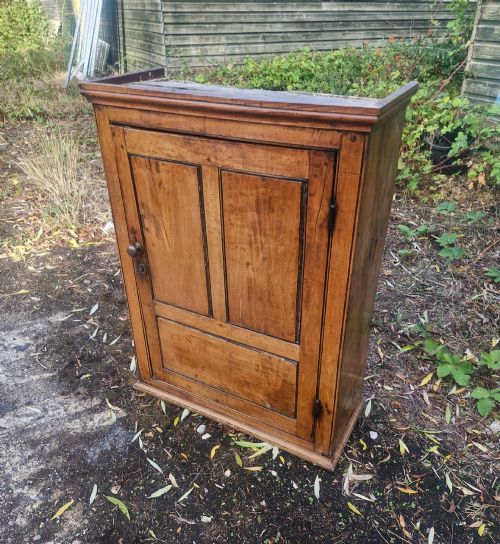
A brown hanging cupboard serves to store items securely on a wall while bringing timber warmth to a interior. When searching for a brown hanging cupboard, buyers encounter various forms designed to utilise vertical space, most commonly corner cupboards and wall cabinets.
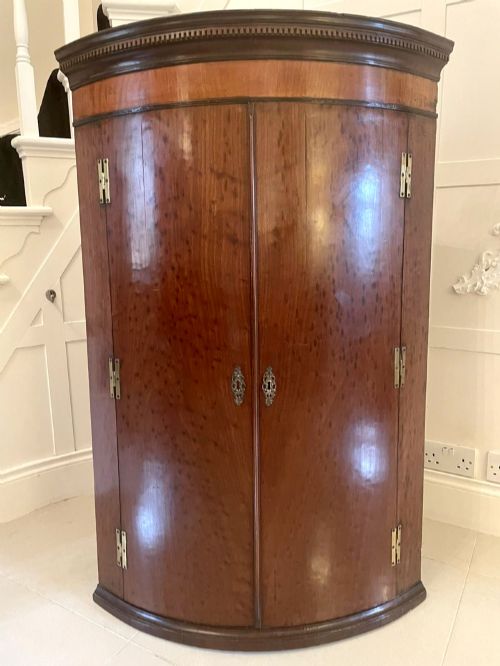
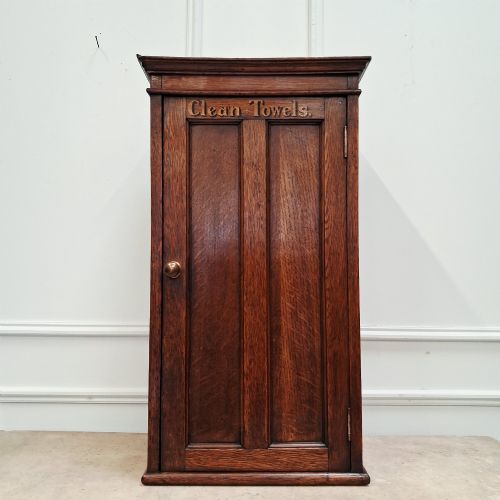
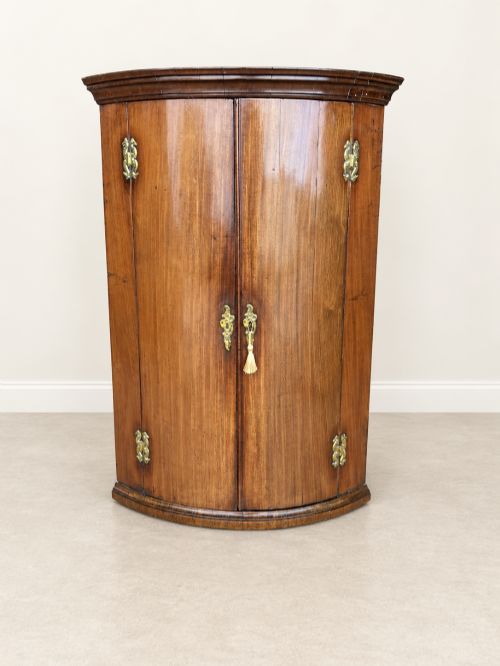
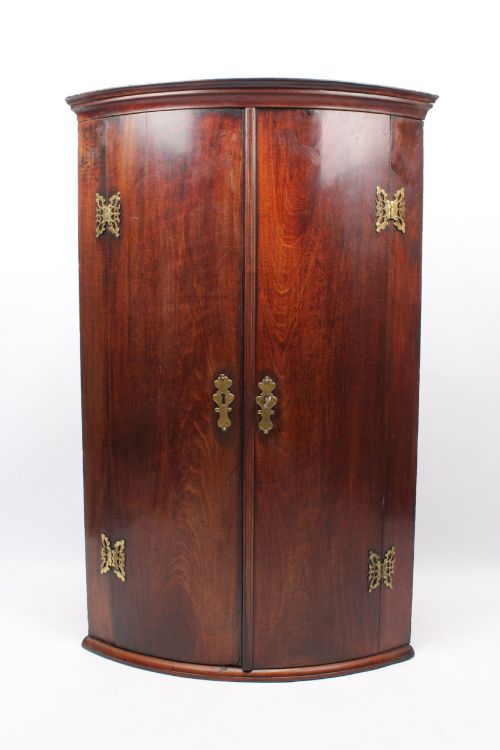
The selections span significant periods including the eighteenth century, Georgian era, and the Victorian period. Pieces range from small oak spice cupboards to bow front corner cabinets in mahogany.
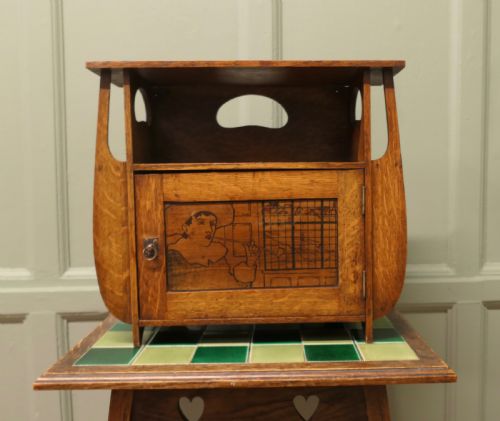
Origins vary across English, French, and Dutch traditions, showing styles from George III designs through to Arts and Crafts and Art Nouveau interpretations. Oak and mahogany dominate the structural forms seen across these categories.
How they were made
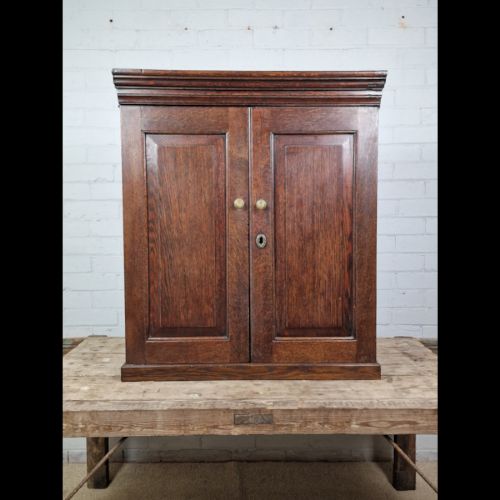
Makers utilised solid timbers such as oak, mahogany, walnut, and fruitwood, often selecting quarter-sawn oak or plum pudding mahogany for visible front surfaces. Construction relied on traditional joinery methods appropriate to wall mounting and weight support.
Surface embellishments included hand carving, marquetry inlay in satinwood or other contrasting woods, and glass panel installation for glazed doors. Brass hardware such as hinges and key escutcheons provided functional closure.
Listings feature oak, mahogany, walnut, and fruitwood spanning the seventeenth to the twentieth centuries.
What varies in quality
The degree of refinement in timber selection and cabinetmaking skill differentiates examples across the range. Superior pieces display carefully matched grain patterns, intricate carved detail, and well-executed curved bow fronts.
Integrity of original brass fittings, glass panels, and structural joinery influences the character of each cabinet. The depth of patination on surfaces reflects age and usage history.
The Brown Hanging Cupboard Glossary
- Bow front
- A convex curved cabinet front that projects outward from the corners, frequently seen on Georgian corner cupboards. This shape required specialised joinery to curve the timber and doors accurately.
- Spice cupboard
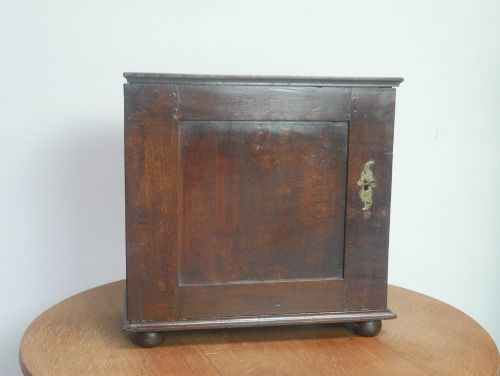
- A small wall-mounted cabinet traditionally fitted with internal drawers for storing culinary spices and herbs. These compact pieces date frequently to the seventeenth and eighteenth centuries.
- Marquetry
- Decorative veneer work forming pictorial or geometric patterns using various coloured woods. Dutch wall cabinets frequently employ this technique on exterior surfaces.
- Corner cabinet
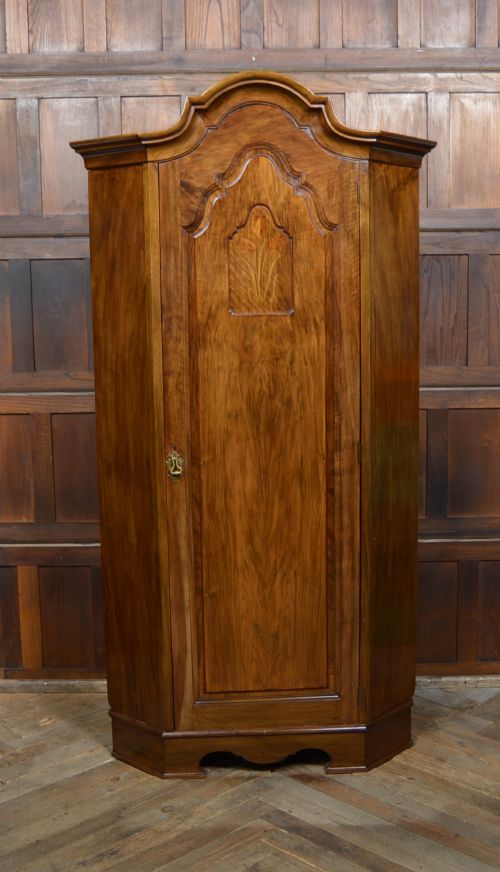
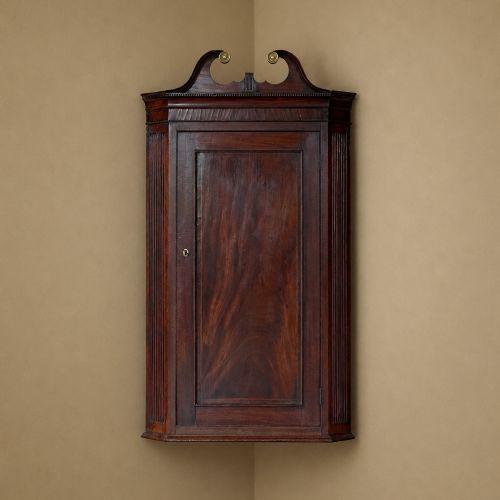
- A storage piece specifically constructed to fit into the ninety-degree angle of a room. These utilise otherwise wasted corner space efficiently.
- Panetiere
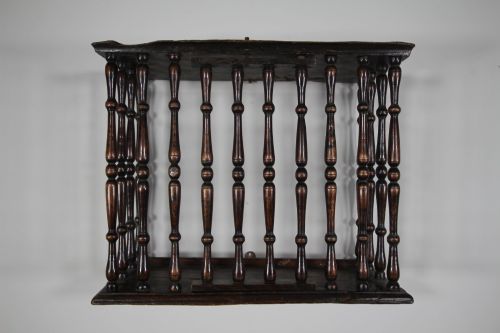
- A French wooden bread cage or wall-mounted food cupboard featuring turned spindles for ventilation. These pieces protected loaves from household pests.
Brown Hanging Cupboard: Frequently Asked Questions
Where should I hang a corner cupboard?
A corner cupboard mounts securely into the intersecting walls of a room, transforming an empty corner into practical storage space. They work effectively in dining rooms or hallways where floor space remains limited.
Ensure the wall structure can support the weight of the timber cabinet, particularly for denser woods like oak and mahogany. Fixings should anchor into wall studs or use appropriate heavy-duty wall plugs.
How do I clean a wooden wall cabinet?
Dust the exterior timber regularly with a soft, dry cloth to prevent dirt accumulation. Avoid harsh chemical cleaners that strip the historic finish or patination.
Apply a traditional beeswax polish sparingly when the wood appears dry, buffing it gently to maintain a soft sheen. Keep the cabinet away from direct heat sources and strong sunlight to prevent timber warping.
How do I identify a Georgian wall cabinet?
Georgian wall cabinets typically feature timbers such as mahogany or oak, often incorporating architectural details like broken pediments or dentil moulding. Proportions follow classical design rules established during the eighteenth century.
Look for hand-cut dovetail joints on drawers and original brass H-hinges or escutcheons. Bow front variations became particularly popular during the late eighteenth and early nineteenth centuries.