



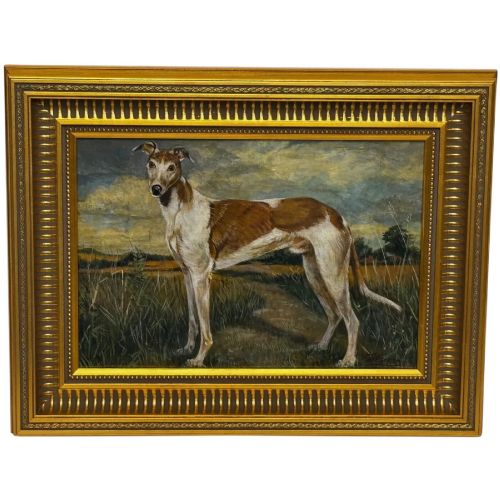
Brown Gilt Framed Artwork
Brown gilt framed artwork brings together historic paintings and works on paper housed in luminous metallic surrounds.
Brown Gilt Framed Artwork
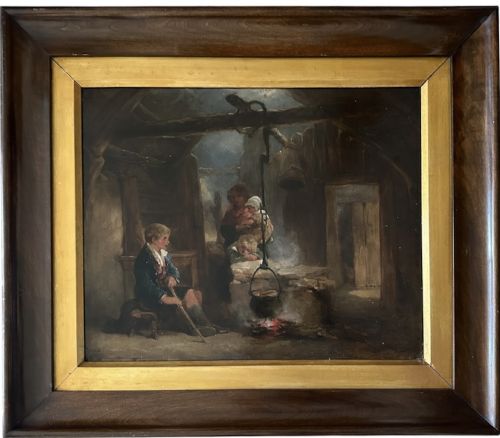
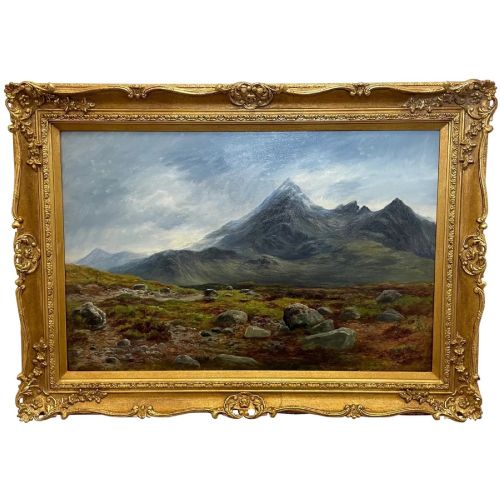
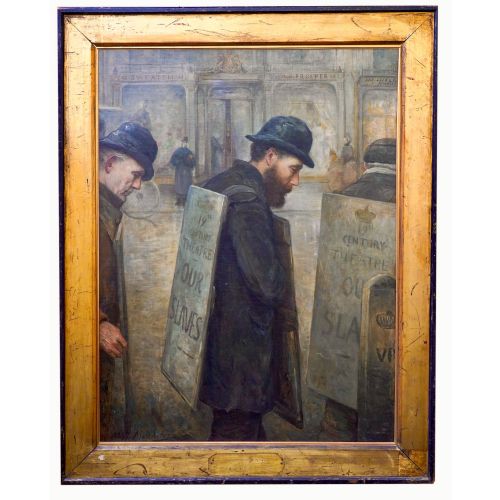
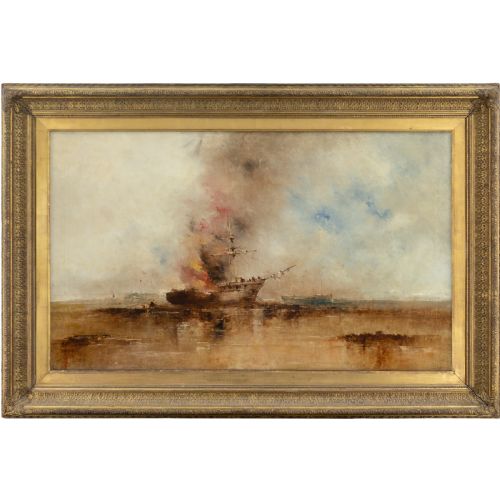
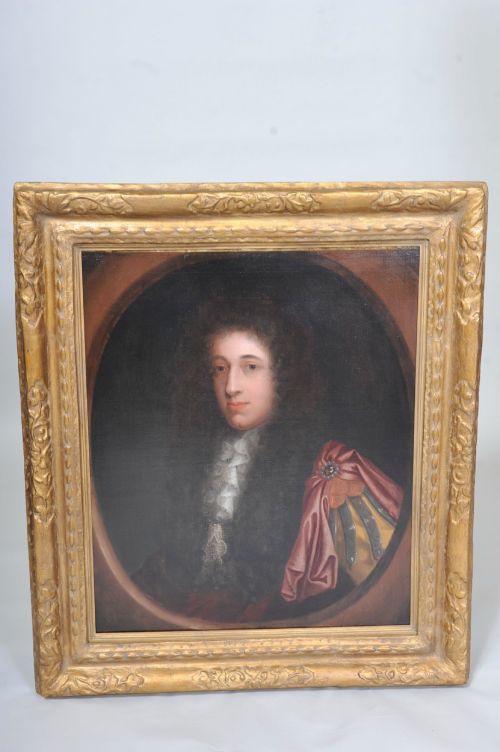
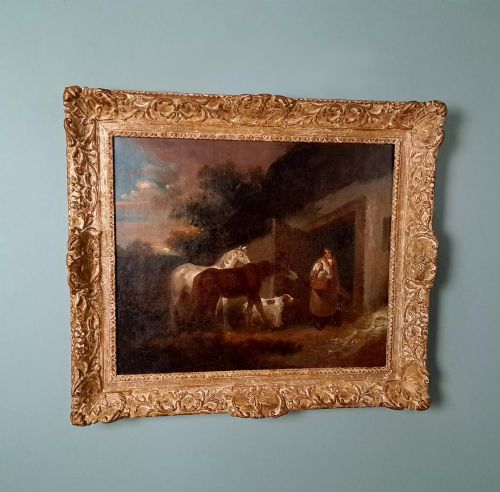
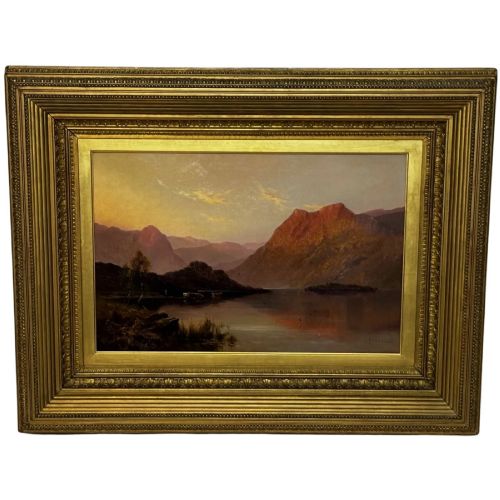
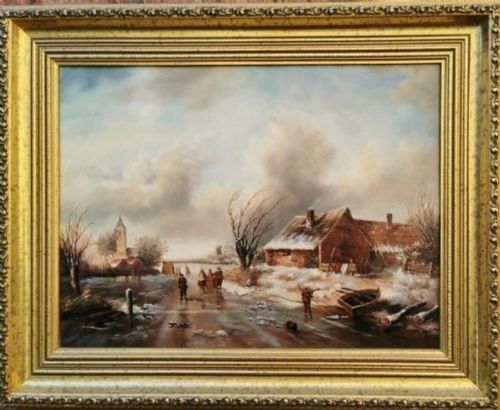
When searching for brown gilt framed artwork, collectors encounter a diverse selection of paintings, watercolours, pastels, and needleworks spanning from the seventeenth century to the twentieth century. These pieces encompass landscapes, maritime scenes, equine studies, portraits, and genre subjects created by various British, French, and Dutch schools.
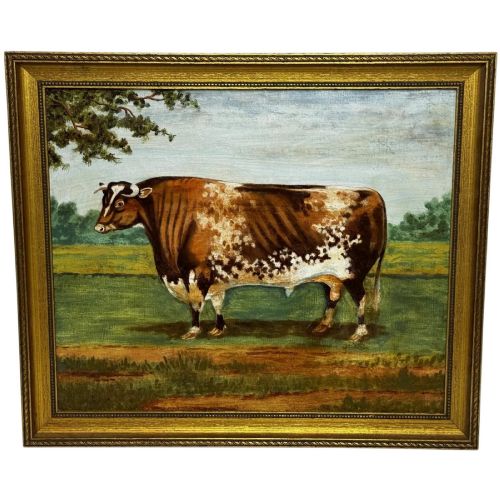
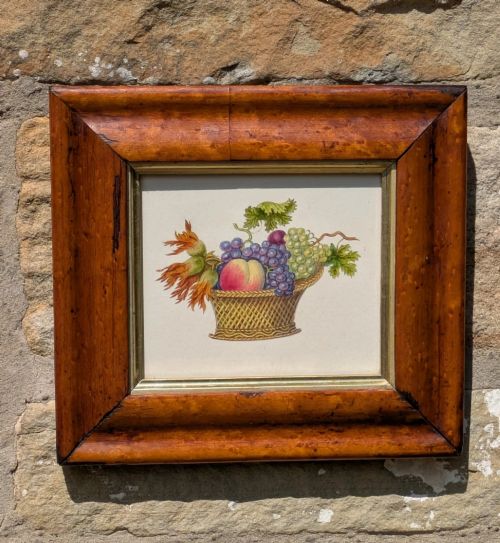
The objects on this page predominantly feature wooden supports treated with metallic leaf or paint, framing canvases and paper works originating from periods including the Victorian era, the Georgian period, and the Edwardian age. Buyers frequently find works ranging from intimate watercolours of fruit to monumental oil paintings of historical and sporting subjects.
The physical presentation combines dark wooden elements, such as burr maple, with bright or muted gilt finishes designed to catch and reflect light across the surface of the artwork.
Materials and construction
The artworks themselves utilise oil on canvas, watercolour on paper, pastel, and occasionally textile needlework, executed with traditional pigments and binders. Canvases are stretched over wooden frames, whilst works on paper are protected behind glass.
The surrounds are constructed from solid wood or composite mouldings, finished with layers of gilt or gold leaf applied over preparatory grounds. Some examples incorporate natural wood grains left visible alongside gilded ornamentation.
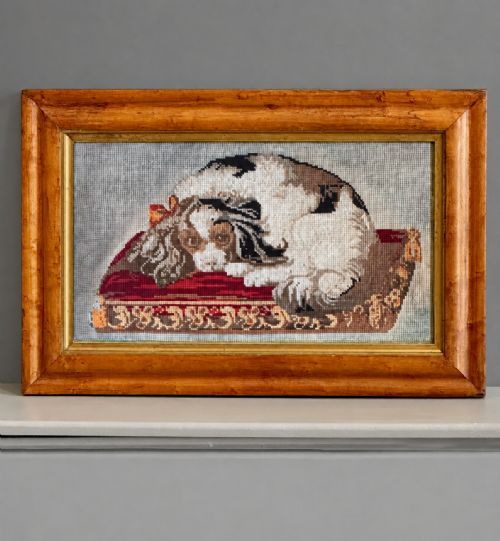
King Charles Spaniels stare out from needlework made of wool and gilt maple.
Factors of quality
The distinction between tiers of work rests upon the skill of the draughtsmanship, the handling of light and pigment, and the anatomical or spatial accuracy achieved by the hand. Masterful brushwork and nuanced colour harmony elevate a piece far above rigid or formulaic studio production.
The relationship between the picture and its surround also dictates merit, with period-matching frames that complement the depth and tone of the composition indicating superior original pairing rather than later assembly.
William Beattie Brown·Felix Stone Moscheles·Jeremiah Davison·William Joseph Shayer·Alfred Fontville de Breanski·Samuel De Wilde·Albert Clark·Howard Helmick·Thomas Creswick·Guillaume Courtois·David Teniers·Henry Barraud·Fred Fitzpatrick·John Moore
The Brown Gilt Framed Artwork Glossary
- Giltwood
- Wood carved and coated with gold leaf or metallic powder. This finish provides a reflective border that enhances the colours within the painting.
- Oil on Canvas
- Pigment mixed with drying oils applied to a stretched woven fabric support. This technique allows for rich colour blending and textured brushwork.
- Watercolour
- Paint consisting of water-soluble pigments applied to paper. It creates luminous, translucent washes often utilised for landscapes and botanical studies.
- Genre Painting
- Artwork depicting scenes from everyday life involving ordinary people. These subjects range from tavern interiors to bustling harbour views.
- School
- A group of artists sharing a similar style, period, or geographical origin. Examples include the Dutch School and the British School.
Brown Gilt Framed Artwork: Frequently Asked Questions
What periods do these artworks cover?
The selection spans multiple centuries, beginning with seventeenth-century portraits and extending through eighteenth-century works, Victorian and Edwardian pieces, up to mid-twentieth-century examples.
Buyers will find styles shifting from Baroque and Dutch traditions through to nineteenth-century realism and early twentieth-century impressions.
How should I care for gilt frames?
Gilt surfaces require gentle dusting with a soft, dry brush to prevent accumulation without disturbing the delicate metallic leaf.
Avoid liquid cleaners and direct sunlight, which can discolour the finish and dry out the underlying wood.
Are all the frames original to the pieces?
Many items retain their period surrounds, such as burr maple or traditional moulded giltwood contemporary to the creation of the artwork.
Over the centuries, some pieces have been paired with complementary historic frames that match the aesthetic of the period.
What subjects are most common?
Equine studies, portraits of gentlemen and animals, and landscape scenes dominate the available selection of paintings and works on paper.
Maritime views, floral still lifes, and narrative genre scenes also appear frequently across the different centuries.