


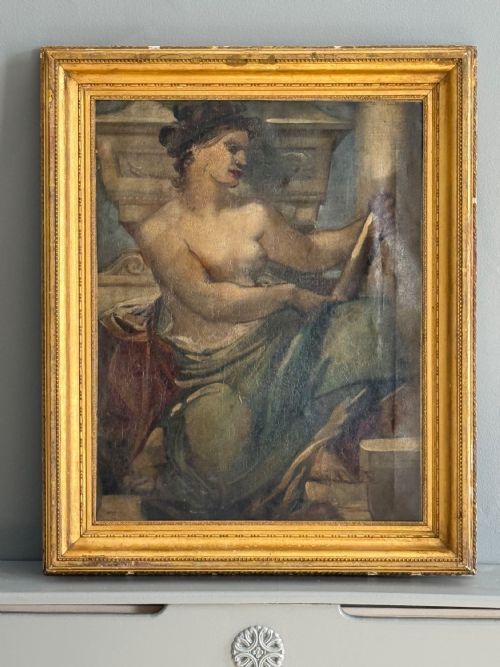
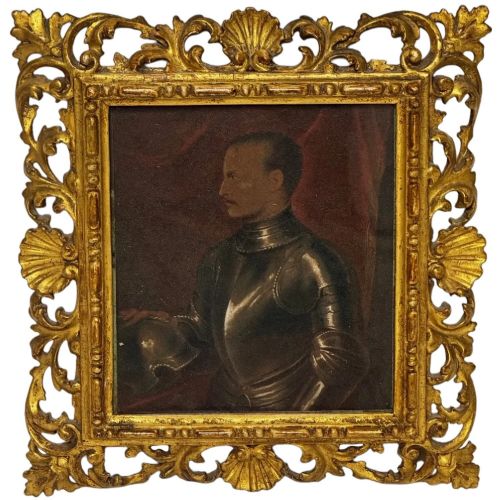

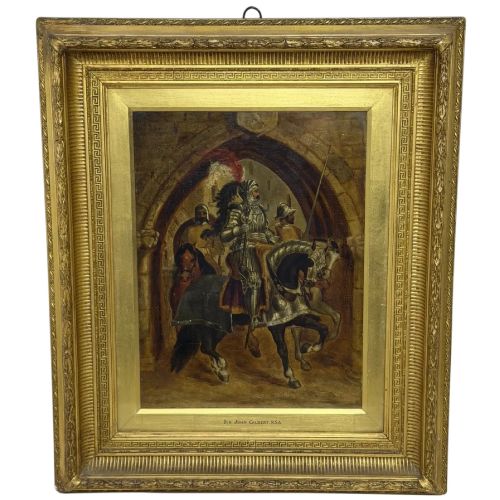
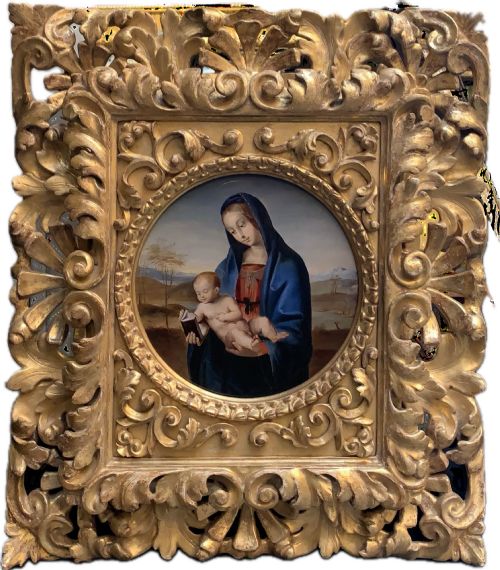


Renaissance Style Oil Painting
These renaissance style oil painting works capture the gravitas of past centuries, offering buyers rich portraiture and religious iconography rooted in historical reverence.
Renaissance Style Oil Painting
A renaissance style oil painting encompasses works produced across various periods, ranging from the sixteenth century to later revivals, depicting historical figures, religious scenes, and classical portraits. Buyers searching this phrase typically encounter pieces that emulate or follow master compositions, frequently created by followers or later schools.
The selections span sixteenth-century originals and circle pieces alongside nineteenth-century revivals and twentieth-century interpretations. Portraits of noble sitters, Madonna and child compositions, and historical genre scenes dominate the offerings on this page.
Italian and Tudor influences shape the majority of the works, reflecting deep engagement with high renaissance aesthetics. These pieces serve as a direct bridge to historical portraiture traditions, utilising oil on canvas and wood supports.
Materials and Techniques
Artists utilise oil paint applied to canvas or wood panels, building rich layers of colour and shadow to achieve depth. This traditional medium allows for subtle tonal gradations characteristic of the period and its revivals.
Frames play an integral structural and aesthetic role, with carved giltwood and gesso ornamentation frequently housing the canvases. Gold leaf details accentuate the historical character of the framing alongside the primary oil medium.
Listings span from the sixteenth century through to the twentieth century, featuring oil on canvas and giltwood materials.
Assessing Quality
Quality rests upon the fidelity of the brushwork and the depth of the composition, distinguishing accomplished followers from routine decorative copies. The handling of light, drapery, and facial expression reveals the competence of the painter.
The integration of the artwork with its original or period-appropriate carved giltwood frame influences the overall cohesion of the piece. Superior examples demonstrate confident draughtsmanship and sophisticated pigment layering that honour the referenced master.
Sir John Gilbert RA·Alfred Holst Tourrier·John Bettes the Elder·Gian Paolo Pace·Bernardino Luini
The Renaissance Style Oil Painting Glossary
- Oil on Canvas
- Pigments bound in a drying oil medium applied to a stretched cloth support. This technique provides flexibility and allows for nuanced blending.
- Giltwood
- Wood that has been coated with gold leaf or gold paint. It frequently appears on ornate frames accompanying historical portraits.
- Gesso
- A paint mixture consisting of a neutral binder mixed with chalk, gypsum, or pigment. It prepares wooden panels and frames for gilding and painting.
- Circle of
- A designation indicating the work was produced by an unidentified artist closely associated with a master's studio. It denotes proximity in style and time rather than direct authorship.
Renaissance Style Oil Painting: Frequently Asked Questions
What is a renaissance style oil painting?
These works are paintings executed in the aesthetic traditions of the fifteenth and sixteenth centuries, whether created during those eras or as later revival pieces.
They frequently replicate or draw inspiration from famous compositions by established masters, focusing on religious subjects and formal portraiture.
How were these paintings displayed?
Historically, such artworks hung within domestic interiors, institutional spaces, or galleries to signal cultural literacy and historical appreciation.
They were typically housed within heavy carved giltwood frames designed to complement the grandeur of the painted subject.
How do I live with one?
Placing these paintings in rooms with stable humidity and away from direct sunlight protects the oil medium and canvas from degradation.
Pairing them with traditional interiors or using them as a focal point in a contemporary room creates a striking historical contrast.
How do I tell periods apart?
Examining the canvas preparation, stretcher construction, and framing techniques helps differentiate sixteenth-century works from nineteenth-century revivals.
Stylistic cues in the clothing of the sitters and the handling of the paint layers also offer clear chronological markers.