




Brown Fretwork Mirror
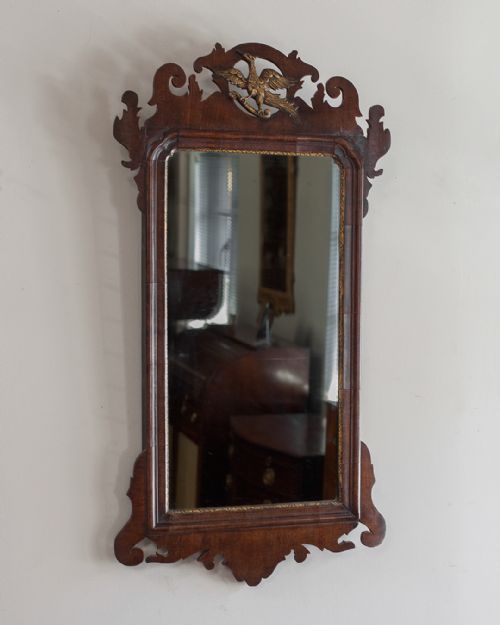
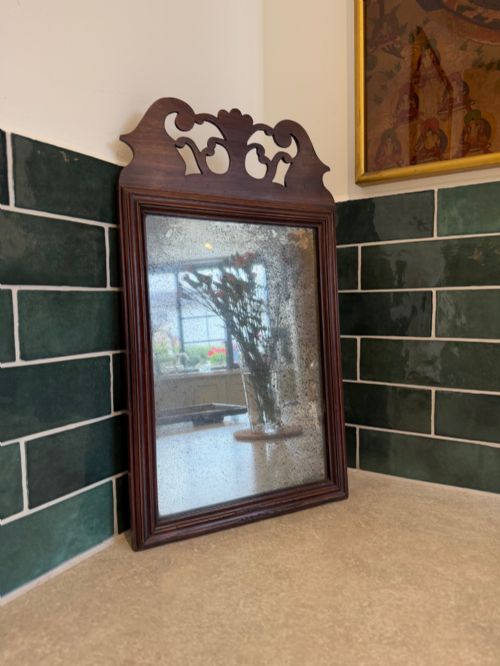
These brown fretwork mirror examples combine pierced wooden frames with historic timber figures, bringing distinct period character to any interior.
Brown Fretwork Mirror
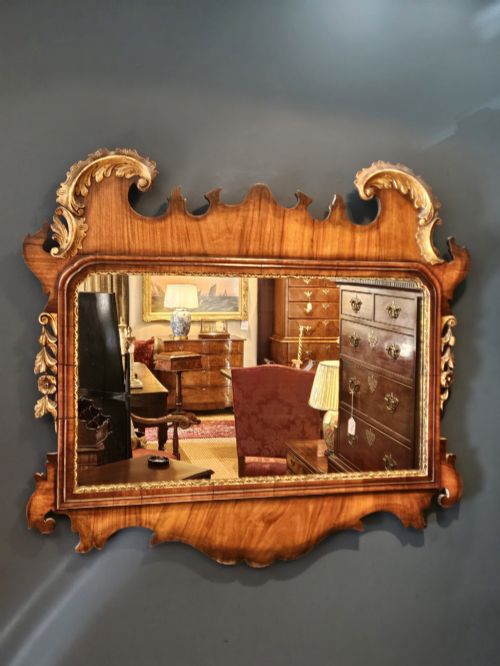
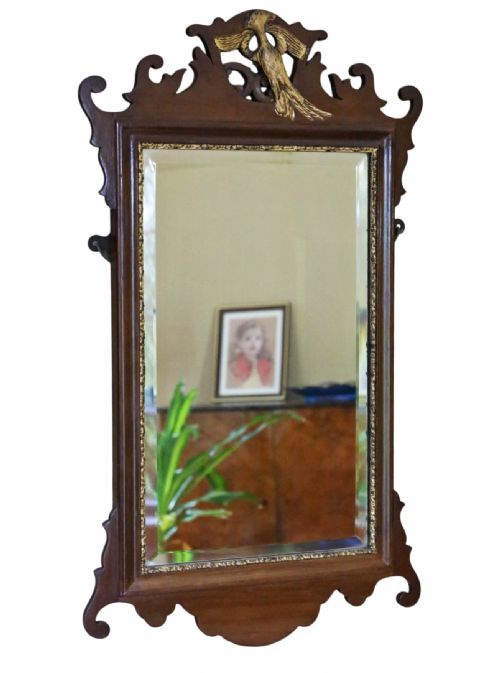
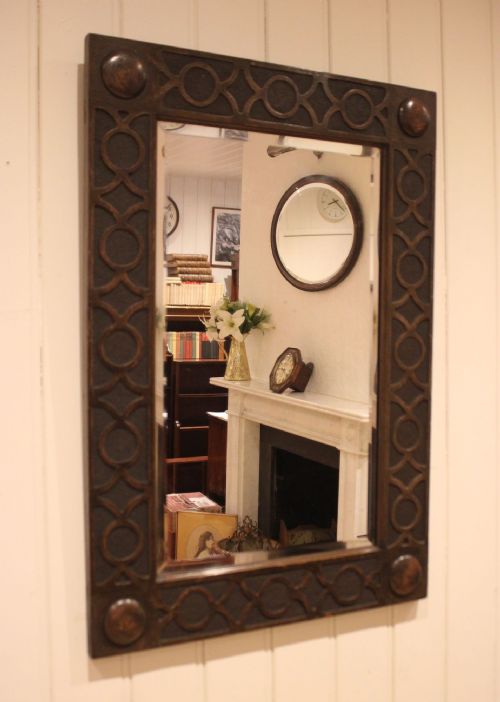
When you search for a brown fretwork mirror, you encounter wall-hanging glass plates framed by pierced woodwork in rich timbers. The selections span centuries of cabinetmaking, featuring Georgian origins alongside later revivals.
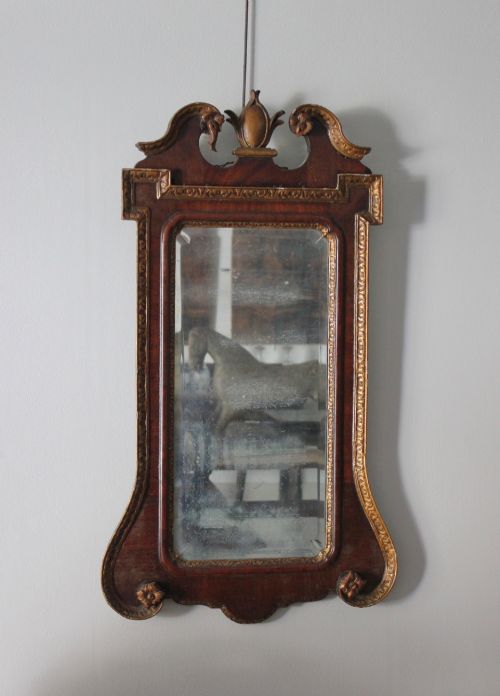
The most common examples on this page are walnut and mahogany pieces from the eighteenth century or the subsequent Georgian and Chippendale revivals. These wall mirrors often incorporate gilt slips or parcel gilt details to accent the scrolled outline.
Alongside standard wall mirrors, the selection includes smaller toilet mirrors and related hanging formats designed for bedrooms and reception rooms. The pierced fret-cut silhouette remains the defining trait across the various periods represented.
How they were made
Cabinetmakers constructed these frames using dense hardwoods like mahogany and walnut, frequently selecting figured timber veneers such as burr walnut. The distinctive pierced borders were achieved through careful fret-cutting along marked outlines on the timber boards.
Many frames received additional decorative elements, including carved parcel gilt highlights, applied gilding on internal slips, or contrasting marquetry inlay. Glass plates were typically set into the rebated back of the frame, occasionally retaining historic mirror glass.
Some mirrors travelled from regional workshops in Wales alongside pieces created in bustling English cabinetmaking hubs.
What varies in quality
Quality in a brown fretwork mirror rests upon the crispness of the pierced scrollwork and the selection of the timber grain. Finer examples display deeply cut, symmetrical frets that maintain structural integrity without clumsy repairs to the delicate ears and scrolls.
The handling of surface finishes and gilding further separates standard production from superior pieces. Original gilt details and untouched timber patination indicate a higher tier of historic craftsmanship.
The Brown Fretwork Mirror Glossary
- Fretwork
- Pierced decorative woodwork created by cutting patterns through thin boards. This technique defines the silhouette of the frame.
- Parcel Gilt
- Partial gilding applied to specific carved details or edges of a wooden object. It provides contrast against the dark brown timber.
- Gilt Slip
- A narrow gilded moulding fitted directly inside the main wooden frame next to the mirror glass. It reflects light onto the inner margin of the mirror.
- Vauxhall Mirror
- An antique mirror plate distinguished by a bevelled edge following the contour of the frame. These plates often show age through light oxidation.
Brown Fretwork Mirror: Frequently Asked Questions
How do I hang a heavy fretwork mirror?
These wooden frames require secure wall fixings suited to the weight of the timber and glass. Utilising appropriate brackets or concealed wall hooks ensures the piece hangs safely.
Position the mirror at eye level where the fret-cut details and timber grain catch adequate light. Avoid damp walls that might affect the historic wood and silvered glass.
Are these mirrors made from solid wood?
Makers constructed the primary frames from solid hardwoods like mahogany and walnut, while certain surfaces utilised decorative veneers over secondary timbers. Burr walnut examples particularly rely on sliced veneers to display complex grain patterns.
Examining the edges and reverse of the frame reveals the timber construction methods employed by the cabinetmaker. Original pine or oak backing boards frequently secure the glass within the rebate.
How do I clean an antique mirror?
Maintain the timber frame by dusting gently with a dry, soft cloth without applying modern chemical polishes. Preserving the original patina requires minimal intervention on both the wood and the historic finish.
Clean the glass plate sparingly using a cloth slightly dampened with water or mild glass cleaner, taking care not to let liquid seep behind the frame edge. Avoid harsh scrubbing that could damage aged silvering or delicate gilt slips.
How do I date an old mirror?
Dating relies on examining the timber species, construction joinery, and the characteristics of the glass plate. Eighteenth-century pieces typically exhibit hand-cut fretwork and older pine backing secured with original fixings.
Revival pieces from later periods often show machine-sawn precision in the fret-cut scrolls or modern backing screws. Comparing the style to documented Georgian or Chippendale forms helps clarify the era of manufacture.