


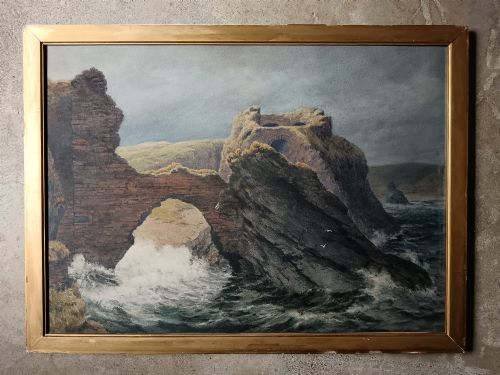


Brown Framed Coastal Artwork
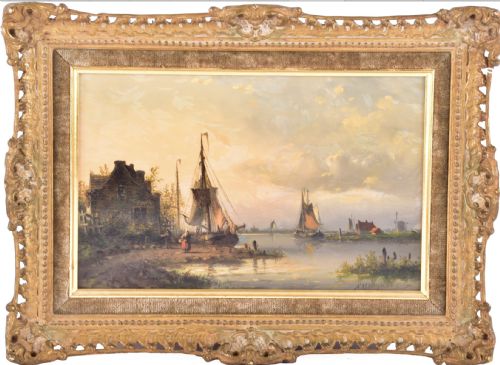
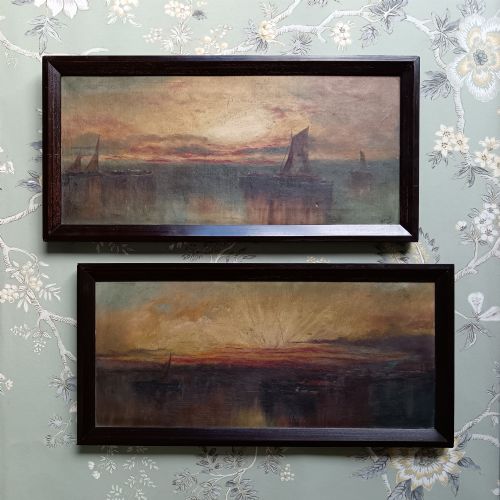
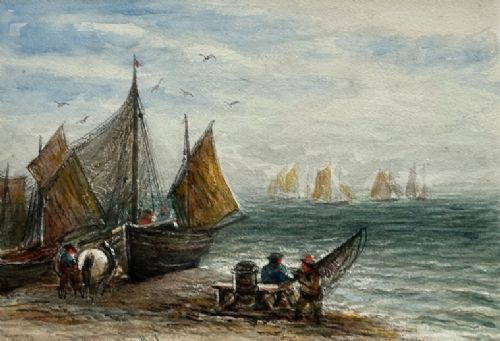
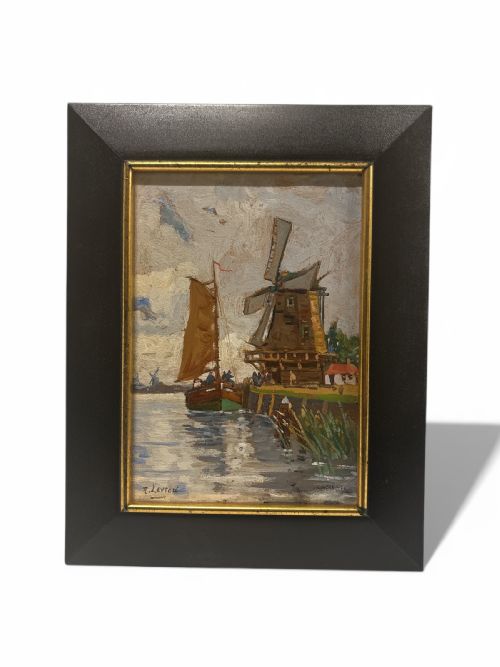
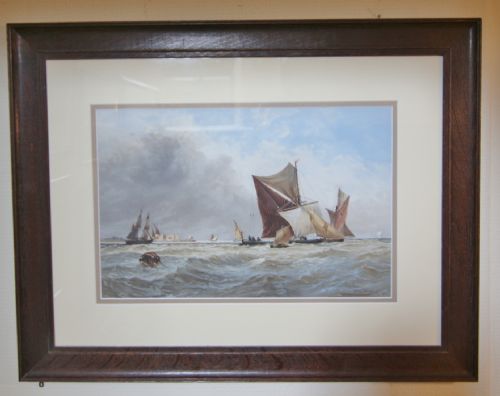
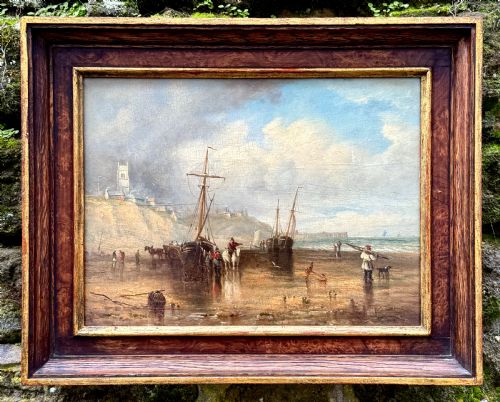
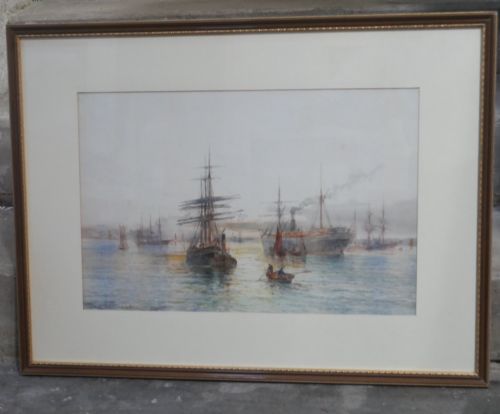
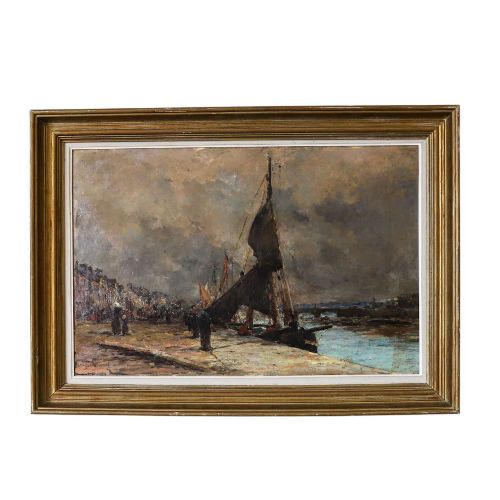
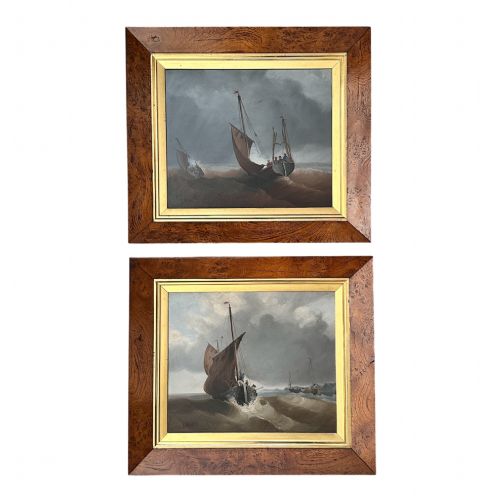
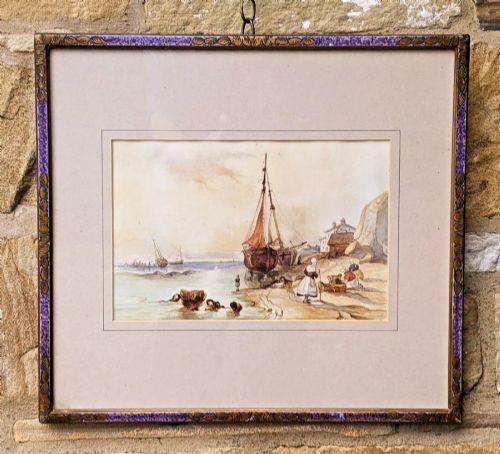
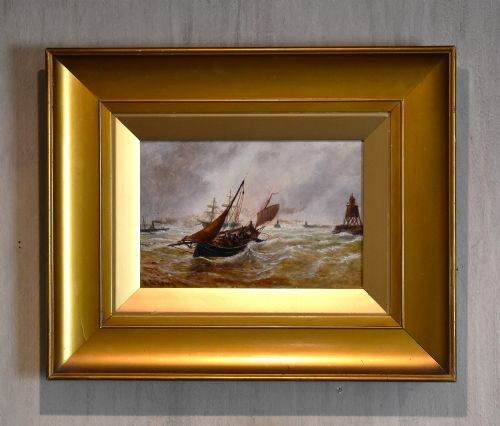
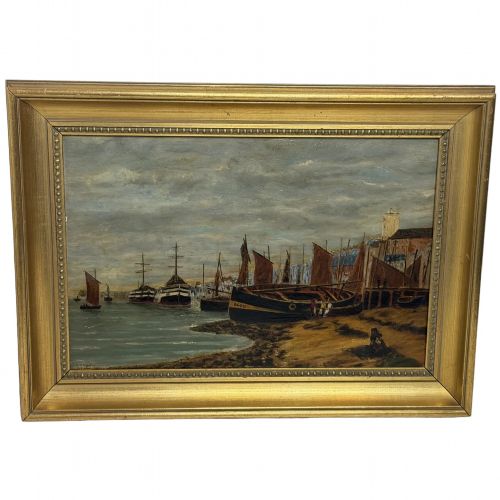
Brown framed coastal artwork brings together maritime scenes, fishing boats and seaside views housed in traditional wooden and gilt surrounds.
Brown Framed Coastal Artwork
Brown framed coastal artwork consists primarily of nineteenth-century and early twentieth-century oil paintings and watercolours depicting marine subjects, harbours and coastal landscapes. These works frequently capture British and European shores, featuring sailing vessels, fishing fleets and tidal estuaries under various atmospheric conditions.
Buyers encounter framed pieces executed on canvas, paper or panel, enclosed in timber mouldings that range from simple dark wood frames to elaborate gilt surrounds. The selection spans Victorian marine art through to mid-century coastal scenes, offering diverse portrayals of maritime life and coastal topography.
How they were made
The physical construction of these pieces relies on traditional painterly mediums applied to prepared canvas, wood panel or heavy watercolour paper. Artists employed oil paint for rich texture and depth, or watercolour for translucent washes, capturing light upon water and sky.
Framing forms an integral component, utilising carved and moulded wood, often finished with gilt or dark patination to complement the artwork. Glass typically protects works on paper, while oil paintings on canvas remain exposed within their wooden housings.
Brown Framed Coastal Artwork Retail Price Guide 2026
Typical asking prices for brown framed coastal artwork among the pieces listed under this phrase on Sellingantiques today, from the lower quarter to the upper quarter. They describe what is for sale here now, not the wider market.
Several coastal scenes capture stubborn vessels braving choppy waters, proving that artists loved a dramatic tide just as much as a calm sunset.
What varies in quality
Quality in these coastal works rests upon the artist's command of light, proportion and atmospheric perspective in rendering water and vessel movement. Superior examples demonstrate confident brushwork and accurate topographical or nautical detail rather than formulaic composition.
The construction and period integrity of the frame also influence the overall standard, with original matching wood and gilt surrounds holding greater significance than later replacements.
Thomas Bush Hardy·George Stanfield Walters·John Moore of Ipswich·Gustave De Bréanski·Bernard Benedict Hemy
The Brown Framed Coastal Artwork Glossary
- Seascape
- A work of art depicting the sea, coastal views, ships or maritime activity. These pieces focus heavily on marine environments and coastal weather.
- Gilt
- A gold leaf or gold-coloured finish applied to the surface of wooden frames. This technique adds reflective highlights and traditional ornamentation.
- Lugger
- A type of small fishing vessel with one or more masts carrying lug sails. They frequently appear in nineteenth-century maritime watercolours and oils.
- Estuary
- The tidal mouth of a large river where the tide meets the stream. Such locations provided popular subject matter for British marine painters.
- Provenance
- The chronology of the ownership, custody or location of a historical artwork. Documented origin helps verify the authenticity and history of a painting.
Brown Framed Coastal Artwork: Frequently Asked Questions
What subjects do these coastal artworks feature?
These works depict maritime and coastal scenes, including fishing boats, harbour entrances, estuaries and sailing ships at sea.
Many pieces record specific British and European coastal locations, capturing local working vessels and maritime architecture.
How do I care for antique watercolours and oils?
Watercolours require protection from direct sunlight to prevent fading of the pigments and paper. Both mediums benefit from stable indoor humidity away from direct heat sources.
Original frames should be dusted gently with a dry cloth without applying liquid cleaning products.
Are the frames original to the paintings?
Many pieces retain their period wooden or gilt frames, which reflect the framing conventions of the nineteenth and early twentieth centuries.
Some works may have been re-framed later in their lifespan to suit changing interior decoration styles.
How are nineteenth-century marine paintings identified?
Identification relies on artist signatures, stylistic characteristics of the period, and framing materials typical of the nineteenth century.
Subject matter involving traditional sailing craft and historical maritime infrastructure also points toward this era.