




Brown Framed Artwork
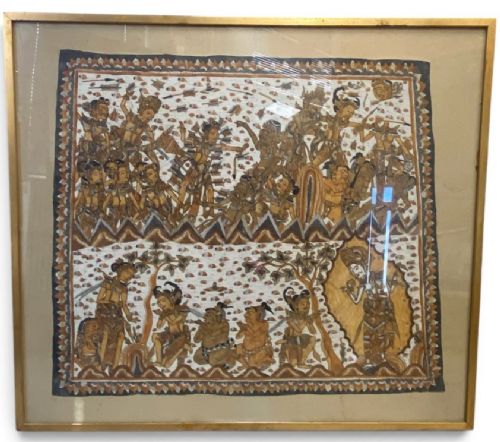
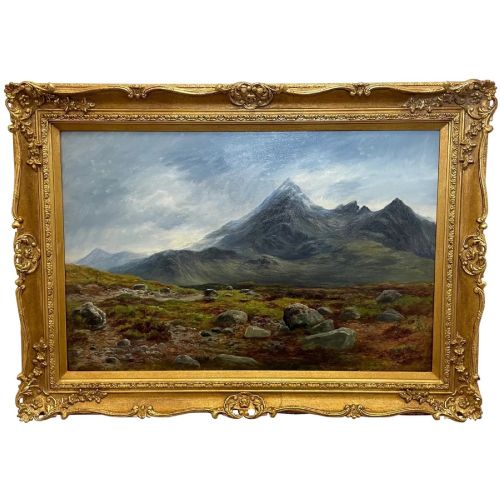
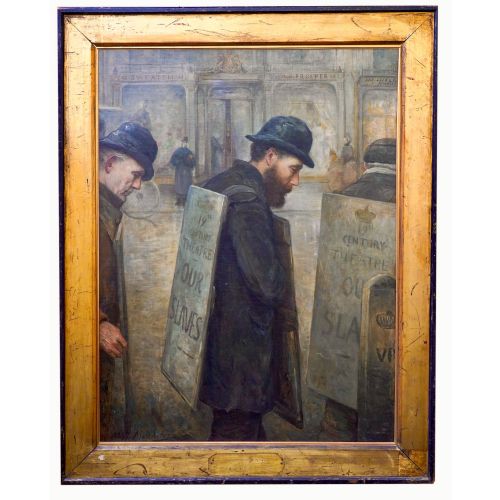
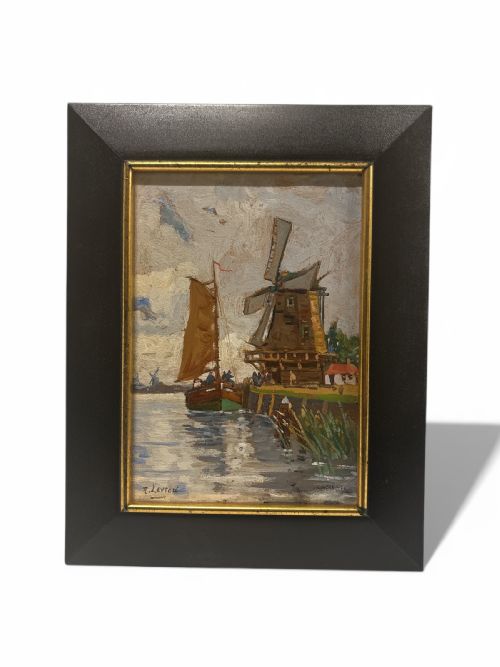
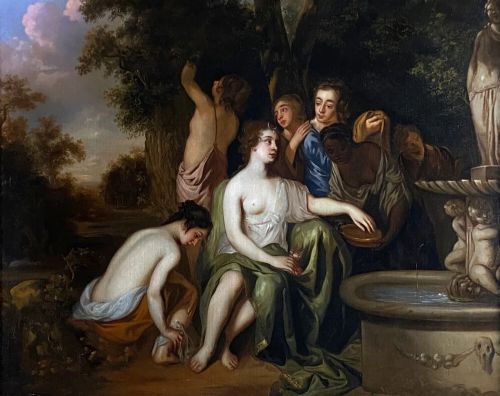
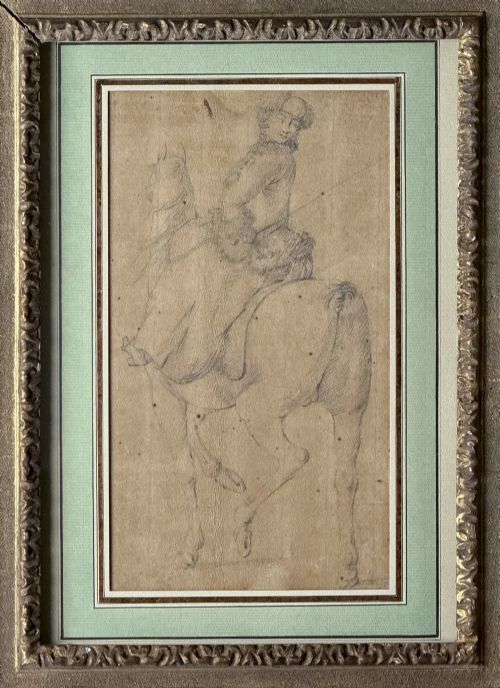
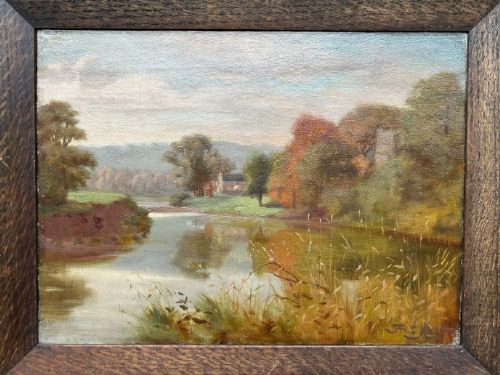
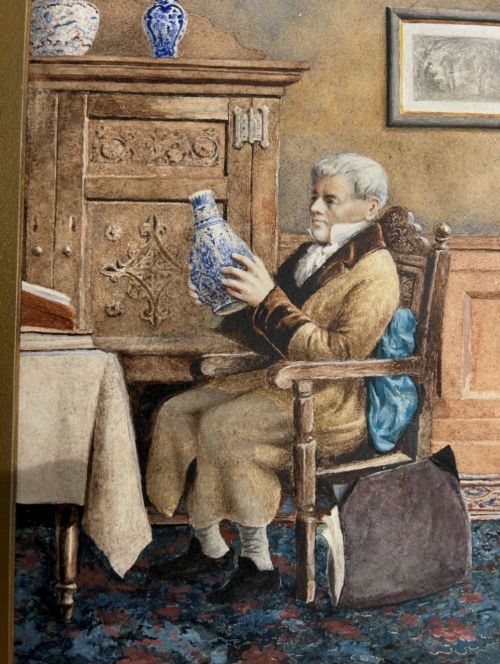
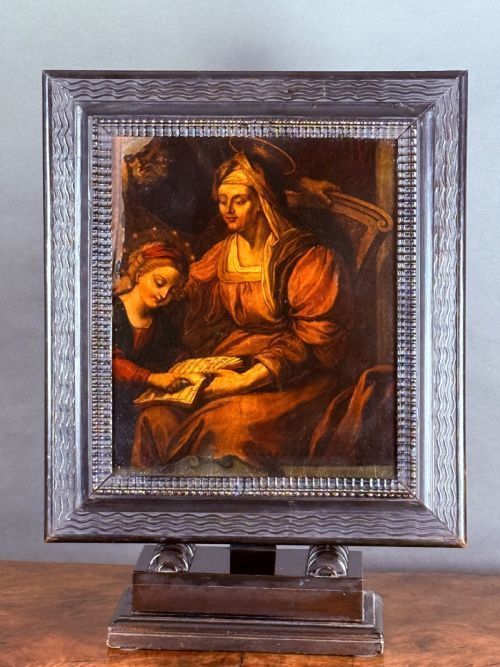
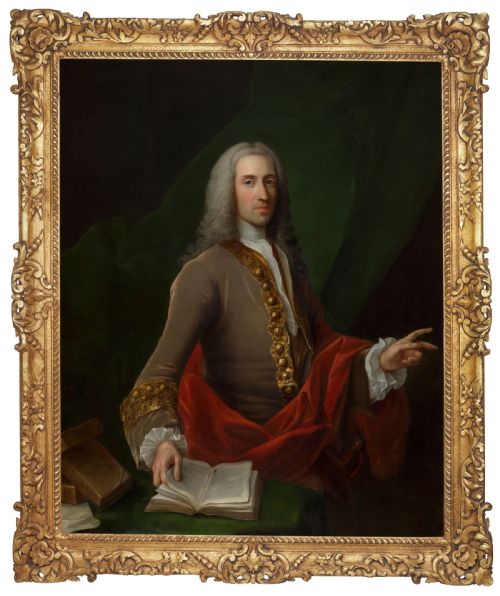
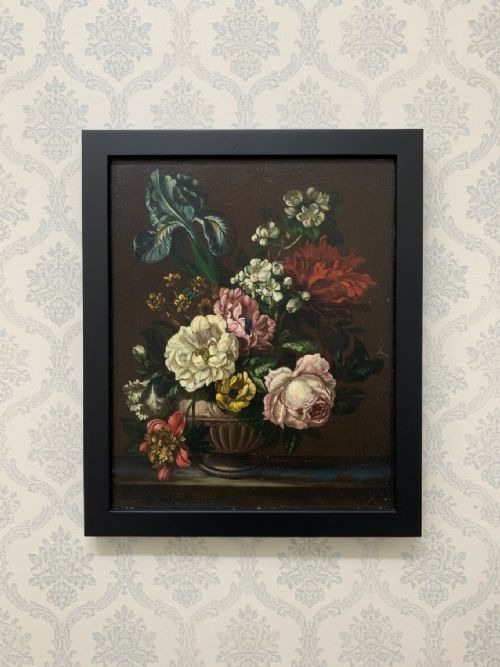
These brown framed artwork pieces bring historical oil paintings, watercolours and drawings enclosed in timber mouldings into domestic spaces.
Brown Framed Artwork
When searching for brown framed artwork, buyers encounter historic paintings, watercolours, drawings and prints housed within timber frames that complement the tones of the medium. The pieces range from seventeenth-century classical oil paintings and eighteenth-century portraits to nineteenth-century landscapes and early twentieth-century watercolours.
The selection on this page relies heavily on nineteenth-century and early twentieth-century British and European works, alongside earlier seventeenth and eighteenth-century portraits and genre scenes. Common subjects span maritime views, animal studies, botanical watercolours, and traditional landscapes executed in oil or watercolour.
Frames play an integral part in the presentation, utilising oak, burr maple and other dark woods to anchor the visual weight of the canvas or paper within. These combinations of period imagery and wooden surrounds provide a cohesive aesthetic suitable for traditional and transitional interiors.
How They Were Made
The works utilise traditional media including oil paint applied to canvas, panel or board, alongside watercolours, gouache, and pastel on paper or buff sheets. Artists built compositions through layered brushwork, washes and meticulous line work depending on whether the final piece was intended as a detailed portrait or a fluid landscape sketch.
Frames constructed from solid timber or veneered blocks enclose the artworks, often featuring moulded profiles, carved details or polished finishes that accentuate the natural grain of the wood. Protective glass frequently covers works on paper, such as watercolours and engravings, to shield delicate pigments from airborne moisture and dust.
Several sporting pigeons and racing champions gaze steadily from their frames, immortalised by brushes that usually painted nobility.
What Varies in Quality
Execution and skill dictate the division between standard commercial output and superior artistic achievement across these pieces. Masterful handling of light, anatomical precision in portraits, and atmospheric depth in landscapes distinguish the work of professional academicians from provincial or derivative copyists.
The integrity and originality of the surrounding timber frame significantly influence the standing of an item. Frames that retain their original period surface, matching gilding or period joinery without modern reconstruction hold greater integrity than those paired with mismatched or later replacements.
William Beattie Brown·James Orrock·Felix Stone Moscheles·Sir Peter Lely·Valentine T Garland·Frederick Marriott·Henry Stacy Marks·Jeremiah Davison·John Hassall·Anthony Van Dyck·Sir Godfrey Kneller·William Joseph Shayer Senior·John McDougal·Alfred Fontville de Breanski·John Russell·Robert Leslie Howey·Edouard Pingret
The Brown Framed Artwork Glossary
- Oil on Canvas
- A painting technique where pigment suspended in drying oil is applied to stretched woven fabric. This method allows for rich colour blending and textured impasto application.
- Watercolour
- A painting method in which natural pigments are suspended in a water-soluble vehicle. It typically produces luminous, transparent washes on paper surfaces.
- Reverse Glass Painting
- An artwork created by applying pigment or metallic leaf directly to the reverse side of a glass sheet and viewing the finished image from the front. This technique produces a glossy surface finish.
- Burr Maple
- Timber sourced from the knotty growths of maple trees, known for swirling grain patterns. It is frequently utilised for decorative veneered furniture and picture frames.
- Provenance
- The documented history of ownership surrounding a work of art. It establishes authenticity and traces the lineage of the piece from its creation to the present day.
Brown Framed Artwork: Frequently Asked Questions
How do I care for antique oil paintings?
Keep paintings away from direct sunlight and fluctuating humidity levels to prevent the canvas or panel from warping and the paint from cracking. Dust the surface gently with a soft, dry brush without applying pressure.
Avoid using water, chemical cleaners, or damp cloths on the paint layer or the wooden frame. Professional conservation should be sought if the paint surface requires cleaning or stabilization.
Are these frames original to the artwork?
Many pieces retain their original period frames, which match the stylistic era of the painting or drawing. However, frames are sometimes replaced over the centuries due to damage or changing domestic tastes.
Examining the joinery, backboards, and wear patterns helps determine whether the timber surround has remained with the artwork since its creation.
What is the difference between oil and watercolour?
Oil paint utilises a drying oil binder that sits on the surface of canvas or panel, allowing for thick textures and gradual blending over several days. Watercolours use a water-soluble medium on paper, resulting in transparent, luminous washes that dry quickly.
Watercolours require protective glass framing to prevent moisture damage, whereas oil paintings on canvas typically remain unglazed to let the texture breathe.
How can I date an old frame?
Dating relies on inspecting the wood species, construction methods, tool marks on the reverse, and the profile of the moulding. Hand-cut joinery, old fixings, and aged patina indicate earlier manufacturing periods.
Comparing the style of the moulding to known historical decorative trends provides a reliable window for when the frame was assembled.