







Brown Folding Chair
These brown folding chair examples span centuries of clever engineering, offering portable seating designed to fold away when not in use.
Brown Folding Chair
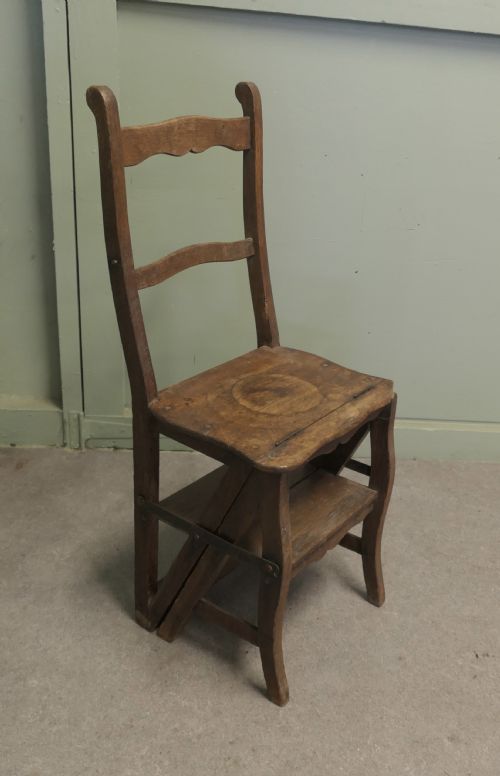
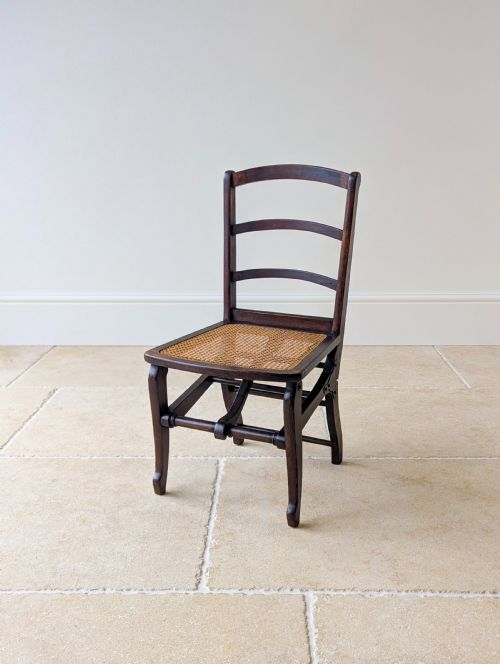
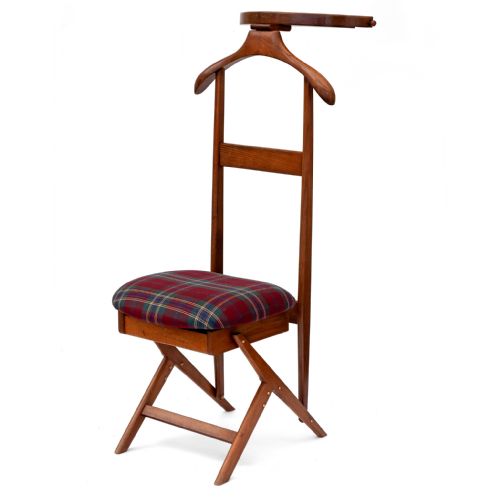
A brown folding chair encompasses diverse designs ranging from campaign seating and campaign chairs to metamorphic library steps that transform into armchairs. These pieces emerge across multiple periods including the Georgian era, the Victorian period, and the 19th century.
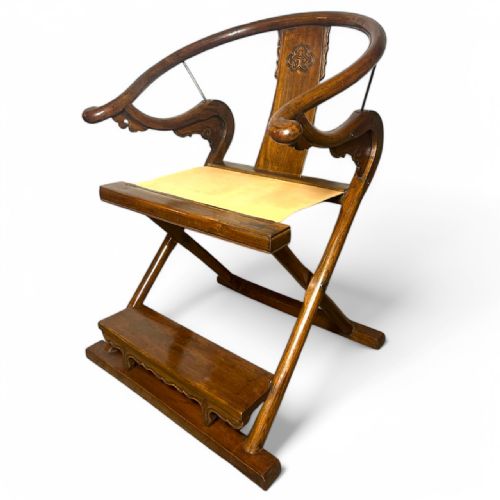
Makers utilised various forms, incorporating horseshoe-back throne chairs, steamer deck chairs, and rustic ladder steps. The selection demonstrates practical ingenuity combined with traditional furniture forms.
Originating from diverse traditions, the inventory includes pieces from Chinese workshops, Italian design, and British cabinet makers. Each object serves a dual purpose of utility and portability.
What varies in quality
The sophistication of the folding or metamorphic mechanism dictates much of the distinction between standard utilitarian items and masterworks. Smooth transitions in library steps or campaign frames demonstrate superior craftsmanship.
Timber selection and decorative carving elevate certain pieces, such as those featuring detailed fluting, bone button embellishments, or pierced crest rails. Simple rustic examples contrast with elaborately styled library armchairs.
The integrity of original materials, including leather panels, cane seating, and brass fittings, preserves the historical character of each piece.
Some chairs conceal entire staircases inside their armrests, ready to rescue a bookish aristocrat.
The Brown Folding Chair Glossary
- Metamorphic furniture
- Pieces designed to transform from one form of furniture into another, such as a chair that opens into a set of library steps.
- Campaign chair
- Portable folding seating historically utilised by military officers on campaign, often constructed with X-frame supports and leather elements.
- Library steps
- A set of steps designed for reaching high bookshelves, frequently combined with chair seating in ingenious dual-purpose designs.
- Crest rail
- The top horizontal member of a chair back, sometimes featuring carved decoration or pierced detailing.
- Savonarola chair
- An X-frame folding chair of Italian Renaissance origin constructed from multiple wooden slats.
Brown Folding Chair: Frequently Asked Questions
How do metamorphic library chairs work?
These clever seats use concealed pivots and hinges to unfold from a comfortable armchair into a sturdy flight of library steps. The transition relies on balanced weight distribution and precise wooden joinery.
Owners typically unlatch a secure catch at the back or side before rotating the upper section downward. This transforms the backrest into the upper treads, allowing safe access to high bookshelves.
Where were campaign folding chairs used?
British and European officers used these portable seats during military campaigns, expeditions, and long journeys abroad. The folding X-frame design allowed servants to pack them flat into wooden crates for transport.
Over time, civilians adopted these practical chairs for garden use, travel, and steamer voyages. Their sturdy construction accommodated outdoor environments while maintaining compact dimensions.
How do I care for leather and wood?
Maintain the timber frame by applying appropriate beeswax or natural polish to nourish the grain and prevent drying. Avoid placing folding seating near direct heat sources that might warp the wood.
Treat leather upholstery with specialised conditioner to keep the material supple. Regularly check hinges and folding pivots to ensure smooth operation without straining original joints.
How can I tell different periods apart?
Georgian and Regency examples often display refined mahogany timbers with classical proportions and understated brass fittings. Victorian pieces frequently incorporate heavier oak construction, Gothic revival motifs, or elaborate mechanical designs.
Later 19th-century and 20th-century items introduce alternative materials like cane and iron alongside diverse stylistic influences. Examining the joinery and decorative carving helps pinpoint the era of manufacture.