
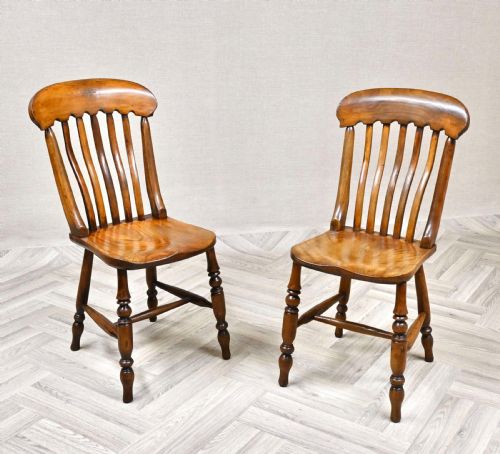
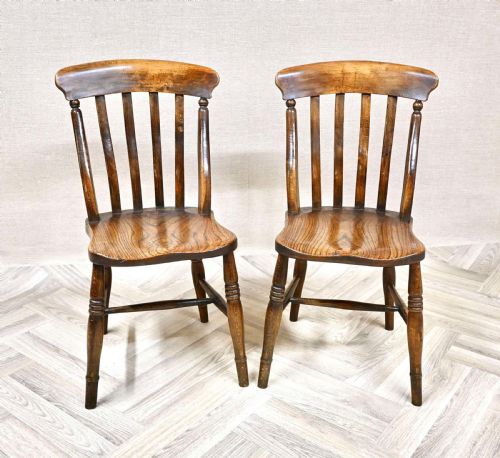
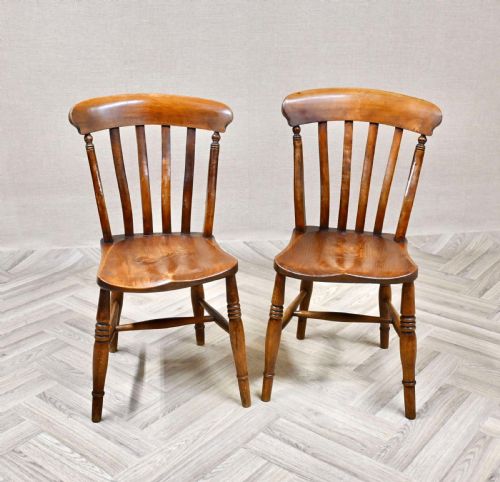
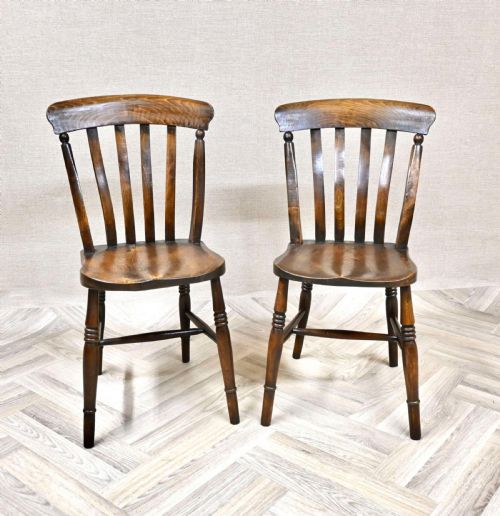
Brown Elm Side Chairs
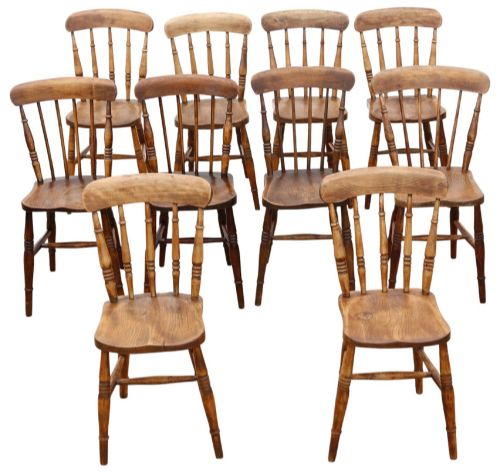
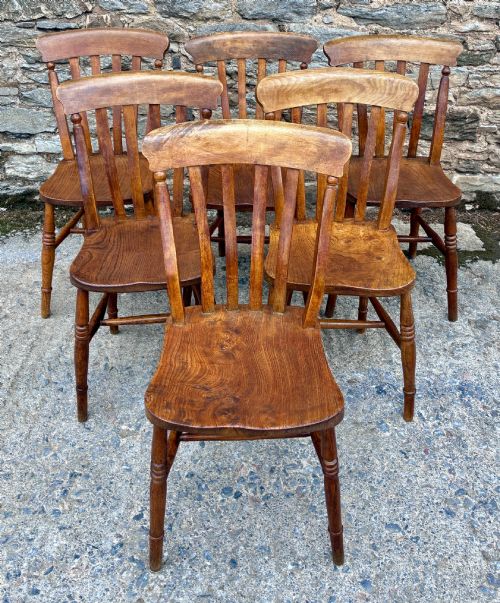
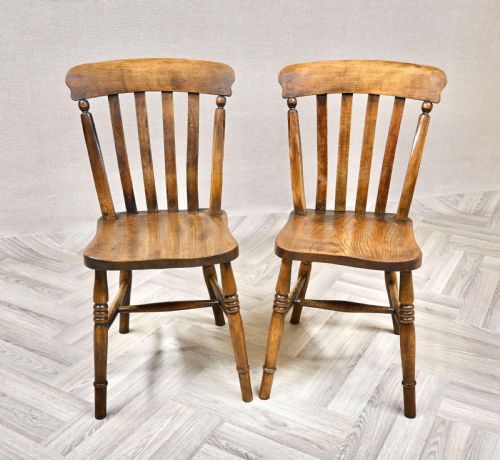
Brown elm side chairs bring honest vernacular character to a dining table through robust timber seats and sturdy spindle or Windsor backs.
Brown Elm Side Chairs
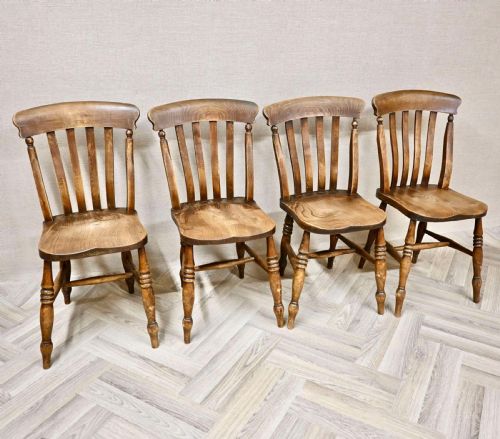
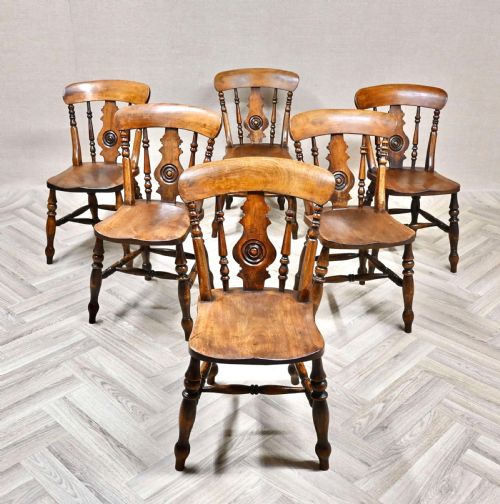
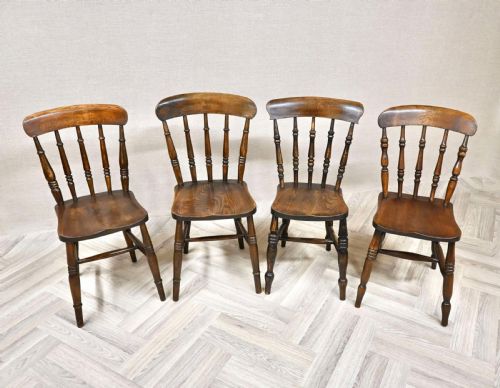
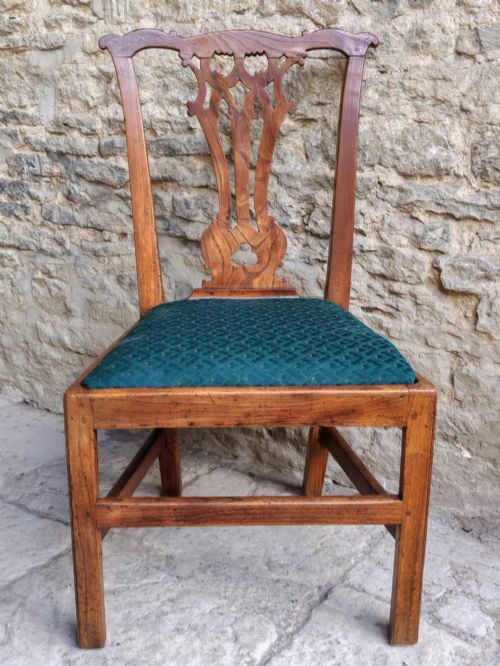
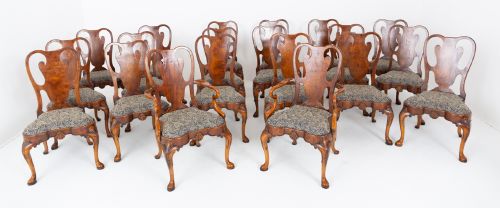
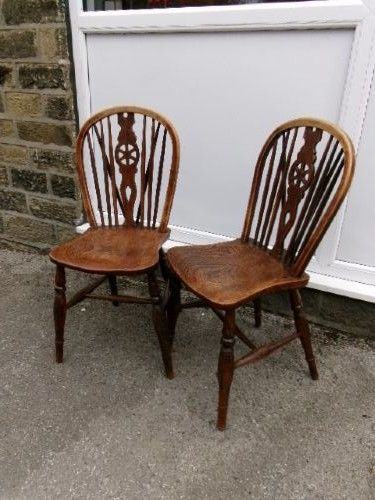
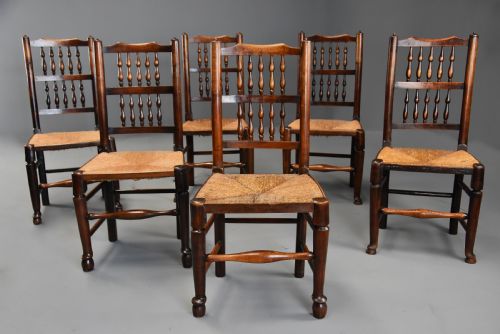
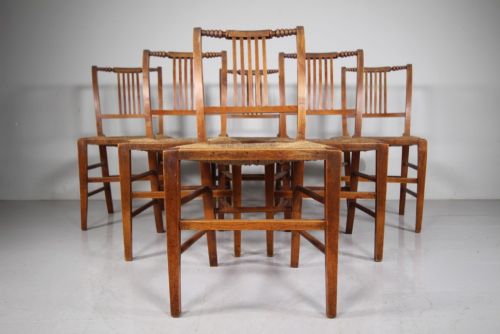
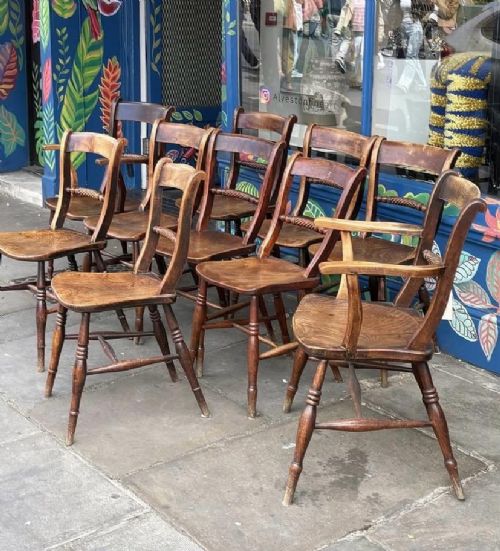
When you search for brown elm side chairs, you encounter practical seating originating largely from nineteenth-century and eighteenth-century rural workshops. These pieces span English country, Victorian, and Georgian styles designed for daily use in farmhouse kitchens and dining rooms.
Most examples rely on timber combinations typical of regional vernacular furniture, pairing elm seats with beech, ash, or oak frames. Their straightforward construction reflects regional British traditions focused on utility and durability.
Materials and construction
Makers utilised solid elm for the saddle-shaped seats because its interlocking grain resisted splitting when subjected to constant movement and heavy use. This timber was frequently combined with turned ash, beech, or oak for the spindles, legs, and bow backs.
Joinery methods relied on traditional wood-turning and wedged tenon joints, securing spindles firmly into the thick plank seats without the need for complex metal fixings. Many pieces include stretcher rails added between the legs to provide extra structural rigidity.
Surfaces were traditionally finished with natural oils, waxes, or simply left bare to develop a deep, warm patina through decades of handling and cleaning.
Differences in quality
Quality in these chairs is defined by the proportion and grace of the turned members, the depth of the sculpted elm seat, and the integrity of the original construction. Superior examples maintain balanced proportions in the comb or bow and retain tight, original joints.
The depth of the grain and the richness of the surface patina distinguish exceptional vernacular pieces from plainer utilitarian seating. Sets that have remained together with matching turnings and uniform timber colour command greater interest than assembled groups.
Worksop
The Brown Elm Side Chairs Glossary
- Windsor chair
- A chair built with a solid wooden seat into which the legs and back spindles are directly inserted. This construction method creates a strong and lightweight frame.
- Lathe back
- A style of chair back featuring flat, vertical wooden slats shaped on a lathe. These slats replace traditional turned spindles.
- Spindle back
- A chair back constructed from multiple thin, turned wooden rods arranged vertically. They provide resilient support while keeping the upper frame light.
- Rush seat
- A seating surface woven from dried marsh reeds twisted into strong cords. This traditional method creates a flexible and supportive base.
- Harlequin set
- A collection of dining chairs that share a general style and period but vary slightly in individual detail. Such groups were often assembled over many years from similar regional pieces.
Brown Elm Side Chairs: Frequently Asked Questions
Are brown elm side chairs comfortable for daily dining?
The saddle-shaped elm seats are sculpted to fit the body, providing surprising support during long meals. Adding loose squab cushions can increase comfort for extended seating.
The sturdy construction handles everyday use well, making them practical choices for busy family kitchens and dining spaces.
How do I care for antique elm furniture?
Keep elm chairs away from direct heat sources and drastic temperature changes to prevent the timber from drying out and splitting. Regular dusting with a soft cloth preserves the finish.
Applying a traditional beeswax polish occasionally helps nourish the wood and maintain the natural lustre of the patina.
What is a penny seat on a Windsor chair?
A penny seat refers to a specific style of saddle seat shaping where a circular depression is carved into the timber. This shaping technique provides a more ergonomic contour for the sitter.
Cabinetmakers executed this using specialised adzes and scorps before smoothing the surface by hand.
How can I tell a Georgian chair from a Victorian one?
Georgian chairs generally exhibit lighter proportions, refined splat backs, or earlier vernacular bracing patterns. Their timber often shows a drier, deeper surface texture developed over a longer period.
Victorian interpretations tend to be sturdier, utilising heavier turnings and standardised components typical of nineteenth-century regional production.