





Brown Earthy Tone Watercolour
These brown earthy tone watercolour works bring natural ochres, umbers and muted pigments directly into domestic interiors through works on paper.
Brown Earthy Tone Watercolour
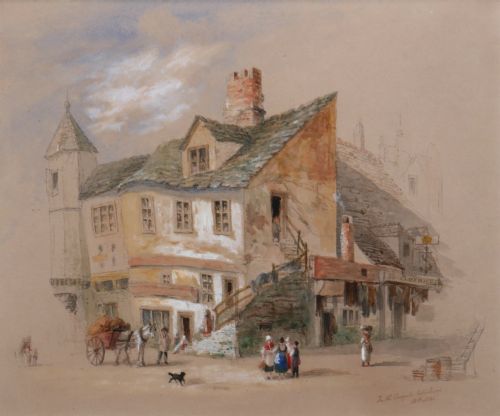
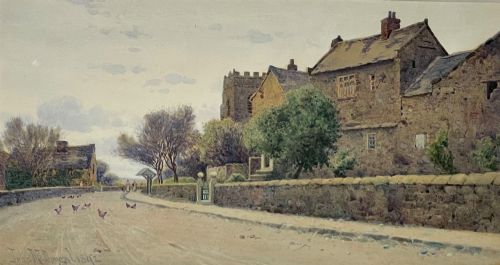
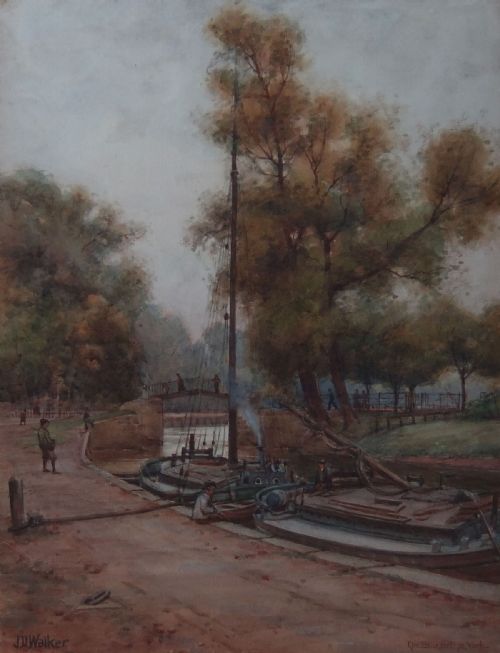
A brown earthy tone watercolour selection gathers works executed predominantly in water-based pigments across Victorian, Edwardian and twentieth-century periods. These paintings capture landscapes, street scenes and rural farmyards through muted natural palettes.
The objects on this page take the form of framed wall art and watercolour paintings on paper. Pieces range from nineteenth-century village views to mid-century still life compositions.
Origins span British regional scenes by named artists alongside French village subjects. Buyers encounter subjects from Yorkshire, Wirral and Spanish landscapes rendered in ink and pigment.
Materials and execution
These works are executed using watercolour paint and ink applied to paper surfaces. Artists layer water-based pigments to achieve depth within brown earthy tones, often supported by wooden frames and protective glass.
The physical support relies primarily on paper, whilst framing materials incorporate wood and glass to preserve the delicate pigment layers. Technique varies from British Impressionist brushwork to detailed realism.
Brown Earthy Tone Watercolour Retail Price Guide 2026
Typical asking prices for brown earthy tone watercolour among the pieces listed under this phrase on Sellingantiques today, from the lower quarter to the upper quarter. They describe what is for sale here now, not the wider market.
Listings include watercolours from the Victorian era, nineteen-hundred, nineteen-ten, nineteen-twenty, nineteen-thirty, nineteen-forty, and the nineteenth century.
Assessing quality and merit
Quality rests upon the confidence of the brushwork and the stability of the paper support. Superior examples demonstrate assured handling of pigment within the limitations of watercolour.
Provenance and attribution elevate individual pieces, particularly when works bear the signature of established regional painters or figures associated with artistic circles.
John McDougal·James Hayllar·James Tower·John Atkinson·Rowland Henry Hill·Francis William Topham·Maurice Asselin·Fred C. Jones·John D. Walker·Fred Lawson
The Brown Earthy Tone Watercolour Glossary
- Watercolour
- A painting method in which the paints are made of pigments suspended in a water-based solution. This medium allows for translucent washes and fine linear details.
- Pigment
- The natural or synthetic coloured material finely ground for use in paint. Earthy tones rely on mineral and umber compounds.
- Support
- The physical material to which paint is applied. In this collection, the primary support is paper.
- Impressionism
- An art movement characterised by relatively small, thin yet visible brush strokes. British Impressionism adapts these principles to local landscapes.
Brown Earthy Tone Watercolour: Frequently Asked Questions
What periods do these watercolours cover?
The works span from the Victorian era through the Edwardian period into the mid-twentieth century. Dates include specific decades such as nineteen-ten, nineteen-twenty and nineteen-forty.
This broad chronological range records shifts in British and European landscape representation across different generations of artists.
How should I frame and hang them?
Most pieces arrive framed in wood behind glass to protect the paper and water-based pigments from environmental damage. Direct sunlight should be avoided to prevent pigment fading over time.
Display them on interior walls away from moisture sources to maintain the integrity of the paper support.
Are the signatures authentic?
Many listings feature named artists whose signatures appear within the composition or on the mount. Research into regional British and European painters helps contextualise these signatures.
Attributions reflect the recorded evidence of the pieces available on this page.
What subjects are typically depicted?
Subjects focus heavily on rural and urban landscapes, including farmyards, village streets and bridges. Regional locations such as Whitby, Knaresborough and York frequently appear.
Still life compositions featuring flowers and fruit also form part of the selection.