


British Coastal Town Landscape
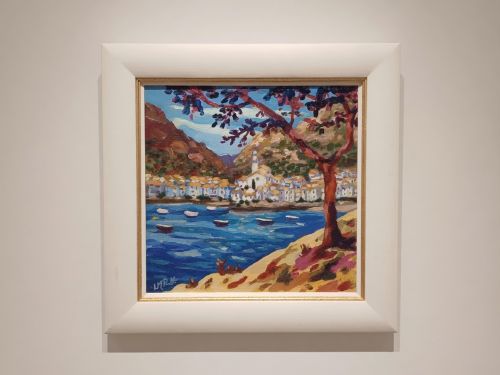
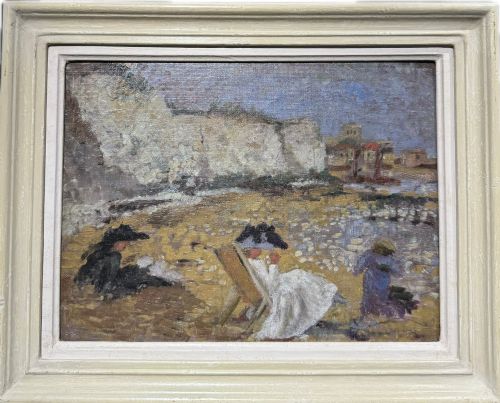
These pieces capture a british coastal town landscape in oils and watercolours, offering a distinct record of seaside life and maritime architecture.
British Coastal Town Landscape
A british coastal town landscape typically captures harbours, market places, and seaside streets through the lens of nineteenth and twentieth century artists. Buyers will frequently encounter works originating from periods such as the Edwardian era, Victorian realism, and mid-century impressionism.
The selections recorded here span watercolours on paper and oil paintings on canvas, often housed within wood frames. Common subjects focus on recognizable coastal locations including Whitby, Scarborough, and St. Ives, alongside broader British impressionist interpretations.
How they were made
Artists utilised watercolour pigment on paper to achieve transparent washes and delicate atmospheric effects, particularly suited to coastal light and marine air. Alternatively, oil paint applied to canvas allowed for heavier impasto and richer textural depth in depicting harbour scenes and townscapes.
Works are typically completed within protective wood frames that complement the medium, ranging from simple mouldings to period surrounds. The technical execution relies on the traditions of British impressionism and post-impressionism, balancing descriptive draughtsmanship with expressive brushwork.
Listings feature works spanning from the Victorian and Edwardian eras through the mid-twentieth century, utilising paper, canvas, and wood frames.
What varies in quality
Quality rests upon the artist's handling of light, atmosphere, and spatial composition within the chosen medium. Superior examples demonstrate a confident command of tone and perspective, whether capturing the bustling detail of a market place or the expansive feel of a harbour.
The handling of the material itself marks the distinction between competent records and accomplished works of fine art. Stronger paintings and watercolours display purposeful brushwork or pigment control that brings vitality to the coastal setting.
Lucy Pratt·Ethel Sands·Cecil Rochfort D'Oyly-John·James Thomas Watts·H.E. Tidmarsh·Albert Robert Quinton·Rowland Henry Hill·Walter Emsley·Fred Lawson·Harry Wanless·Cuthbert Crossley·Donald Wood·Augustus William Enness
The British Coastal Town Landscape Glossary
- Watercolour
- A painting method in which the paints are made of pigments suspended in a water-based solution. It is traditionally applied to paper to create luminous washes.
- Oil Paint
- A slow-drying paint made of pigment suspended in a drying oil, commonly linseed. This medium allows for smooth blending and rich surface texture.
- Impressionism
- An art style characterised by relatively small, thin, yet visible brush strokes and an emphasis on accurate depiction of light. It emerged in the nineteenth century and influenced many British coastal painters.
- Canvas
- A closely woven fabric used as a surface for oil painting. It is typically stretched across a wooden frame before application.
British Coastal Town Landscape: Frequently Asked Questions
What subjects do these town landscapes show?
These works primarily depict harbours, markets, and coastal streets in locations such as Whitby, Scarborough, and St. Ives. Artists record the specific architectural character and maritime atmosphere of these British coastal settlements.
The compositions range from tight topographic watercolours to freer impressionistic oil paintings. Each piece reflects the specific visual interests of the period in which it was produced.
Which materials were used by the artists?
The primary materials recorded are watercolour on paper and oil paint on canvas. These mediums were chosen to capture the shifting light and weather conditions of the seaside.
Most surviving examples retain their period wood frames, which serve to protect the paper or canvas surfaces. The combination of traditional pigments and framing defines the physical nature of these works.
How do I date a coastal landscape?
Dating relies on stylistic evidence, such as the brushwork associated with British impressionism or Victorian realism, alongside artist signatures and biographical records. The costume of figures and the depiction of harbour architecture also offer chronological clues.
Works span from the Victorian era through the Edwardian period and into the mid-twentieth century. Comparing the handling of paint and paper types helps narrow the window of creation.
How should I display these paintings?
These framed works require placement away from direct sunlight and excessive humidity to protect the paper, canvas, and pigments. Maintaining a stable indoor environment preserves both the paint layers and the wooden frames.
Display them at eye level on interior walls where the lighting enhances the tones of the oil or watercolour. Proper hanging protects the structural integrity of the frame and backing.