



Brown Carved Animal Statues
Brown carved animal statues unite regional woodcraft and sculpture, offering realistic or folk representations of wildlife and livestock for interior decoration.
Brown Carved Animal Statues
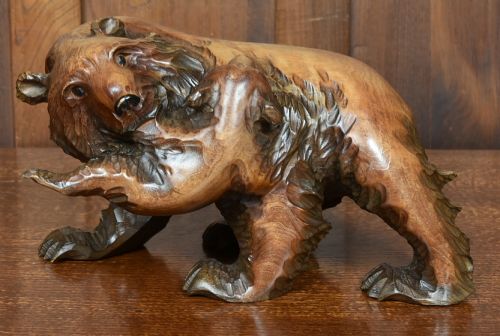
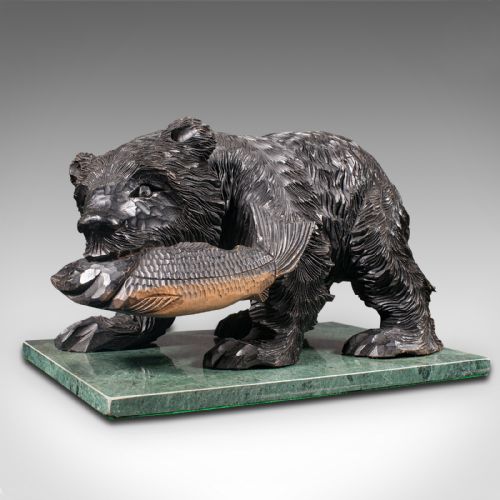
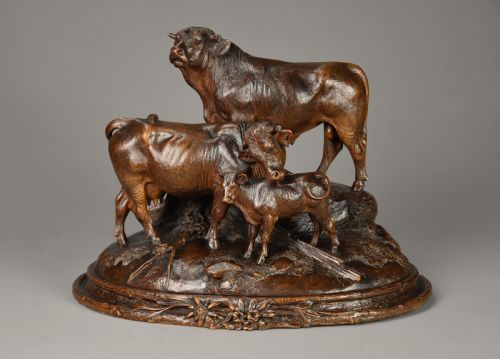
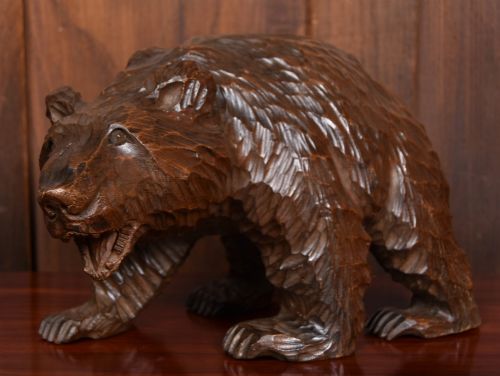
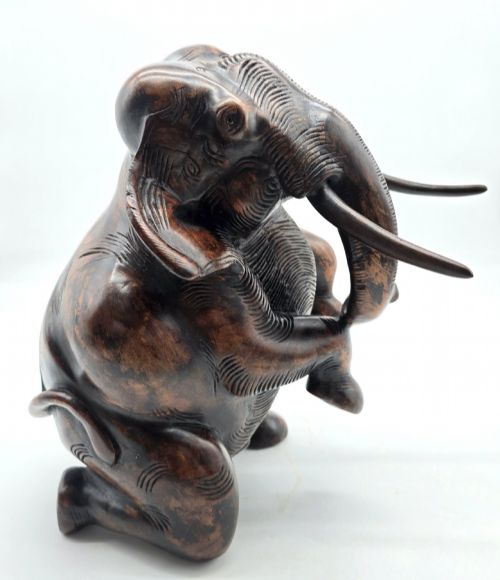
Brown carved animal statues encompass sculptural figures rendered in wood, soapstone, and marble, originating from European alpine workshops, Asian carving traditions, and British colonial periods. These objects portray domestic and wild fauna, ranging from bears and cattle to elephants and lions, modelled with varying degrees of anatomical precision.
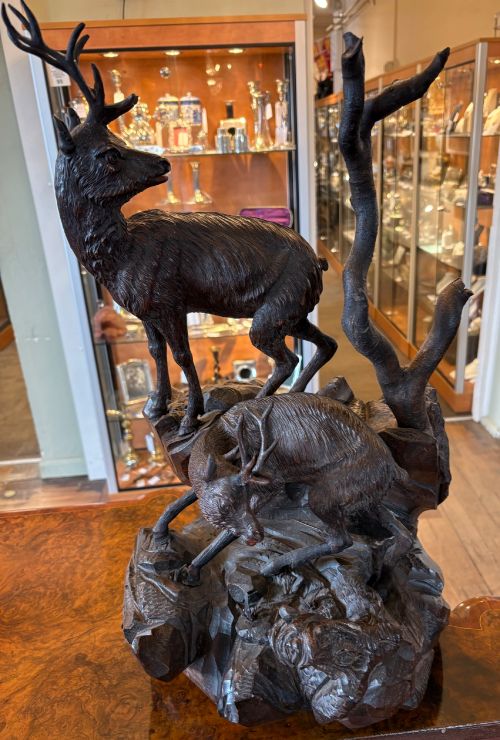
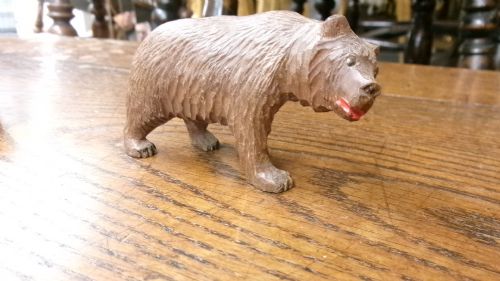
Regional styles dictate the character of these carvings, including the naturalistic foliage and fauna associated with Black Forest production, the formal posture of Raj period Indian figures, and the expressive simplification found in folk art specimens. Buyers encounter formats varying from miniature desk ornaments to life-size floor figures.
The selection ranges across several centuries, with nineteenth-century examples forming the core alongside early twentieth-century interpretations in Art Deco and traditional modes. Each piece reflects the material culture of its source region, employing locally harvested timbers such as linden wood, walnut, teak, and hardwood.
How they were made
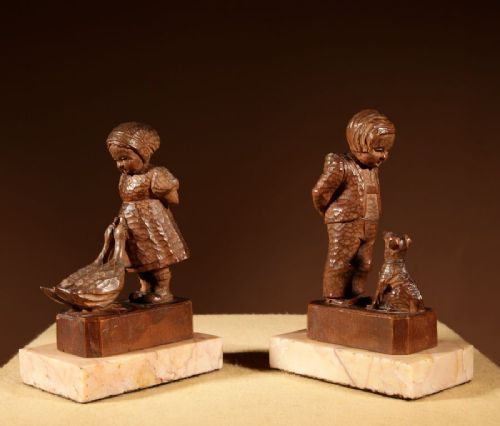
Makers shaped these sculptures primarily from seasoned timbers such as limewood, walnut, teak, and dense hardwoods using hand gouges, chisels, and parting tools to establish form and texture. Selected pieces integrate contrasting materials, mounting wooden or soapstone animals onto marble bases or incorporating brass and stud eyes.
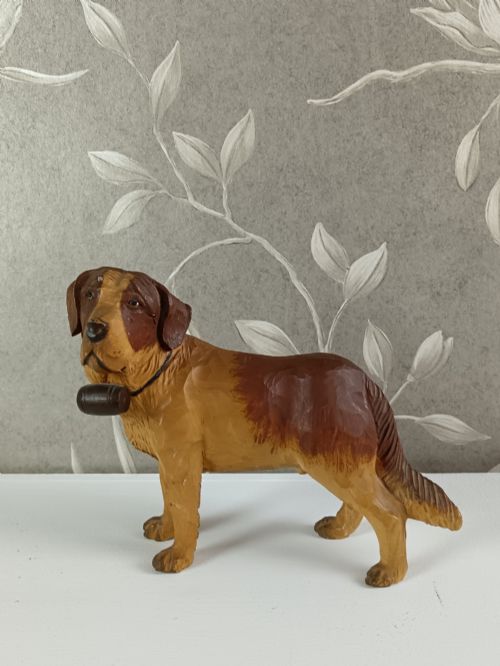
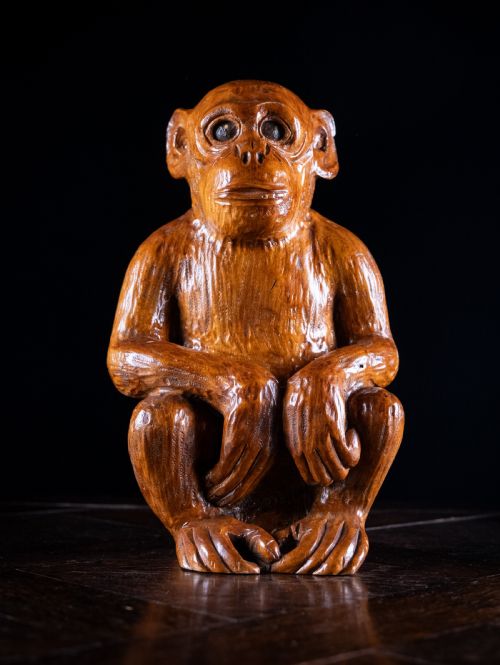
Surface finishes range from clear wax and oil polishing that highlights natural wood grain to deliberate paint applications found in folk art and naive pieces. Detail work relies entirely on hand carving, utilising fine scoring to simulate fur, feathers, and hide textures according to regional convention.
The listings show materials spanning carved wood, hardwood, walnut, lime wood, marble, soapstone, paint, and leather.
What varies in quality
Sculptural fidelity and anatomical proportion separate standard workshop output from exceptional studio pieces, where observation of musculature and posture demonstrates superior artistic training. The depth and crispness of the carving tool marks reveal the carver's control, distinguishing fluid fur rendering from static or blunt execution.
Material selection influences overall merit, with dense, unblemished timbers and high-grade marbles providing durability and a finer finish than softer or knotty woods. Signature placement or workshop attribution further elevates certain statues, reflecting documented provenance and established regional traditions.
J Huggler·Eugene Emile Borga·Laszlo Hoenig·Andrey
The Brown Carved Animal Statues Glossary
- Black Forest carving
- Wood carving originating from the Brienz region of Switzerland, typically depicting bears, deer, and cattle in naturalistic settings. These items often utilise linden or walnut timber.
- Raj period
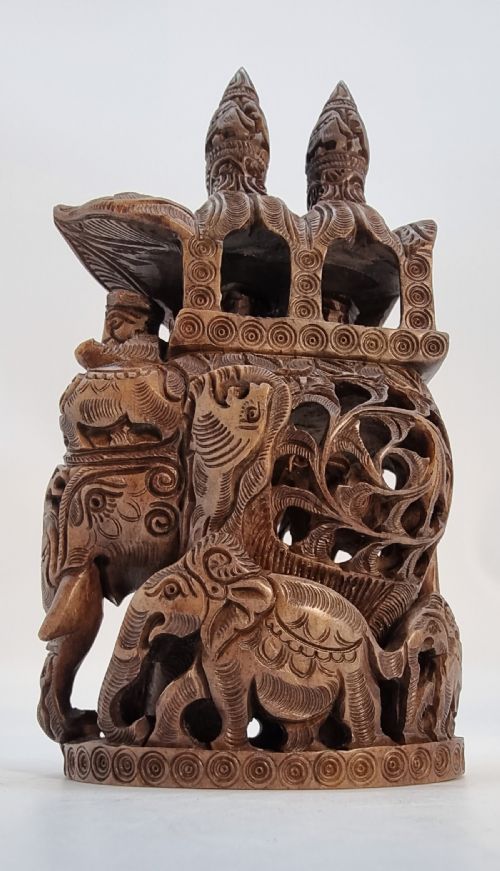
- The period of British rule in the Indian subcontinent, associated in these carvings with hardwood studies of elephants and processional animals. Such pieces often display intricate caparison details.
- Folk art
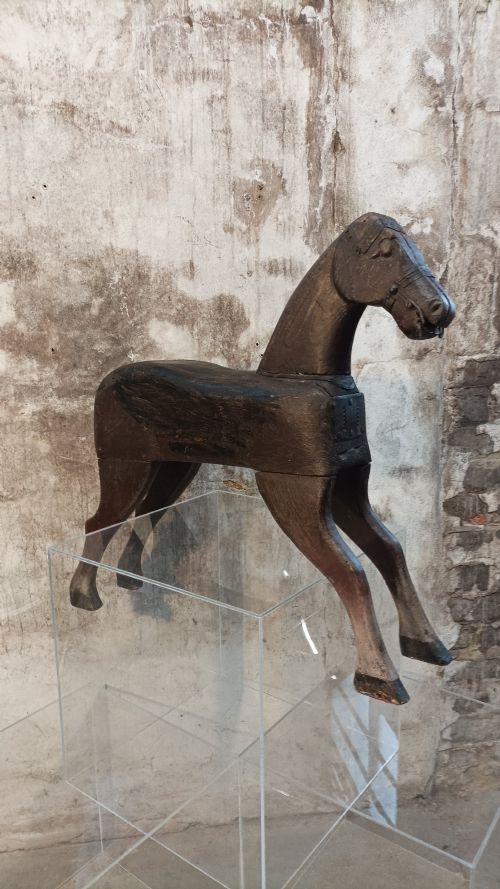
- Utilitarian or decorative objects created within a traditional community, prioritising expressive character over academic anatomical correctness. Painted wooden horses and naive figures exemplify this category.
- Soapstone
- A talc-schist stone soft enough to carve easily into detailed miniature figures and group scenes. Chinese workshops frequently utilised this material for animal studies.
- Linden wood
- A pale timber native to Europe, favoured by carvers for its fine, even grain and lack of prominent growth rings. It allows for crisp detailing in complex animal sculptures.
Brown Carved Animal Statues: Frequently Asked Questions
How are these wooden animal statues cleaned?
Dust surfaces gently using a soft, dry brush to prevent particulate accumulation within carved crevices and textured fur details.
Avoid liquid cleaners or excessive moisture, applying a microcrystalline wax sparingly only when the wood appears dry.
What distinguishes Black Forest carvings?
Black Forest carvings originate from Swiss and German alpine regions, identifiable by realistic renderings of regional wildlife such as bears, deer, and ibex.
They frequently employ linden wood and often incorporate naturalistic elements like rockwork bases or oak leaf motifs.
How do I identify Raj period carvings?
Raj period animal figures typically depict elephants, horses, or local fauna carved from dense tropical hardwoods like teak.
They often feature elaborate ceremonial trappings, harness details, and human figures or keepers accompanying the main subject.
Where should I display large animal sculptures?
Large sculptures require stable placement away from direct sunlight, heating vents, and rapid humidity shifts to prevent timber splitting.
Floor-standing pieces or sturdy sideboards provide appropriate structural support for heavier hardwood and marble-mounted statues.