
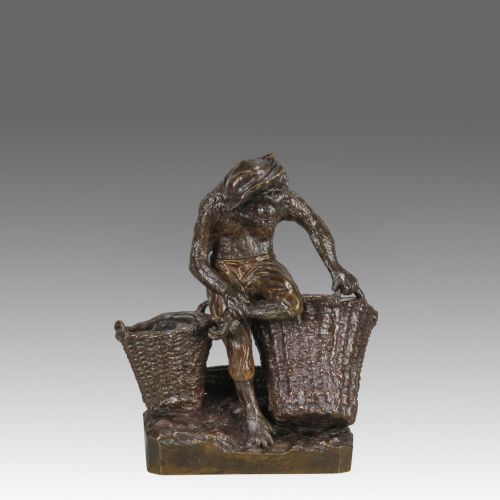
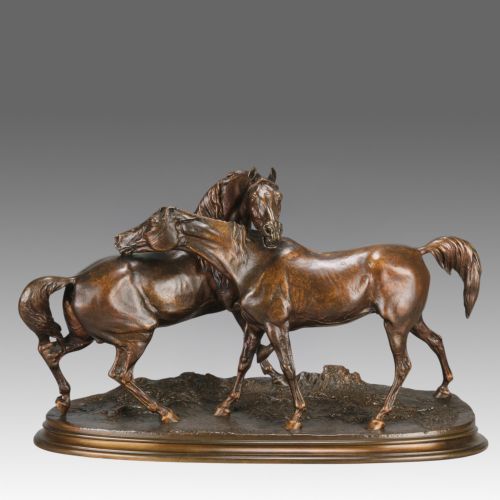
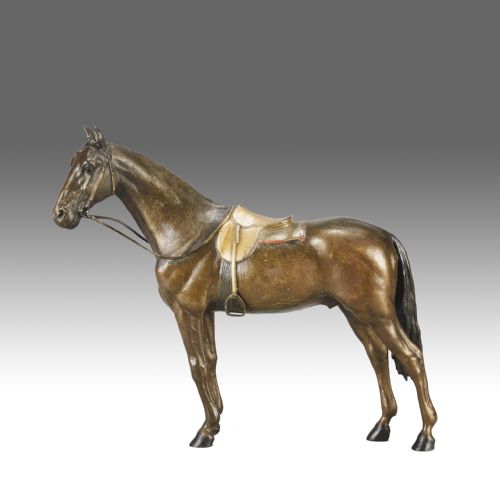
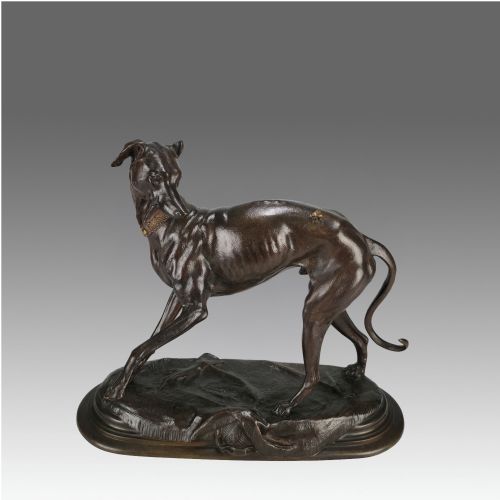
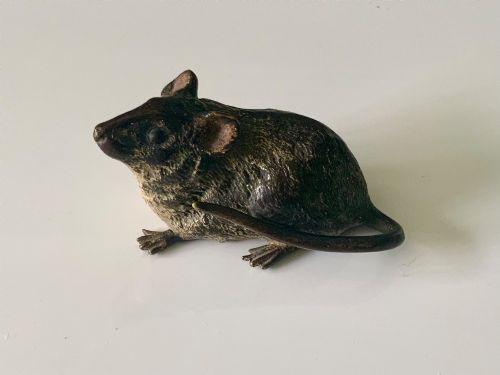
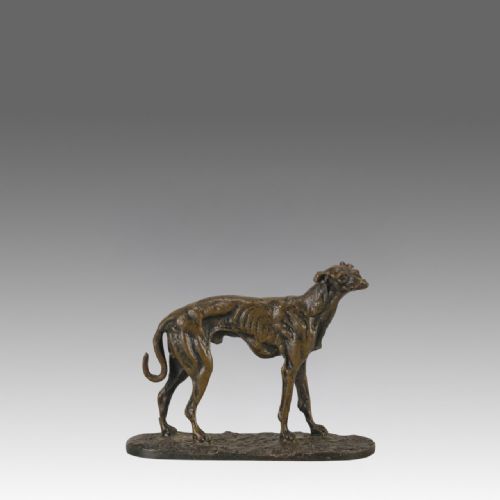
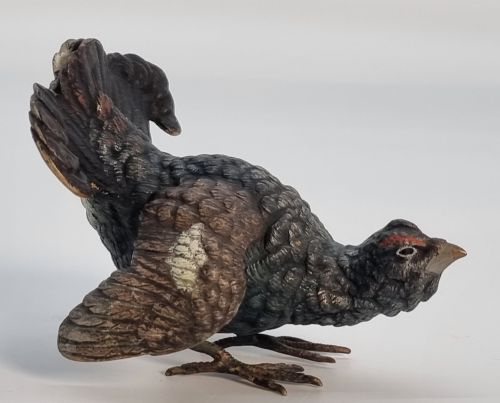
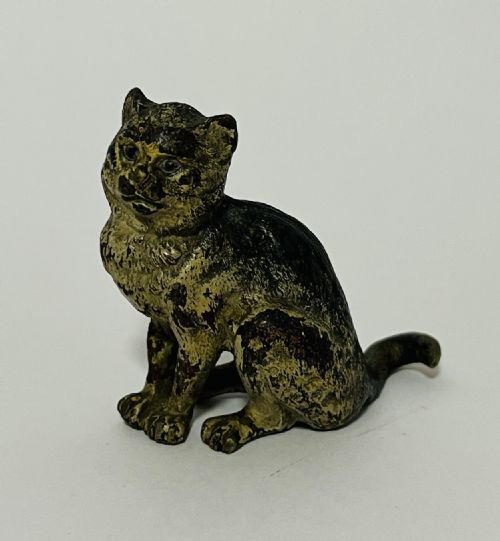
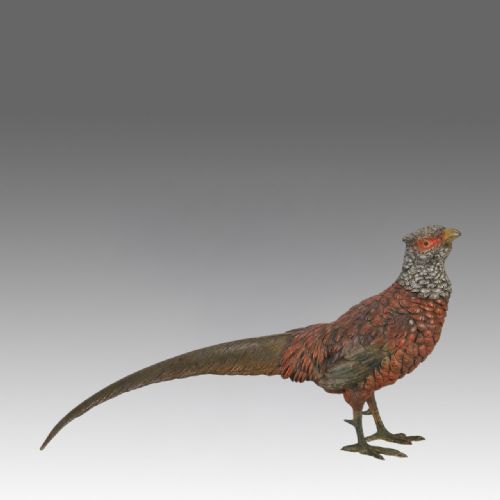
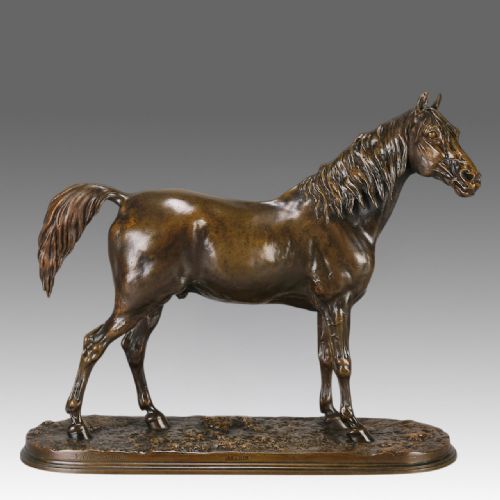
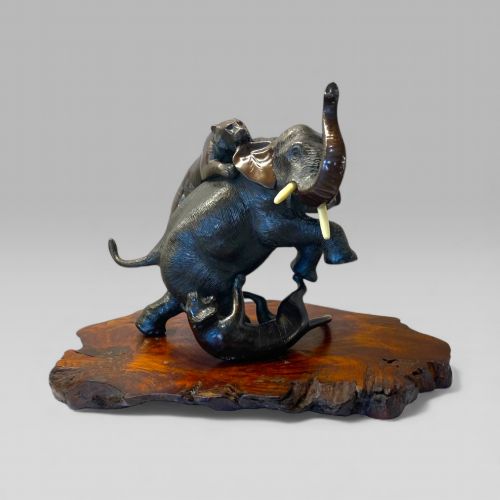
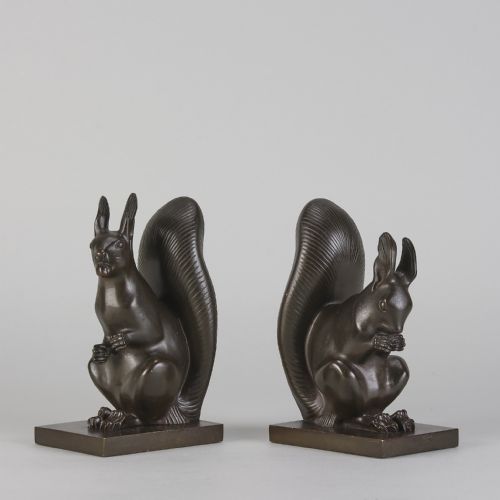
Brown Bronze Animal Sculpture
These brown bronze animal sculpture pieces capture birds, hounds and wild beasts in cast metal, bringing nineteenth-century naturalism and twentieth-century form to a desk or shelf.
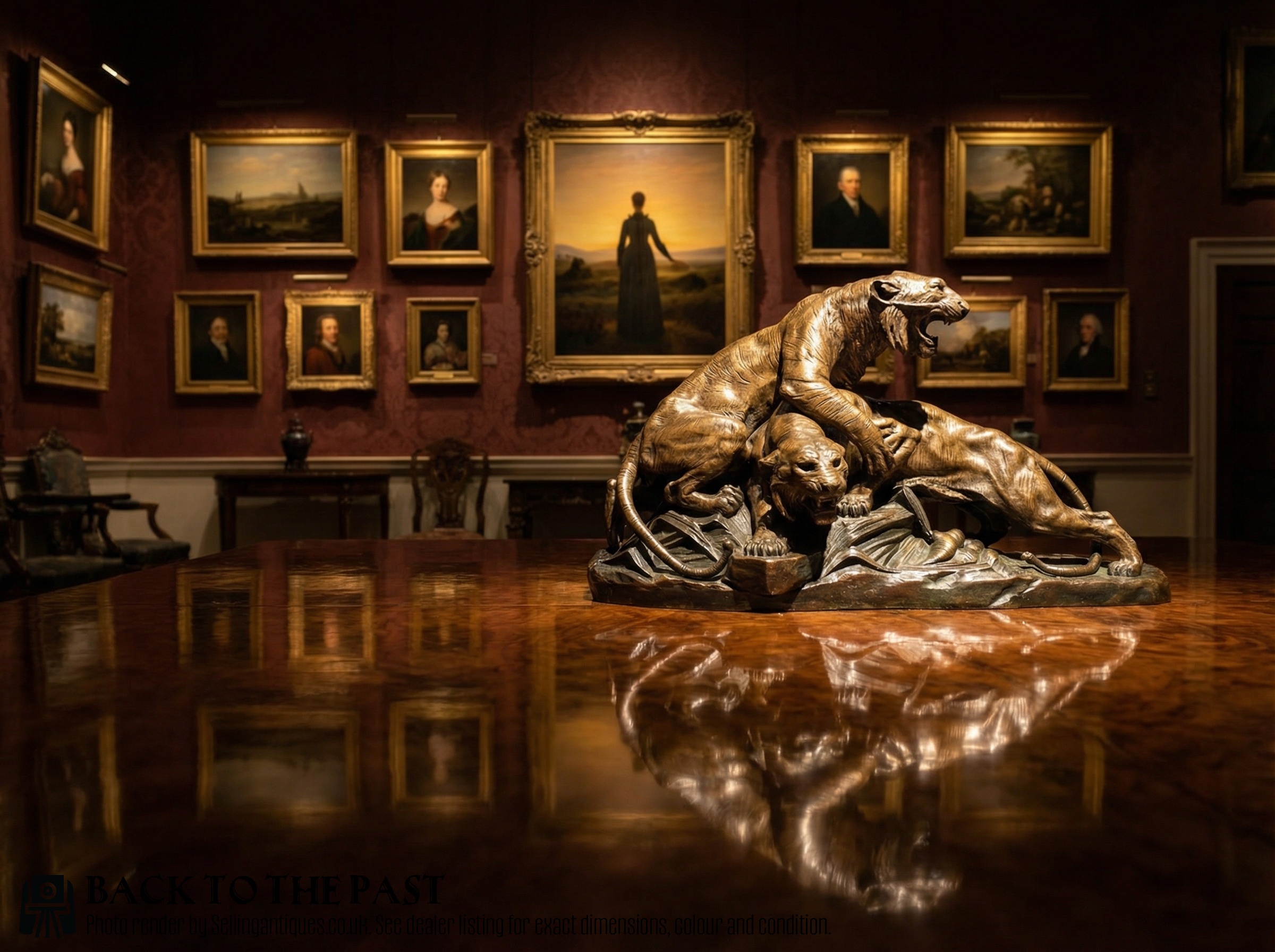
Brown Bronze Animal Sculpture
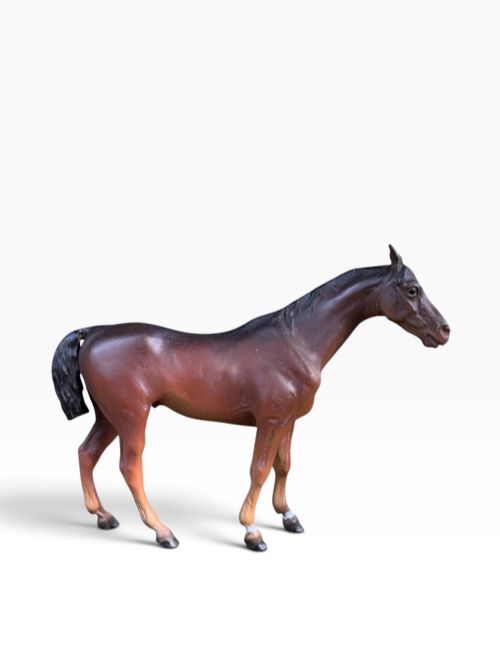
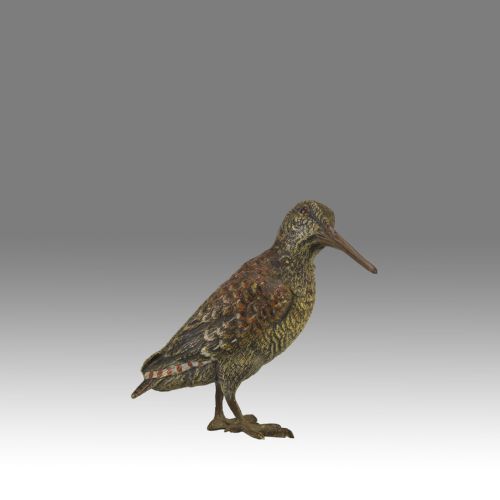
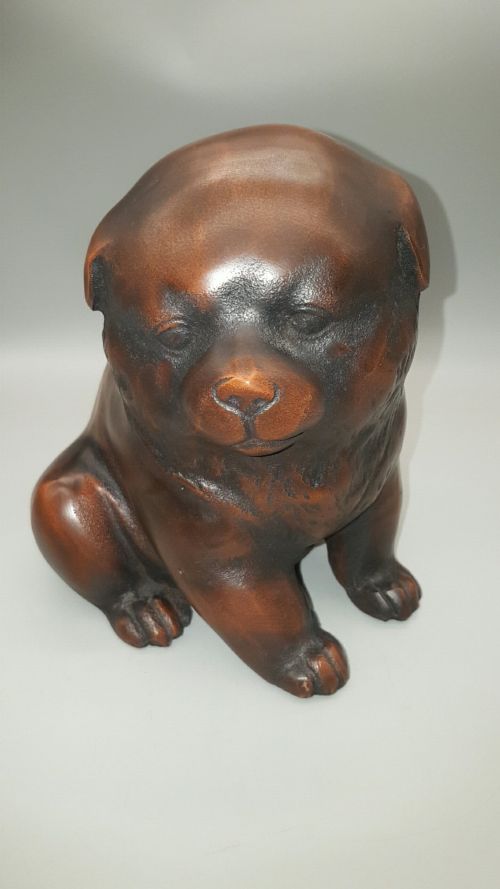
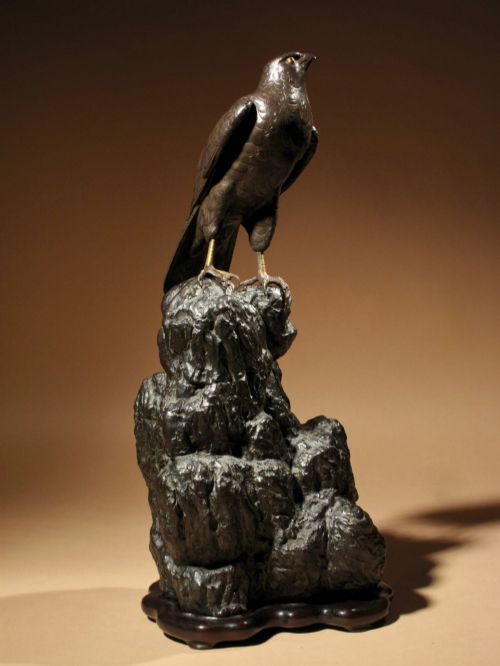
A brown bronze animal sculpture represents dogs, birds and big cats modelled during the nineteenth and early twentieth centuries. These figures emerge from French Animalier traditions, Austrian cold-painted workshops and Japanese Meiji period foundries.
The most common versions on this page are domestic and wild animals cast in patinated bronze, often mounted on marble bases or painted by hand. Collectors encounter everything from miniature rodents to substantial group studies of predators and prey.
Materials and casting methods
Foundries utilised traditional lost-wax or sand-casting techniques to shape molten bronze into lifelike animal forms. Artisans then applied chemical patinas to achieve rich brown surface tones, or layered cold paint over the metal.
Many sculptures incorporate secondary materials such as marble or onyx for bases, while Japanese Meiji works utilise intricate surface chiselling and distinct patination to delineate fur and feathers.
Listings span the nineteenth century through the mid twentieth century, featuring both French Animalier studies and Japanese Meiji period bronzes.
Distinctions in casting and finish
Quality rests in the fidelity of the anatomical modelling and the crispness of the chase work after casting. Superior pieces retain sharp muscle definition, fine fur texture and subtle colour variation in the patina.
The depth and preservation of the original cold-painted pigments or chemical patination distinguish finer examples from later or simpler commercial casts.
Franz Bergman·Tsunemitsu·Christophe Fratin·P J Mene·Alfred Barye·Franz Gruber·Clovis Masson·Edith Parsons·A L Barye·Auguste Nicholas Cain·Jules Moigniez·Arthur Waagen·G Gardet·Albert Hussmann·Antoine Louis Barye·Isidore Jules Bonheur
The Brown Bronze Animal Sculpture Glossary
- Animalier
- A nineteenth-century artistic movement dedicated to realistic sculptures of animals. Practitioners focused on capturing authentic anatomy and movement in bronze.
- Cold-Painted Bronze
- A technique where oil paints are applied to a cold bronze surface rather than fired in a kiln. This method produced the vibrant coloured plumage seen on many Austrian bird and animal figures.
- Patina
- The chemical colouration on the surface of bronze caused by age or intentional treatment. Makers used patination to create warm brown and dark tones that highlight the metal contours.
- Okimono
- A Japanese decorative figurine designed for display on a shelf or cabinet. Meiji period examples in bronze often depict natural subjects with meticulous detail.
- Spelter
- A zinc alloy commonly utilised as a cheaper alternative to bronze for decorative figures. Art Deco panthers and stags were frequently cast in spelter and mounted on marble bases.
Brown Bronze Animal Sculpture: Frequently Asked Questions
What is an animalier sculpture?
An animalier sculpture is a nineteenth-century artwork focusing specifically on the realistic depiction of animals in motion or repose. These pieces highlight natural behaviour rather than idealised forms.
Artists observed creatures in menageries and the wild to capture authentic muscle structure and posture in cast metal.
How do I clean a bronze sculpture?
Bronze sculptures require very little maintenance beyond gentle dusting with a soft, dry cloth. Avoid using water, polishes or chemical cleaners that might strip the original patina.
Maintaining a stable indoor humidity helps protect both the metal surface and any attached marble or wooden bases.
What is cold-painted bronze?
Cold-painted bronze refers to metal figures decorated with oil-based paints applied without heat firing. Austrian workshops popularised this technique for brightly coloured birds and dogs.
Over decades, the paint can show delicate wear which forms part of the piece's historical character.
How do I identify Meiji period bronzes?
Meiji period Japanese bronzes often feature exceptionally fine surface detailing, such as individual hair strokes and complex patination. Many pieces depict native wildlife like elephants, tigers and wolves.
Signatures or seals incised into the metal frequently identify specific Japanese metalworkers and foundries from the era.