






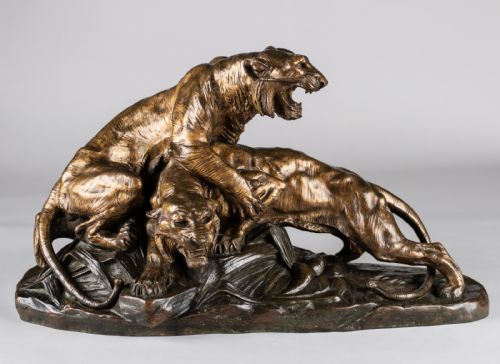
Dark Bronze Big Cat
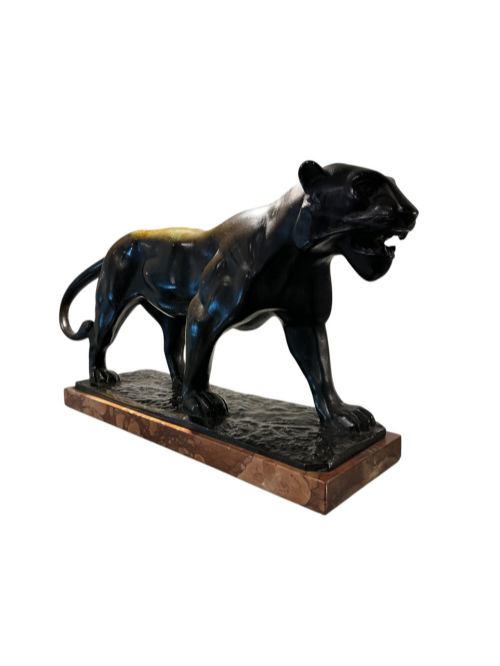
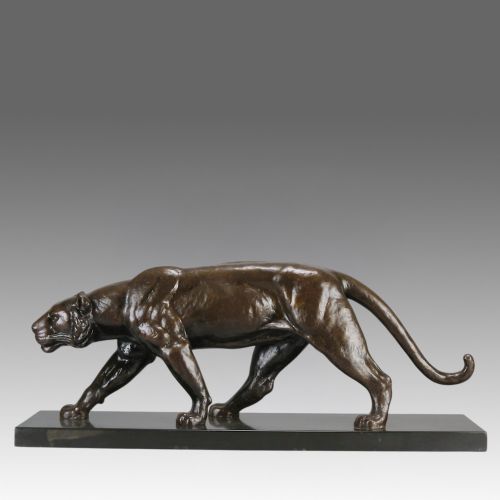
These dark bronze big cat sculptures bring muscular tension and dynamic movement into a room.
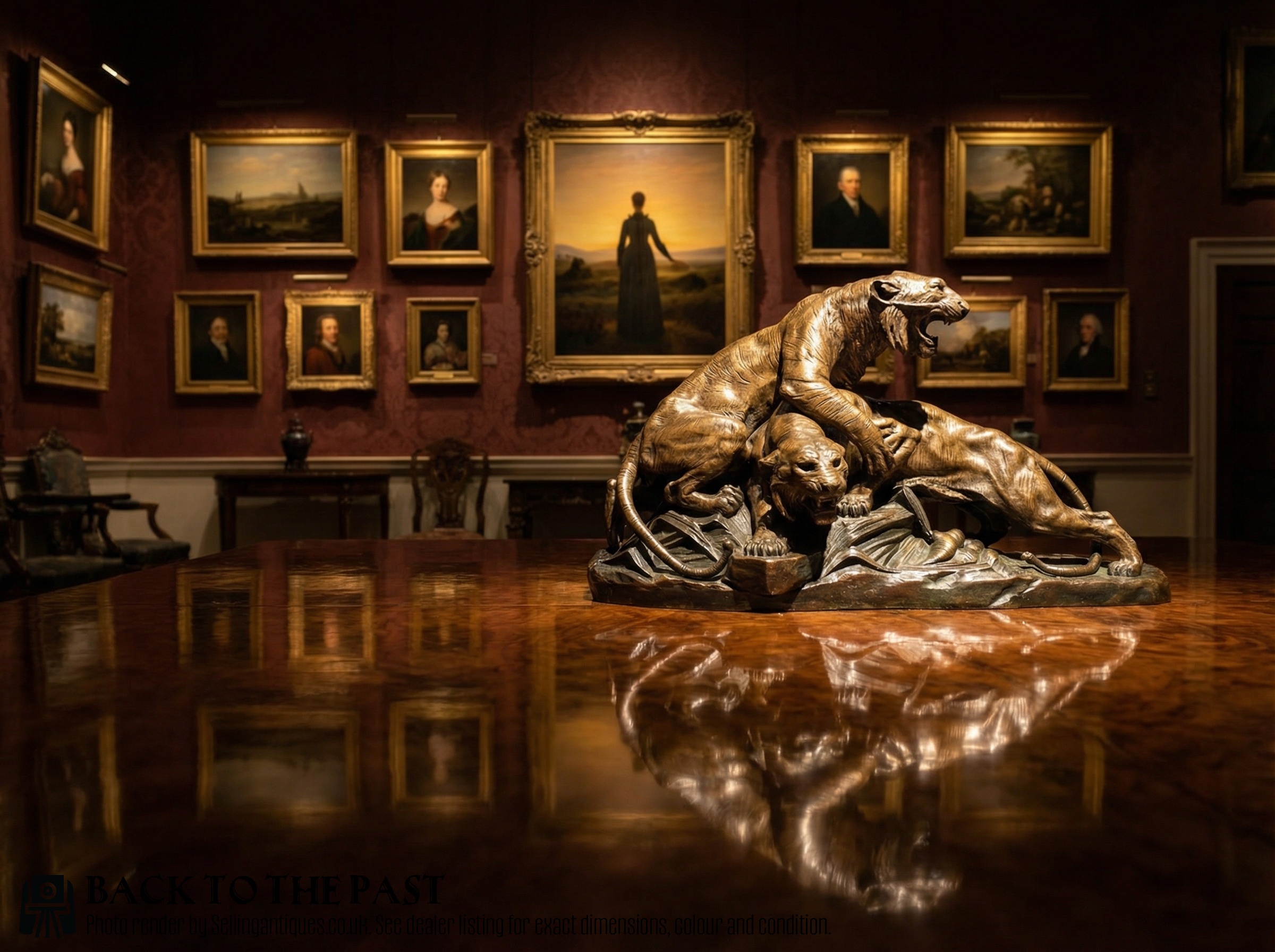
Dark Bronze Big Cat
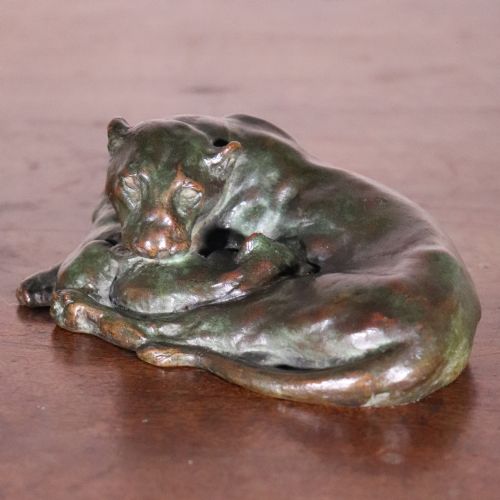
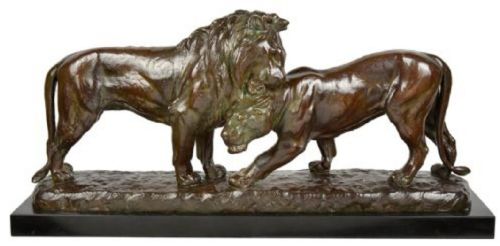
A dark bronze big cat captures the raw energy of wild predators through sculptural forms ranging from prowling panthers to crouching tigers. These pieces primarily date from the nineteenth century through the mid twentieth century, reflecting the enduring popularity of animalier subjects among collectors. You will frequently encounter representations of panthers, lions, and tigers depicted with intense realism or stylised geometric lines.
How they were made
The creation of these sculptures involves casting molten metal into detailed moulds, followed by meticulous hand finishing to define the musculature and fur of each animal. Founders utilised traditional bronze casting methods, applying chemical patinas to achieve the deep, dark surface tones characteristic of these predatory subjects. Alternative base metals such as spelter also appear in the historical record, offering a lighter cast finished with similar patination.
Foundries often combined cast metal figures with polished marble bases, securing the sculpture through threaded pins or screws underneath the stone. Artisans incised signatures, foundry stamps, and titles directly into the metal surface or the marble base before final assembly.
Listings span periods from the nineteenth century through the nineteen sixties, featuring bronze, spelter, and marble materials.
What varies in quality
Foundry reputation and artist attribution significantly influence the standing of an individual piece, as established makers achieved greater precision in their proportions and patination. The quality of the marble base and the proportional harmony between the predator and its mount further separate standard production pieces from exceptional foundry outputs.
Alexandre Ouline·G.Gardet·Vannetti·Anna Vaughn Hyatt Huntington·Clovis Masson·Georges Gardet·Siot Foundry·Louis Riche·Barye·Barbedienne·E.Drouot
The Dark Bronze Big Cat Glossary
- Animalier
- A nineteenth century artistic movement focused on the realistic depiction of animals, particularly wild beasts in motion or repose. Sculptors in this tradition studied anatomy extensively at menageries.
- Patinated Bronze
- A bronze sculpture treated with chemical solutions to produce a specific surface colour, most commonly dark brown, black, or green tones. This finish protects the metal and defines sculptural contours.
- Spelter
- A zinc alloy utilised as a less expensive alternative to bronze for casting sculptural figures. It is often given a bronze coloured finish to mimic heavier metal work.
- Hot Cast Bronze
- A traditional manufacturing method where molten bronze is poured into a refractory mould. This technique ensures durability and captures fine surface details from the original model.
Dark Bronze Big Cat: Frequently Asked Questions
Where should I place a heavy bronze sculpture?
Position these heavy sculptures on sturdy furniture such as sideboards, desks, or low bookcases where the substantial weight of the marble base is fully supported. Ensure the surface is level and away from high traffic areas to protect both the piece and your home.
Keep the sculpture out of direct sunlight to protect the patinated surface and prevent any dust accumulation from bonding permanently with the metal pores.
How do I clean patinated bronze safely?
Dust the sculpture regularly using a soft, dry artist brush or a clean microfiber cloth to remove particles from crevices. Avoid using water, soap, or chemical polishes, as these substances can strip the dark chemical patina from the metal.
Professional conservation is recommended if the surface develops active corrosion or white powdery spots, which indicate environmental moisture damage.
What defines the Art Deco big cat style?
Art Deco big cat sculptures emphasise streamlined geometry, sleek silhouettes, and stylised muscular forms rather than strictly naturalistic rendering. These pieces often feature simplified feline shapes paired with sleek black marble bases characteristic of the interwar period.
The posture of the animal typically conveys controlled power, reflecting the modern design sensibilities of the nineteen twenties and nineteen forties.
How can I identify a foundry mark?
Foundry marks and artist signatures are usually stamped, cast, or engraved directly into the bronze near the base of the animal or along the edge of the stone plinth. Inspect these areas under a strong directional light to read faint or worn inscriptions.
Comparing the stamp to documented foundry ledgers helps confirm the production period and the specific workshop responsible for the casting.