




Brown Art Pottery Vase
A brown art pottery vase brings rich, earthy tones and tactile glazes into a room, representing the creative spirit of the late nineteenth and early twentieth centuries.
Brown Art Pottery Vase
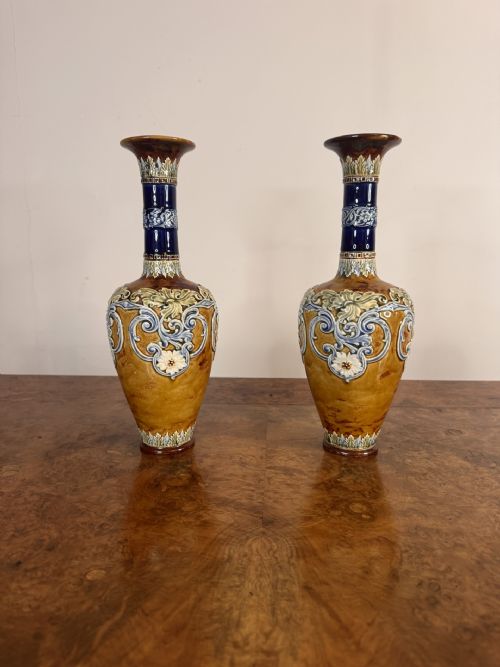
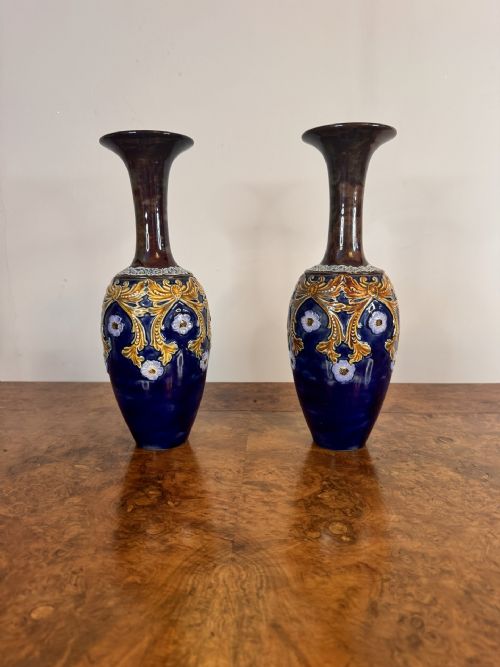
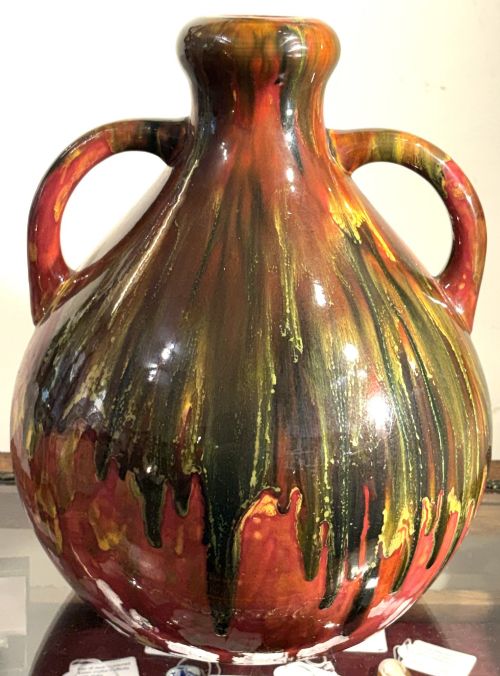
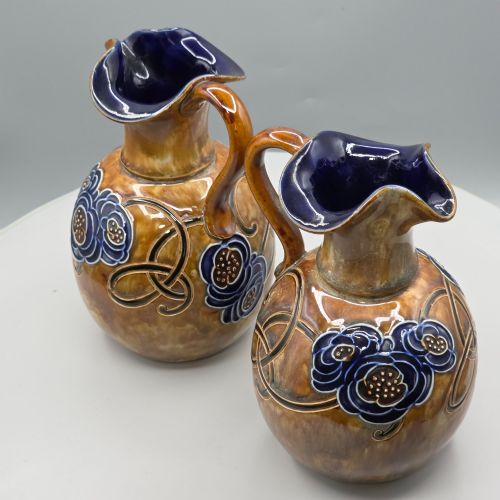
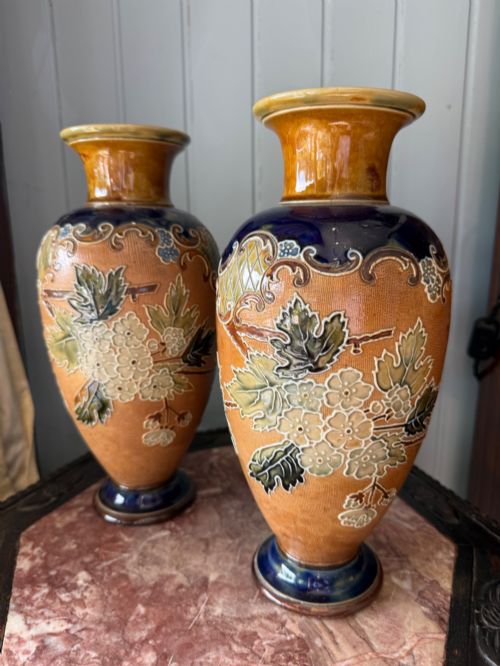
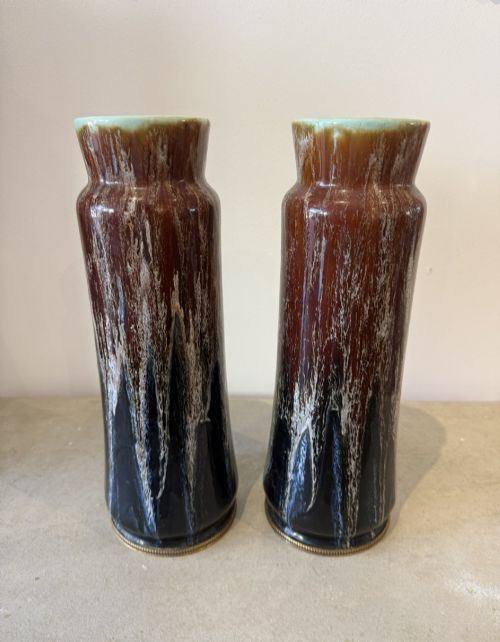
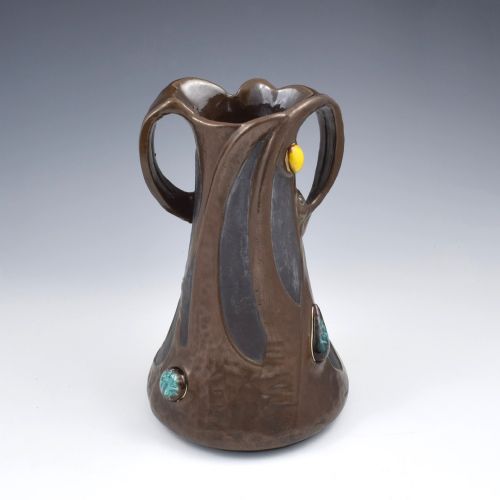
When searching for a brown art pottery vase, you encounter pieces spanning from the Victorian era through the early twentieth century, with a strong representation of the Arts and Crafts and Art Nouveau movements. These vessels range from intimate cabinet pieces to large, commanding twin-handled floor vases and ewers.
Makers from Britain, Europe and beyond experimented heavily with form and surface during this period, producing standard vases alongside specialised shapes like stick stands and planters. The common thread is a deep, rich brown palette achieved through specialised glazes, slip techniques and natural clay bodies.
Materials and construction
Potters utilised stoneware and earthenware bodies, often throwing the vessels on a wheel or casting them in moulds before applying intricate surface decoration. Glaze chemistry was a primary focus, resulting in mottled, crystalline or lustrous finishes that interacted directly with the underlying clay.
Many workshops incorporated hand-modelled elements, incised floral motifs or applied jewelled cabochons to break up the dense brown surfaces. Enamel and metallic copper effects were frequently layered over the ceramic base to catch the light and add depth.
Brown Art Pottery Vase Retail Price Guide 2026
Typical asking prices for brown art pottery vase among the pieces listed under this phrase on Sellingantiques today, from the lower quarter to the upper quarter. They describe what is for sale here now, not the wider market.
Several makers hid intricate artist monograms beneath dense copper-effect glazes, turning the base into a treasure hunt for keen-eyed collectors.
Factors of quality
Quality in these vessels rests upon the ambition of the form and the success of the glaze chemistry. Superior examples display crisp definition in hand-carved or incised decoration, where the glaze pools harmoniously to accentuate the contours rather than obscuring the maker's hand.
The distinction between standard commercial output and the finest studio pieces lies in the individuality of the surface treatment and the reputation of the decorator or pottery. Signed pieces by recognised artists or specific studios command attention through their accomplished execution and balanced proportions.
Royal Doulton·Doulton Lambeth·Burmantofts Faience·Linthorpe Pottery·Paul Dachsel Amphora
The Brown Art Pottery Vase Glossary
- Stoneware
- A robust, vitrified pottery body fired at high temperatures until non-porous. It provides a durable foundation for heavy glazes and intricate surface carving.
- Earthenware
- A porous pottery fired at lower temperatures than stoneware. It requires a complete glaze application to hold water and accept surface decoration.
- Faience
- Tin-glazed earthenware traditionally known for bright colours, though certain nineteenth-century British potteries applied the term to specialised art pottery bodies. It often supports rich, textured surface designs.
- Slip
- Liquid clay applied to the surface of a vessel before firing to alter the colour or add raised decorative patterns. Potters use it to create contrasting linear details beneath transparent glazes.
- Cabochon
- A polished, rounded gemstone-like motif applied to the body of a vessel. In ceramic work, it is often moulded and glazed separately to stand out against a metallic or matte ground.
Brown Art Pottery Vase: Frequently Asked Questions
How do I clean a ceramic vase?
Dust the surface gently with a dry, soft cloth to protect the glaze and any delicate applied details.
Avoid submerging older earthenware in water, as moisture can penetrate through tiny crazing lines in the glaze.
Are these pieces waterproof?
Stoneware vessels are generally impervious to water due to their high firing temperature and vitrified body.
Earthenware pieces with extensive crazing are better used for dried botanicals rather than holding fresh water directly.
How do I date a ceramic piece?
Look for impressed factory marks, registration numbers or artist monograms on the unglazed base of the vessel.
Compare the stylistic cues, such as Art Nouveau whiplash lines or Arts and Crafts leaf patterns, against known production periods.
Where should I display a large ewer?
Place substantial ewers and handled vases on sturdy low furniture where their vertical form and silhouette can be appreciated.
Keep them away from direct sunlight and high-traffic areas to protect the original glaze and applied cabochons from accidental knocks.