
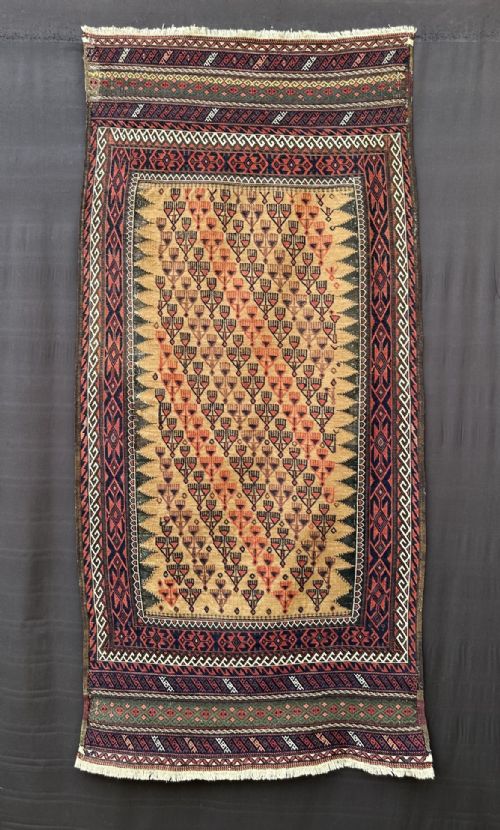




Brown Runner
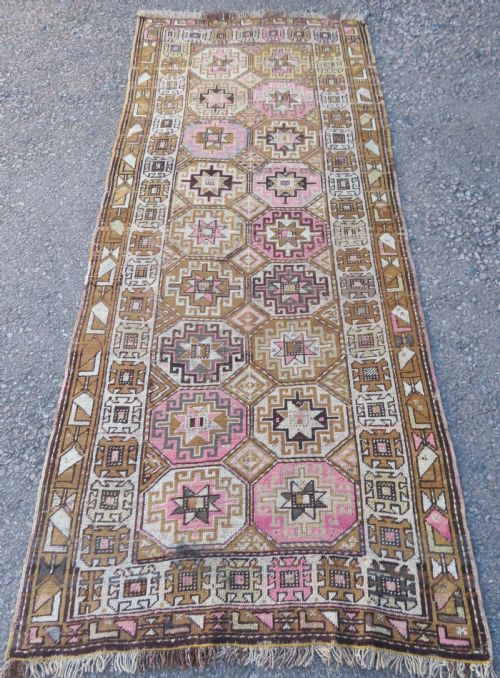
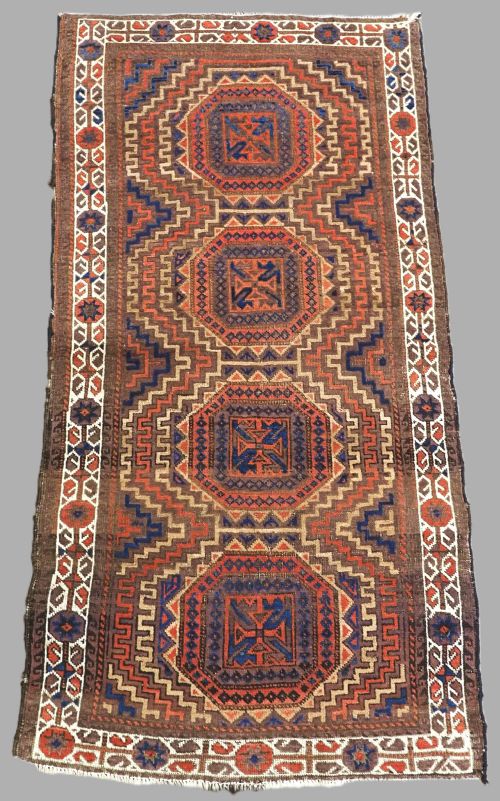
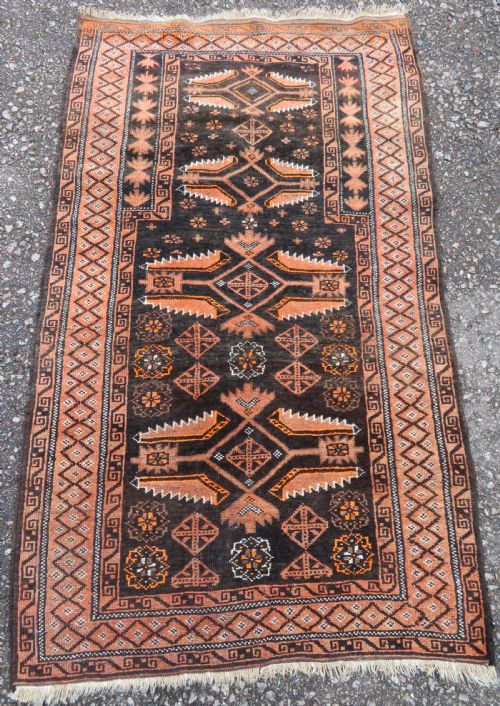
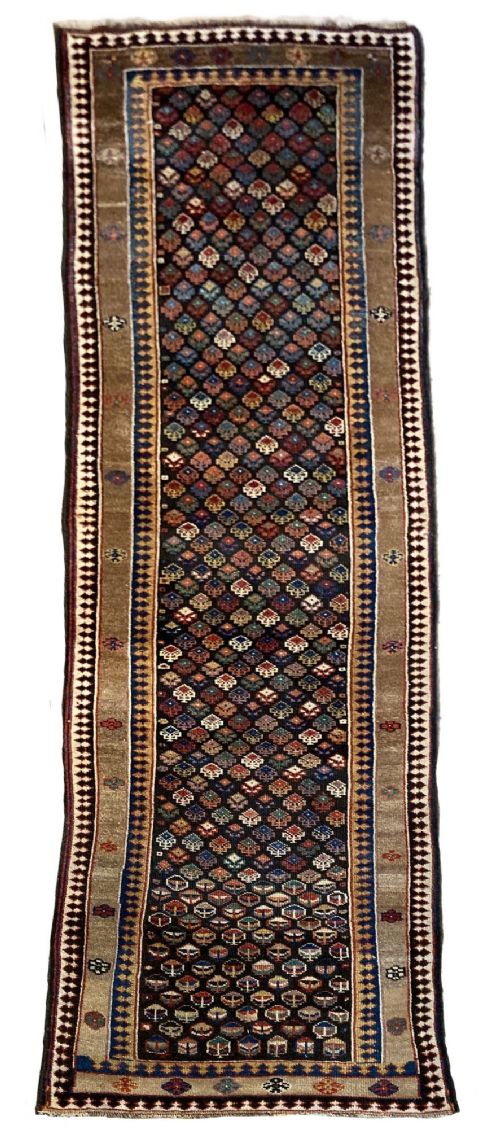
A brown antique runner brings the dense patterns and deep earthy tones of tribal weaving into a hallway.
Brown Runner
When you search for a brown antique runner, you encounter handwoven floor coverings originating from tribal and village communities across Persia, Central Asia, and the Caucasus. These textiles encompass long formats, Kurdish kellehs, and Caucasian runners created to span corridors and narrow spaces.
The selection on this page leans heavily toward nineteenth and early twentieth-century examples, including Baluch, Kurdish, and Afghan tribal works. These textiles reflect nomadic weaving traditions, employing motifs passed down through generations of makers.
While many pieces take the form of traditional rugs and kilims, the runner format offers a practical way to integrate historical tribal weaving into modern interiors. The palette often centres on rich natural browns, deep reds, and dark neutrals derived from organic sources.
How they were made
The construction of these pieces relies primarily on hand-spun wool and cotton foundations, manipulated through knotted pile or flatweave techniques. Artisans utilised natural dyes derived from plants and minerals, yielding complex, variable shades of brown and earthy hues over time.
Weavers worked on traditional horizontal or vertical looms set up in tents or village workshops, employing sturdy materials such as hemp rope and camel wool in specific regional variations. The density of the weave and the structure of the flatwork or pile determine the physical weight and drape of each runner.
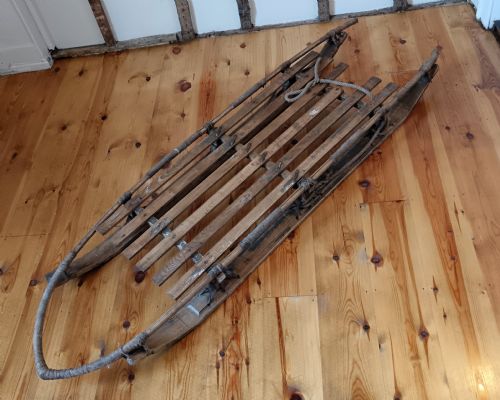
One historical entry records an expedition polar explorer's sledge of Nansen design, proving tribal rugs are not the only things built for harsh journeys.
What varies in quality
Quality in these runners rests upon the integrity of the wool, the precision of the knotting or flatweaving, and the depth of the natural dyes. Superior examples demonstrate a tight, resilient structure that maintains its form under foot traffic while retaining flexibility.
The articulation of tribal motifs, such as guls or geometric borders, distinguishes finer pieces from simpler village outputs. Consistency in the hand-spun yarn and the harmonious ageing of the organic dye palette indicate the level of care and skill invested by the original weaver.
The Brown Runner Glossary
- Gul
- A medallion or repeating octagonal motif commonly found in Turkmen and Baluch tribal weaving. These designs often signify specific tribal lineages and visual histories.
- Kilim
- A flatwoven textile produced without a pile by tightly interweaving warp and weft strands. This technique creates lightweight rugs and wall hangings with crisp geometric patterns.
- Kelleh
- A long, narrow room-size rug traditionally used in Persian domestic architecture. These pieces share proportions suited to corridors and large gallery spaces.
- Prayer rug
- A small textile featuring a mihrab or niche design used historically for daily devotions. The directional motif points the user toward Mecca during prayer.
- Pushti
- A small tribal mat or cushion face utilised in nomadic households for seating or leaning. These compact pieces display concentrated versions of larger tribal rug patterns.
Brown Runner: Frequently Asked Questions
How do I care for an antique wool runner?
Vacuum the piece gently without a rotating brush roll to prevent catching loose fibres or historical knotting. Professional cleaning by a specialist familiar with antique vegetable-dyed textiles ensures the wool remains preserved.
Keep the runner out of direct, harsh sunlight to prevent the natural brown dyes from fading unevenly. Rotating the position every few months distributes wear evenly across high-traffic hallway sections.
Are these runners suitable for busy hallways?
Tribal runners were originally designed for demanding daily use in nomadic tents and village homes. The sturdy construction of hand-spun wool on strong foundations handles regular foot traffic effectively.
Using a quality underlay beneath the runner prevents slipping and cushions the textile against hard stone or wooden floors. This simple addition reduces friction between the floorboards and the historic foundation threads.
Why do the colours look slightly uneven?
Natural dyes derived from plants and minerals react variably to mordants and spinning batches over time. This subtle variation, known as abrash, creates gentle tonal shifts across the field of the runner.
Hand-spun wool absorbs organic colour differently from synthetic agents, adding rich texture to brown and earth-toned fields. These natural irregularities confirm the use of traditional dyeing methods rather than uniform factory processing.