


Brown Rug
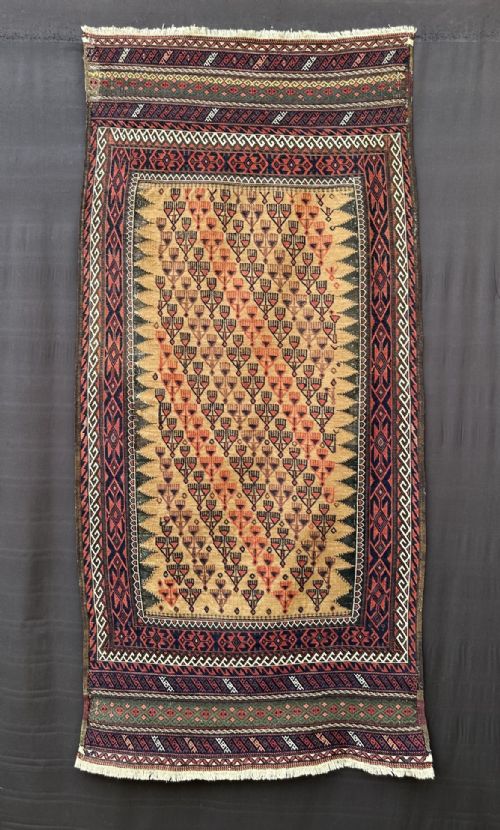
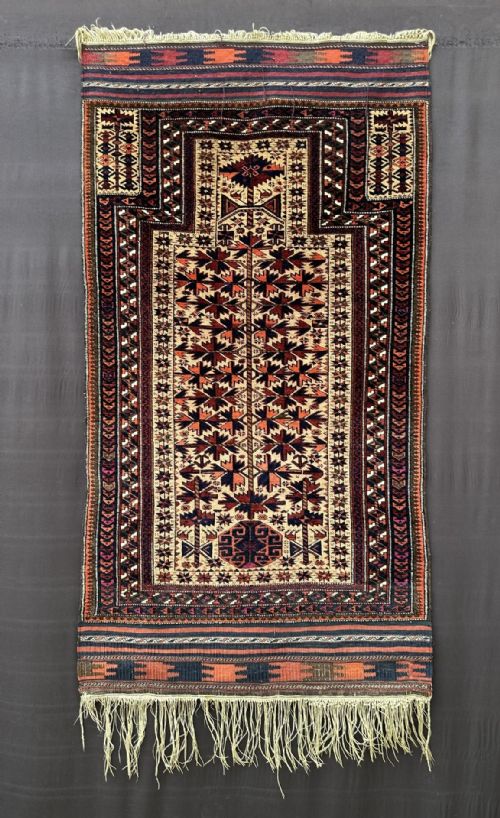
Sourcing a brown antique rug brings earthy tones and tribal weaving traditions from Persian, Caucasian, and Central Asian workshops into domestic interiors.
Brown Rug
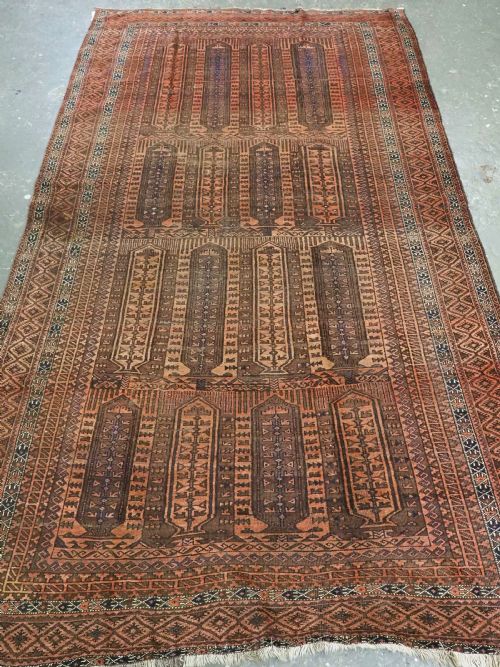
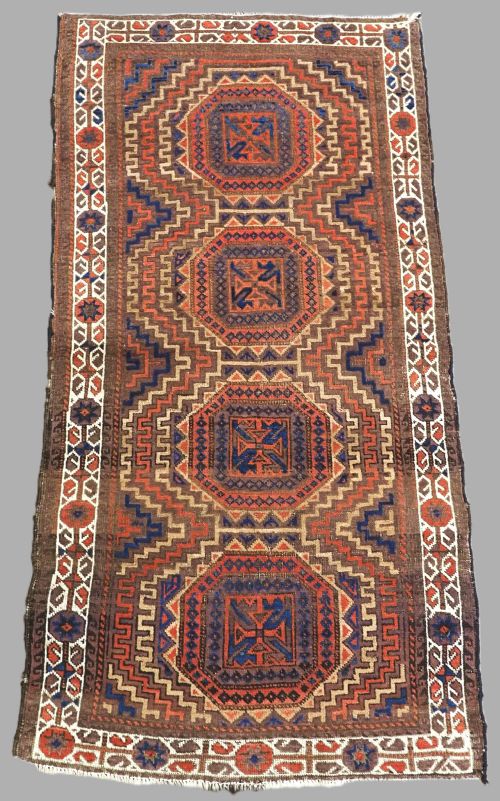
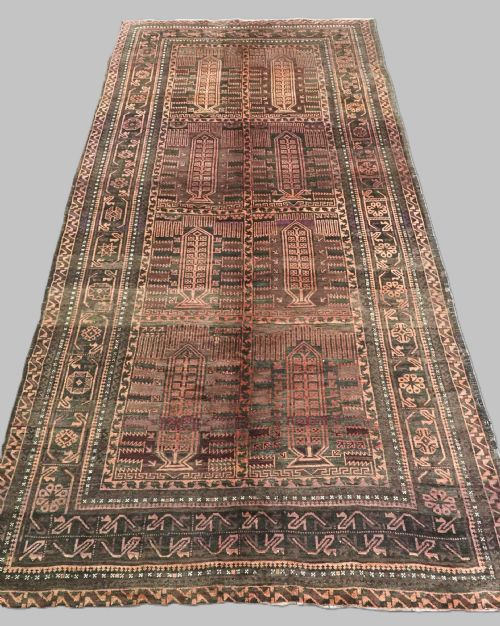
A brown antique rug embodies centuries of nomadic and village weaving traditions originating from Persian, Caucasian, and Central Asian regions. Buyers searching this category frequently encounter tribal carpets, prayer rugs, and utilitarian flatweaves produced during the nineteenth and early twentieth centuries.
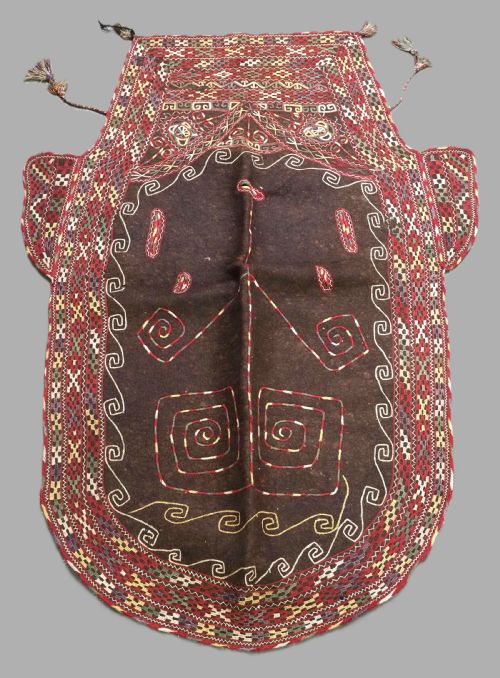
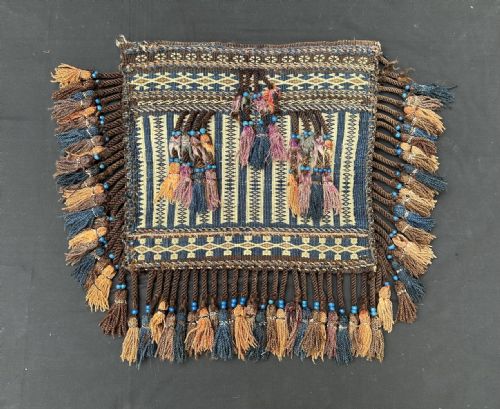
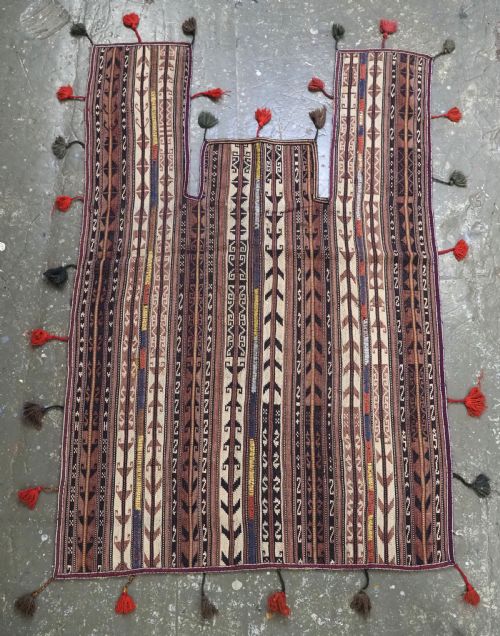
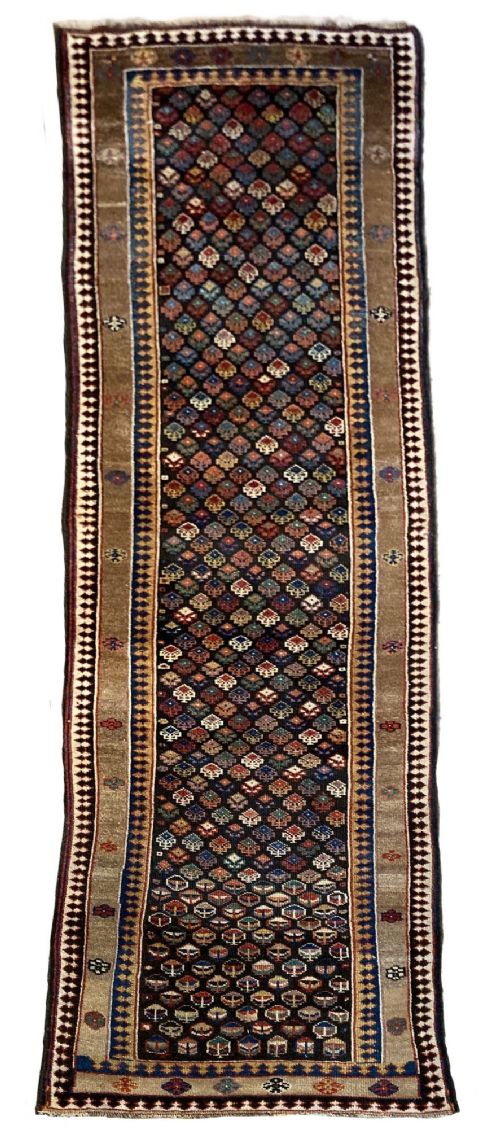
The inventory encompasses diverse regional forms, ranging from Baluch and Yomut Turkmen tent-bags and horse blankets to Kurdish runners and large village carpets. These textiles reflect the utilitarian and ceremonial needs of pastoral communities rather than urban workshop design.
Examples span production periods from the 1870s through the 1930s, displaying characteristic regional motifs such as guls, mihrabs, and geometric borders rendered in subdued, earthy palettes.
Distinctions in craftsmanship
Quality depends upon the density of the weave, the handling of the wool, and the clarity of the regional design execution. Finer examples display tightly packed knots or precise flatweave structures that maintain structural integrity over generations.
The depth and nuance of the natural dyes significantly influence the character of the piece. Superior specimens show harmonious colour saturation and skilled manipulation of earthy tones without muddying the underlying tribal motifs.
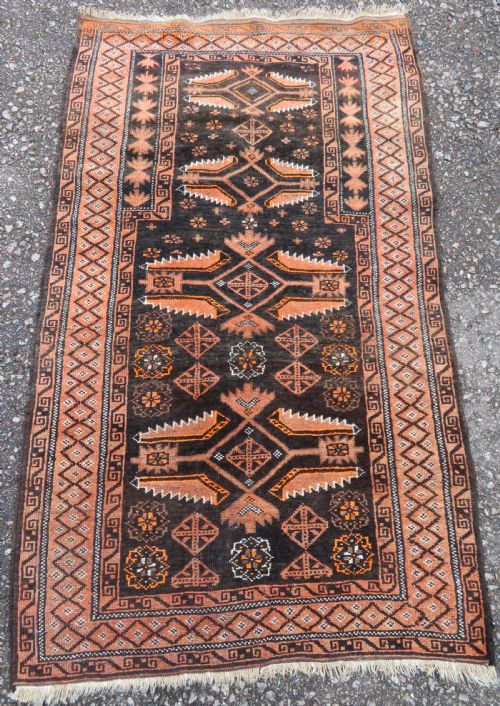
The inventory records numerous tribal typologies, including Turkmen torbas, Afghan prayer rugs, and Persian flatwoven sofrehs.
The Brown Rug Glossary
- Gul
- A repeating octagonal medallion motif frequently found in Turkmen and Central Asian tribal weaving. These geometric emblems often identify specific tribal lineages.
- Mihrab
- An arched design element representing a prayer niche, commonly centred in rugs intended for devotional use. This architectural motif directs the orientation of the textile.
- Sofreh
- A utilitarian spread or cloth used for sharing meals or preparing bread within nomadic households. These flatwoven textiles often feature minimalist geometric field patterns.
- Torba
- A small tribal storage bag produced by Turkmen groups, historically used inside felt tents for domestic organisation. They frequently display characteristic guls and banded flatweave borders.
- Kilim
- A tapestry-woven carpet or flatweave produced without a pile. These textiles rely on tightly packed horizontal weft threads pulled closely over vertical warps to create sharp geometric patterns.
Brown Rug: Frequently Asked Questions
How were these tribal rugs used?
Nomadic communities utilised these textiles as floor coverings, animal trappings, sleeping mats, and storage containers inside tents. Many pieces served utilitarian domestic functions or ceremonial roles during weddings and seasonal migrations.
Over time, these functional textiles transitioned into decorative interior furnishings while retaining their distinct tribal iconography and regional structural characteristics.
How do I care for an antique wool rug?
Gentle vacuuming without a rotating brush roll helps remove embedded dust and grit from the wool pile. Professional conservation cleaning is recommended when deeper maintenance becomes necessary.
Keeping the textile away from direct, harsh sunlight prevents the natural dyes from fading prematurely. Rotating the piece periodically ensures even exposure to light and foot traffic.
How do I identify a Baluch rug?
Baluch rugs typically originate from the borderlands of Persia and Afghanistan, characterised by rich dark wool and deep brown or indigo colour schemes. They frequently incorporate geometric guls and camel hair elements.
Structurally, they display firm knotting and distinctive flatweave finishes at the ends, reflecting the heritage of Baluch and Timuri weaving groups.