
Brown Commode
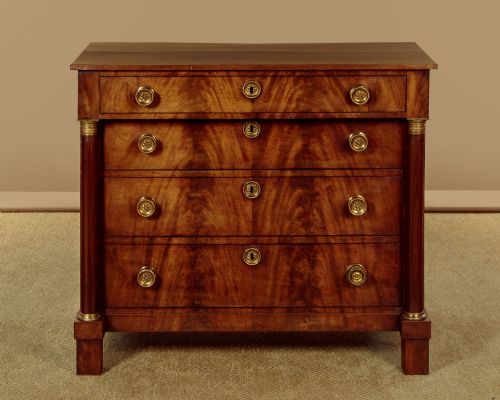
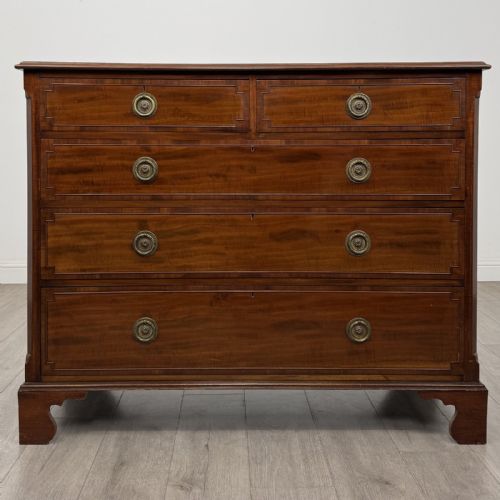
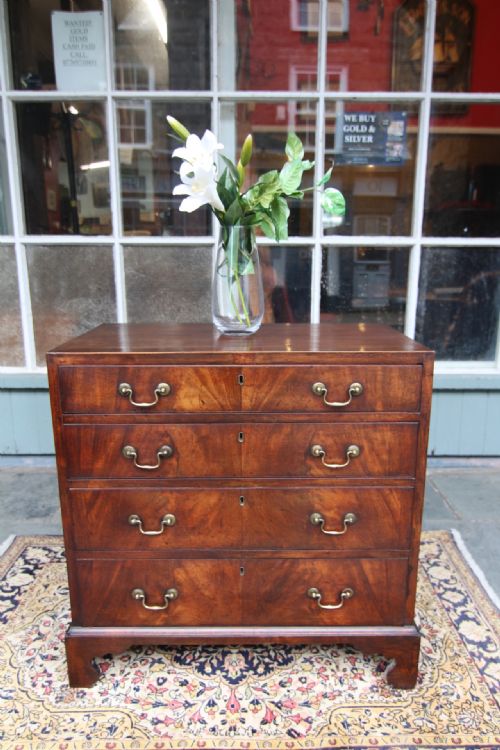
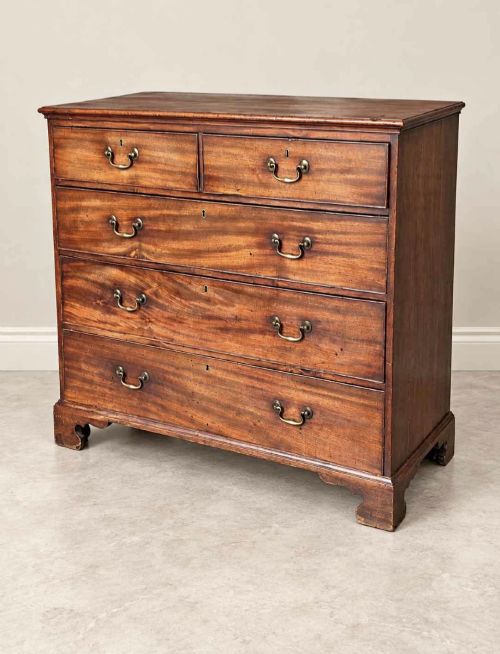
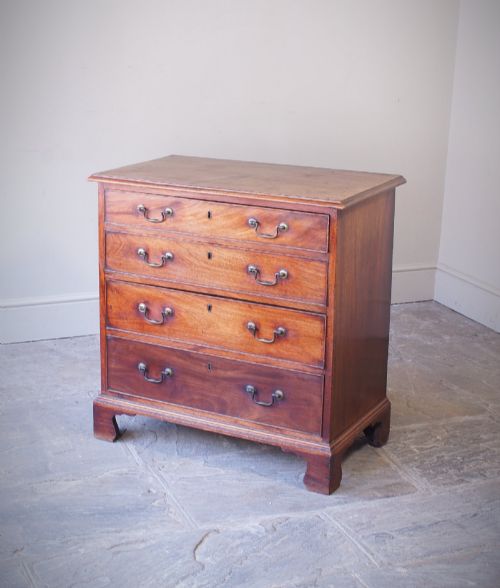
A brown antique commode brings warmth and deep timber grain to a room, functioning as both a practical drawer unit and a focal piece.
Brown Commode
When searching for a brown antique commode, buyers encounter various forms including chests of drawers, bedside cabinets, and nightstands. The selection spans distinct eras such as the Georgian, Victorian, and Regency periods, alongside later 1920 and 1930 interpretations.
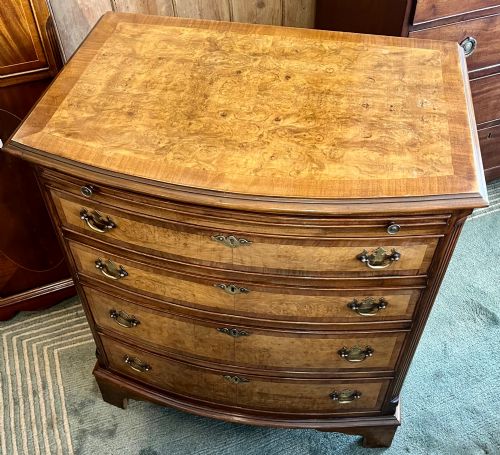
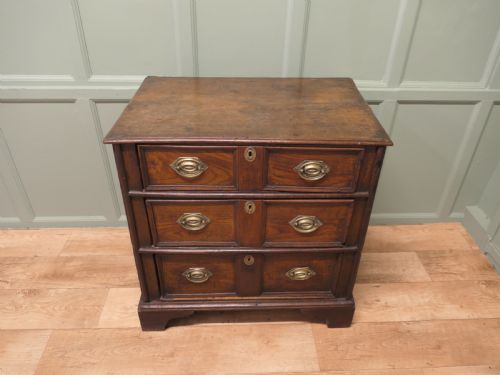
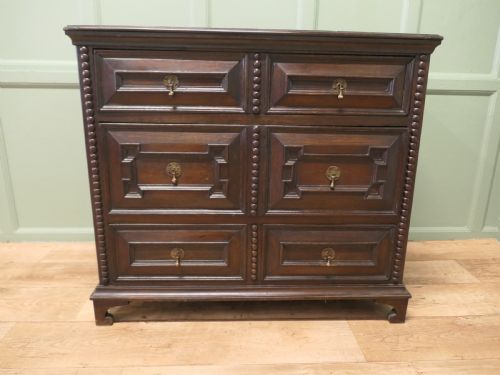
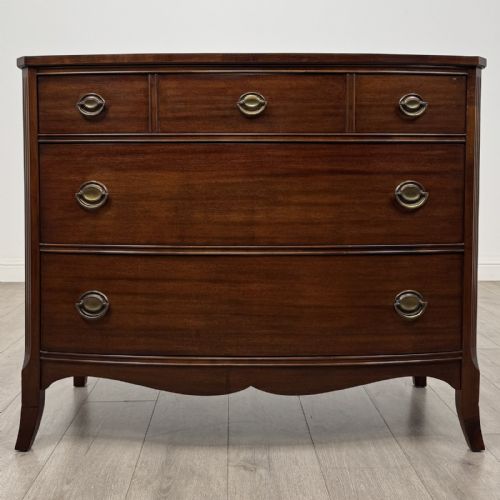
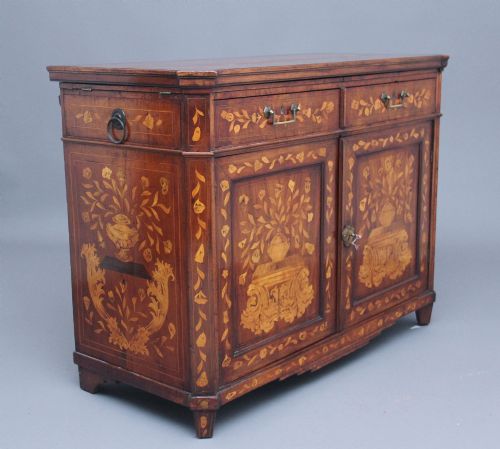
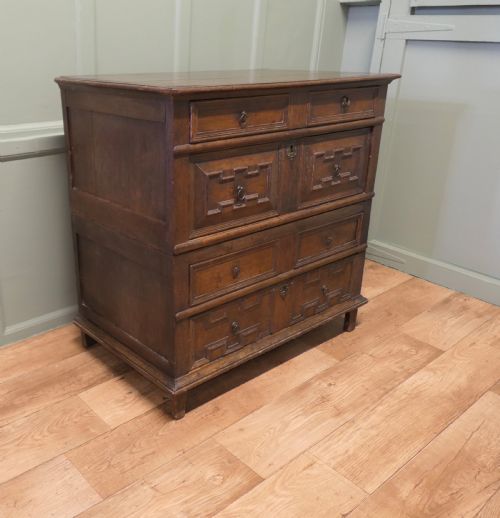
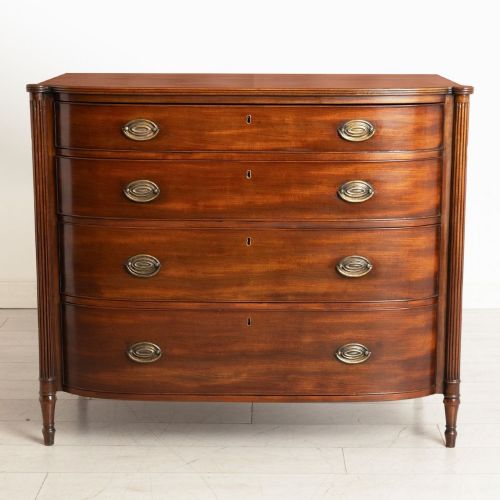
Mahogany and oak dominate the pieces seen here, alongside walnut, cherry, elm, and satinwood. These timber items range from compact bow-front chests to larger serpentine and bombe shapes.
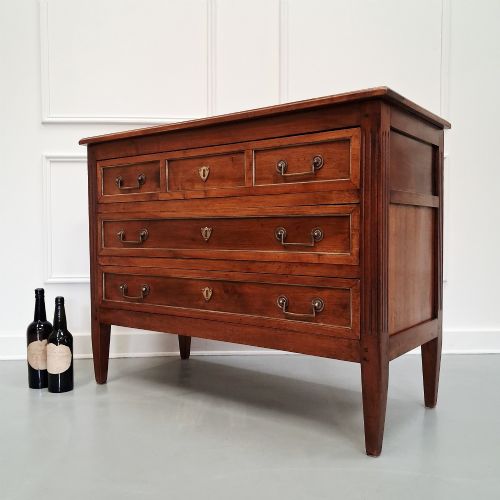
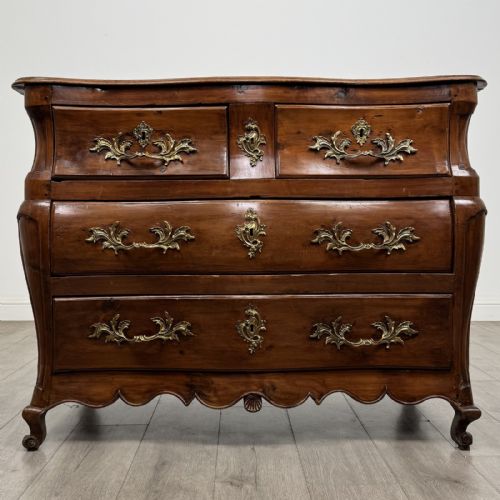
Continental examples introduce distinct profiles, such as French walnut commodes and Dutch travelling cabinets. British country pieces appear alongside refined urban cabinet-making from the 18th and 19th centuries.
Materials and construction methods
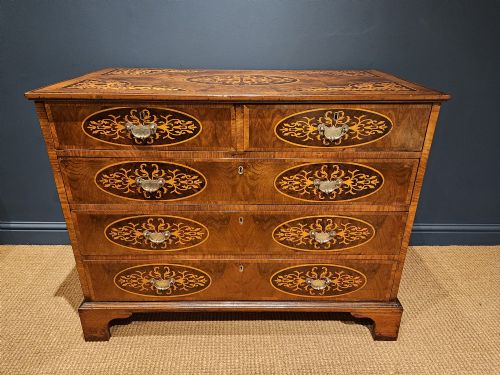
Cabinet-makers relied heavily on dense hardwoods like mahogany, walnut, and oak to build sturdy carcases and drawer frames. Timber veneers and parquetry patterns surface on decorative French and English examples, adding visual texture to the wood grain.
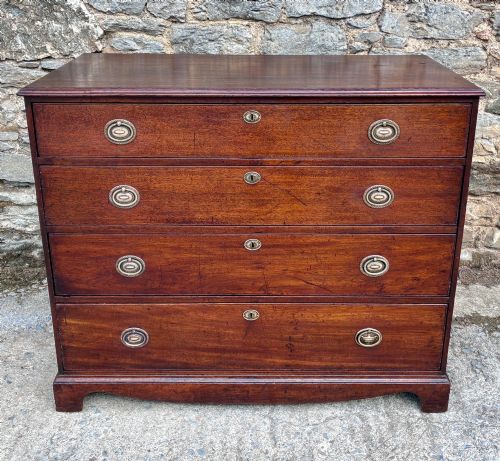
Metal hardware such as brass handles, cup pulls, and ormolu mounts punctuate the dark wooden surfaces. Structural details like bracket feet, bun feet, and raised galleries support the heavier timber bodies.
Several items include secret drawers, offering hidden compartments for stashing small valuables away from curious eyes.
Distinctions in craftsmanship
The standard of a brown antique commode rests on the precision of its timber selection and joinery. Finer pieces display carefully matched wood veneers, tight dovetail joints in the drawers, and well-proportioned graduated timber depths.
Secondary details separate standard storage items from superior examples. Original brass handles, subtle marquetry work, and harmonious proportions indicate a higher level of workshop execution.
The Brown Commode Glossary
- Bombe
- A bulging, outward-curving chest shape associated with continental furniture design. This profile requires advanced woodworking skill to construct from solid timber or veneers.
- Bow-front
- A cabinet front that curves outward in a convex arc. This design softens the room presence of a standard rectangular chest.
- Parquetry
- Geometric patterns formed by fitting small pieces of wood veneer together on a surface. It appears on finer walnut and mahogany cabinet pieces.
- Serpentine
- A front profile featuring a convex centre flanked by concave curves. This undulating shape demands precise carpentry.
- Bracket foot
- A structural support projecting from the lower corners of a cabinet. It replaces traditional legs on many Georgian forms.
- Graduated drawers
- A set of drawers decreasing in depth from bottom to top. This arrangement creates a balanced visual weight on chests.
Brown Commode: Frequently Asked Questions
How do I clean a wooden commode?
Dust the timber surfaces regularly with a soft, dry cloth to prevent dirt accumulation. Avoid harsh chemical polishes that can degrade aged wax or polish finishes.
Apply a traditional beeswax periodically to nourish the dry wood grain and maintain a natural sheen. Keep the timber away from direct heat sources to prevent warping or splitting.
Can I use a antique commode as a bedside table?
Smaller chest forms and nightstands fit comfortably beside standard bed heights. Measure the surface area and drawer clearance to ensure the piece accommodates bedside items.
Compact Georgian and Edwardian chests offer enclosed storage for nighttime essentials while adding historical character to a bedroom.
How do I identify Georgian furniture?
Examine the timber construction for dense mahogany, oak, or walnut alongside traditional hand-cut dovetail joints. Look for architectural proportions and conservative decorative elements like bracket feet.
Inspect the backboards and drawer linings for signs of age, such as hand-sawn timber marks and period-appropriate iron or brass fixings.
What is the difference between a chest and a commode?
British terminology traditionally applies the word chest of drawers to utilitarian storage units. Commode often denotes continental European styles, particularly French designs with decorative mounts.
Over time, the terms have overlapped in the antiques market to describe low drawer units used in bedrooms and living spaces.