


Bronzed Terracotta Sculpture
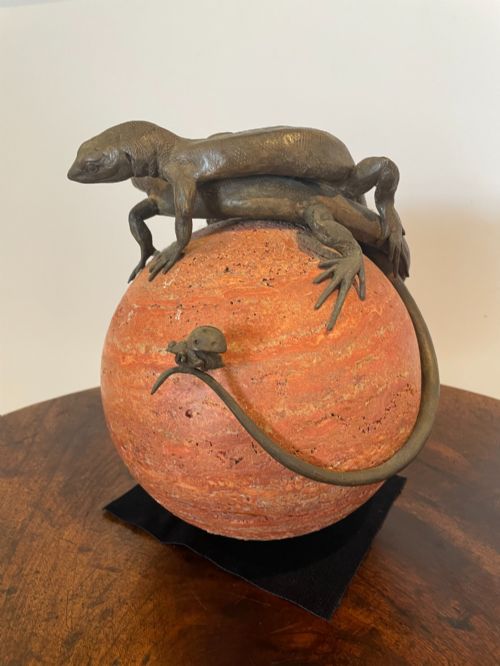
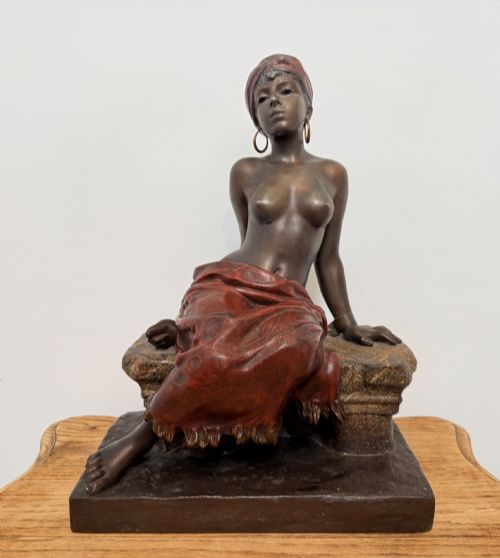
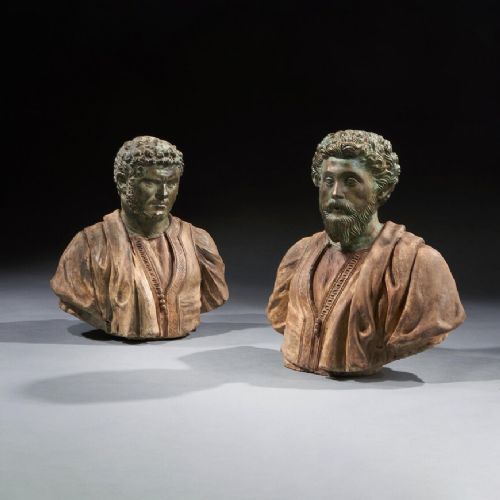
These bronzed terracotta sculpture pieces capture classical grace and organic form, offering tactile presence and rich patination that elevate any mantelpiece.
Bronzed Terracotta Sculpture
A bronzed terracotta sculpture transforms moulded clay into objects that mimic cast metal through careful surface finishing. You will frequently encounter nineteenth century and early twentieth century works, ranging from portrait busts of classical figures to animalier studies and wall reliefs.
The selections on this page span several distinct stylistic movements, most notably Art Nouveau and Orientalist designs alongside Neoclassical portraits. Portrait busts and full figures dominate the available forms, often depicting historical emperors, mythological characters or genre subjects like musicians and pastoral figures.
Materials and construction methods
Makers shaped these pieces primarily using terracotta, earthenware or plaster, sometimes employing slip casting to achieve precise detail in figures. The characteristic metallic sheen comes from specialised paint and pigment applied directly to the porous clay body.
Many works incorporate mixed materials, mounting the primary sculpture on marble or wood bases to provide stability and contrast. Surface treatments range from flat monochrome pigments to complex patinations designed to imitate aged bronze.
Some nineteenth century sculptors apparently grew so fond of lizards that even heavy portrait busts had to share space with a brazen reptile.
Distinctions in craftsmanship
The finesse of the modelling separates standard decorative wares from exceptional studio output, particularly in the rendering of facial expressions, drapery and hair. Sharp, deep definition in the cast or mould indicates a careful production process that preserves the sculptor's original touch.
The integrity of the surface finish dictates the visual impact of the piece, with superior examples retaining complex pigmentation rather than flat, uniform paint layers. Base construction and the integration of secondary materials such as marble also reflect the overall ambition of the piece.
Friedrich Goldscheider·E Villanis·Pietro Calvi·HL Blasche for Reps and Trinte
The Bronzed Terracotta Sculpture Glossary
- Terracotta
- A porous fired clay body that forms the structural base for these sculptures. It is frequently painted or patinated to resemble metal.
- Slip cast
- A manufacturing technique where liquid clay is poured into a plaster mould to produce intricate hollow figures efficiently.
- Animalier
- A nineteenth century artistic focus on the realistic portrayal of animals, often rendered with dynamic naturalism.
- Patination
- The surface treatment applied to mimic the aged appearance of bronze or to enhance the textural depth of the pigment.
Bronzed Terracotta Sculpture: Frequently Asked Questions
What is bronzed terracotta?
Bronzed terracotta is a fired clay sculpture finished with metallic paints or pigments to simulate the appearance of cast bronze.
This technique allowed makers to offer the visual weight of metalwork at a more accessible production scale during the nineteenth and early twentieth centuries.
How do I clean these sculptures?
Dust these pieces gently with a soft, dry brush to protect the delicate painted or patinated surfaces from abrasion.
Avoid using water, liquid cleaners or chemical solvents, as the porous clay and surface pigments are easily damaged by moisture.
How are periods identified?
Dating relies on stylistic markers such as Art Nouveau curves, Neoclassical subject matter, and the specific signatures or foundry stamps of the period.
Material composition, including the type of base and the nature of the slip casting, also helps establish the era of manufacture.