



Bronze Warrior Figure Sculpture
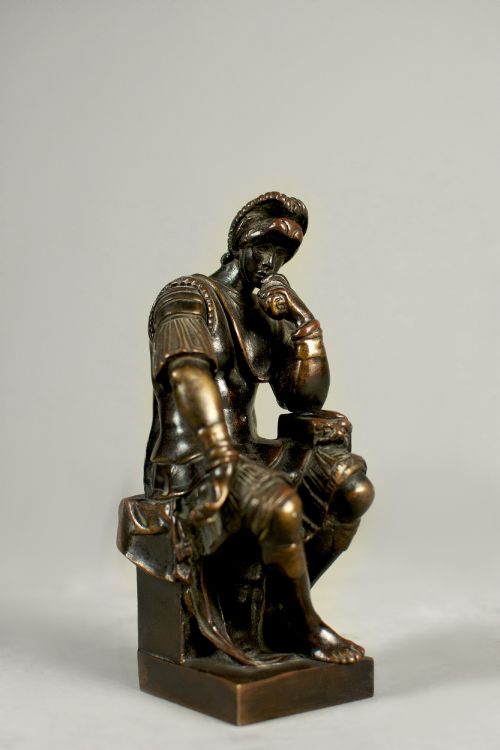
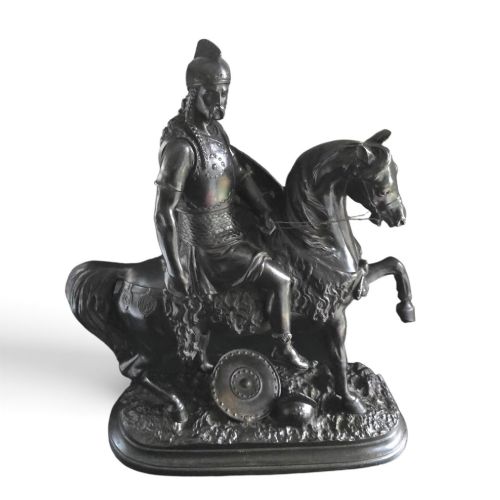
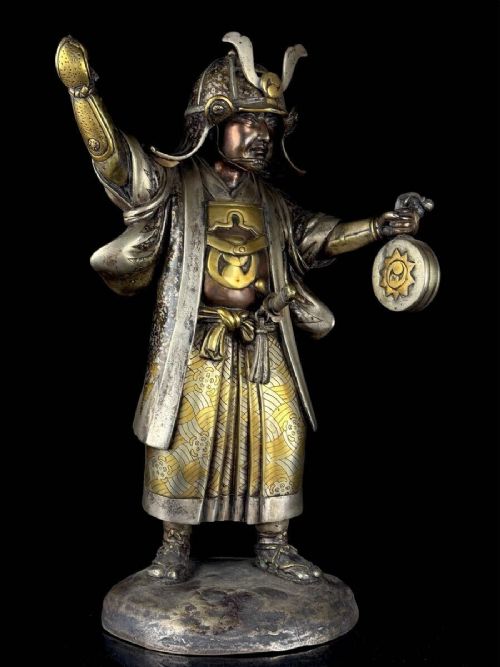
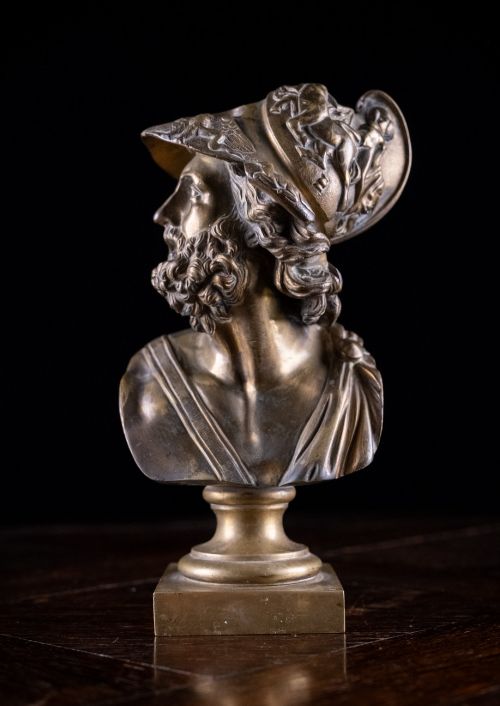
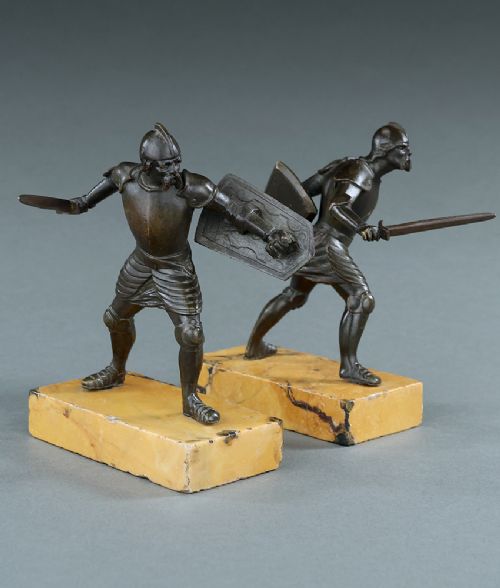
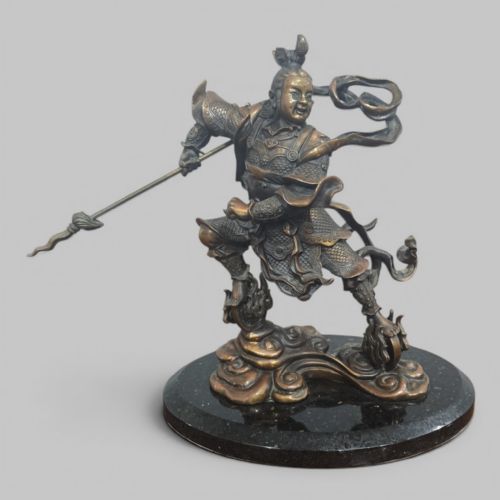
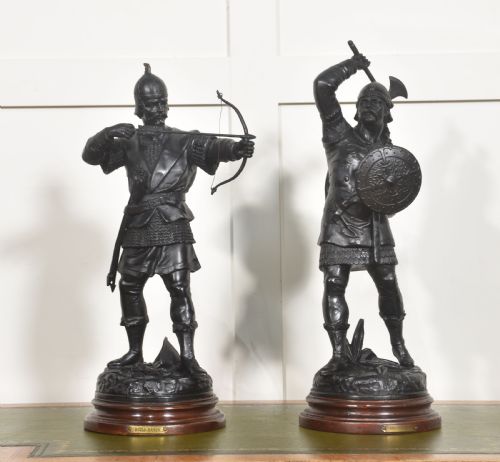
A bronze warrior figure sculpture brings classical heroes, medieval knights and historical fighters into a room with striking presence.
Bronze Warrior Figure Sculpture
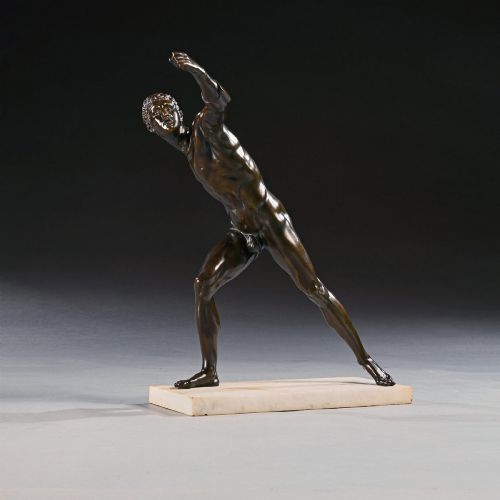
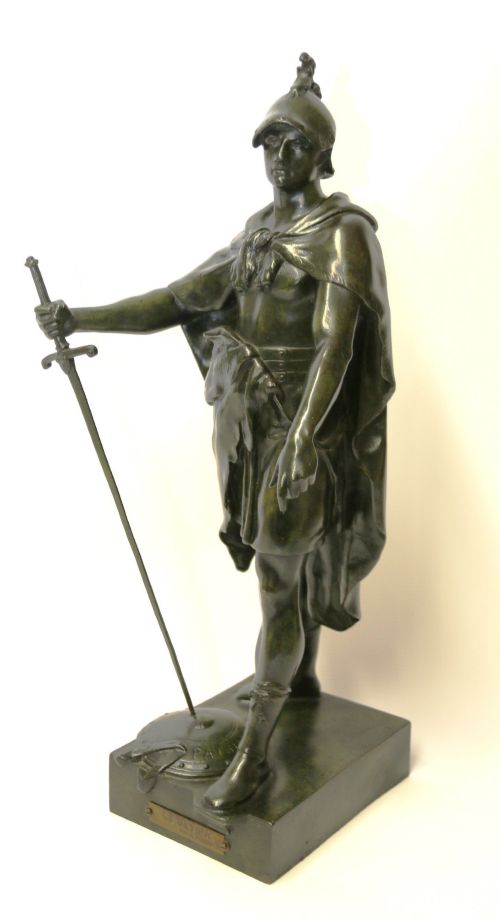
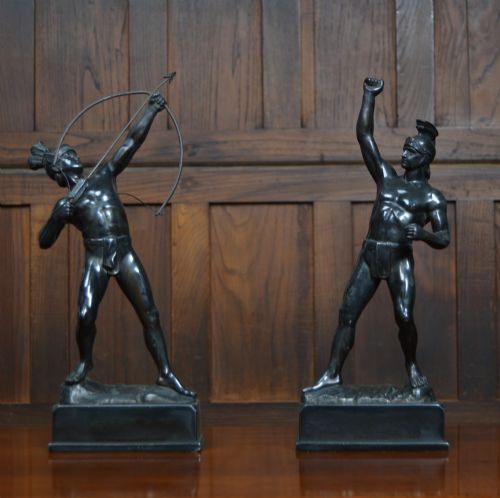
A bronze warrior figure sculpture represents historical, mythological and classical fighters cast in metal during the nineteenth and early twentieth centuries. These figures range from small Grand Tour souvenirs of Roman gladiators and Greek archers to large equestrian statues of Renaissance knights and regional heroes.
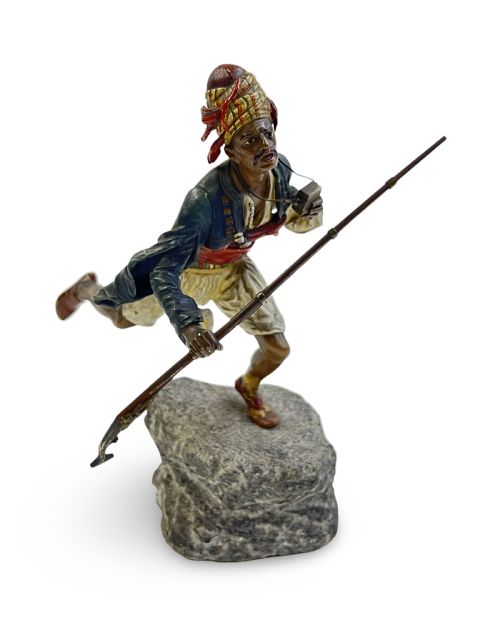
The selection on this page centres heavily on nineteenth-century French and Italian foundry work, alongside Austrian cold-painted Vienna bronzes and occasional African Benin horseman statues. Subjects span from King Clovis and Ajax to Saladin, Boadicea and anonymous Moorish or Arabian sentinels.
Buyers encounter standing soldiers, duelling knights, archers and mounted horsemen cast to decorate libraries, studies and hallways. These works capture romantic nationalism, classical revival aesthetics and nineteenth-century Orientalism through permanent metal forms.
How they were made
Foundries produced these sculptures primarily using traditional lost-wax casting or sand-casting methods to achieve intricate detail in molten metal. Artisans chased the cooled metal surfaces with chisels and files to sharpen armour, facial expressions and weapon details.
Makers applied various surface treatments, including dark chemical patination, gilding, cold-painted polychrome colours and bronze plating over spelter or zinc alloy cores. Marble plinths frequently provided heavy bases for cabinet-scale and larger gallery figures alike.
Bronze Warrior Figure Sculpture Retail Price Guide 2026
Typical asking prices for bronze warrior figure sculpture among the pieces listed under this phrase on Sellingantiques today, from the lower quarter to the upper quarter. They describe what is for sale here now, not the wider market.
Listings feature nineteenth-century materials including patinated bronze, gilt bronze, spelter and marble plinths across neoclassical and Orientalist styles.
What varies in quality
Materials also dictate the tier of a piece, distinguishing genuine heavy bronze and fire-gilt surfaces from later or alternative base metals such as spelter and zinc alloy. The reputation of the foundry and the clarity of an artist signature further elevate the standing of a sculpture.
Émile Louis Picault·Franz Xaver Bergman·Richard Aurili·Émile Laporte·Raoul Francois Larche
The Bronze Warrior Figure Sculpture Glossary
- Grand Tour
- A nineteenth-century tradition where wealthy travellers collected bronze reductions of classical antiquities in Italy and France. These souvenir bronzes replicated famous museum sculptures for private display at home.
- Patinated Bronze
- A metal surface treated with chemical solutions to produce a controlled aged finish, typically rich brown, green or dark near-black tones. This layer protects the alloy and defines the visual mood of the sculpture.
- Spelter
- An inexpensive zinc alloy frequently used as a substitute for bronze in nineteenth-century decorative figures. It is lighter than bronze and often finished with bronze-coloured paint.
- Cold-Painted Bronze
- A technique where polychrome oil or enamel paints are applied to a bronze casting without heat firing. This method was notably utilised by Viennese workshops for colourful Orientalist figures.
- Chasing
- The manual post-casting process of refining metal surfaces with hammers and punches. Skilled artisans used this step to clear away casting flaws and sharpen fine decorative lines.
Bronze Warrior Figure Sculpture: Frequently Asked Questions
How do I clean a bronze warrior figure sculpture?
Dust the surface gently with a soft, dry artist brush to keep crevices free from accumulation. Avoid water, harsh detergents or metal polishes that strip historical patination.
Apply a very light coat of microcrystalline wax occasionally if the bronze requires protection against atmospheric moisture. Buff the wax off thoroughly with a clean cloth.
What is the difference between bronze and spelter?
Bronze is a durable copper alloy that takes fine detail and develops a deep, stable patina over centuries. Spelter is a softer zinc-based metal that feels lighter and was used for more commercial nineteenth-century figures.
Examining the underside or base often reveals the paler grey metal of spelter if the surface coating has worn away. Bronze remains heavy, resonant and resistant to easy scratching.
Where were Grand Tour bronzes made?
Grand Tour bronzes were cast primarily in specialised foundries located in Paris, Rome, Florence and Naples during the nineteenth century. Workshops in these cultural centres produced reductions of famous ancient and Renaissance monuments for foreign travellers.
These souvenir pieces allowed collectors to bring classical antiquity and Italian sculpture traditions back to British and European homes.
How can I tell who sculpted a figure?
Look along the cast bronze base or integral plinth for an impressed or engraved artist signature and foundry mark. Signatures of sculptors like Picault or Bergman often appear directly in the metal during the casting process.
Comparing the style, costume accuracy and casting quality to documented foundry catalogues helps confirm attribution when signatures are worn or absent.