




Renaissance Revival Bronze Sculpture
Renaissance revival bronze sculpture brings the monumental figures of the sixteenth century into nineteenth-century drawing rooms with striking presence.
Renaissance Revival Bronze Sculpture
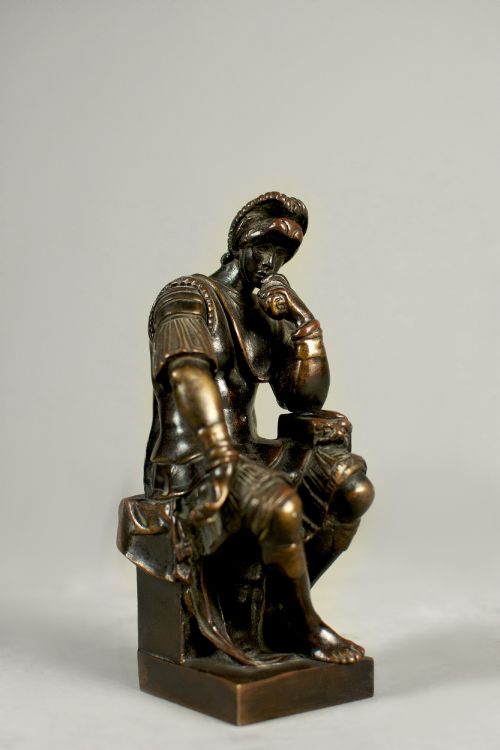
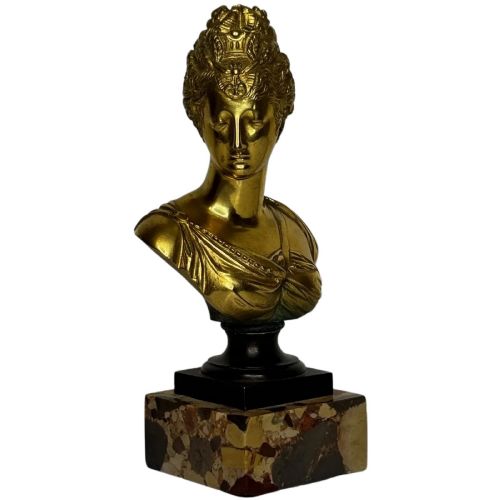
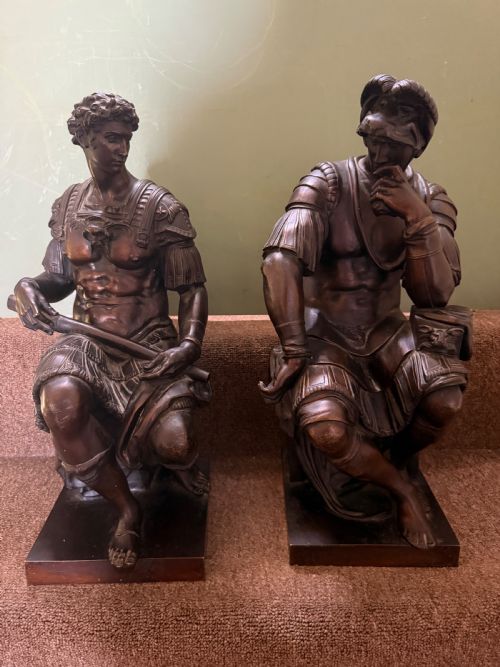
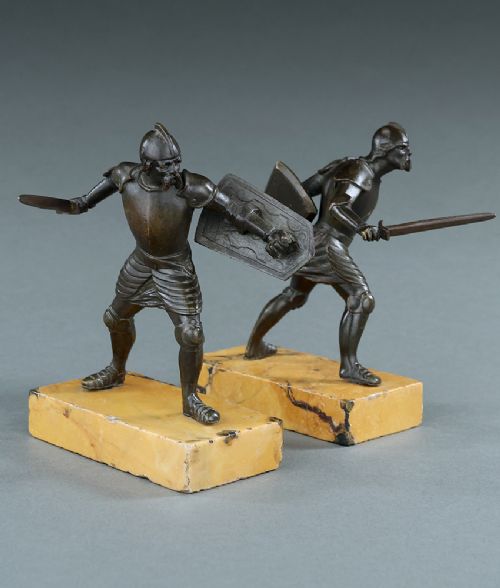
When you search for renaissance revival bronze sculpture, you encounter nineteenth-century interpretations of earlier masterpieces, capturing the grand ideals of Italian and French art. These works range from portrait busts of historical figures like Lorenzo de' Medici and Diana de Poitiers to dramatic groups of duelling knights and classical courtiers.
The pieces on this page heavily reflect Grand Tour souvenirs and nineteenth-century French and Victorian tastes, spanning decades from eighteen-fifty to eighteen-seventy. Alongside freestanding figures, you find functional items and displays, including bronze and marble mantel clocks and carved pedestals that elevate the sculpture.
The typical examples bridge scholarly antiquarianism and domestic display, designed to project cultural literacy and refinement. Their forms draw directly upon Renaissance sculpture, Michelangelo, and classical antiquity, filtered through the technical skill of nineteenth-century foundries.
Materials and technique
The makers utilised patinated and gilt bronze to achieve varied surface textures, often mounting the metal figures upon bases of Sienna marble, red marble, amboyna, and carved ebony. These contrasting materials enhance the sculptural silhouette and lend architectural weight to the composition.
Casting methods of the nineteenth century allowed for fine detailing in the drapery, armour, and facial expressions of the figures. Enamel and brass accents occasionally supplement the primary bronze, demonstrating the collaborative skills of nineteenth-century bronze-founders and cabinet-makers.
Renaissance Revival Bronze Sculpture Retail Price Guide 2026
Typical asking prices for renaissance revival bronze sculpture among the pieces listed under this phrase on Sellingantiques today, from the lower quarter to the upper quarter. They describe what is for sale here now, not the wider market.
Materials documented across the pieces include patinated bronze, gilt bronze, Sienna marble, red marble, brass, enamel, amboyna, and carved ebony.
Judging quality
The choice and integration of secondary materials also divide the range; harmonious combinations of fine marble or exotic timbers elevate a bronze far above standard foundry output. The presence of a named foundry or artist signature further separates exhibition-quality pieces from anonymous workshop stock.
Duboy
The Renaissance Revival Bronze Sculpture Glossary
- Renaissance Revival
- A nineteenth-century artistic movement that resurrected the forms, motifs, and humanistic spirit of the fifteenth and sixteenth-century Renaissance. It heavily influenced sculpture, architecture, and decorative arts across Europe.
- Grand Tour
- A traditional trip through Europe, notably Italy, undertaken by upper-class young men to absorb classical and Renaissance culture. Travellers frequently purchased bronze souvenirs to bring home.
- Patinated Bronze
- Bronze treated with chemical solutions to produce a specific surface colour or dark finish. This process protects the metal and highlights sculptural contours.
- Gilt Bronze
- Bronze coated with a thin layer of gold or gold amalgam, sometimes known asormolu. It provides a bright, reflective surface that contrasts with dark patination.
- Sienna Marble
- A yellow-brown decorative marble quarried in Italy, frequently utilised for classical sculpture bases and architectural mantel clocks. Its distinctive veining adds warmth to metalwork.
Renaissance Revival Bronze Sculpture: Frequently Asked Questions
What is renaissance revival bronze sculpture?
These are nineteenth-century metalworks modelled after sixteenth-century Renaissance art, often depicting historical figures, knights, or classical subjects. They reflect the period's fascination with earlier European history and classical antiquity.
The selection includes freestanding figures, pairs of sculptural bookends or companions, and decorative objects mounted on marble or timber bases.
How were these sculptures displayed?
In nineteenth-century interiors, these bronzes typically sat upon mantelpieces, library tables, or dedicated pedestals designed to showcase their detail. They served as conversation pieces that signaled the owner's education and taste.
Larger figures often required sturdy marble columns or carved wood pedestals to elevate them properly within a grand room.
Are these pieces from the Renaissance?
No, despite the style name, the material evidence on this page places these works firmly in the nineteenth century, specifically between eighteen-fifty and eighteen-seven-zero. They are Victorian and French interpretations created centuries after the original Renaissance.
Foundries of this era used advanced casting techniques to honour earlier masters like Michelangelo while meeting nineteenth-century aesthetic demands.
What materials accompany the bronze?
Foundries frequently paired bronze with decorative stones such as Sienna marble and red marble for bases and clock housings. Cabinet-makers also supplied amboyna and carved ebony pedestals to display the figures.
Accents of gilt bronze, brass, and enamel occasionally appear to highlight specific details on the figures and their mounts.