

Bronze Tripod Incense Burner
A bronze tripod incense burner brings centuries of ritual history to a room through heavy cast metal and patinated surfaces.
Bronze Tripod Incense Burner
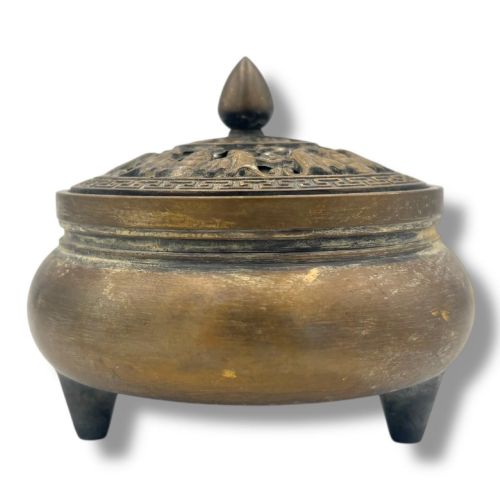
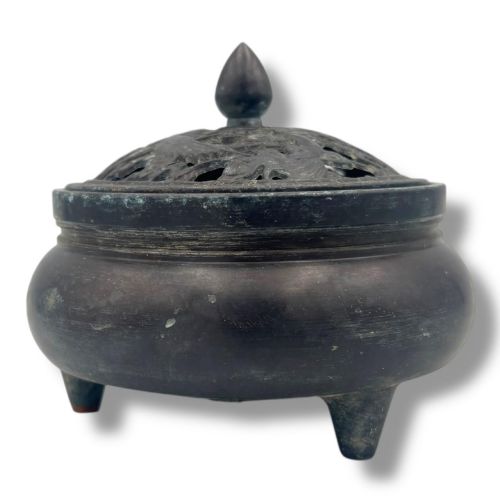
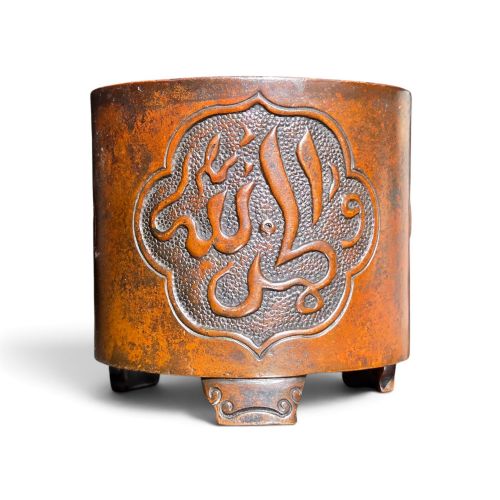
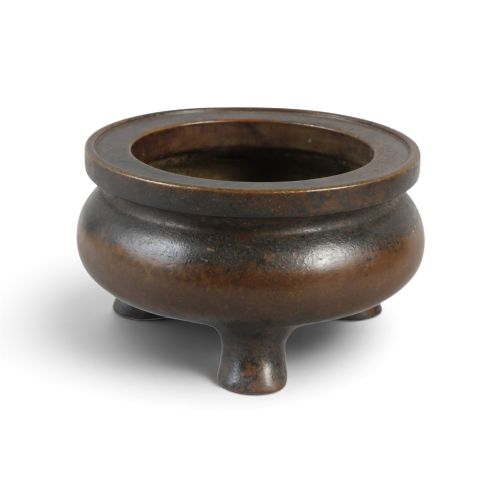
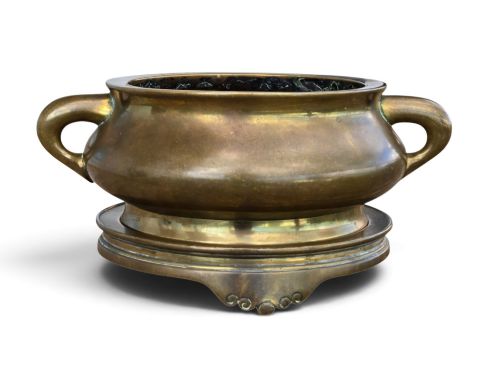
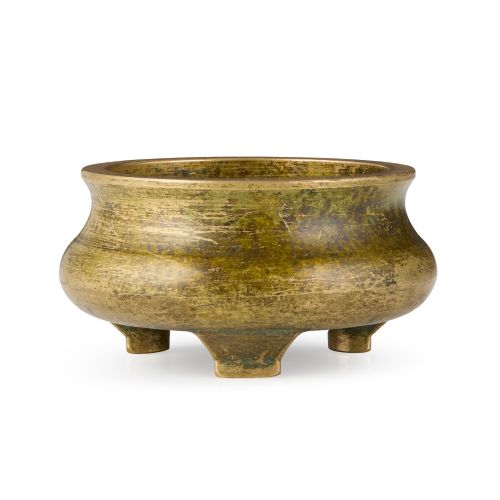
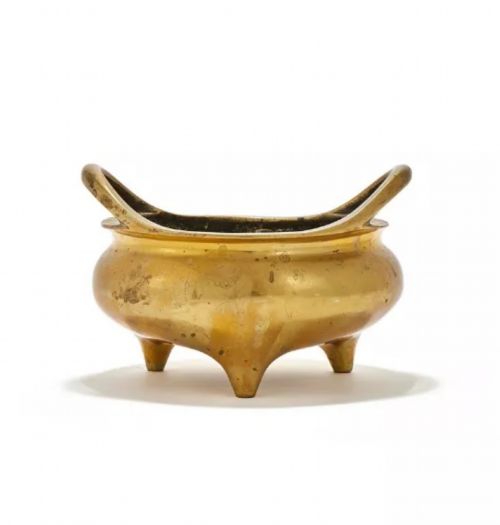
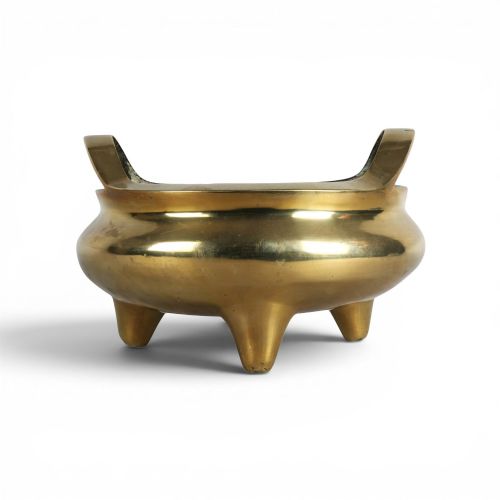
A bronze tripod incense burner sits on three raised feet, taking forms from early ritual vessels down to scholar's studio pieces. These items appear across the Ming and Qing dynasties alongside later Japanese production.
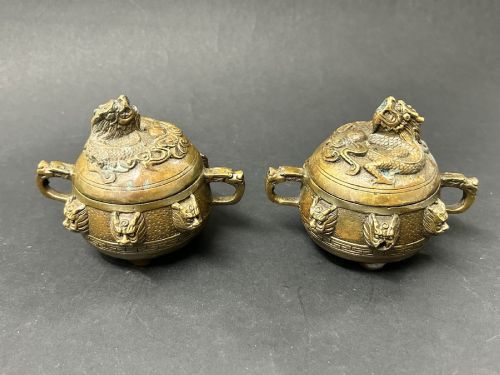
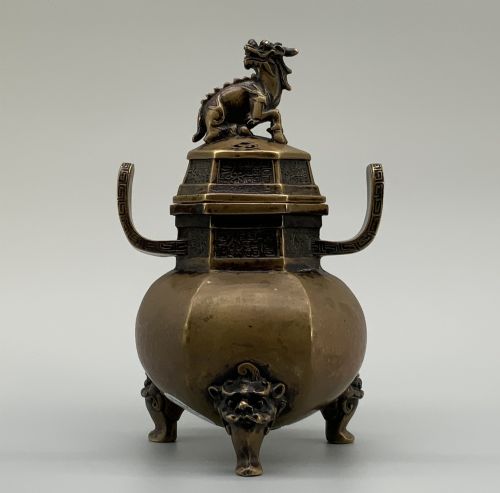
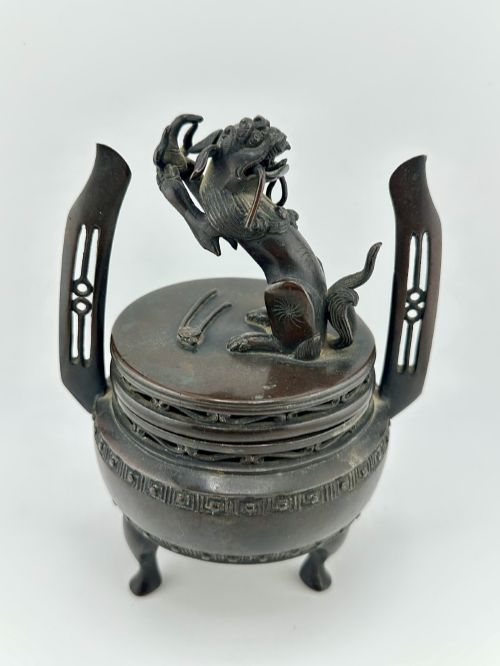
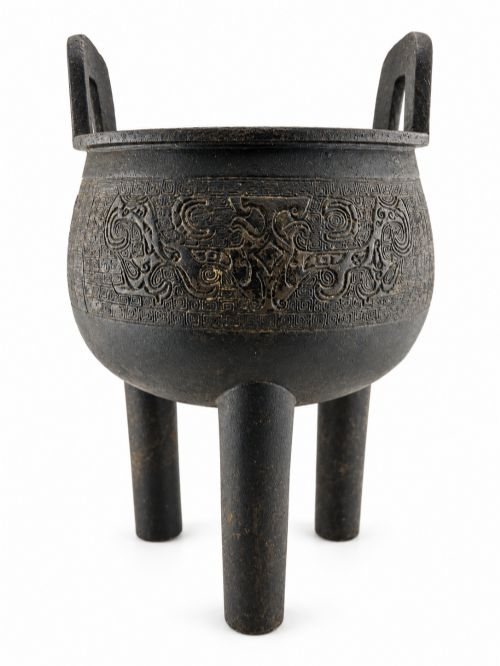
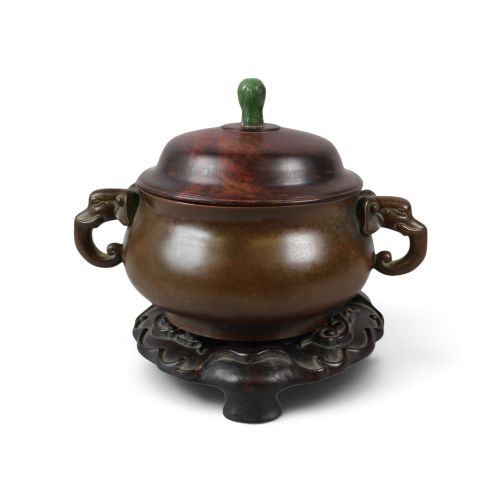
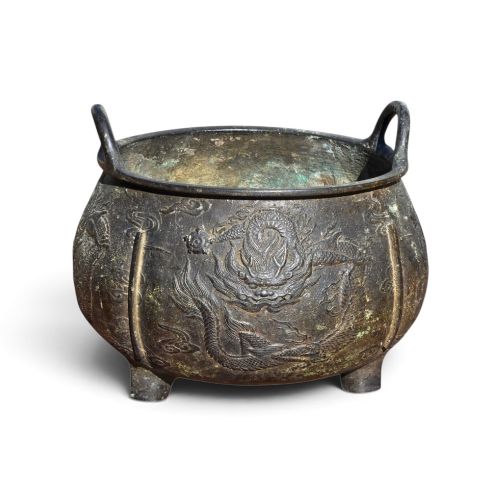
The evidence shows heavy cast vessels bearing dragon handles, taotie decoration, and pierced lids with qilin or lotus finials. Examples range from miniature scholar's bowls to monumental ceremonial weights.
Lids often feature intricate openwork for releasing scented smoke, while bodies rest securely upon three supports. Collectors meet pieces featuring archaic archaistic motifs as well as later floral or zoomorphic designs.
How They Were Made
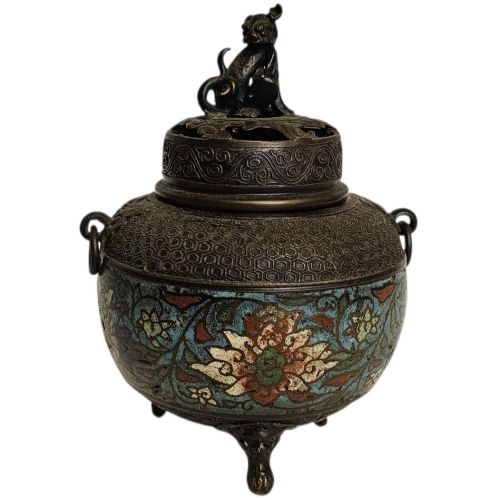
Craftsmen utilised bronze, brass, and copper alloy, often employing lost-wax casting methods to achieve thick, substantial walls. Certain examples incorporate cloisonne enamel wirework, silver details, or fitted hardwood and jade elements.
Surface finishes include deliberate patination, giving the metal deep brown, greenish, or polished tones developed over generations. Heavy casting produced dense vessels capable of bell-ring resonance when struck.
Materials recorded across the inventory include cast bronze, brass, cloisonne enamel, copper alloy, fitted hardwood, and jade.
What Varies in Quality
Quality rests upon the crispness of the cast decoration, from sharply rendered taotie masks to smooth, even patination. Heavier metal weight and well-proportioned tripod legs separate ordinary items from master-cast examples.
Associated components such as custom zitan stands, spinach jade finials, and intact pierced lids elevate the completeness and historical standing of a vessel.
The Bronze Tripod Incense Burner Glossary
- Censer
- A vessel used for burning incense. These containers often include fitted, pierced covers to diffuse fragrant smoke.
- Archaistic
- A stylistic choice mimicking ancient ritual bronzes. Makers replicated earlier Shang and Zhou forms during later dynasties.
- Taotie
- A stylized zoomorphic mask motif found on ancient and revival vessels. This symmetrical face design frequently appears on ritual bronzes.
- Cloisonne
- An enamel technique using metal wires to partition different coloured pastes. Craftsmen soldered these wires onto a bronze base before firing.
- Qilin
- A mythical hooved Chinese creature associated with prosperity and good omen. Figures of this beast frequently serve as lid finials.
Bronze Tripod Incense Burner: Frequently Asked Questions
What is a bronze tripod incense burner used for?
These vessels held burning aromatic materials during private contemplation, scholarly gatherings, and formal ceremonies. The raised tripod design allowed heat to disperse safely away from furniture surfaces.
Over time, collectors and scholars also displayed them purely as sculptural works of art for their rich patination and ancient forms.
How do I identify Ming and Qing dynasty pieces?
Ming and Qing examples often display distinct casting weights, archaistic motifs, and specific studio or reign marks on the base. Xuande and Qianlong marks appear frequently, though these can reference earlier periods of high achievement.
Material density, surface patination, and the complexity of handles such as elephant-heads or dragons help establish the likely manufacturing era.
Are wooden stands original to these censers?
Custom hardwood stands, including zitan, were frequently carved to fit the exact three-footed profile of a heavy censer. These platforms protected fine tables and elevated the status of the ritual vessel.
Many surviving pieces retain their matching stands, which add considerable architectural presence and historical context to the object.