


Bronze Dragon Incense Burner
A bronze dragon incense burner brings sculptural weight and ancient ritual forms into a room, fashioned in cast metal with spirited mythical beasts.
Bronze Dragon Incense Burner
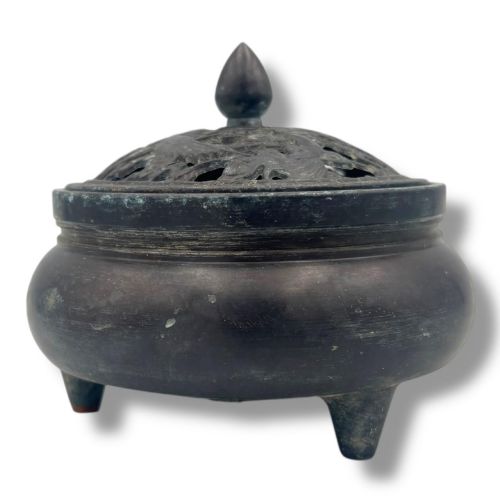
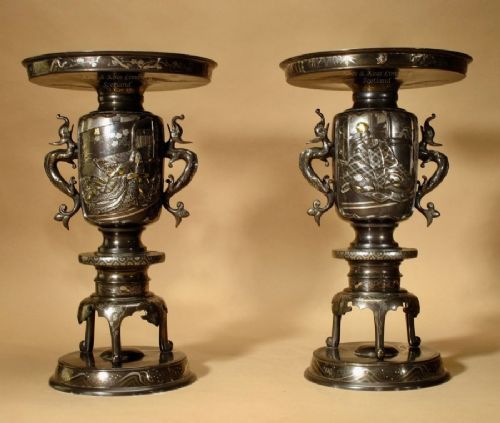
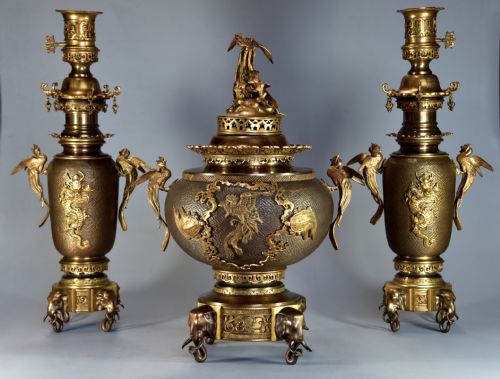
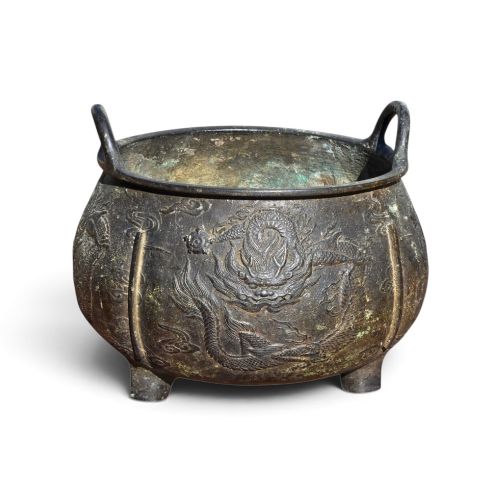
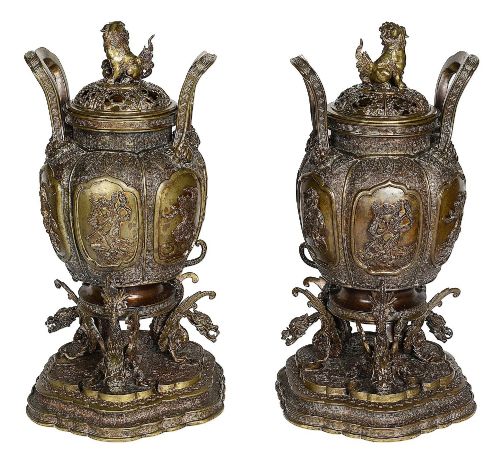
A bronze dragon incense burner is a vessel designed to hold aromatic materials, frequently taking the form of a tripod censer or lidded bowl enriched with mythical creatures. These pieces emerge predominantly from Asian traditions, spanning the Ming and Qing dynasties as well as the Japanese Meiji period, alongside nineteenth-century European interpretations in the Japonisme style.
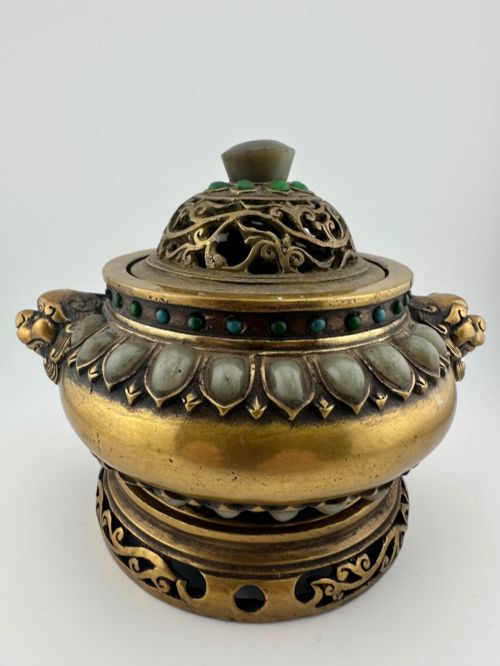
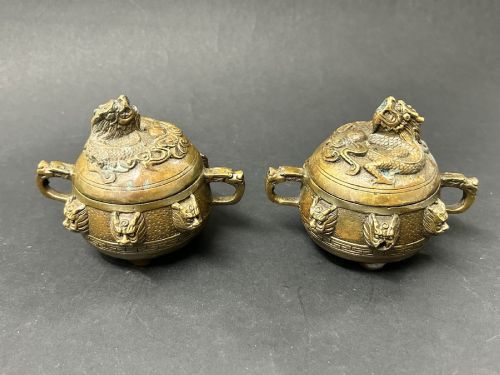
The objects serve primarily as censers, urns, and decorative bowls, often resting upon tripod legs or bespoke stands. Buyers encounter large monumental vessels alongside compact bowls, some fitted with elaborate covers featuring dragon and phoenix motifs or mask handles.
How they were made
Metalworkers utilised casting techniques in bronze, brass, and gilt bronze to shape the heavy bodies of these censers and vessels. Molten metal formed the core structures, which were subsequently finished with patination and surface detailing.
Craftspersons integrated decorative elements through gold and silver inlay, or set jade and hardstone components into the bronze framework. Artisans also carved supporting stands from hardwood to complement the metalwork.
Materials span standard and gilt bronze, brass, hardstone, jade, and gold or silver inlay.
What varies in quality
The sophistication of the casting and the crispness of the dragon ornamentation distinguish finer examples from simpler production. Mastery is visible in the sculptural relief of mask handles, the integration of inlay work, and the weight of the bronze vessel.
Completeness alters the character of a piece, particularly the presence of original lids, covers, or carved hardwood stands. Scale and proportion also define the distinction between monumental censers and standard decorative bowls.
The Bronze Dragon Incense Burner Glossary
- Censer
- A vessel designed for burning incense during ritual or domestic use. These objects often feature pierced covers to release scented smoke.
- Tripod
- A vessel supported by three legs. This structural form provides stability for heavy metal bowls.
- Patinated
- A treated or aged surface finish on metal. This process alters the colour and sheen of bronze through chemical or natural exposure.
- Japonisme
- A nineteenth-century European artistic style influenced by Japanese aesthetics. French and British makers adopted these motifs in decorative metalwork.
- Qing Dynasty
- The final imperial dynasty of China, spanning from the seventeenth to the early twentieth century. Objects from this period frequently display traditional dragon and phoenix iconography.
Bronze Dragon Incense Burner: Frequently Asked Questions
How were bronze incense burners used?
These vessels burned aromatic resins, woods, or powders during ceremonies, meditation, or daily domestic life. The fragrant smoke rose through pierced lids to scent the surrounding space.
Over time, many pieces transitioned from functional ritual objects to decorative display items valued for their sculptural form and historical association.
What is a tripod censer?
A tripod censer is a bowl supported by three distinct feet, a design originating in ancient metalwork. This configuration ensures stability on tables and altars.
Many examples feature mask handles or dragon motifs integrated directly into the three-legged structure.
How do I identify a Meiji period bronze?
Japanese Meiji period bronzes date from the late nineteenth to the early twentieth century. They often reflect skilled metalworking techniques and distinct sculptural styles.
These works frequently appear as lidded urns, vases, or incense burners alongside European Japonisme interpretations from the same era.
How should I display an incense burner?
These heavy metal vessels suit prominent placement on solid surfaces where their weight and detail can be appreciated. Many original pieces retain carved hardwood stands that elevate the bowl.
Keep them clear of high-traffic edges due to their substantial mass, which can exceed several kilograms.