



Bronze Tripod Censer
A bronze tripod censer brings centuries of ritual craft and quiet weight to a room, standing on three feet to burn aromatic resins.
Bronze Tripod Censer
When you search for a bronze tripod censer, you encounter vessel forms designed for burning incense in scholar's studies and temple settings. The pieces seen here span centuries of craftsmanship, originating primarily from Chinese dynasties and Japanese periods.
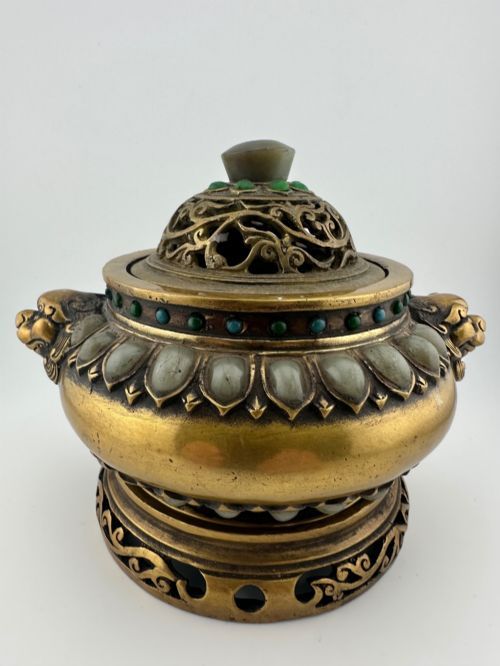
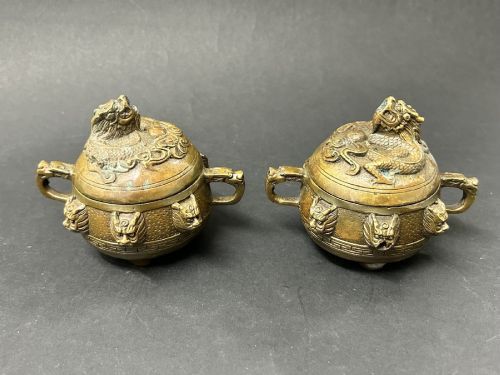
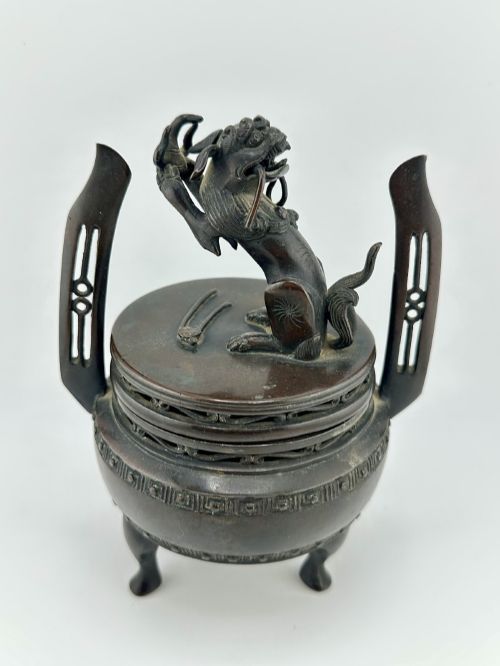
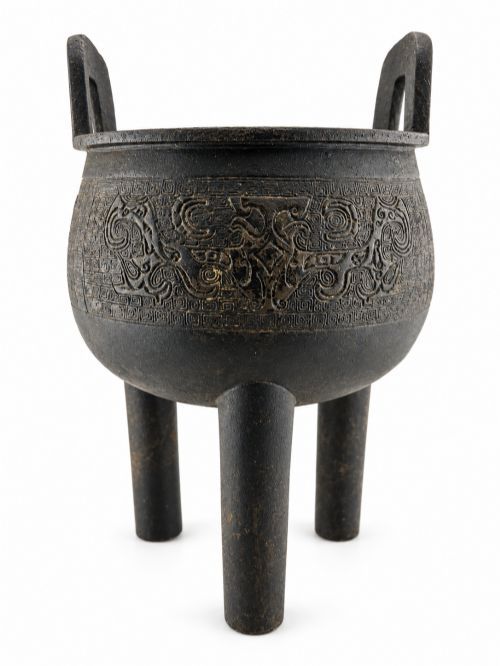
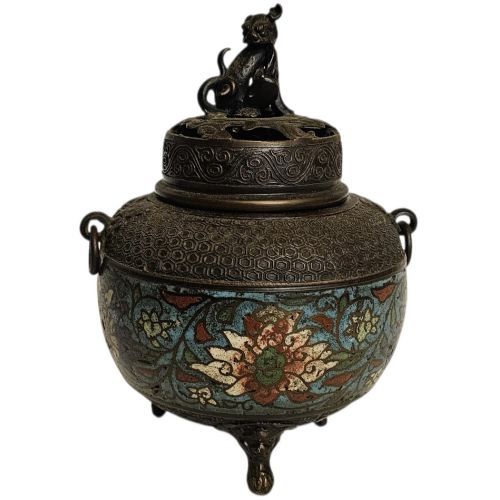
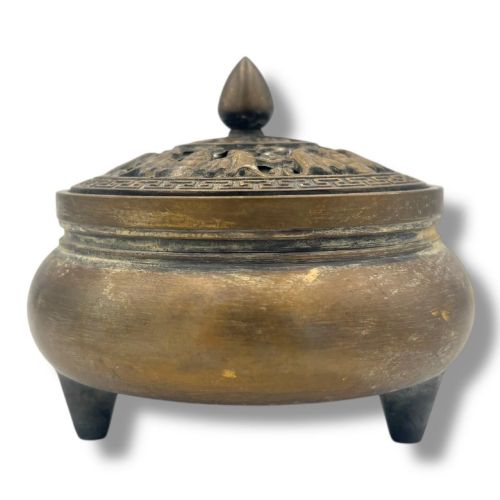
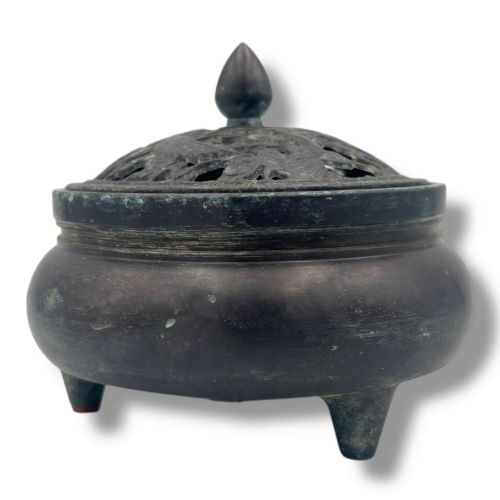
You are most likely to meet lidded or open vessels resting on three distinct legs, often decorated with taotie masks, elephant-head handles, or qilin finials. These range from heavy scholarly studio pieces to monumental ritual vessels intended for display.
How They Were Made
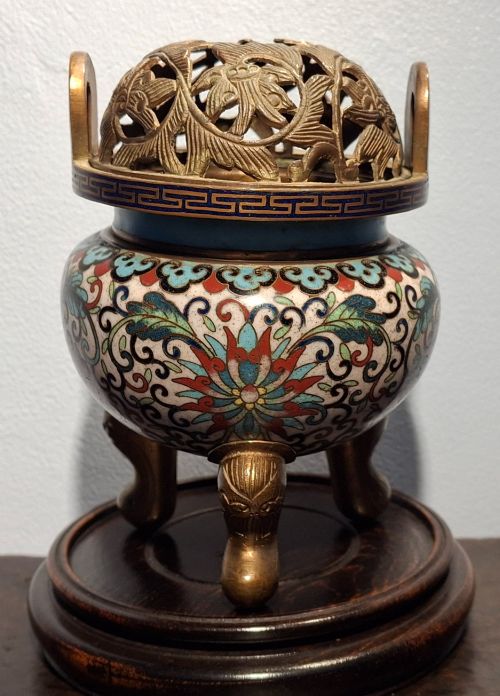
These vessels are cast primarily in bronze, copper alloy, and brass, utilising traditional techniques that produce substantial weight and bell-ring resonance. Many examples incorporate intricate surface details such as cloisonné enamel or patinated finishes developed over time.
Finer pieces are paired with custom hardwood stands or feature carved jade finials and pierced lotus floral lids. The marriage of cast metal and organic materials like wood and jade defines the construction of the better examples.
Bronze Tripod Censer Retail Price Guide 2026
Typical asking prices for bronze tripod censer among the pieces listed under this phrase on Sellingantiques today, from the lower quarter to the upper quarter. They describe what is for sale here now, not the wider market.
One exceptional scholar's censer tips the scales at a hefty weight of over three kilograms.
What Varies in Quality
The distinction between ordinary and exceptional examples lies in the integrity of the casting and the depth of the metal's patina. Heavier, densely cast vessels demonstrate superior tactile presence and resonance when struck.
Refinement in surface decoration, such as crispness in archaistic taotie motifs or the careful integration of cloisonné enamel, separates standard utility items from high-status scholarly works.
Wu Bangzuo
The Bronze Tripod Censer Glossary
- Archaistic
- Design elements emulating ancient ritual bronzes from earlier dynasties. This style invokes antiquity through formal motifs like taotie masks.
- Censer
- A vessel designed for burning incense. These typically take the form of lidded bowls or tripod basins.
- Cloisonné
- Enamelwork created by soldering wire compartments onto a metal body before filling them with paste and firing. It adds vibrant colour to the metal surface.
- Koro
- A Japanese incense burner, often featuring a lid and tripod feet. These share functional roots with Chinese censer forms.
- Patina
- The surface coloration and sheen acquired by bronze through age and handling. A deep patina indicates long-term maturation of the metal.
- Xuande Mark
- A reign mark referencing the Ming dynasty emperor, frequently cast onto later scholarly bronzes in tribute. Such marks appear across various subsequent periods.
Bronze Tripod Censer: Frequently Asked Questions
What is a bronze tripod censer?
A bronze tripod censer is a three-legged vessel historically used for burning incense in East Asian scholarly and ritual contexts.
These pieces combine functional design with sculptural artistry, featuring cast bronze bodies and often ornate lids.
How do I care for bronze?
Bronze requires gentle dusting with a soft, dry cloth to protect its historic patina and finish.
Avoid using harsh cleaning agents or polishes that might strip the surface character.
How do I identify periods?
Period identification relies on examining casting weight, surface patina, stylistic motifs, and any applied reign marks.
Comparing the vessel form against known dynastic styles helps narrow down the era of manufacture.
Where were they used?
These vessels were placed in scholars' studios, domestic interiors, and temples for burning aromatic resins and woods.
Their presence created a contemplative atmosphere suited to meditation and scholarly work.