



Bronze Tabletop Ornament
A bronze tabletop ornament brings character and weight to a room, ranging from classical figures to sleek animalier studies.
Bronze Tabletop Ornament
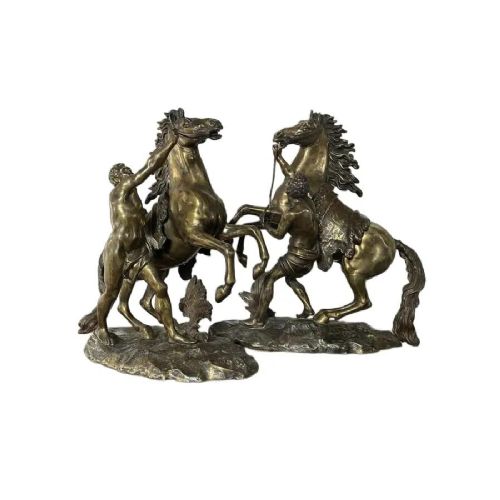
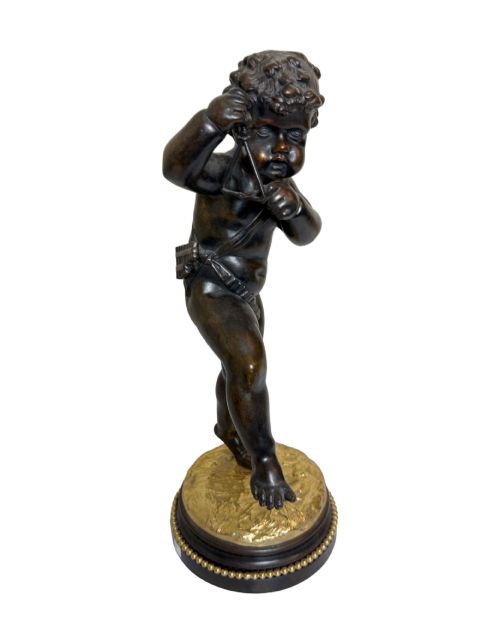
A bronze tabletop ornament is a small sculptural work designed for display on a desk, mantel or surface rather than architectural placement. The selection includes mythological subjects, animal studies and human figures spanning from the nineteenth century into the twentieth.
The versions most commonly met on this page are figural sculptures, dancers and animal bronzes produced in various European studios. Stylistically they range from French Rococo Revival and Neoclassical interpretations to Art Nouveau and Art Deco designs.
Makers and casters of these pieces utilised durable metal alloys to capture intricate details, often combining the primary metal with stone bases. Obelisks and decorative statues also appear alongside traditional figurines, reflecting a broad scope of domestic ornament.
How they were made
Makers cast these pieces primarily in bronze, sometimes applying gilt finishes or patinated surfaces to alter the appearance of the metal. The casting process allowed workshops to render fine anatomical details in figures of animals and humans alike.
Many tabletop works incorporate heavy mineral bases made from marble, red marble or onyx to provide stability and visual contrast. These stone elements were cut and polished separately before being joined to the cast metal sculpture.
Bronze Tabletop Ornament Retail Price Guide 2026
Typical asking prices for bronze tabletop ornament among the pieces listed under this phrase on Sellingantiques today, from the lower quarter to the upper quarter. They describe what is for sale here now, not the wider market.
Materials paired with bronze include marble, onyx, stone and wood.
What varies in quality
The finish and patination also dictate the distinction between ordinary production and superior work. A well-applied patina enhances the depth of the bronze, whereas lesser versions often display flat colour or crude surface treatments.
Auguste Moreau·D.H. Chiparus·Clodion·Philip Blacker·Elizabeth Anna Clapp
The Bronze Tabletop Ornament Glossary
- Bronze
- A copper alloy traditionally combined with tin, used for durable metal casting. It develops a natural surface oxidation over time.
- Patina
- The surface coloration or sheen developed naturally on bronze through age or applied chemically by the maker. This finish protects the metal and defines its visual tone.
- Gilt bronze
- Bronze that has been coated with a thin layer of gold or gold leaf. This technique gives the object a bright, reflective metallic surface.
- Animalier
- A nineteenth-century artistic genre and style dedicated primarily to the realistic portrayal of animals. Sculptors in this tradition focused on the accurate observation of wildlife and domestic beasts.
- Obelisk
- A tall, four-sided, narrow tapering monument that ends in a pyramid-like shape at the top. Decorative versions appear in stone or marble as tabletop ornaments.
Bronze Tabletop Ornament: Frequently Asked Questions
How do I clean a bronze ornament?
Dust the surface regularly with a soft, dry brush to prevent dirt accumulation. Avoid using chemical cleaners or abrasive cloths that might strip the original patina.
Apply a very thin layer of microcrystalline wax occasionally if the metal requires protection against moisture. Buff gently with a clean cloth after application to maintain a stable finish.
Where should I place these pieces?
Position them on sturdy surfaces such as desks, bookshelves or mantelpieces where their weight provides stability. Ensure they sit away from direct heat sources and excessive moisture.
Keep them out of prolonged direct sunlight to protect any stone bases or delicate patinated surfaces from fading. Placing them at eye level allows the fine casting details to remain visible.
What is an animalier bronze?
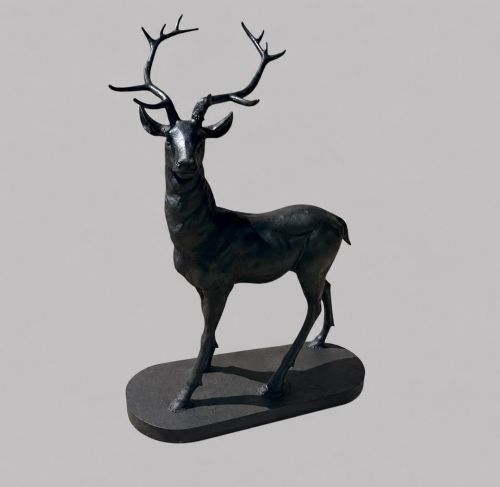
An animalier bronze is a sculpture that depicts animals in realistic, dynamic or naturalistic poses. These works gained popularity in the nineteenth century as artists studied anatomy closely.
They often capture creatures in motion, such as trotting horses, resting stags or bears. The focus remains strictly on the musculature and behaviour of the subject.
Are marble bases original to the bronzes?
Many nineteenth and early twentieth-century bronzes were mounted on stone or marble bases to add weight and elevation. Workshops frequently paired cast metal figures with contrasting stone plinths as part of the original design.
Examine the fitting where the bronze meets the stone to see if the attachment methods align with the period. Original mounts usually show consistent wear and secure fixing pins appropriate to the age.