


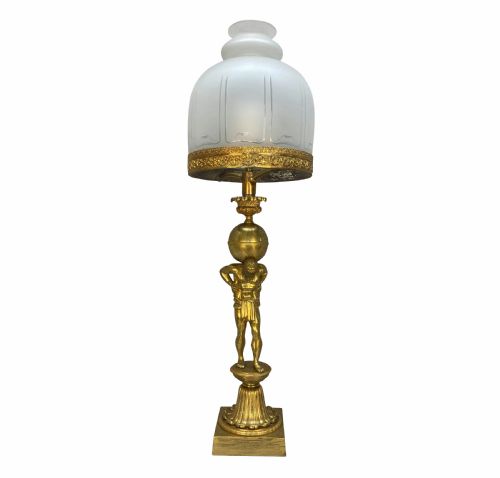
Bronze Statue Lighting
Bronze statue lighting combines sculptural figures with functional illumination, offering classical and decorative forms that elevate any interior.
Bronze Statue Lighting
Bronze statue lighting centres on figural sculptures adapted to hold lamps, torches, or candles. These pieces transform classical deities, allegorical figures, and literary characters into functional light sources.
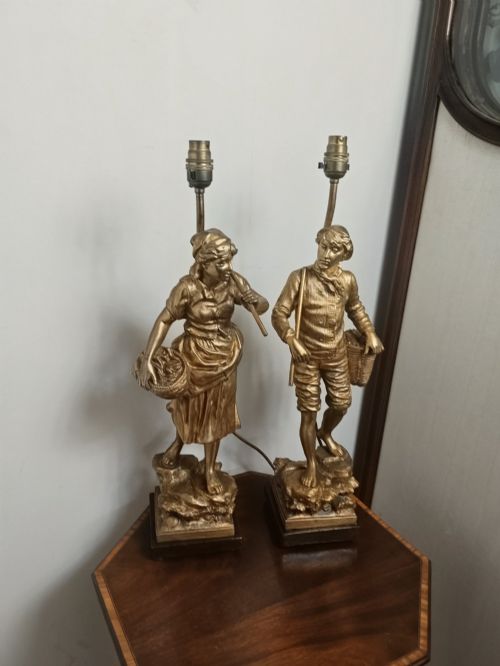
Nineteenth-century French and English workshops dominate these pieces, alongside later Art Deco examples. Buyers frequently encounter table lamps, grand floor-standing torcheres, and figural candelabras.
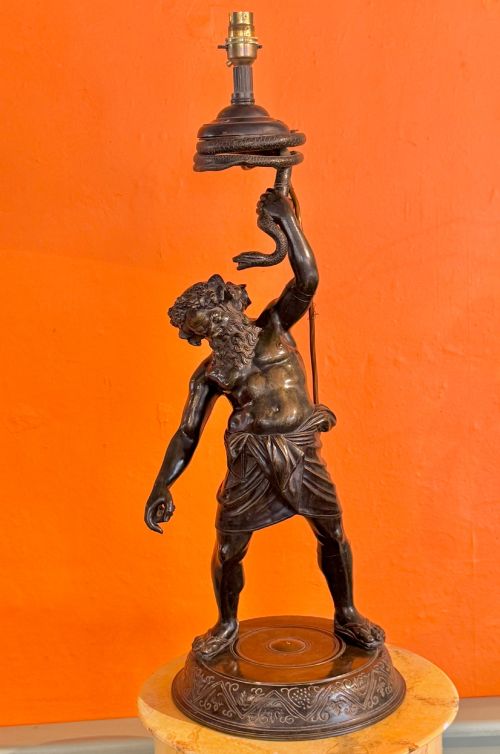
Many items repurpose sculptural statuettes or Grand Tour bronzes by mounting them on marble plinths and adding electrical fittings or shades.
Materials and Construction
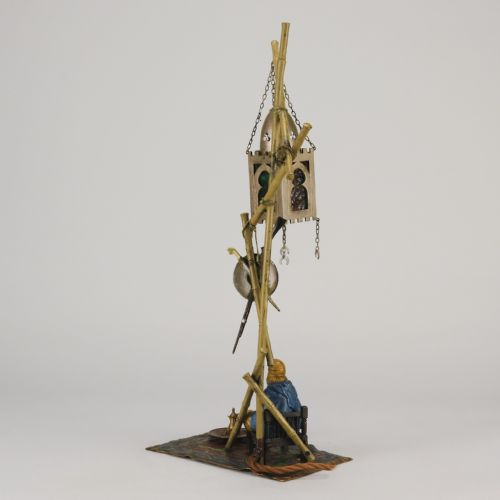
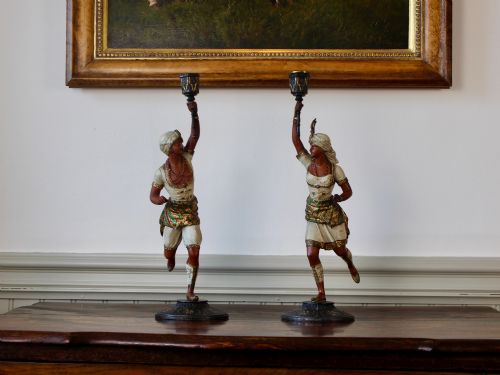
Foundries cast these pieces in bronze, gilt bronze, or ormolu, while more accessible period alternatives utilise spelter and other mixed metals. Cold-painting techniques frequently add polychrome detail to robes, skin, and hair.
Sculptors combine metal figures with marble bases, glass shades, and fabric elements to complete the composition. Heavier floor-standing torcheres often incorporate substantial metal shafts to support large sculptural tops.
Object forms include towering floor torcheres, delicate table lamps, and figural candelabras depicting figures from classical mythology and literature.
Assessing Quality and Execution
Signatures by established sculptors and foundries elevate a piece significantly above unsigned works. The integration of the figural sculpture with the lighting mechanism also dictates quality, with superior items designed cohesively rather than converted later.
E Rousseau·G. Amodio Naples·Franz Bergman·F. De Luca·Emile Picault·Humphrey Hopper·Jean-Jules Cambos·H. Moreau·Coutan·P.Sega·Henri Honore Ple·Adrien Gaudez·François-Christophe-Armand Toussaint
The Bronze Statue Lighting Glossary
- Spelter
- A zinc-based alloy commonly utilised as a less costly alternative to bronze for nineteenth and twentieth-century figural sculptures. It often carries cold-painted finishes to simulate bronze or patinated metal.
- Torchere
- A tall stand or floor lamp designed to hold a light source high above the floor. These pieces frequently feature classical maidens or allegorical figures holding torches.
- Ormolu
- Gilded bronze produced by applying a mercury and gold amalgam to a bronze base and heating it. This technique creates a rich, durable golden surface seen on finer French pieces.
- Grand Tour
- Souvenirs and classical reproductions acquired by wealthy travellers in Italy during the eighteenth and nineteenth centuries. These small bronzes often found subsequent conversion into desk or table lamps.
Bronze Statue Lighting: Frequently Asked Questions
How do I identify a spelter lamp from bronze?
Spelter is softer and lighter than bronze, often revealing a greyish or silvery metal beneath any worn surface paint. Bronze maintains a heavier weight, a resonant ring when tapped, and a warm metallic tone beneath its patina.
Examining the underside or hidden interior areas usually clarifies the metal composition. Spelter pieces frequently display casting seams that are softer and less meticulously filed than those on quality bronze castings.
Were these lamps originally electrified?
Most nineteenth-century pieces began life as candlesticks, oil lamps, or purely decorative sculptures before receiving later electrical conversions. Sculptural bases were routinely adapted as electricity became common in homes.
Makers working in the twentieth century, particularly during the Art Deco period, produced pieces conceived specifically as electric lamps from the outset. Examining the wiring channels and mounting points helps determine if the electrical fittings are original or later additions.
How do I care for cold-painted bronze?
Cold-painted finishes require dry dusting with a soft brush, avoiding any moisture, chemical cleaners, or abrasive cloths. Water and solvents will strip the delicate oil or glue-based paint layers applied directly to the metal.
Keeping these pieces away from direct sunlight preserves the pigment colours. Handling them by the base rather than the painted surface minimises wear on the delicate polychrome details.
What is a Grand Tour bronze?
Grand Tour bronzes are miniature replicas of classical antiquities collected by Europeans touring cultural sites in Italy. Sculptors cast these items in workshops across Naples and Rome to satisfy tourist demand.
These reductions often found new life as bases for desk lamps and night lights. Their classical subjects make them easily distinguishable from later Art Deco or Victorian allegorical figures.