
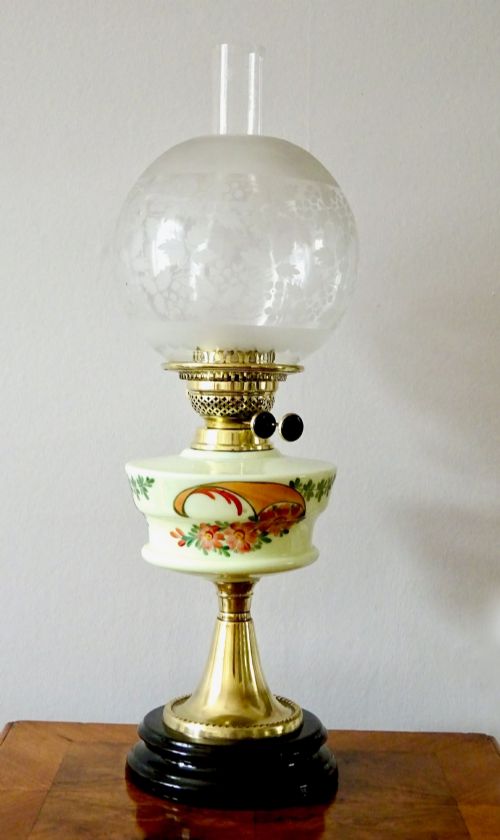


Victorian Decorative Lamp
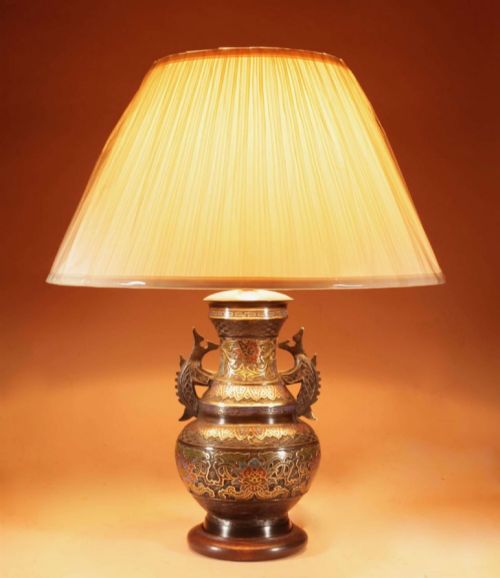
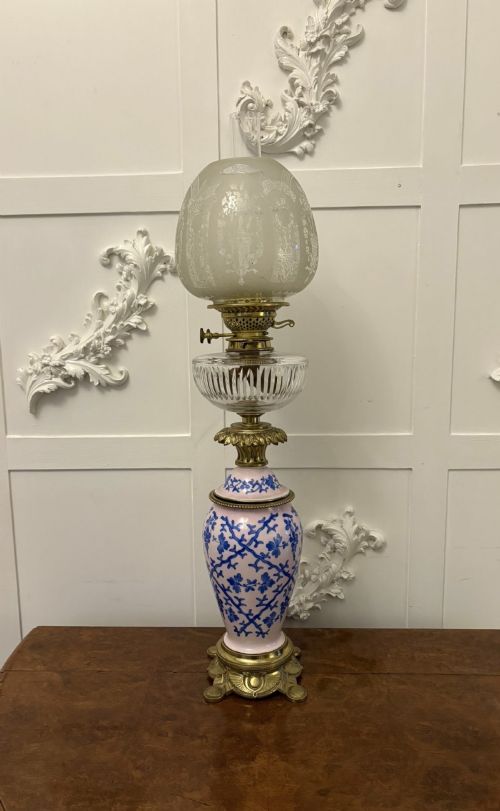
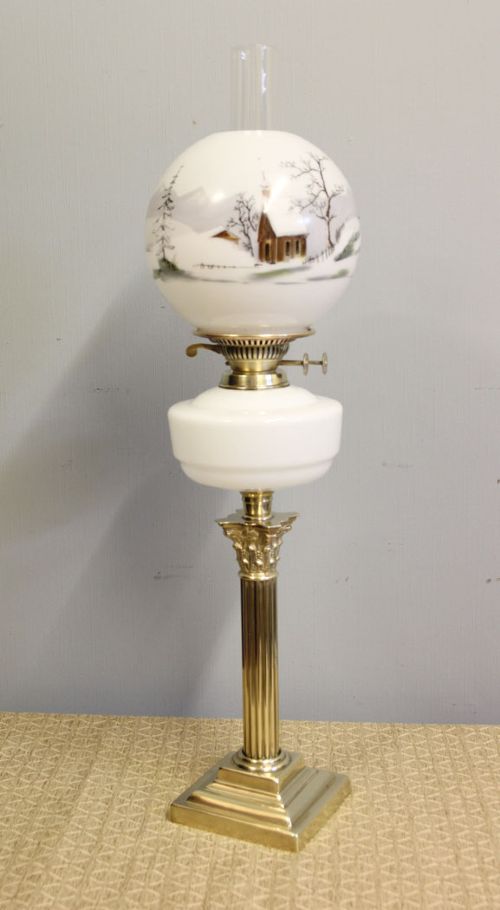
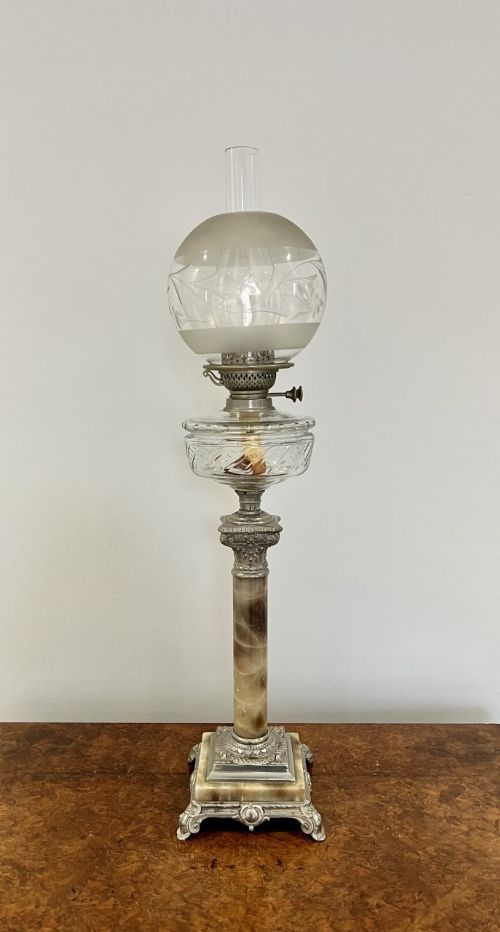
When you search for a victorian decorative lamp, you encounter solid brass columns, painted porcelain fonts, and bronze figures that brought warm illumination to nineteenth-century interiors.
Victorian Decorative Lamp
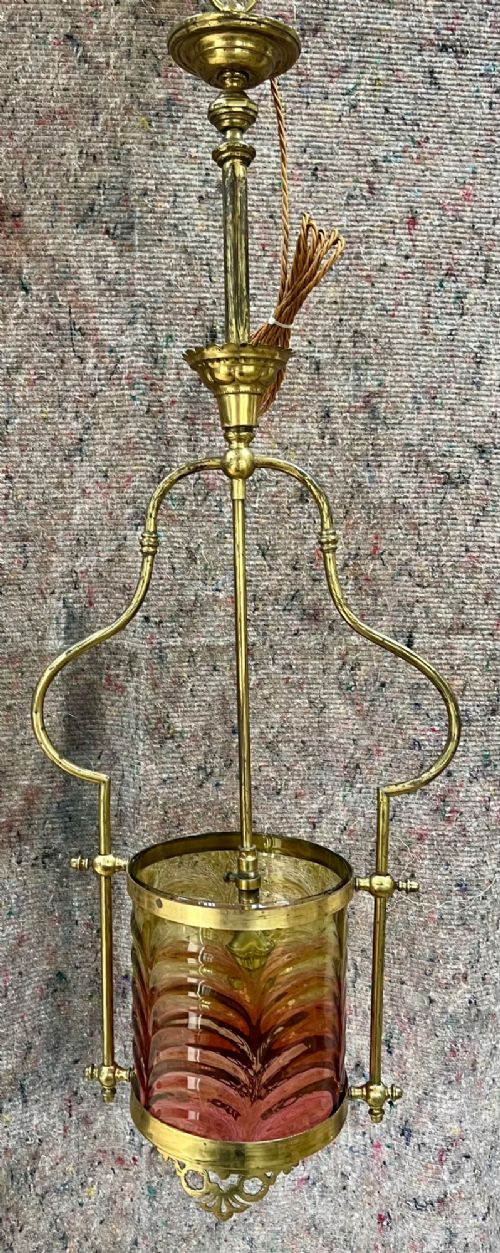
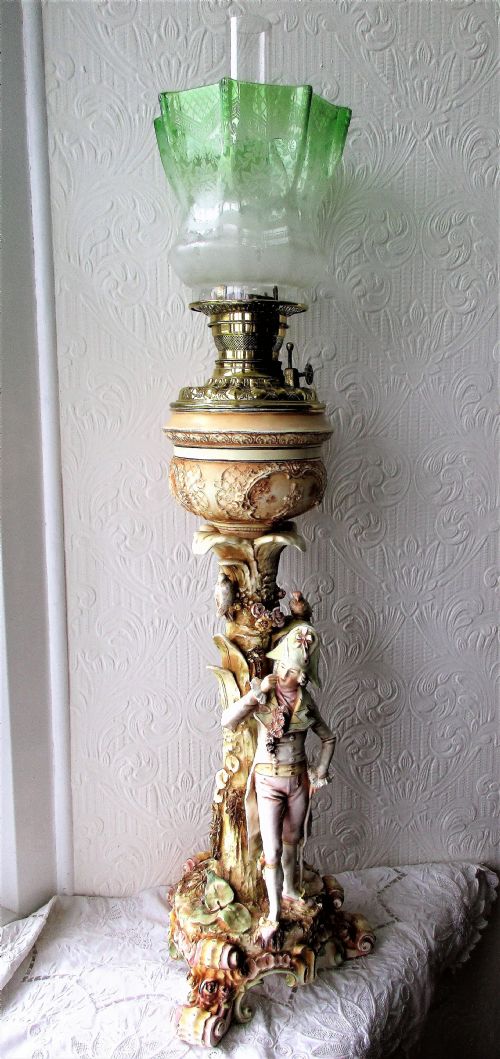
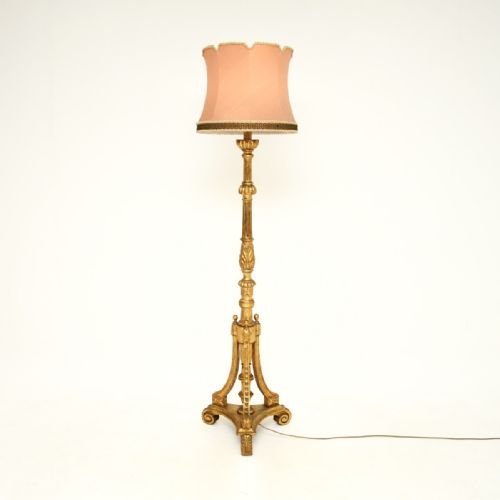
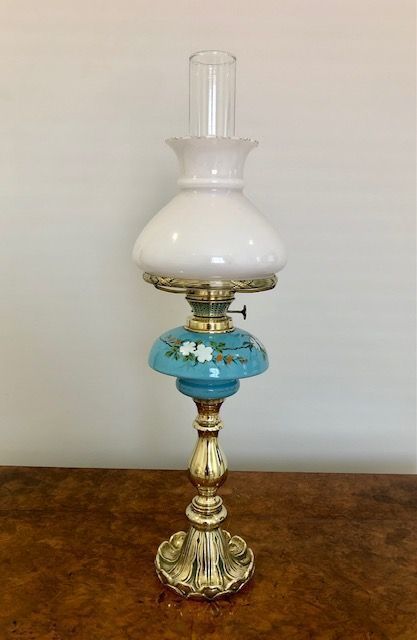
A victorian decorative lamp encompasses both the table-bound oil lamp and the taller floor-standing standard lamp, often converted later for electricity. You find column forms in brass and ceramic, alongside figural bronze bases and hanging glass lights.
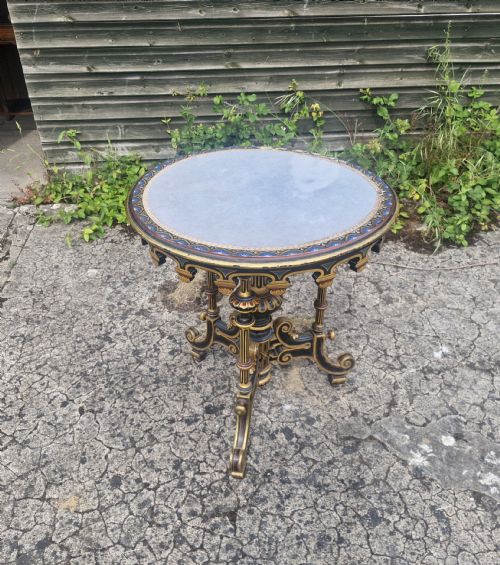
The material palette draws heavily on metalwork, porcelain, and glass, frequently paired with etched shades or fabric elements. These pieces cross paths with occasional tables and torcheres, reflecting the varied lighting needs of period homes.
Materials and construction methods
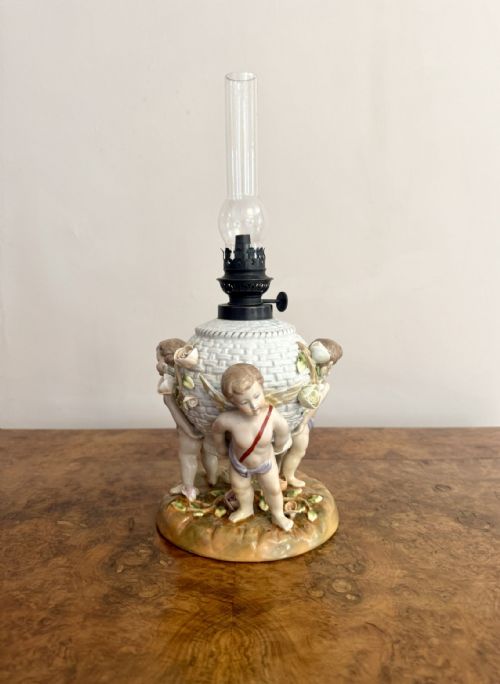
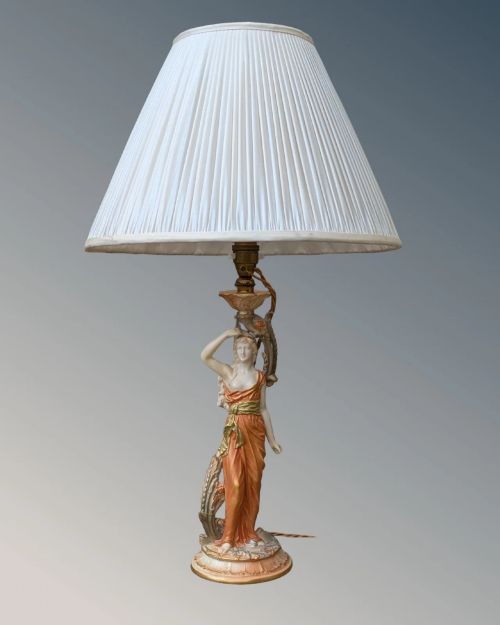
Foundries cast brass, bronze, and copper into complex columns, Corinthian capitals, and figural bases, while potteries shaped porcelain and ceramic fonts. Hand-painted decoration, cold-painted finishes, and etched glass shades add detailed surface work to the metal foundations.
Joinery and assembly rely on threaded brass spindles and weighted iron bases to support heavy oil reservoirs and glass chimneys. Cabinetmakers also constructed gilt wood and mahogany standards or occasional tables specifically to hold these lighting pieces.
Listings feature nineteen-century materials including brass, bronze, porcelain, and mahogany.
Measures of quality and finish
The standard of a victorian decorative lamp rests on the crispness of its metal casting, the weight of its cast brass or bronze components, and the artistry of its painted porcelain. Finer examples display deep relief work, substantial bases, and undamaged hand-etched glass shades.
Makers who incorporated specialised materials like rock crystal, champlevé enamel, or intricate figural sculpture elevate an object beyond standard domestic utility. The presence of signed metalwork or named porcelain manufactories further distinguishes the upper tier of the selection.
Emile Picault·Sitzendorf·Royal Worcester·Messenger
The Victorian Decorative Lamp Glossary
- Font
- The oil reservoir of a lamp, commonly made from coloured glass, porcelain, or brass. It sits atop the base and holds the burner.
- Torchere
- A tall stand or floor lamp designed to hold a light source or decorative object. Originating in the seventeenth century, Victorian examples often match room furnishings.
- Champlevé
- An enamelling technique where troughs are dug into a bronze surface and filled with vitreous enamel before firing. It appears on decorative Japanese and European metalwork.
- Cold Painted
- A bronze painting method where colours are applied without heat using a glue or varnish binder. This technique requires careful handling to preserve the pigments.
Victorian Decorative Lamp: Frequently Asked Questions
Are these lamps still wired for oil?
Most surviving pieces have been adapted over time to take modern electrical fittings for safe domestic use. Many retain their original burners or reservoirs alongside contemporary wiring.
Conversion methods vary, but standard desk and floor lights now accept modern bulbs while keeping their historic brass and ceramic exteriors intact.
How do I identify a Victorian oil lamp?
Look for heavy metal bases, cast brass fittings, and painted porcelain fonts characteristic of nineteenth-century manufacturing techniques. Maker stamps on the metal collar or ceramic underside often confirm the period.
Proportions tend to be robust, utilising materials like bronze, heavy glass, and mahogany that reflect nineteenth-century interior standards.
Can I find matching pairs of standard lamps?
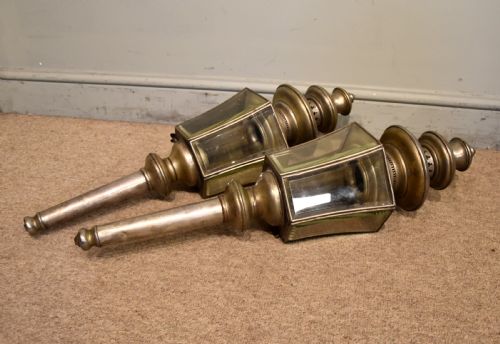
Pairs do appear among floor standards, table lamps, and coaching lights, though single pieces are far more common. Matching sets usually originate from larger formal reception rooms or public spaces.
When pairs survive, they share identical casting details, font colours, and shade pairings.
What is a Corinthian column lamp?
This design borrows classical architecture, featuring a fluted shaft and an ornate capital decorated with carved acanthus leaves. Makers cast these in solid brass, bronze, or silver plate.
They represent a formal style popular throughout the nineteenth century for high-end domestic lighting.