
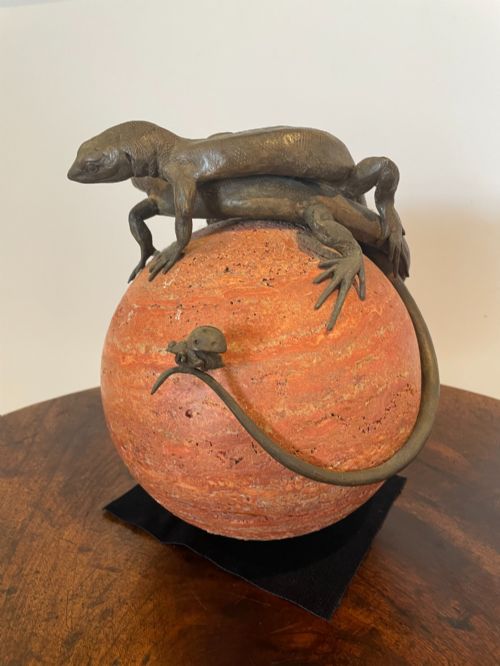
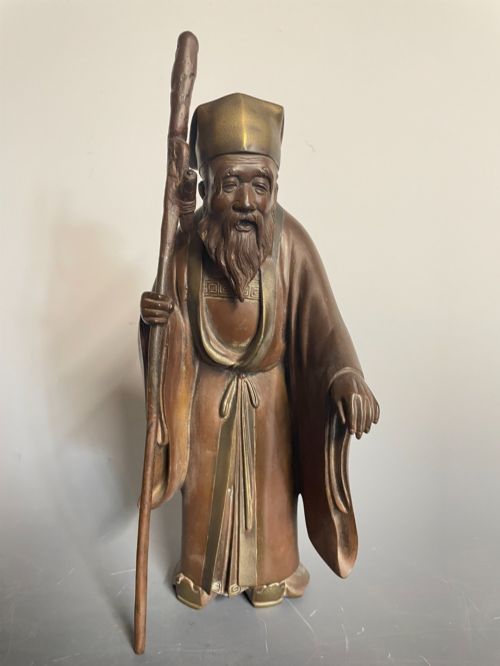
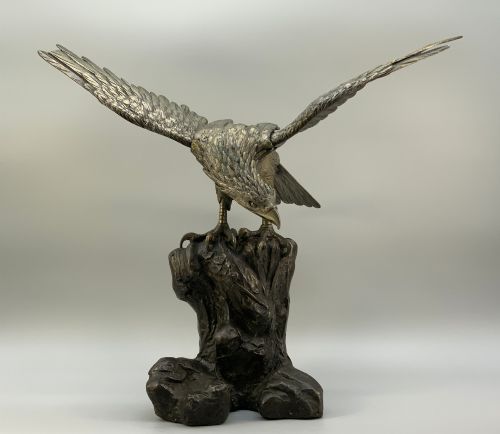
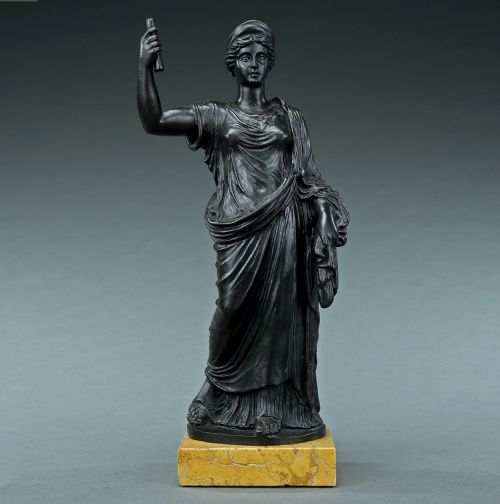
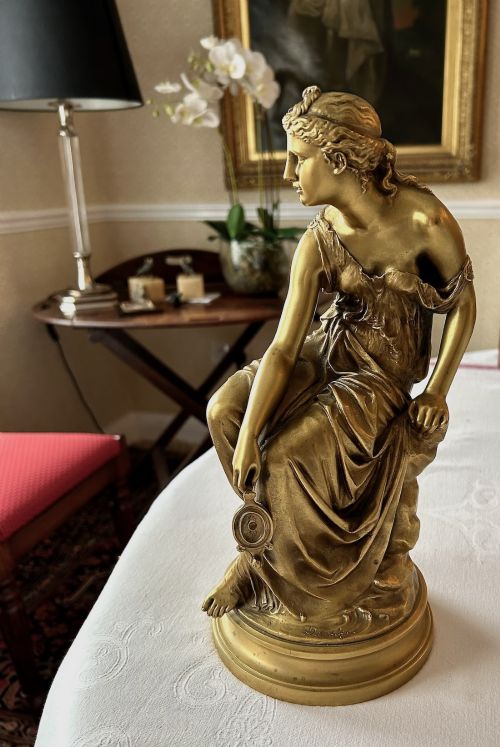
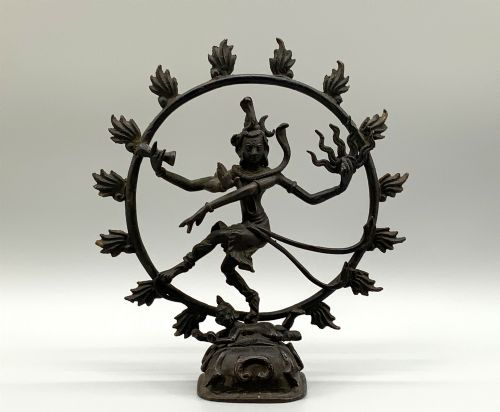
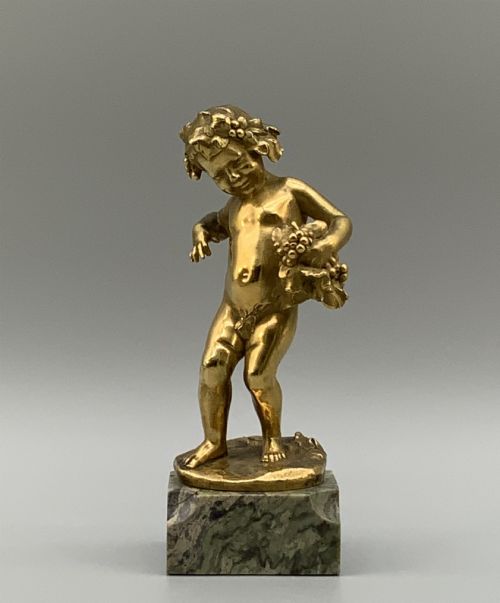
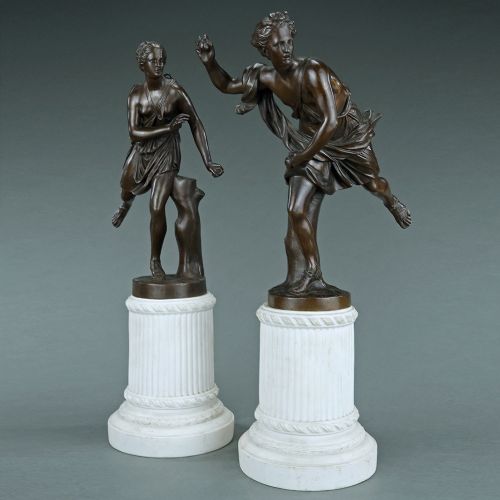
Bronze Statue Figure
When searching for a bronze statue figure, you uncover a diverse array of metal castings and sculptures spanning multiple centuries and global traditions.
Bronze Statue Figure
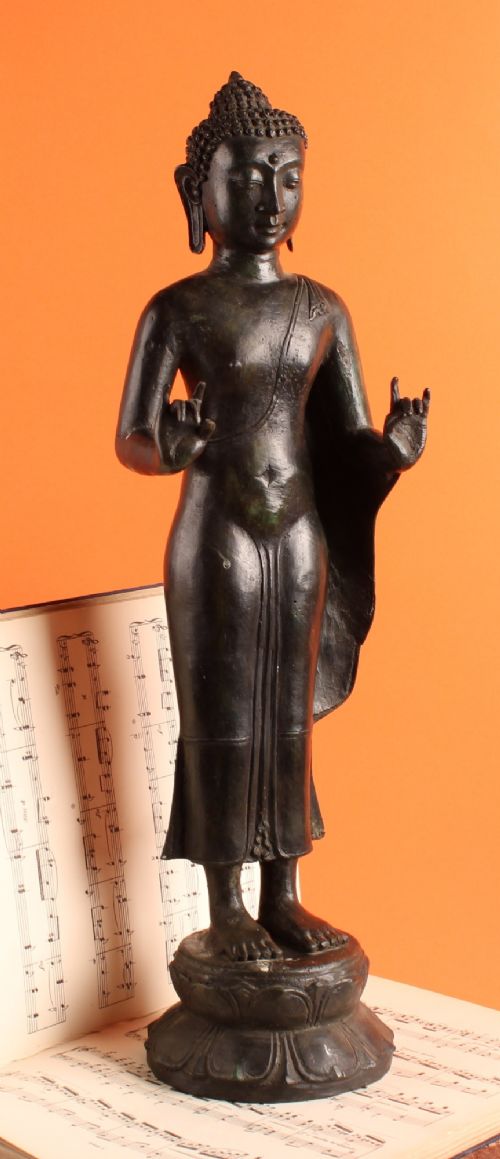
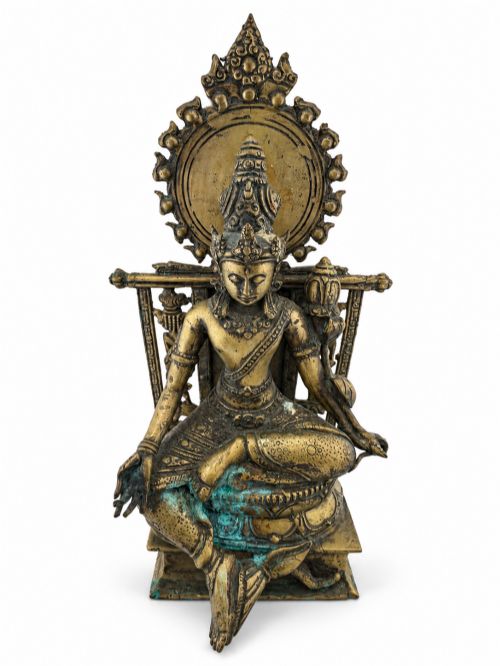
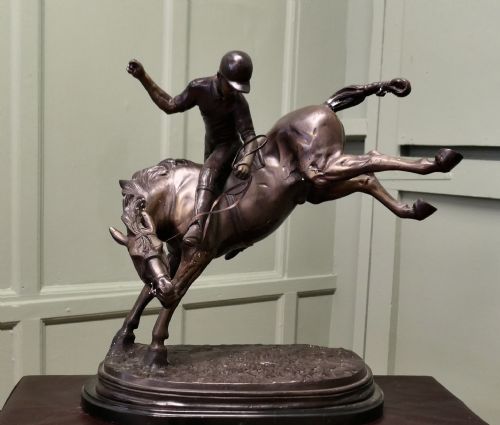
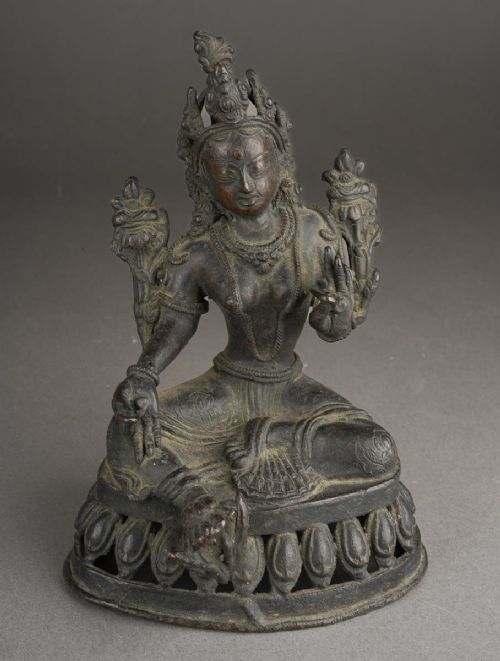
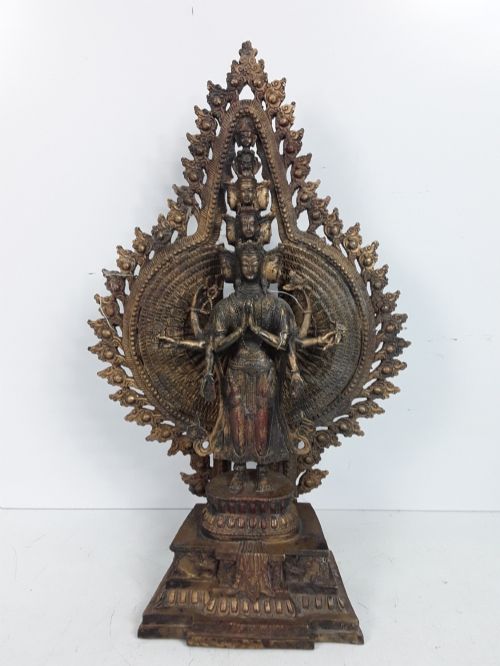
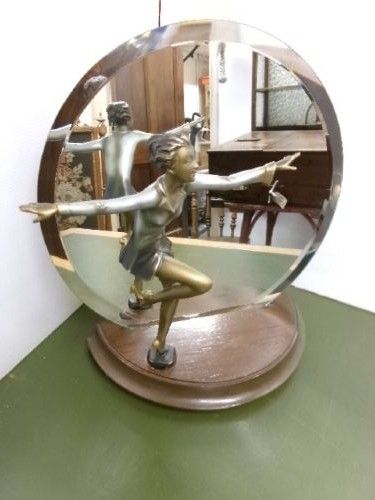
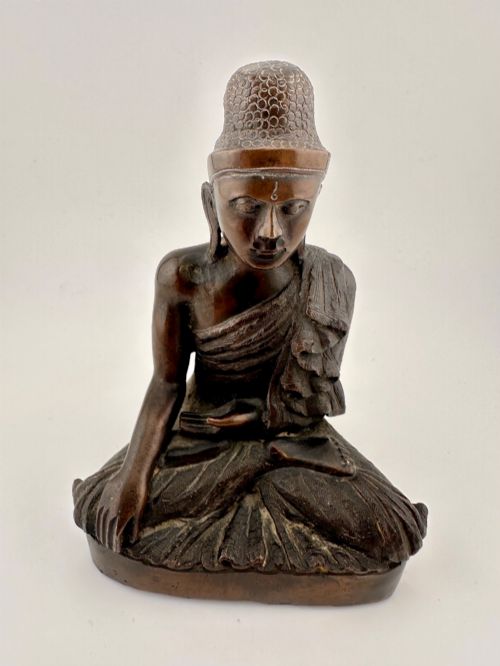
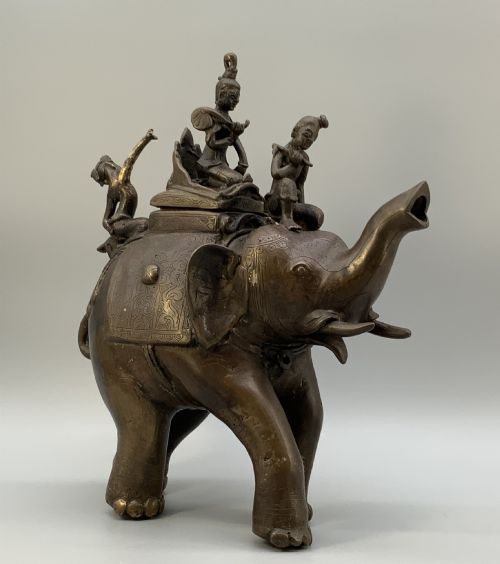
A bronze statue figure encompasses everything from classical European foundry works and Grand Tour souvenirs to Asian deities and detailed animal studies. Buyers seeking these pieces encounter a broad range of forms, including human figures, mythological subjects, animals, and functional objects like bookends.
The selections span distinct periods, most notably the nineteenth century through the art deco era of the early twentieth century. These works derive from diverse geographical origins such as France, Austria, Japan, India, and China, each bringing specific regional aesthetics to the medium.
Materials and casting techniques
Foundries primarily utilised cast bronze, frequently enhanced with rich patination, fire gilding, or cold-painted polychrome details. Mixed metals and alternative base materials like marble, onyx, and wood appear across various pieces to support the main metal sculpture.
Casting methods allowed makers to achieve intricate surface textures, from the fine engraving on animal pelts and elephant caparisons to the smooth drapery of neoclassical human figures.
Listings feature works in bronze, gilt bronze, spelter, and mixed-metal, supported by bases of marble, onyx, and wood.
Distinctions in quality
The depth and richness of the patina or gilding significantly influence the visual impact of the work, alongside the reputation of the foundry or the documented signature of the sculptor.
Etienne-Henri Dumaige·Charles Louis Malric·Susse Frères·Barbedienne·Rudolf Küchler·Bruno Zach·P J Mêne·Franz Bergman·Pierre le Faguays·Ferdinand Preiss·Josef Lorenzl·Ernest Rancoulet·E Fraisse
The Bronze Statue Figure Glossary
- Patina
- The chemical coloration or natural film formed on the surface of bronze over time or through artificial treatment. This finish protects the metal and defines the highlights and shadows of the sculpture.
- Cold-painted
- A technique where paint is applied to a bronze object without being fired in a kiln. This method is particularly characteristic of Austrian foundry work from the early twentieth century.
- Grand Tour
- Souvenirs and small-scale bronze copies of classical antiquities collected by travellers during educational tours of Europe. These pieces typically replicate famous ancient Greek and Roman sculptures.
- Animalier
- A nineteenth-century artistic style and movement focused on the realistic depiction of animals. Sculptors in this tradition studied animal anatomy closely in settings like menageries.
- Okimono
- A Japanese decorative figurine designed for display on a shelf or in a traditional alcove. These pieces often showcase exceptional metalwork and mixed-metal detailing from the Meiji period.
- Spelter
- An alloy of zinc and other base metals commonly used as an economical alternative to bronze. It frequently receives a bronze-coloured coating to mimic heavier cast metal.
Bronze Statue Figure: Frequently Asked Questions
What is an animalier bronze?
An animalier bronze is a sculpture depicting animals in naturalistic poses, a genre that gained immense popularity during the nineteenth century. These works focus heavily on accurate animal anatomy and behaviour.
Artists frequently observed live animals in urban menageries to capture authentic movement and tension in their metal studies.
How do I identify cold-painted bronze?
Cold-painted bronzes feature colourful enamel paints applied directly to the metal surface rather than a chemical patina. You can often identify them by their vibrant hues depicting birds, human figures, or exotic animals.
Because the paint sits on the surface without kiln firing, these pieces require careful handling to prevent flaking.
What are Grand Tour bronzes?
Grand Tour bronzes are small decorative sculptures produced in Europe during the eighteenth and nineteenth centuries for travellers touring cultural sites. They served as portable reminders of classical antiquity and Renaissance art.
Common subjects include reduced-scale copies of famous statues, mythological figures, and architectural ruins.