

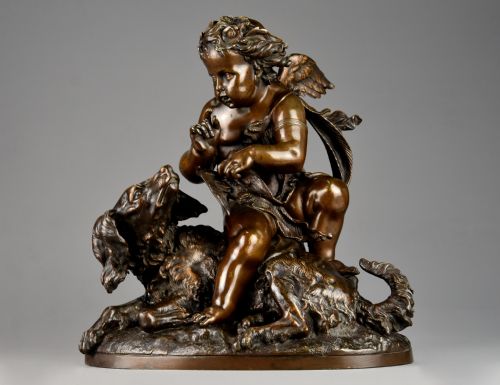


Bronze Putti Figures
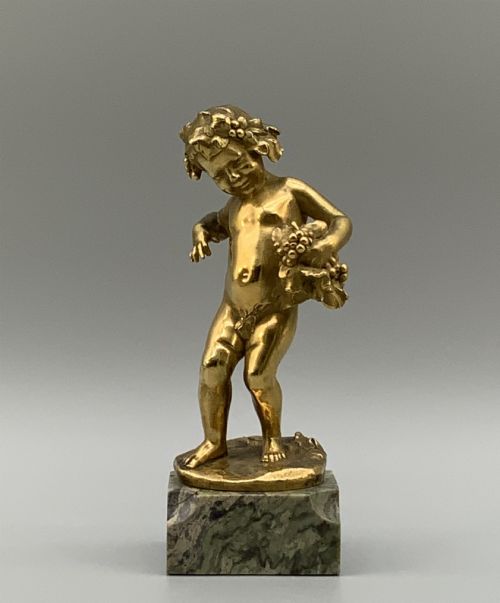
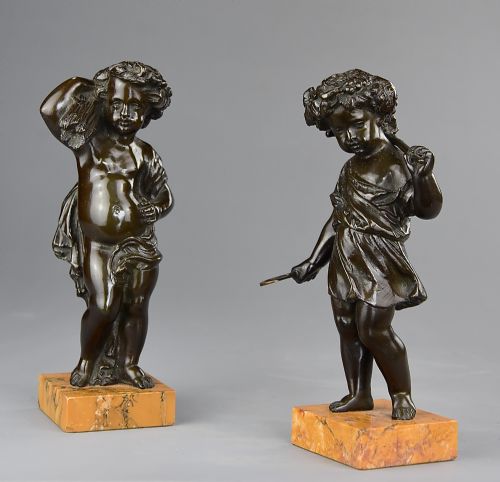
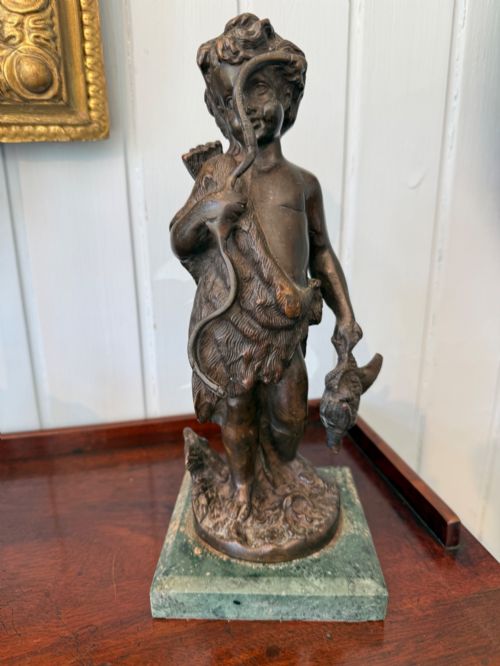
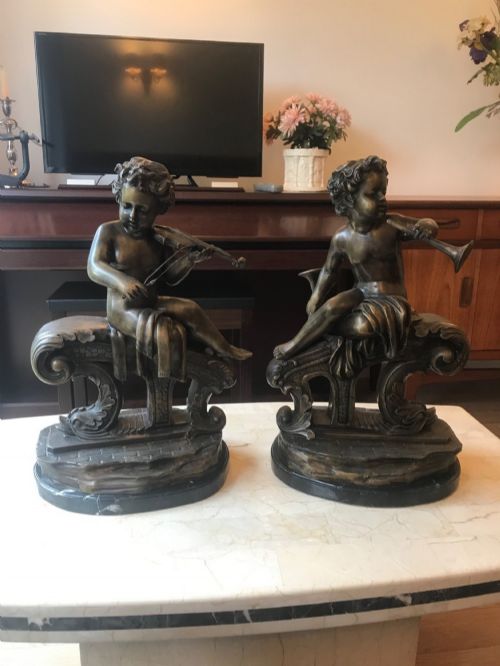
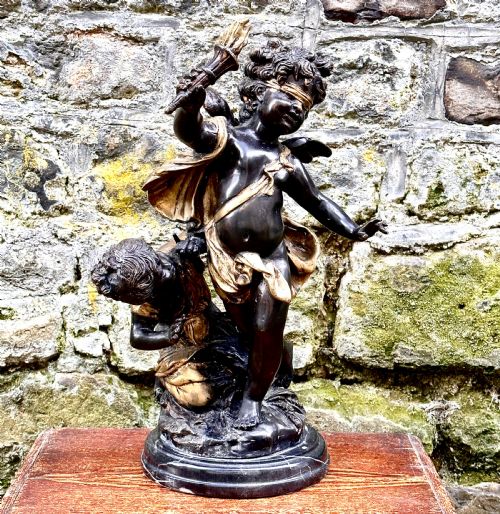
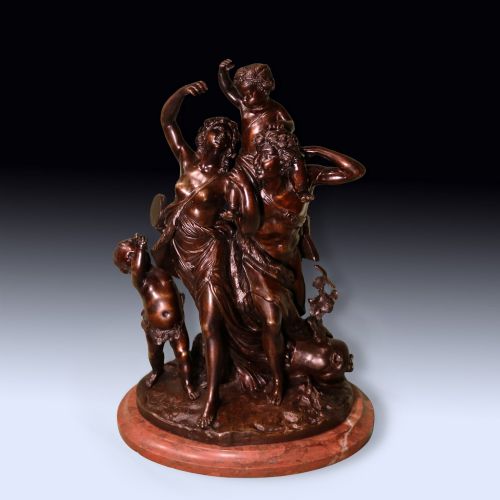
Bronze putti figures are classical child figures modelled in metal, prized for bringing dynamic mythological charm to a room.
Bronze Putti Figures
When you search for bronze putti figures, you encounter sculptural works depicting winged infants, cherubs, or mythological children engaged in harvest, music, or play. The majority of pieces on this page originate from nineteenth-century France, reflecting Neoclassical and Rococo Revival tastes.
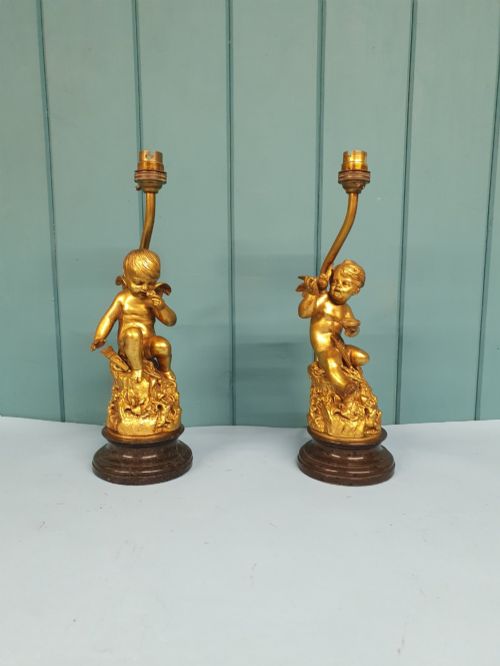
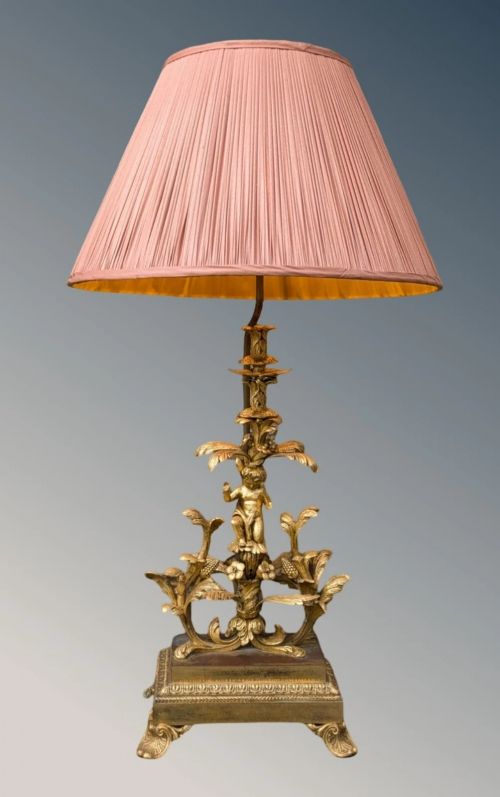
Many examples take functional forms alongside standalone sculptures, appearing as table lamps, mantel clocks, and candelabra. Pairs mounted on marble bases frequently emerge from Italian Grand Tour contexts and French foundry traditions.
Materials and casting methods
Foundries utilised traditional lost-wax or sand-casting techniques to produce these bronzes, often finishing the metal with rich patination or fire-gilding known as ormolu. Artisans frequently combined cast bronze with contrasting materials such as white marble bases, porcelain, and occasionally enamel or wood.
Several bronzes capture cherubs engaged in everyday mischief, wrestling with grapes, dogs, or musical triangles.
Evaluating the craftsmanship
The distinction between standard commercial castings and superior works lies in the crispness of the chase work executed after the metal cools. Master founders employed chisel and graver to sharpen feathers, facial expressions, and surface textures by hand.
Proportion and stance dictate visual success, with superior pieces showing anatomical balance and fluid movement rather than stiff, static postures. Original patination intact without harsh chemical cleaning preserves the depth of the bronze surface.
Charles Louis Malric·Susse Freres·Claude Michael Clodion·K and O·Louis Auguste Moreau·Aug Moreau·Charles Cumberworth·Carrier·Phillipe H Mourey
The Bronze Putti Figures Glossary
- Putto
- A plump, often winged male infant figure derived from classical art. In Renaissance and later revival pieces, they animate mythological scenes.
- Ormolu
- Finely ground high-carat gold mercury-gilt applied to bronze objects. This technique creates a durable, warm metallic brilliance typical of French decorative arts.
- Patina
- The surface coloration and sheen developed naturally over time or applied via chemical treatments. It protects the metal and defines the sculptural contours.
- Grand Tour
- The nineteenth-century travel tradition where wealthy collectors acquired bronzes and antiquities across Italy. These souvenirs frequently featured classical figures on marble plinths.
- Candelabra
- Branched lighting fixtures designed to hold multiple candles. In bronze work, putto figures frequently support or entwine these decorative arms.
Bronze Putti Figures: Frequently Asked Questions
What is the difference between putti and cherubs?
Putto refers specifically to the secular, classical child figures found in mythological art, originating from Renaissance revivals of ancient motifs.
Cherubs carry religious connotations, though the terms are often used interchangeably in nineteenth-century marketplace titles.
How can I tell if a bronze figure is nineteenth century?
Nineteenth-century casts usually display hand-chased surface detailing, heavier weight from solid construction, and natural age-related wear to the patina.
Examining the underside often reveals the casting texture and construction methods characteristic of historical foundry work.
Were these figures always mounted on marble?
Not all bronze figures require marble bases, but nineteenth-century French and Grand Tour examples frequently utilised marble plinths to elevate the sculpture.
These bases also provided stability for functional objects like candelabra and clocks.
How do I care for antique bronze figures?
Dust the surface gently with a soft, dry cloth to prevent particulate buildup without disturbing the underlying patina.
Avoid commercial polishes or liquids, which can strip historic surface treatments and damage the metal.