

Bronze Ormolu Table Lighting
These pieces of bronze ormolu table lighting bring warmth and period character to a room through gilded metal and patinated bronze.
Bronze Ormolu Table Lighting
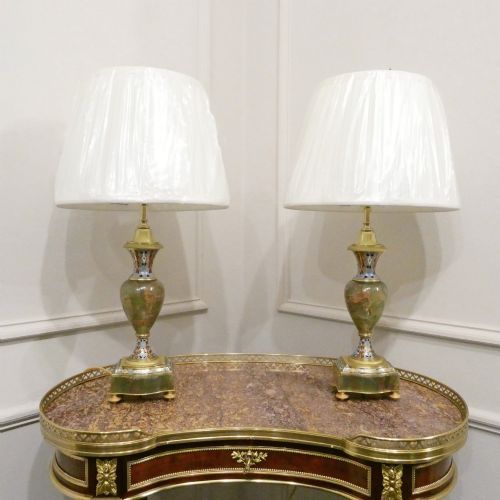
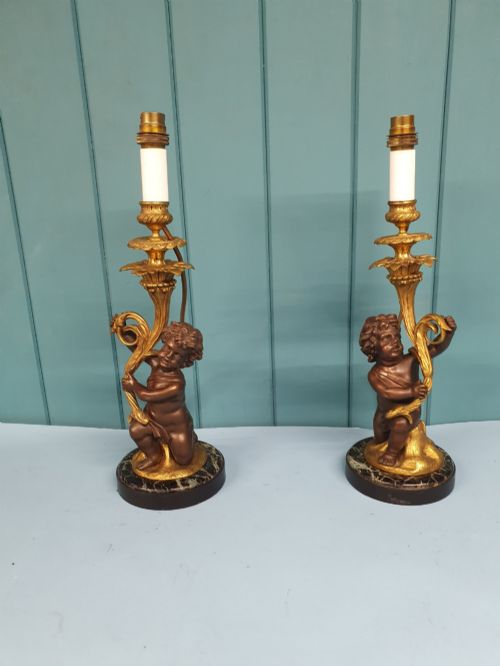
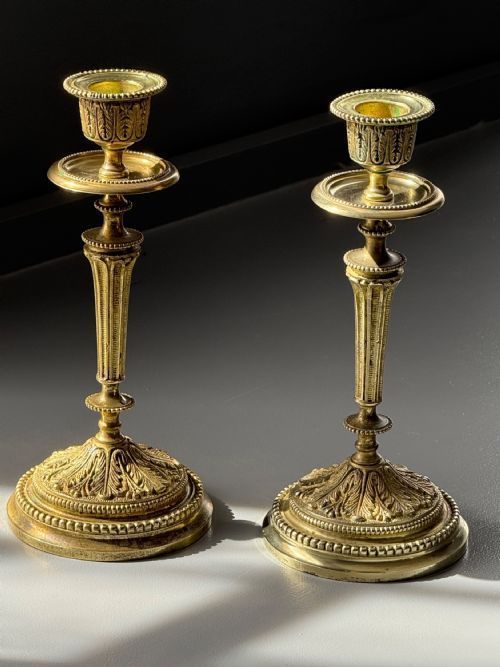
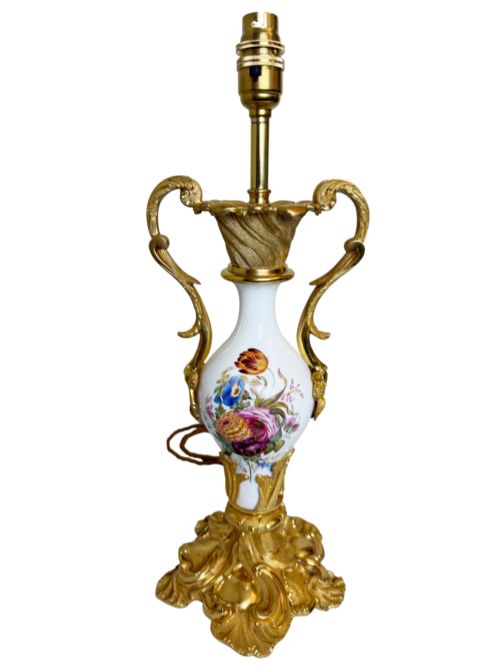
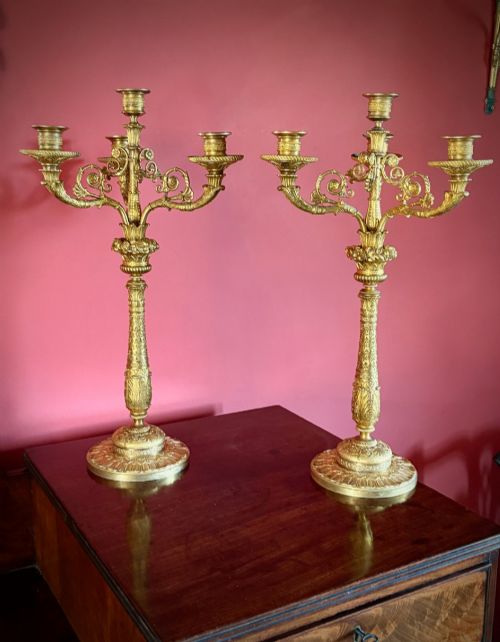
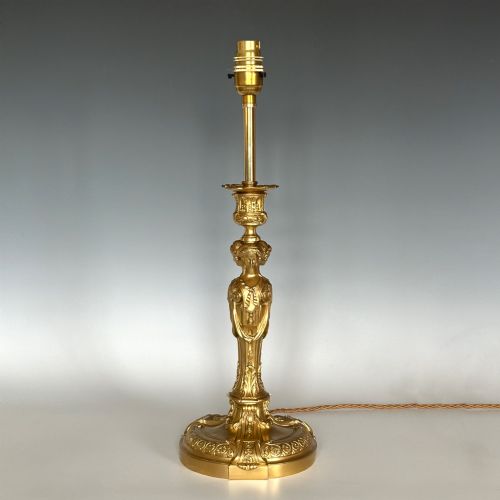
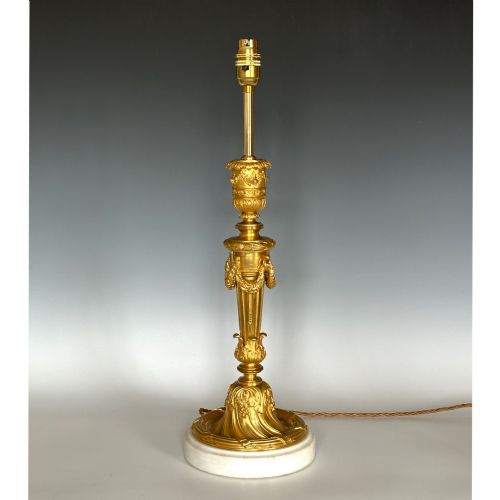
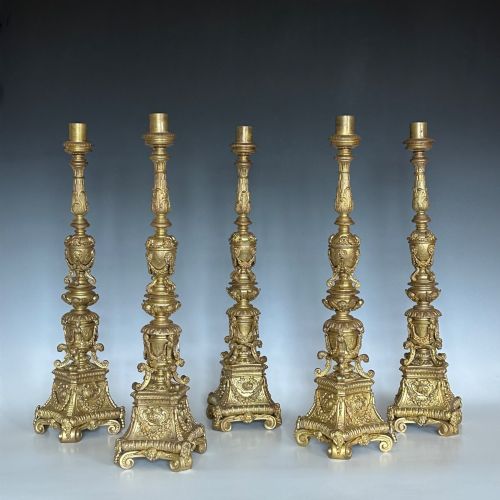
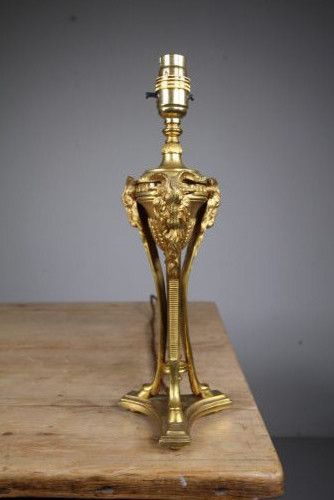
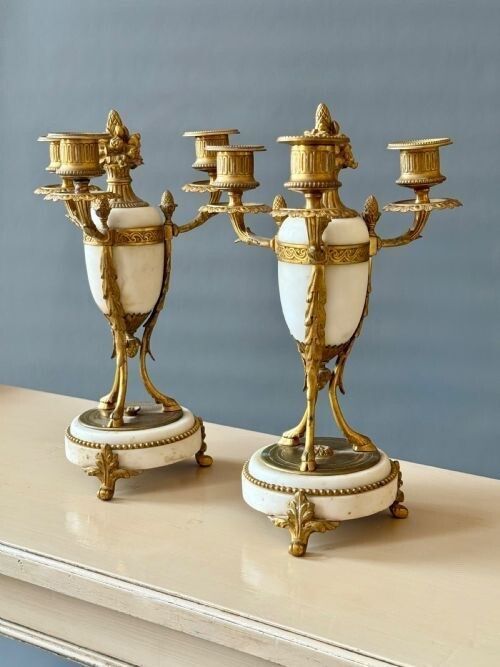
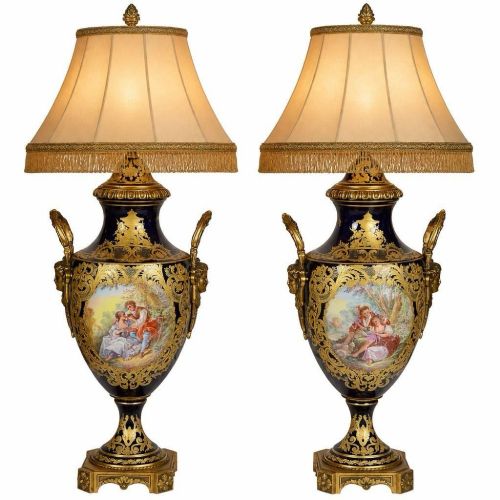
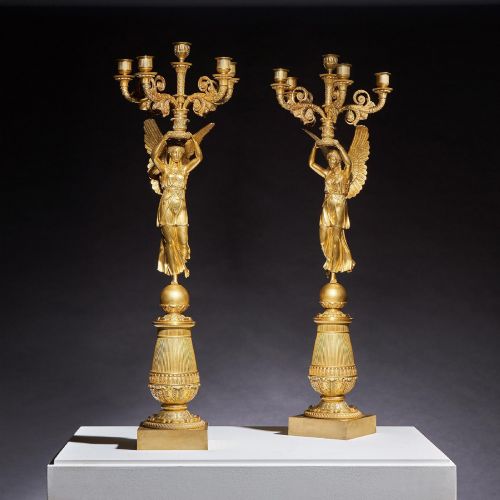
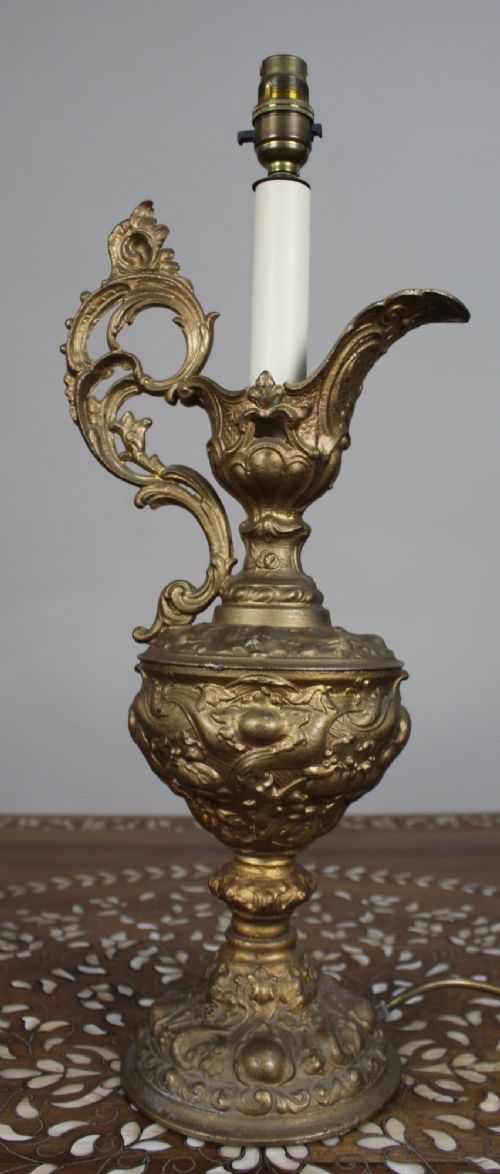
When you search for bronze ormolu table lighting, you encounter various forms designed to illuminate interiors, including table lamps, candelabra, candlesticks, and cassolette lamps. The selection spans the eighteenth, nineteenth, and early twentieth centuries, with a strong representation of French aesthetic influences such as Louis XVI, Empire, and Rococo Revival styles.
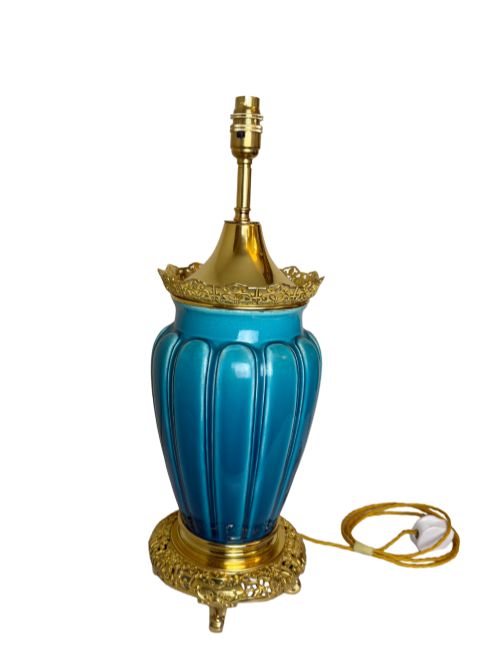
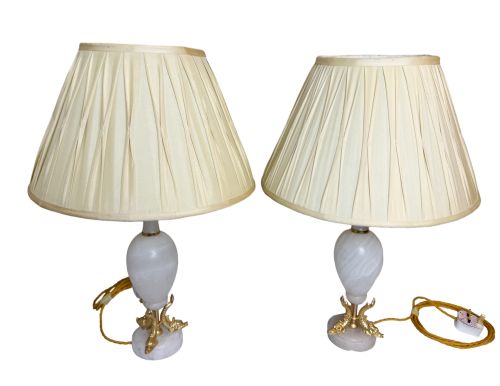
You are most likely to meet matched pairs of candelabra and table lamps combining gilt bronze or ormolu mounts with contrasting materials like marble, onyx, porcelain, and crystal. These items originate predominantly from European workshops, particularly in France, alongside occasional English and Asian porcelain bodies adapted with bronze mounts.
Materials and Technique
The foundation of these pieces relies on cast bronze, brass, or gilt metal, often combined with natural elements like white, rouge, or black marble, onyx, and ceramic bodies including Sevres style porcelain and Chinese vases. Artisans applied mercury gilding or gold plating to create the characteristic bright ormolu finish, contrasting with patinated dark bronze sections.
Detailing is achieved through meticulous chasing of the cast metal surfaces to sharpen acanthus leaves, floral motifs, cherubs, and classical architectural elements. Many items incorporate multi-part construction, screwing together cast bronze mounts, columns, and candle nozzles over stone or porcelain pedestals.
Listings feature pieces from the eighteenth century through to the early twentieth century, spanning French Empire, Neoclassical, and Rococo Revival styles.
Assessing Quality
The distinction between standard and exceptional pieces rests upon the crispness of the bronze casting and the depth of the subsequent chasing work. Superior examples exhibit finely articulated details in hair, drapery, and foliage that remain sharp and deep, rather than smoothed or rounded from worn production moulds.
Quality also shows in the integration of materials, where heavy, solid marble bases and thick, rich gilding denote superior craftsmanship. The weight of the metal and the precision of the joints between the bronze mounts and the ceramic or stone bodies indicate the level of care invested by the maker.
Pierre Philippe Thomire·Rabiat
The Bronze Ormolu Table Lighting Glossary
- Ormolu
- Gilded bronze, derived from the French term for ground gold. It involves applying a gold amalgam to a bronze base and heating it to drive off the mercury, leaving a durable golden coating.
- Candelabra
- Branching lighting fixtures designed to hold multiple candles or bulbs. They typically feature a central stem dividing into several arms.
- Cassolette
- A decorative vessel shaped like a vase, often fitted with a reversible lid that converts it between a perfume burner and a candleholder.
- Champleve
- An enamelling technique where troughs are dug into the metal surface and filled with vitreous enamel before firing. It frequently appears on nineteenth-century decorative bases.
- Patinated Bronze
- The darkened, aged surface finish applied to bronze through chemical or natural oxidation. It provides a visual contrast to the bright gilt or ormolu elements.
Bronze Ormolu Table Lighting: Frequently Asked Questions
How do I date an ormolu lamp?
Dating relies on stylistic clues, casting techniques, and the combination of materials used in the base. Eighteenth-century pieces typically show hand-chased details and heavier, purer bronze casting, while nineteenth-century revival styles often draw directly on earlier neoclassical motifs.
Examination of the interior fixings, wiring channels, and assembly screws also helps determine the age of conversion from candle to electricity. Comparing the decorative vocabulary, such as Empire winged figures or Louis XVI floral swags, to established period designs provides a reliable guide.
Were these originally electric lamps?
Most antique ormolu lighting started life as candleholders, oil lamps, or cassolettes before being converted to electricity in the twentieth century. The process usually involved running a flex through the central column or drilling discreetly through the base.
Original candelabra often retain their drip pans and nozzles, whereas lamps adapted from vases or cassolettes feature custom-made bronze fittings to hold bulb sockets. This secondary adaptation is standard practice for older decorative metalwork.
How should I clean ormolu lighting?
Maintenance requires only gentle dusting with a soft, dry brush to prevent the accumulation of dirt in the chased recesses of the metal. Avoid all abrasive metal polishes, chemical dips, and modern cleaning agents, which can strip away the original fire gilding or damage the delicate patination.
If the piece includes marble or porcelain sections, wipe those surfaces with a damp cloth while keeping moisture away from the metal joins and electrical components. Professional conservation is advisable for deeper cleaning.
What is the difference between ormolu and gilt bronze?
Ormolu is simply the traditional English term for gilt bronze, originating from the French 'bronze dore'. Both terms describe bronze objects coated with a layer of gold, though older pieces often utilised a mercury amalgamation process.
Modern descriptions sometimes use gilt bronze to cover electroplated or modern gold finishes, whereas antique ormolu usually denotes the specific heavy, dull-lustre gold characteristic of eighteenth and nineteenth-century French manufacture.