
Bronze Mounted Chest Drawers
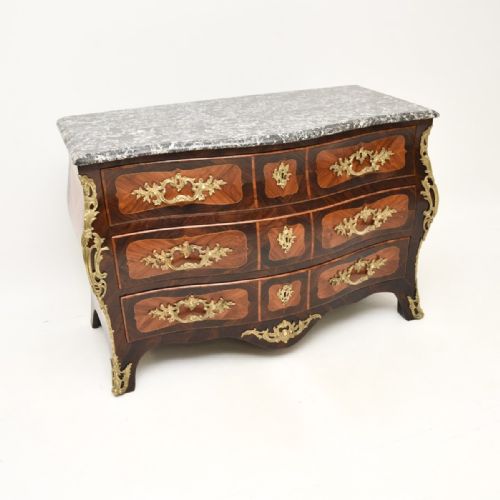
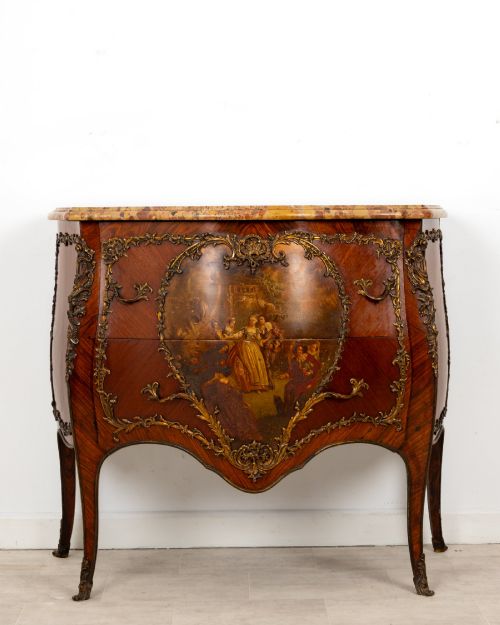
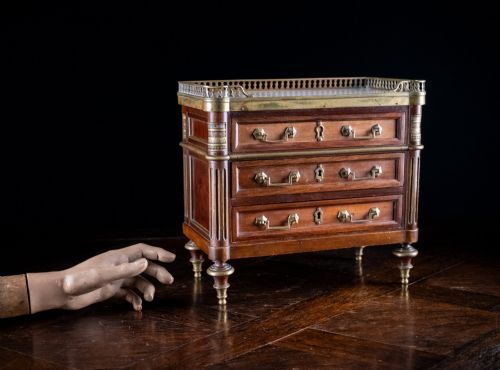
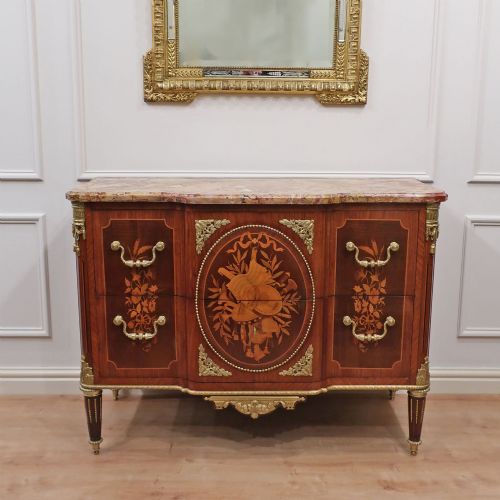
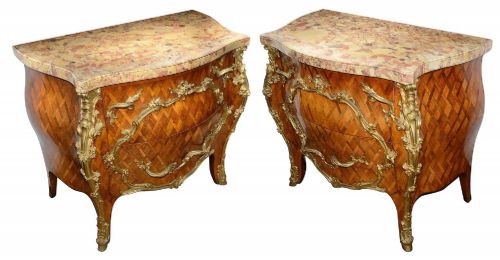
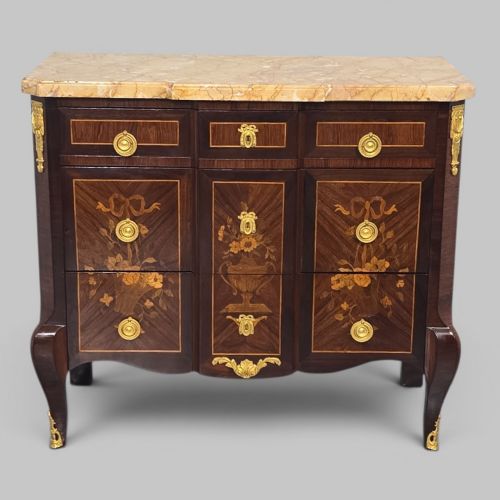
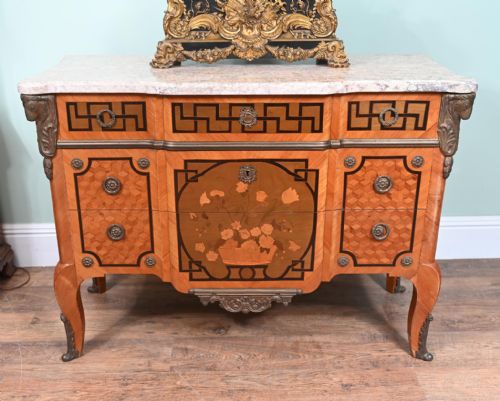
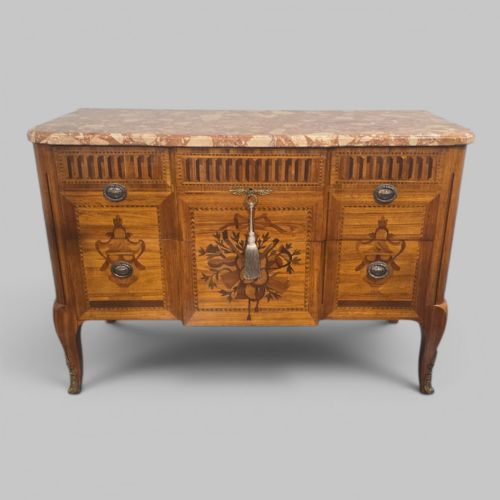
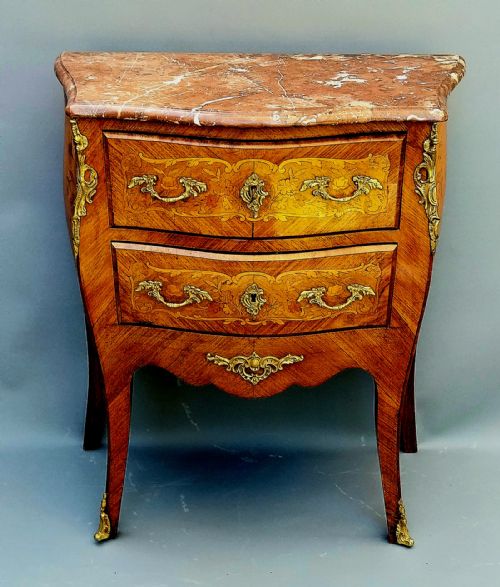
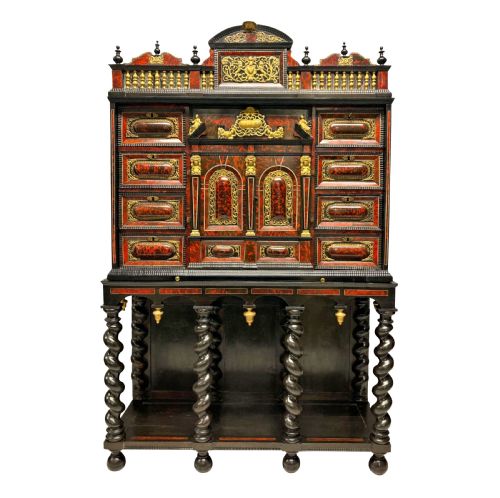
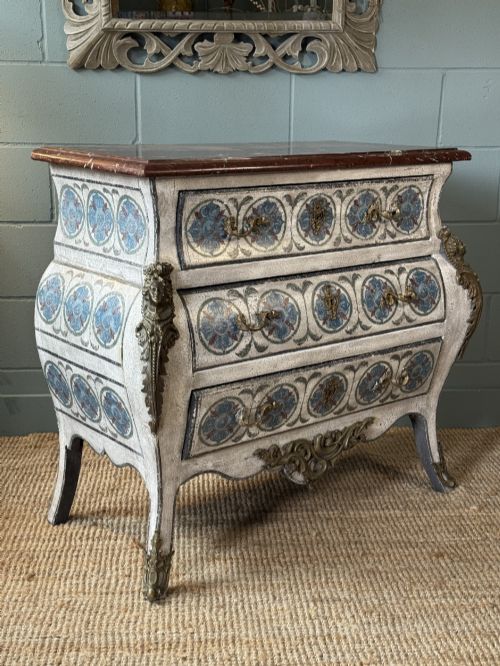
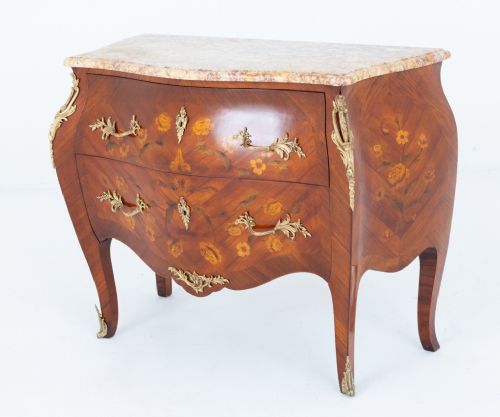
These bronze mounted chest drawers bring continental elegance into a room through rich timber veneers and cast metal fittings.
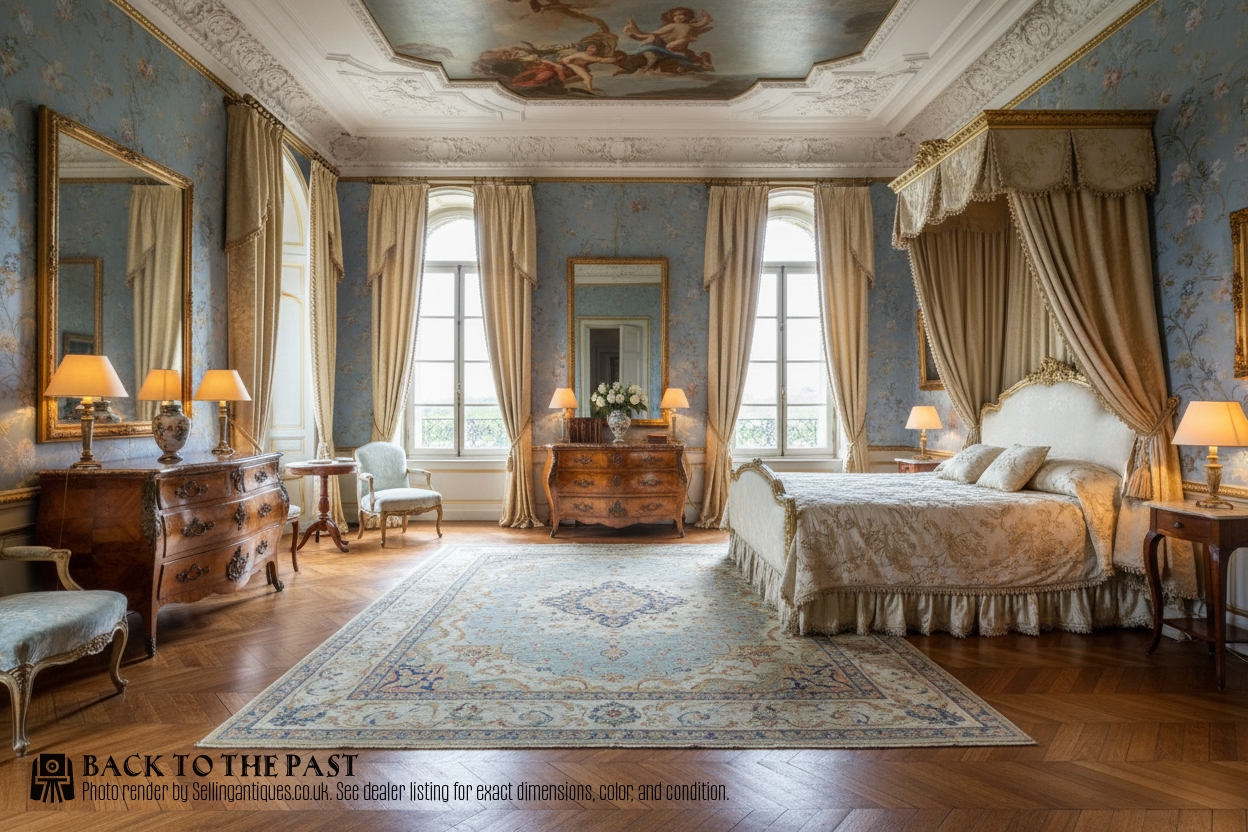
Bronze Mounted Chest Drawers
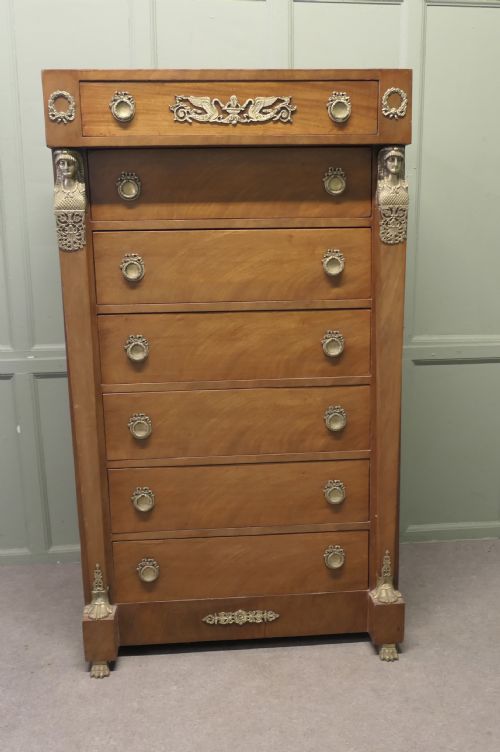
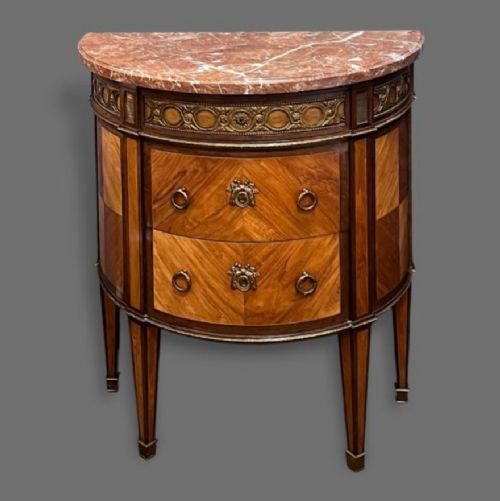
A bronze mounted chest drawers functions primarily as a commode or storage cabinet, merging practical utility with decorative French taste from the eighteenth century onwards. You encounter these pieces most frequently in forms ranging from serpentine commodes and bedside cabinets to tall seamaniers, often topped with fitted marble.
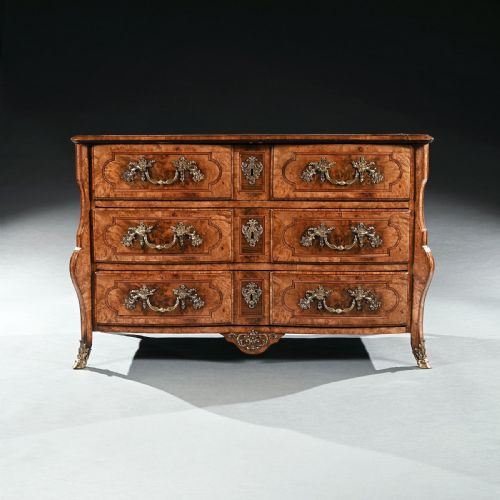
The selection centres on continental craftsmanship, predominantly French revival pieces from the nineteenth century alongside eighteenth-century originals. Makers interpreted Louis styles using serpentine outlines, bombe profiles, and refined marquetry patterns in walnut, kingwood, and satinwood.

Materials and construction methods
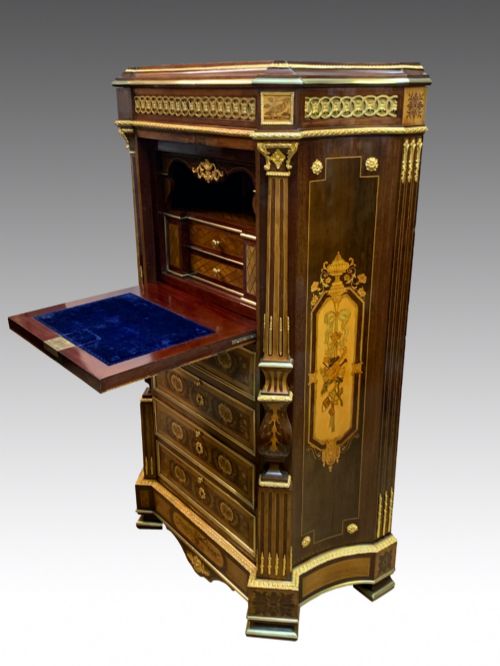
Craftsmen built carcass structures in oak or pine before applying intricate veneers of kingwood, mahogany, and burr walnut, frequently arranged in geometric parquetry or floral marquetry designs. Slabs of coloured marble sit neatly upon the upper surface, following the exact contour of the bombe or bow-fronted frame.
Gilt bronze and ormolu mounts are cast and chased by hand, then pinned or screwed to corners, handles, and aprons to accentuate the architectural lines of the commode. These metal elements protect vulnerable edges while adding a contrasting metallic sheen to the polished wooden surfaces.
Materials recorded across current pieces include kingwood, ormolu, marble, burr walnut, and gilt bronze styled in French Rococo and neoclassical revivals.
Evaluating craftsmanship and detail
Quality rests heavily on the crispness of the gilt bronze or ormolu mounts, where deeper hand-chasing yields sharper definition in foliage and scrollwork. Weaker examples display cast metal that appears soft, flat, or poorly fitted to the curves of the timber.
The precision of the veneer work and the weight of the marble top also dictate distinction within this category. Superior pieces exhibit seamless parquet or marquetry alignment across moving drawer fronts and substantial, perfectly fitted slabs of marble.
Jacques Bircklé·Thomas Hache·Maison Krieger·Jean-Henri Riesener·Charles Cressant
The Bronze Mounted Chest Drawers Glossary
- Ormolu
- Gilded bronze applied to furniture mounts and decorative hardware. The technique involves coating bronze with a mercury-gold amalgam and heating it to leave a rich gold layer.
- Bombe
- A swelling, outward-curving contour found on the sides and front of eighteenth-century and revival commodes. This undulating shape requires exceptional skill in veneer cutting.
- Marquetry
- The art of forming decorative patterns using thin veneers of various coloured woods. Craftsmen assemble these wooden pieces like puzzles before gluing them to the furniture carcass.
- Semanier
- A tall chest traditionally containing seven drawers, designed for weekly storage organisation. These slender case pieces often feature gilt bronze mounts and marble surfaces.
- Regence
- A transitional stylistic period bridging seventeenth-century baroque and eighteenth-century rococo. Furniture from this era displays symmetrical mounts and restrained serpentine curves.
Bronze Mounted Chest Drawers: Frequently Asked Questions
How do I date a bronze mounted chest drawers?
Examine the secondary woods inside the drawer linings and the method used to cut the dovetails. Eighteenth-century pieces typically show hand-sawn oak timbers, whereas nineteenth-century revival items often display machine-assisted precision alongside nineteenth-century hardware.
Look closely at the style of the gilt bronze mounts and the type of veneer. Louis XV and Louis XVI revivals from the eighteen-eighties often utilise machine-cast details combined with denser tropical hardwoods like kingwood.
Are marble tops original to these commodes?
Most continental commodes and bedside cabinets left workshops with fitted marble tops designed to protect the timber below. Thick slabs with moulded edges usually indicate original factory pairing.
Replacement marble occasionally appears during restoration work. Inspect the underside of the stone and the seating rebate on the cabinet top for consistency in age and wear.
Where should I place a commode at home?
These decorative chests work well as focal points in living rooms, grand hallways, or master bedrooms. Their polished timber and metallic mounts reflect ambient light effectively against neutral walls.
Ensure the room maintains stable humidity levels to protect the delicate veneers and natural wood movement. Avoid positioning the piece directly beside modern heating radiators.
What is the difference between ormolu and bronze?
Bronze is an alloy of copper and tin used to cast structural mounts and decorative handles. Ormolu specifically refers to bronze that has received a fine layer of gold amalgamation.
True ormolu displays a warm, deep yellow lustre that does not tarnish the way raw brass or unrefined bronze typically does over time.