


French Drawer Storage Cabinet
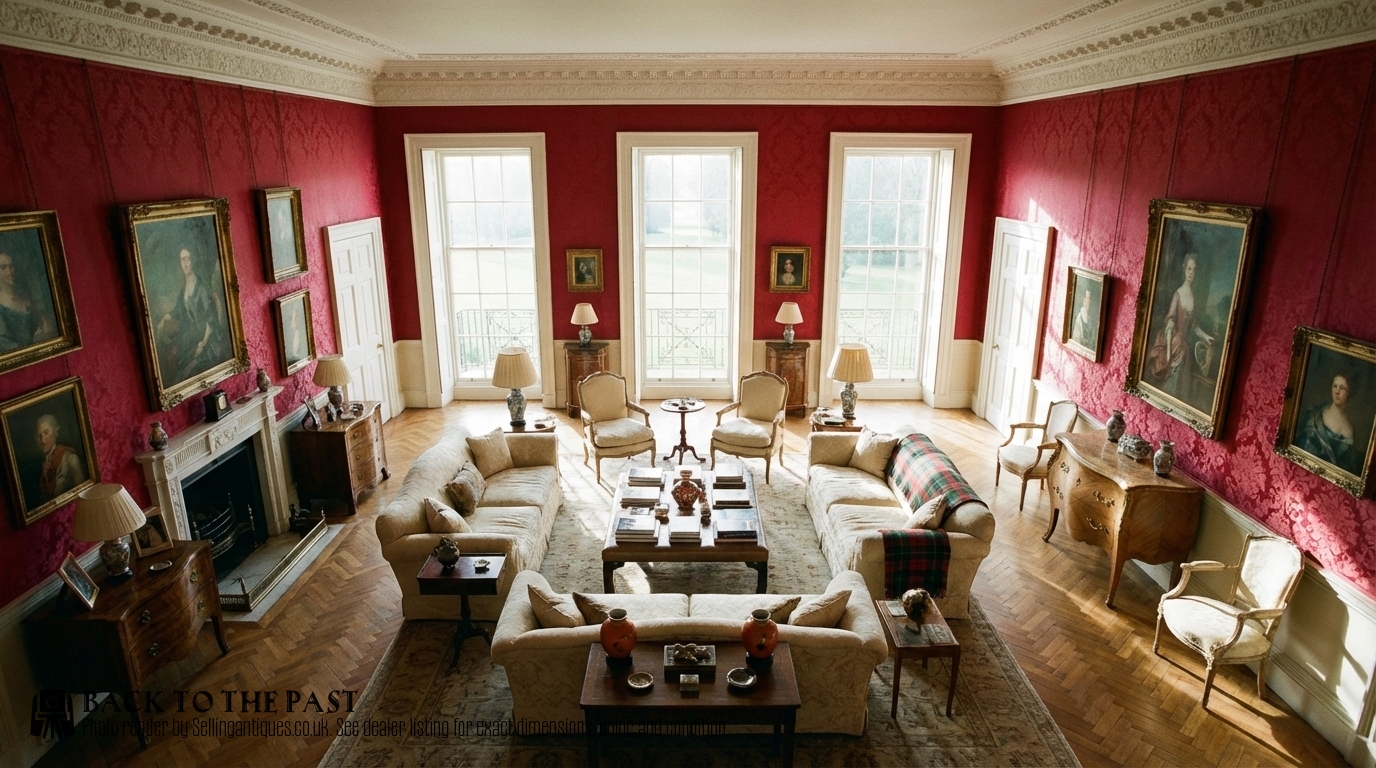
When you search for a french drawer storage cabinet, you enter a tradition of commodes, chests of drawers, and bedside units built to organise domestic spaces.
French Drawer Storage Cabinet
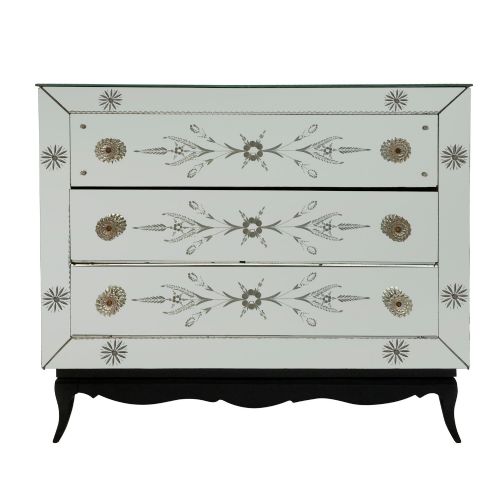
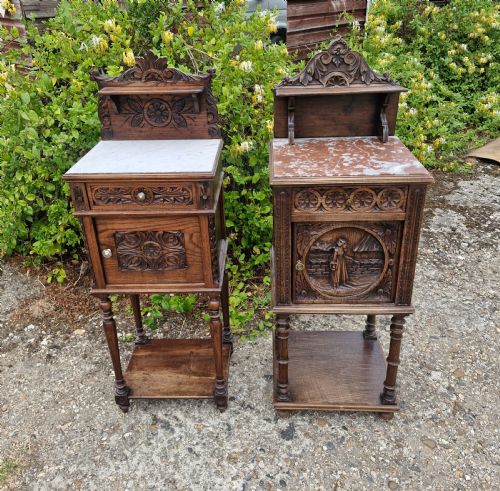
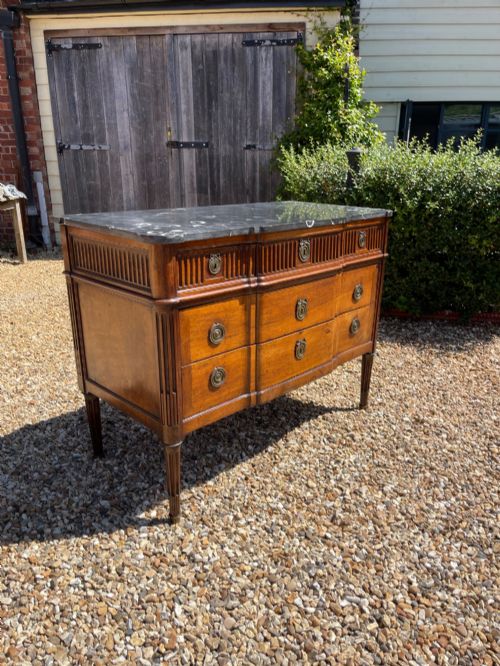
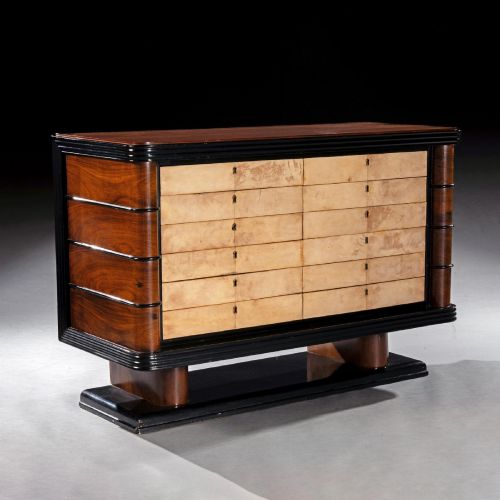
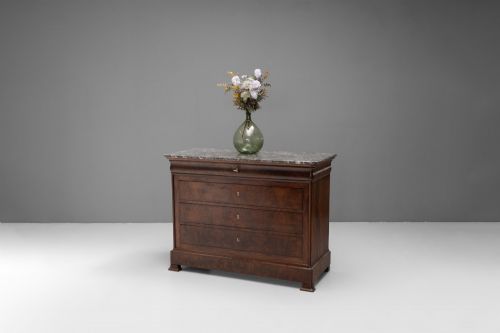
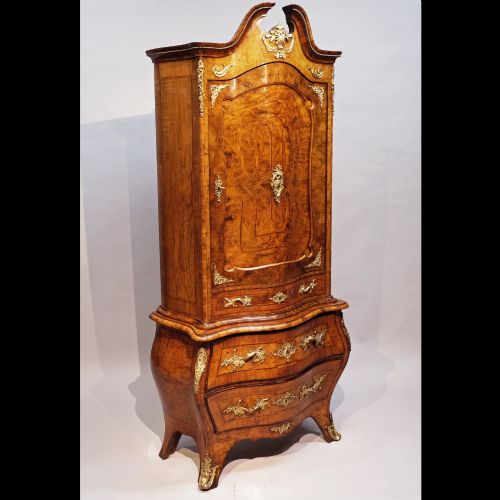
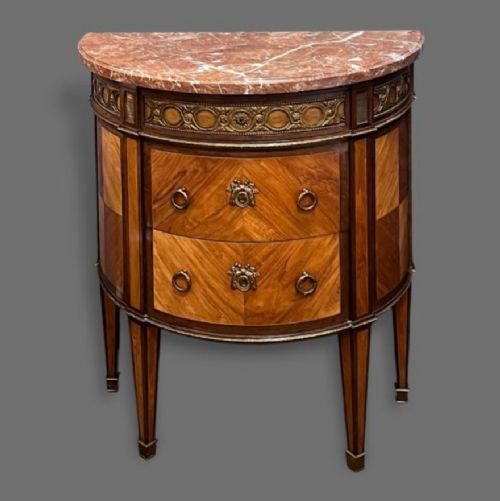
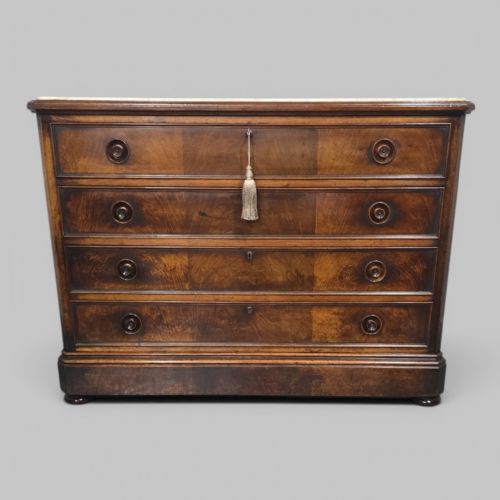
A french drawer storage cabinet typically takes the form of a commode, a chest of drawers, or a bedside cabinet designed for functional containment in bedrooms and living rooms. The listings show forms ranging from eighteenth-century cherrywood examples to art deco palisander and industrial filing pieces.
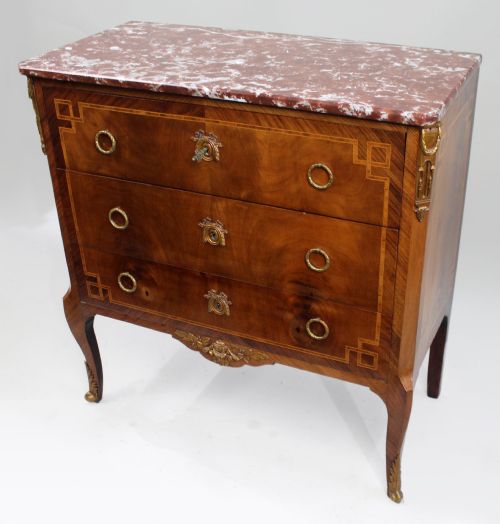
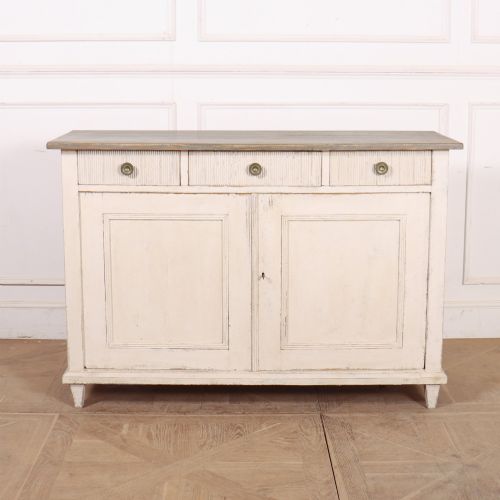
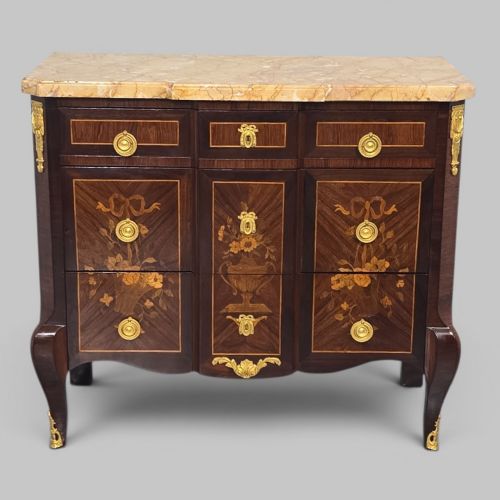
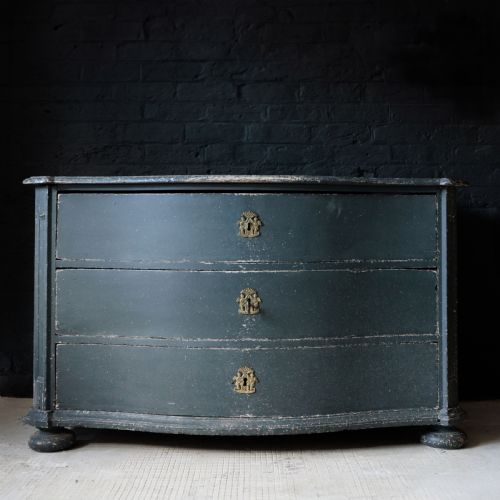
Most pieces you meet here belong to the nineteenth century or earlier decades, styled in the manner of Louis XV, Louis XVI, or provincial traditions. Walnut, cherrywood, and painted wood provide the primary carcass structures, often topped with marble.
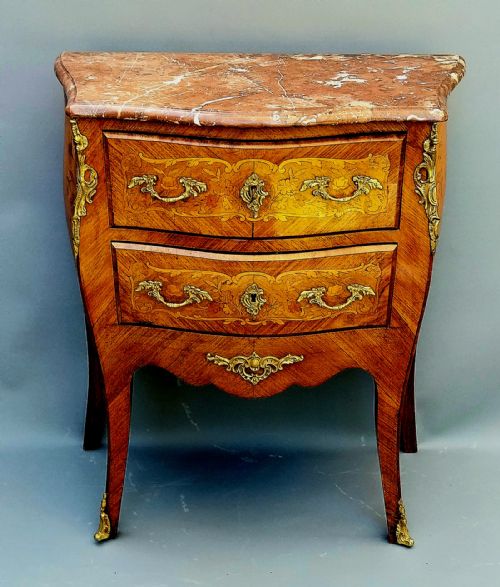
Specialised variations include bedside tables, tall chests, and cartonnier cabinets equipped with leather or parchment compartments for papers. These serve practical storage needs while maintaining decorative presence through marquetry, parquetry, and gilt bronze mounts.
How they were made
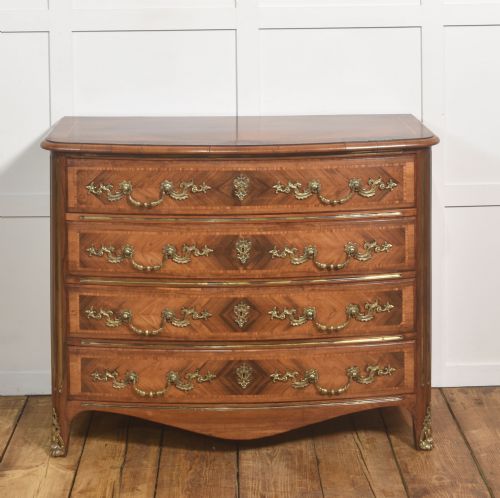
Cabinetmakers constructed the frames from timbers such as walnut, oak, mahogany, kingwood, and cherrywood, applying veneers in marquetry and parquetry patterns for decorative effect. Carved details and shaped serpentine fronts required skilled hand carpentry.
Marble slabs in grey, rouge, and other shades were fitted to the tops of commodes and cabinets to provide a durable, polished surface. Ormolu and brass mounts were cast and chased to accent corners, handles, and keyholes.
Some nineteenth-century French post office filing shelves crossed over from sorting mail to living room duty.
What varies in quality
Quality depends upon the precision of the veneer work, the choice of timbers, and the crispness of the bronze or ormolu mounts. Finer pieces demonstrate seamless parquetry and marquetry alongside heavy, well-cast metal ornamentation rather than pressed sheet metal.
The integrity of the marble top and the smooth operation of the drawer construction distinguish superior examples from standard utility pieces. Structural balance in serpentine and bombe forms indicates the maker's skill.
Jean Henri Riesener
The French Drawer Storage Cabinet Glossary
- Commode
- A low chest of drawers, typically decorative, originating in France during the seventeenth century. These units usually feature multiple drawer tiers and often carry a marble top.
- Marquetry
- The art of applying pieces of veneer to a structure to form decorative patterns and pictures. Craftsmen utilise various coloured woods to create pictorial designs.
- Ormolu
- Gilt bronze mounts applied to furniture for decoration. This technique involves fusing gold to a copper-based bronze alloy.
- Bombe
- A swollen or bulging outward shape found on the sides and fronts of certain cabinets and chests. This contour requires advanced woodworking skill to execute properly.
- Parquetry
- A geometric mosaic of wood pieces used for floors and cabinet surfaces. It relies on repeating angular patterns rather than pictorial scenes.
- Cartonnier
- A piece of furniture fitted with multiple compartments or drawers for holding papers and documents. These often incorporate leather or parchment elements.
French Drawer Storage Cabinet: Frequently Asked Questions
What is a french drawer storage cabinet?
A french drawer storage cabinet refers to commodes, chests of drawers, and bedside units originating from or styled after French furniture traditions. They combine practical compartment storage with decorative elements like marble tops and wood veneers.
These pieces range from provincial cherrywood chests to refined marquetry commodes with ormolu mounts. Their primary function remains storage, adapted for bedrooms, hallways, and living spaces.
How do I identify the period?
Period identification relies on observing the combination of timbers, construction methods, and stylistic cues such as Louis XV or Art Deco lines. Eighteenth-century pieces often utilise solid cherrywood or walnut with hand-cut dovetails.
Later nineteenth- and twentieth-century examples introduce industrial filing formats, ebonised finishes, and distinct veneer choices like palisander. Examining the hardware and interior timber helps confirm the era of production.
Were these cabinets used in bedrooms?
Many examples, including bedside tables, bedside cabinets, and commodes, were designed specifically for bedroom use to hold clothing and personal items. Taller chests and buffets served similar organisational roles in other domestic rooms.
Specialised forms like cartonniers functioned in studies or administrative settings for sorting papers and documents.
How do I care for marble tops?
Marble tops require simple cleaning with a damp cloth and mild soap, avoiding acidic substances that can etch the polished stone surface. Using coasters and placemats protects the historical finish from moisture and staining.
Applying a neutral stone wax occasionally helps maintain the lustre of the marble without trapping dirt.