

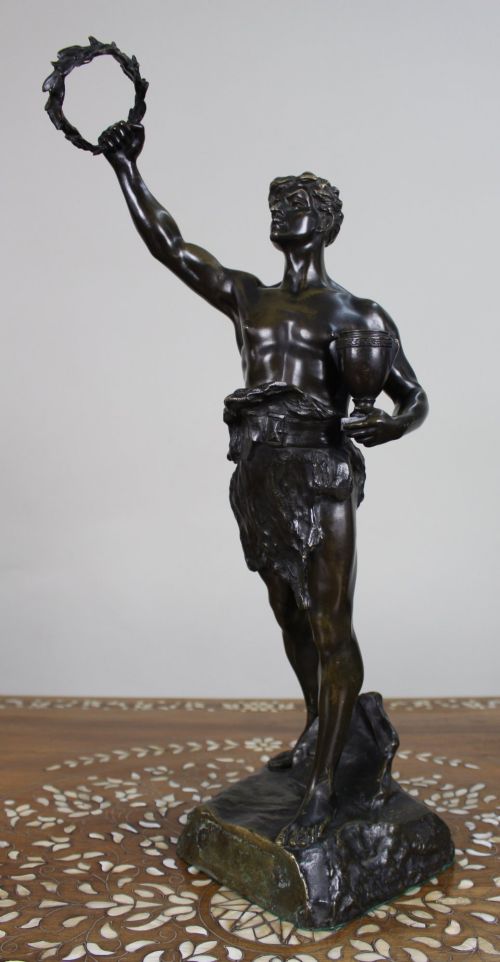

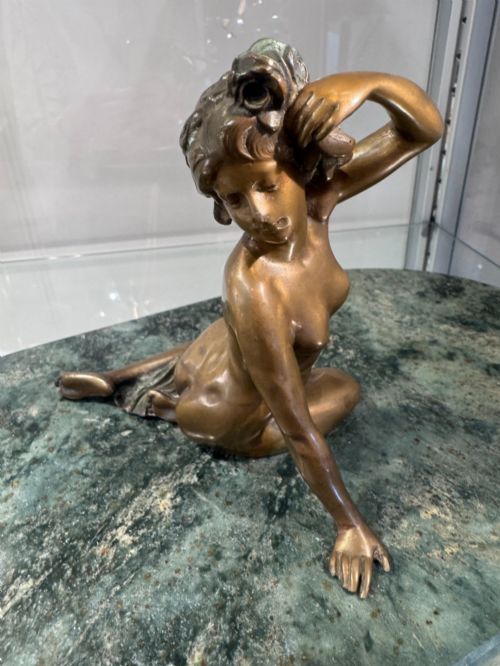
Bronze Metal Statue
When you search for a bronze metal statue, you enter a world of cast figures and animals shaped across centuries.
Bronze Metal Statue
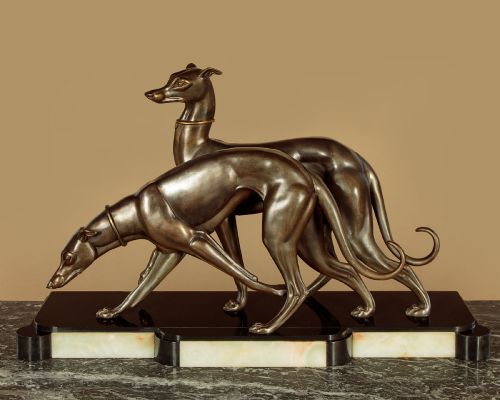
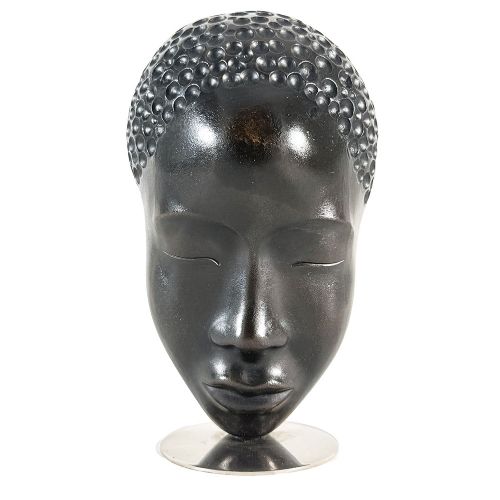
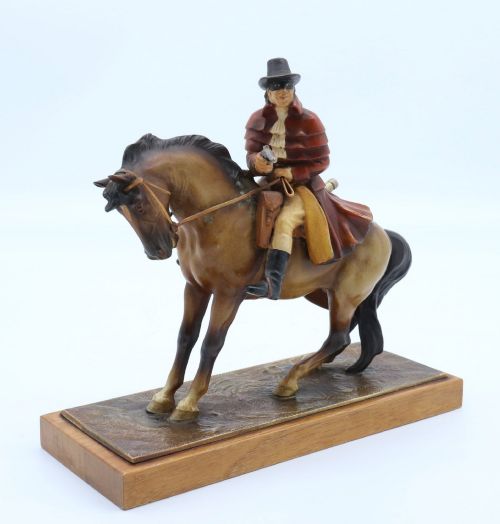
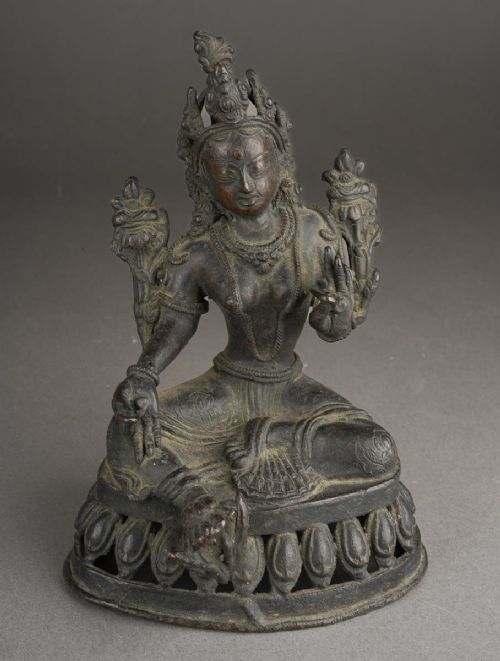
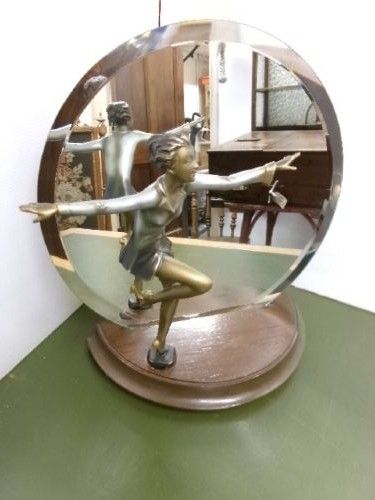
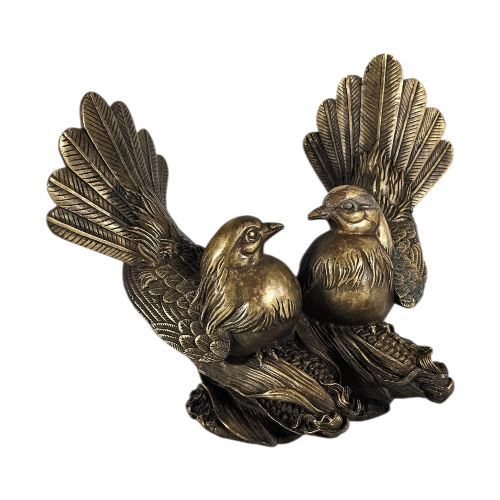
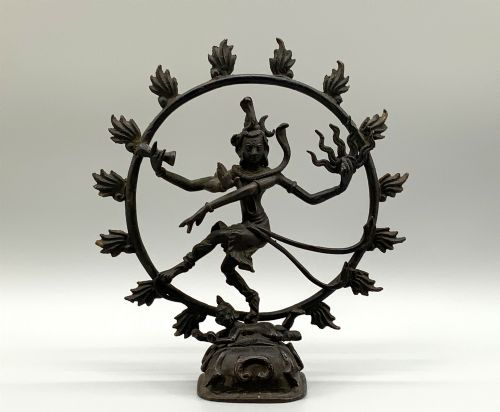
A bronze metal statue covers cast sculptures, figures, and groups spanning the nineteenth and early twentieth centuries alongside earlier dynasties. Buyers find classical depictions, animalier subjects, and distinct figures linked to the Art Deco and Art Nouveau movements.
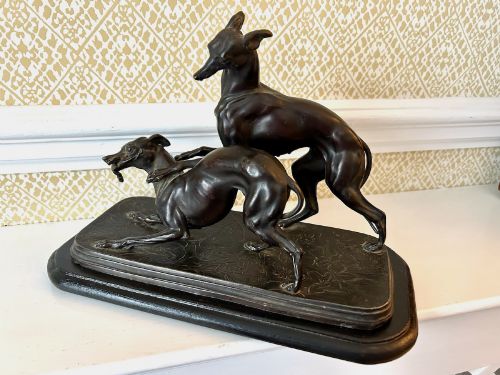
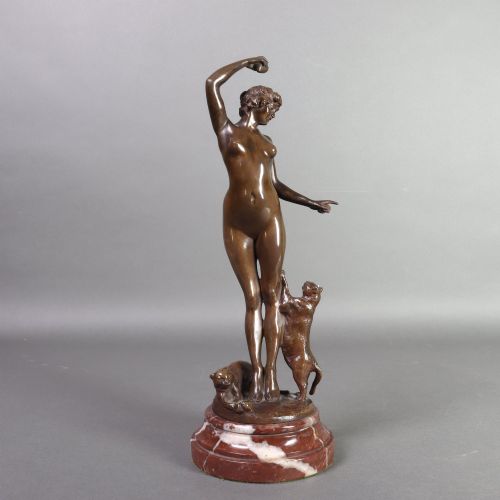
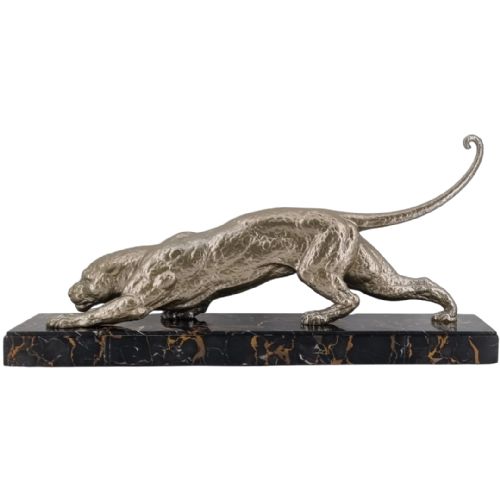
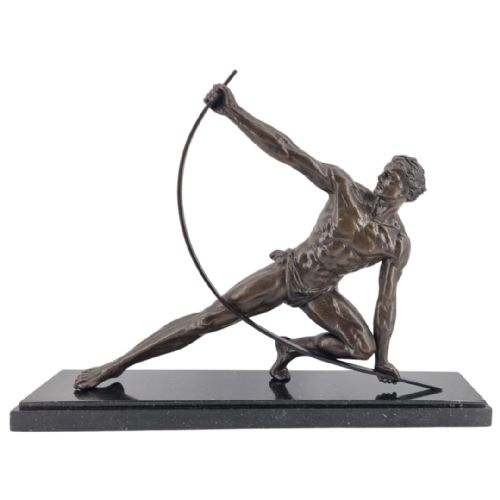
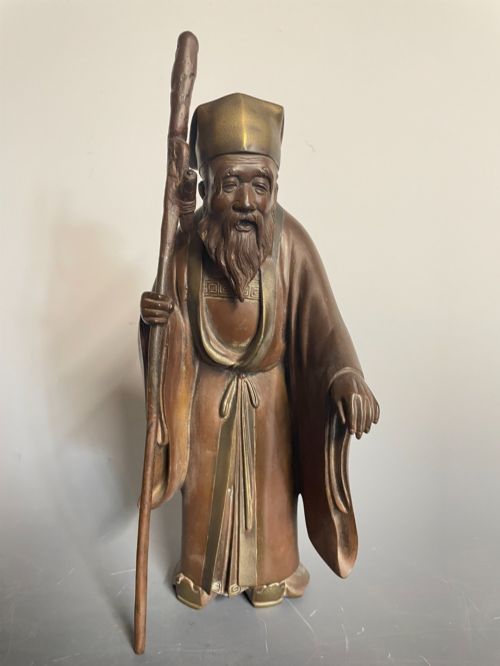
The most common examples on this page are European figures and animal studies, often mounted on marble or onyx bases, alongside Japanese Meiji period bronze okimono and patinated spelter figures.
These works function as decorative table pieces, desk accessories, and floor sculptures, reflecting the sculptural tastes of the nineteenth and twentieth centuries.
Materials and construction methods
Foundries utilised traditional casting methods, predominantly lost-wax casting for fine detail, alongside simpler sand-casting techniques for larger runs. Spelter appears as a more affordable substitute metal, often given a patinated or bronzed finish to resemble true bronze.
Surfaces received various treatments, from chemical patination producing dark brown or green tones to cold-painting with polychrome pigments. Many sculptures incorporate integrated or fitted bases made of white marble, black marble, or onyx.
Listings feature works from the sixteenth century up to the mid-twentieth century, including Meiji period Japanese bronzes and Art Deco figures.
Judging the quality of a cast
Signatures and foundry marks offer an indication of origin, though the depth of the casting and the weight of the metal itself remain the primary markers of standard in any bronze metal statue.
Pierre le Faguays·Josef Lorenzl·E Rousseau·F.Milliot·E Villanis·Frederic Remington·Christophe Fratin·Emile Carlier·Henri Godet
The Bronze Metal Statue Glossary
- Animalier
- A nineteenth-century artistic style focusing on realistic depictions of animals, particularly predators, horses, and dogs in motion. Artists captured beasts with anatomical precision.
- Spelter
- A zinc-based alloy commonly used for sculptural figures as a cheaper alternative to bronze. It takes patination well but feels lighter and softer.
- Okimono
- A Japanese decorative figurine designed for display on a shelf or tokonoma alcove. These pieces often depict animals, scholars, or daily scenes.
- Cold-painted
- A method where paint is applied to a metal sculpture without firing, often associated with Viennese animal bronzes. The pigments sit on the surface rather than fusing to the metal.
- Patina
- The surface coloration and sheen developed naturally through age or applied artificially using chemicals. It protects the metal and defines the visual depth of the sculpture.
Bronze Metal Statue: Frequently Asked Questions
What is the difference between bronze and spelter?
Bronze is a durable copper and tin alloy that accepts fine chisel work and develops a rich natural patina over long periods. Spelter is a softer zinc alloy that feels lighter and shows a duller sound when tapped.
Many nineteenth-century figures were cast in spelter and given a bronze-look coating to resemble more expensive metalwork.
How do I spot a reproduction?
Examine the base and underside for modern fixing screws, felt pads, or casting seams that reveal contemporary manufacturing methods. Older casts feature hand-chased surfaces where the foundry worker cleaned up the raw metal.
Compare the weight and sharpness of detail against known period examples from the same foundry or sculptor.
Where should I display these sculptures?
Place figures on stable surfaces away from direct sunlight, high humidity, and sudden temperature fluctuations that can affect marble bases or cold-painted finishes. Heavier statues require sturdy furniture capable of supporting concentrated weight.
Keep them at eye level or slightly below to appreciate the modelling and surface patination from the intended viewing angle.