


Bronze Metal Sculpture
These bronze metal sculpture pieces span distinct eras and traditions, offering collectors durable figurative and decorative works cast in metal.
Bronze Metal Sculpture
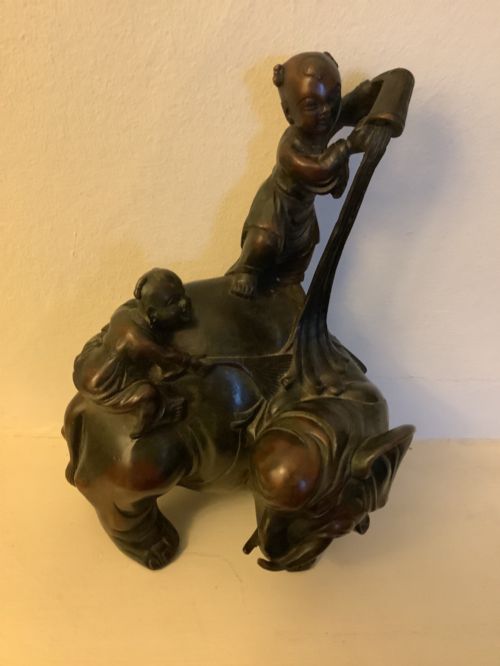
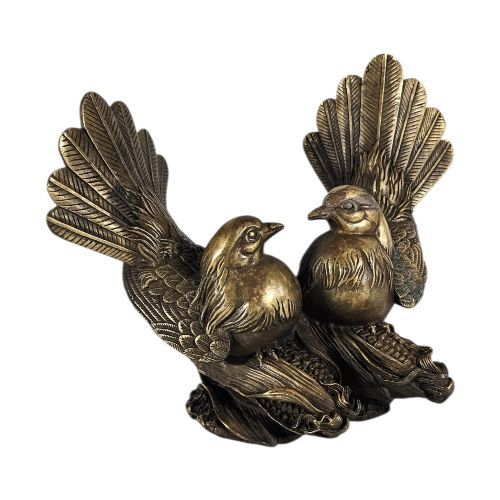
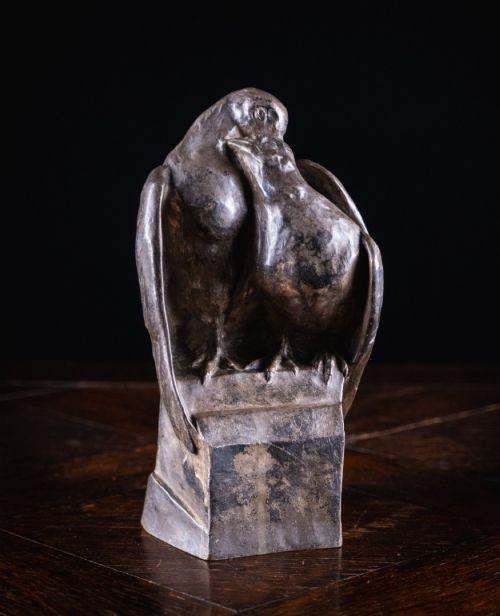
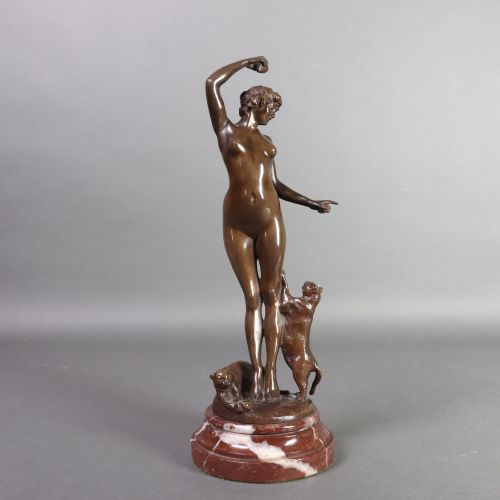
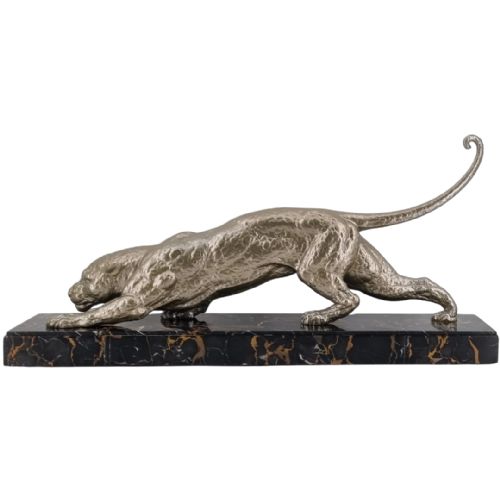
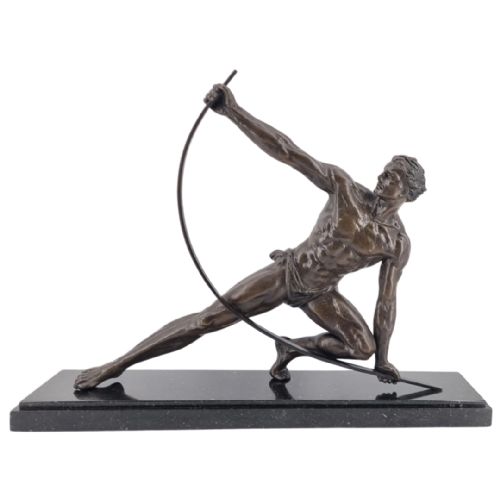
When you search for bronze metal sculpture, you encounter a diverse array of figurative works, animals, and decorative objects spanning the nineteenth and early twentieth centuries. These pieces range from classical figures mounted on marble bases to intricate animalier studies of hounds, panthers, and birds.
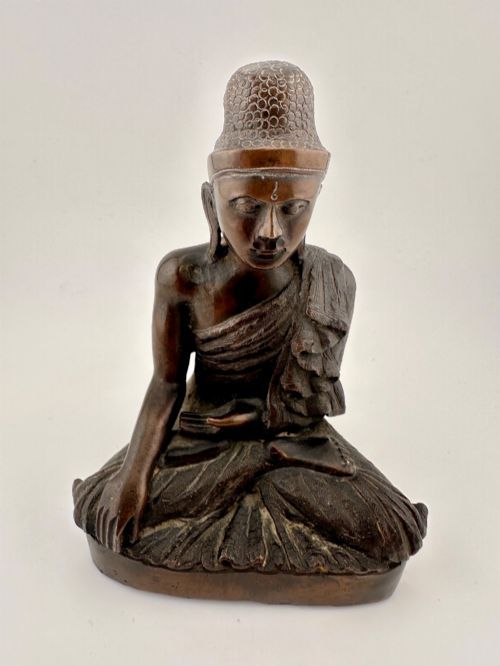
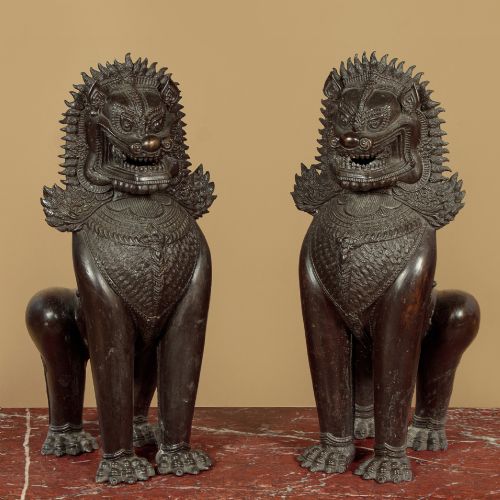
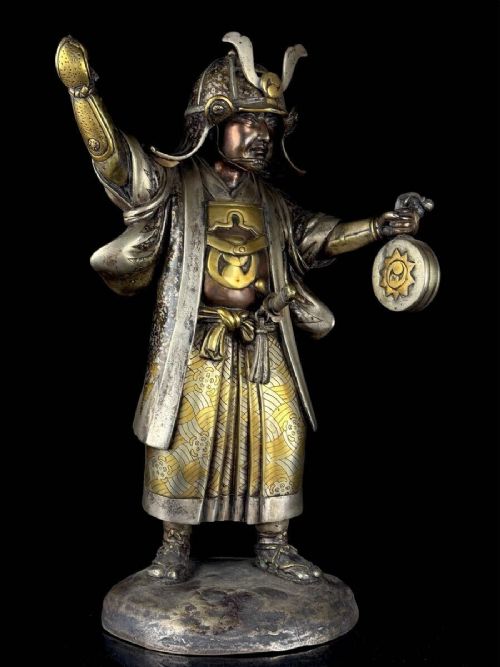
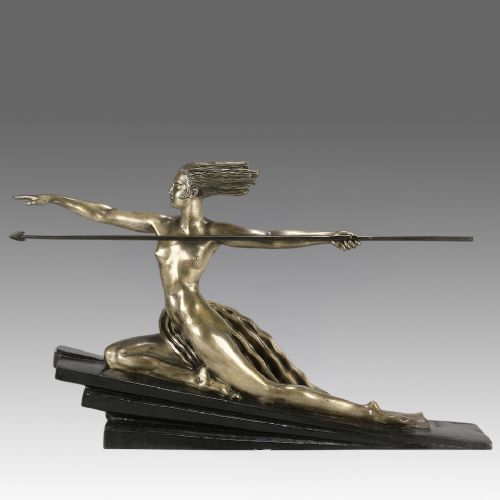
The selection frequently includes items shaped by prominent aesthetic movements such as Art Deco, Art Nouveau, and the Grand Tour style. Many examples also originate from international traditions, encompassing Japanese Meiji period okimono, Tibetan Buddhist figures, and Indian deities.
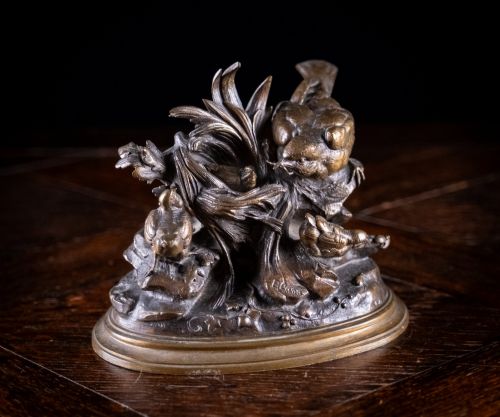
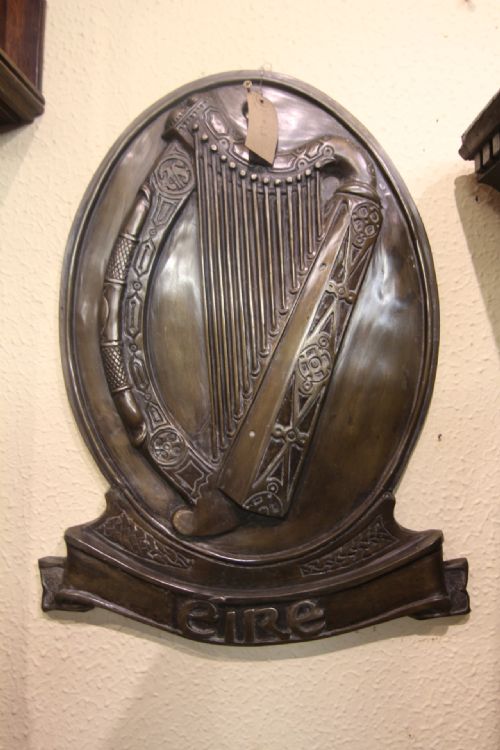
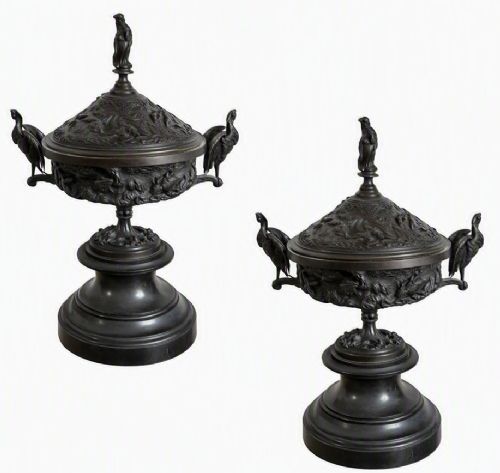
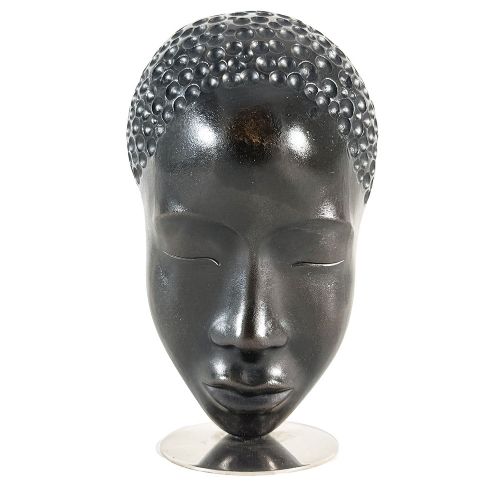
Beyond standalone statues, this category encompasses functional items like cold-painted inkwells, doorstops, covered urns, and portrait busts. These functional forms integrate sculptural quality into practical household objects from the nineteenth and early twentieth centuries.
How they were made
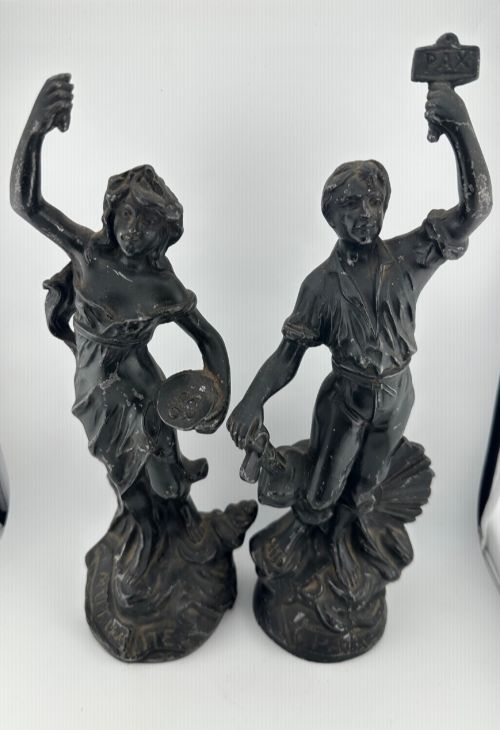
The primary medium across these works is bronze, often complemented by patinated surfaces, gilt finishes, or cold-painted polychrome details. Artisans also utilised spelter as an alternative metal for casting figures, frequently applying a bronze-toned finish to mimic the heavier alloy.
Many sculptures incorporate mixed materials, pairing cast metal figures or elements with bases of carved marble, wood, or stone. Certain pieces also feature inlay work using turquoise or enamel accents to highlight decorative details on deities and decorative objects.
Bronze Metal Sculpture Retail Price Guide 2026
Typical asking prices for bronze metal sculpture among the pieces listed under this phrase on Sellingantiques today, from the lower quarter to the upper quarter. They describe what is for sale here now, not the wider market.
What varies in quality
The distinction between tiers of work rests largely on the crispness of the cast and the nuance of the finishing hand-chasing. Superior examples display sharply defined facial expressions, feathers, and musculature, whereas lesser pieces lose fine detail in softer or repetitive casting processes.
The surface treatment significantly influences character, with hand-applied patination and cold-painted enamel adding depth that mechanical finishes lack. The choice of mounting materials, such as heavy veined marble bases versus simple wooden blocks, also reflects the original ambition of the piece.
Gustave Dussart·D. H. Chiparus·Jean de Roncourt·Jules Moigniez·Hagenauer·Eugene Canneel
The Bronze Metal Sculpture Glossary
- Animalier
- Art depicting animals, particularly nineteenth-century sculptures focusing on the realistic anatomy and behaviour of wild and domestic beasts.
- Spelter
- A zinc-based alloy utilised as an economical alternative to bronze for casting figures, frequently patinated to resemble older metal.
- Cold-painted
- A technique where paint is applied to metal without firing, common in Austrian novelty bronzes and small animal figures.
- Okimono
- A Japanese decorative carving or figurine designed for display on a household altar or within a traditional interior setting.
- Patination
- The surface coloration or sheen developed naturally over time or applied artificially through chemical treatments on metal.
Bronze Metal Sculpture: Frequently Asked Questions
How do I clean antique bronze?
Dust surfaces gently with a soft, dry brush to prevent accumulation in crevices.
Avoid using abrasive cloths, water, or chemical polishes that can strip away the original patina.
What is spelter?
Spelter is a zinc-based alloy commonly used for nineteenth and twentieth-century decorative figures.
It is lighter and softer than bronze, often given a dark surface coating to imitate heavier metal.
How are animalier bronzes dated?
Stylistic details, casting techniques, and foundry marks help determine the period of creation.
Art Deco animal studies often feature sleek, stylised lines distinct from nineteenth-century realism.
Where were cold-painted bronzes made?
Vienna served as a primary centre for the production of cold-painted bronze figures.
These workshops specialised in small animals, human figures, and novelty inkwells.