




Bronze Mantelpiece Sculpture
A bronze mantelpiece sculpture brings classical presence or modern line to a room, standing ready on a shelf or hearth.
Bronze Mantelpiece Sculpture
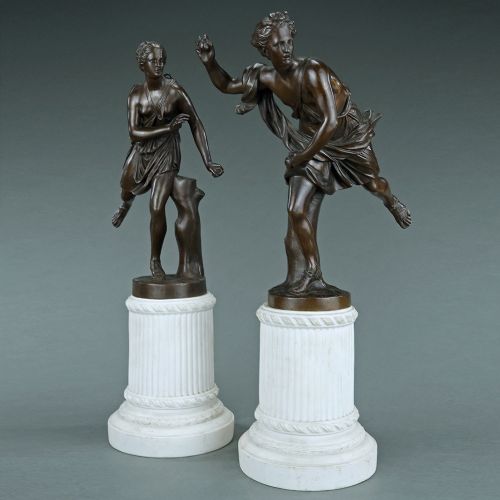
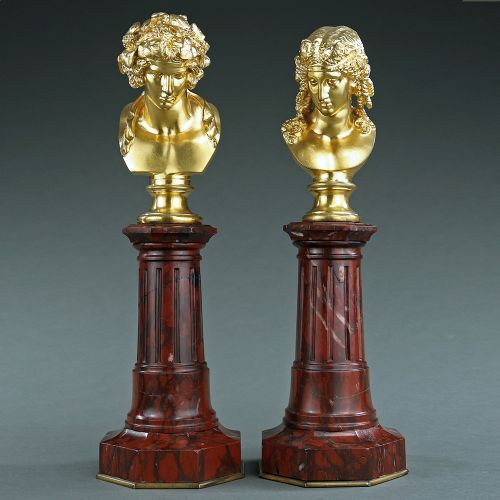
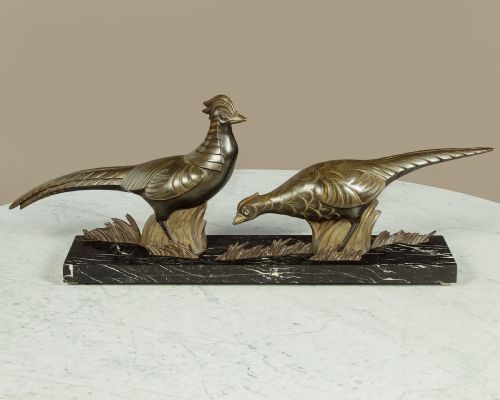
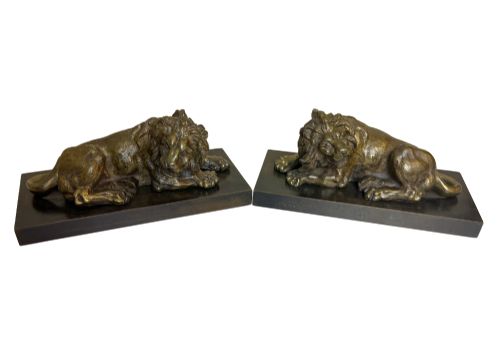
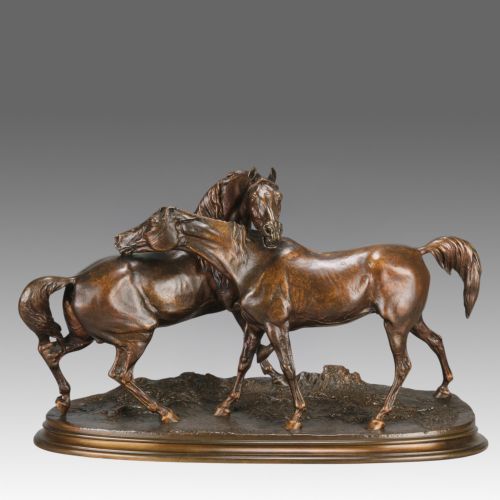
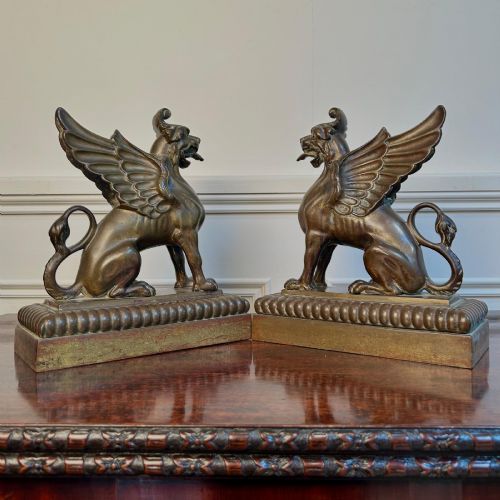
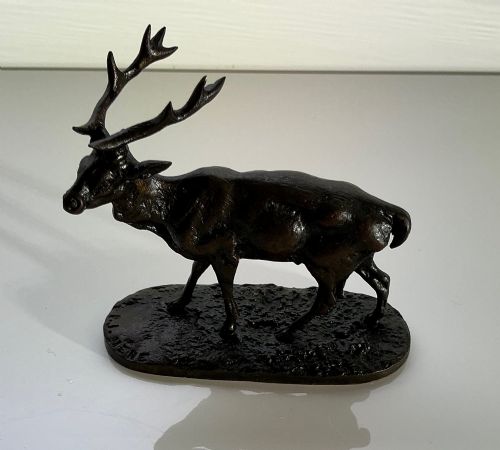
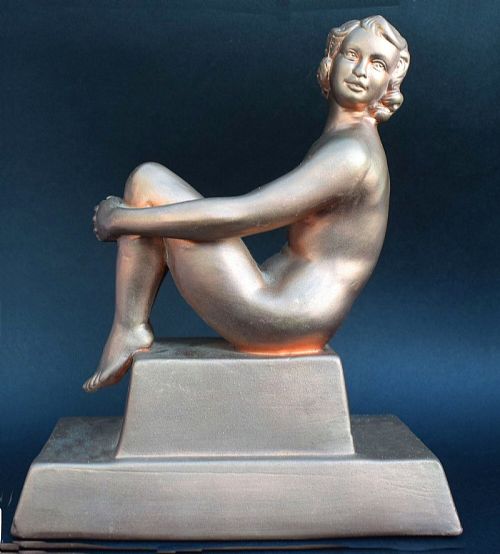
A bronze mantelpiece sculpture encompasses figures, animals, busts and groups cast to sit upon a shelf or chimney piece. When looking for a bronze mantelpiece sculpture, collectors encounter nineteenth-century French animalier studies alongside Art Deco female nudes and neoclassical figures. The forms range from small recumbent lions and resting stags to grander mythological subjects and architectural obelisks.
The selection spans several distinct periods, most notably the mid to late nineteenth century and the Art Deco era of the nineteen-thirties. Pieces frequently incorporate bases of marble, onyx or slate to elevate the metalwork and provide stability for display. Makers and founders from Paris and London dominate the offerings, bringing together French animalier realism and sleek modernist styling.
Materials and casting methods
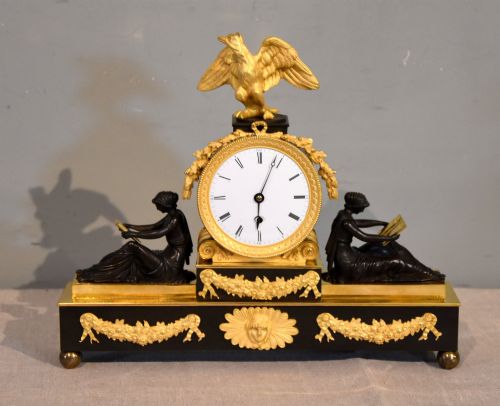
Foundries utilised traditional lost-wax casting and sand-casting techniques to shape molten bronze into complex sculptural forms. Many nineteenth-century works received a patinated or gilt finish to accentuate the musculature of animals or the drapery of classical figures. Alternative metals such as spelter appear frequently in later decorative figures, often paired with contrasting stone bases.
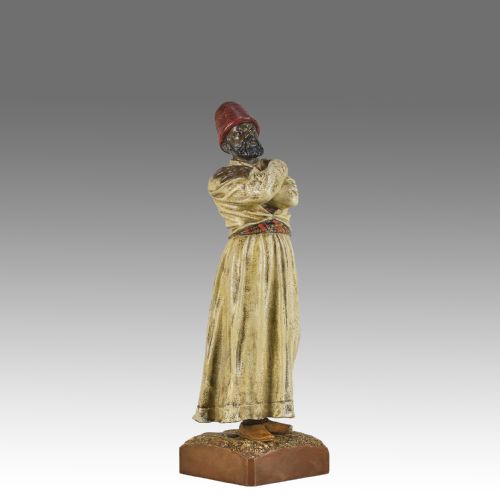
Marble and onyx serve as substantial mounts for figures and groups, particularly among twentieth-century modernist designs. Cold-painting techniques added vibrant polychrome surfaces to specific cabinet bronzes, while patinated metal provided a durable, dark finish for decorative ornaments.
Materials documented across the selection include solid bronze, patinated metal, gilt bronze, marble, onyx and spelter.
Judging execution and finish
The finesse of the chasing and the depth of the patina separate superior castings from ordinary commercial productions. Finer pieces retain crisp details in hair, feather and facial expression that lesser castings lose during the finishing process. The integration between the metal sculpture and its marble or onyx base indicates the care taken by the workshop during assembly.
Foundry stamps and signatures pressed into the metal provide clear evidence of origin, connecting a work to established houses like Barbedienne or renowned sculptors such as Mêne. Heavier metal gauge and sophisticated colouration in the patina distinguish museum-standard art pieces from lighter decorative objects.
Barbedienne·P J Mêne·Franz Bergman·Sibylle May·Edouard Drouot·Charles Cumberworth·Japy Freres
The Bronze Mantelpiece Sculpture Glossary
- Animalier
- A nineteenth-century artistic movement focused on the realistic depiction of animals, particularly horses, lions and stags. Sculptors in this tradition studied anatomy closely through direct observation at menageries.
- Patina
- The surface coloration and sheen developed naturally over time or applied chemically by the founder. A rich patina enhances the contours and highlights the metallic texture.
- Spelter
- An alloy of zinc and other metals frequently used as a less expensive alternative to bronze during the nineteenth and twentieth centuries. It accepts patination well but possesses a lighter weight and softer density.
- Lost-wax casting
- A meticulous method of creating metal sculptures from an original wax model. This technique allows for intricate undercuts and fine surface details before the mould is destroyed.
- Grand Tour
- A cultural tradition of travelling through Europe for education and pleasure, leading collectors to acquire classical bronzes and architectural models. These smaller souvenirs were displayed prominently on mantelpieces upon returning home.
Bronze Mantelpiece Sculpture: Frequently Asked Questions
How do I clean a bronze sculpture?
Dust the surface gently with a soft, dry brush to prevent the accumulation of particles in the recesses of the casting. Avoid abrasive cloths, water or chemical polishes that can strip the historic patina.
Apply a very light coat of microcrystalline wax occasionally if the metal appears dry, buffing it gently with a clean cloth. Proper maintenance preserves the original finish and protects the metal from atmospheric moisture.
What is the difference between bronze and spelter?
Bronze is a durable alloy primarily composed of copper and tin, prized for its strength and ability to hold fine detail during casting. Spelter is a softer zinc-based alloy that feels lighter and often shows a different grain structure beneath the paint or patina.
Testing the weight and examining the underside can help differentiate the two metals. Spelter pieces frequently require more careful handling due to the relative softness of the alloy.
How do I date an Art Deco bronze?
Art Deco bronzes typically date from the interwar period, reflecting stylised geometry, streamlined silhouettes and modern themes such as athletics and wildlife. Signatures on the base or body often point to specific European studios active during that decade.
The choice of materials, such as contrasting black marble and onyx bases, also helps confirm the period. Examining the casting technique and the style of the signature provides further chronological markers.
Can I display these sculptures near a fireplace?
Placing a metal sculpture directly above an active, smoky fireplace subjects the piece and its stone base to soot and extreme temperature fluctuations. Heat can dry out marble mounts and alter delicate patinas over time.
Ensure the mantelpiece remains free from excessive soot accumulation and fluctuating heat if you choose to display decorative objects there. Regular inspection keeps the metal and stone in stable condition.