





Bronze Jardiniere Stand
A bronze jardiniere stand holds heavy plants with architectural solidity, bringing nineteenth-century botanical display indoors.
Bronze Jardiniere Stand
A bronze jardiniere stand provides an elevated platform for indoor planting, combining structural metalwork with decorative vessels designed to display foliage. These pieces emerge primarily from nineteenth-century European workshops, encompassing Regency designs and French revival styles.
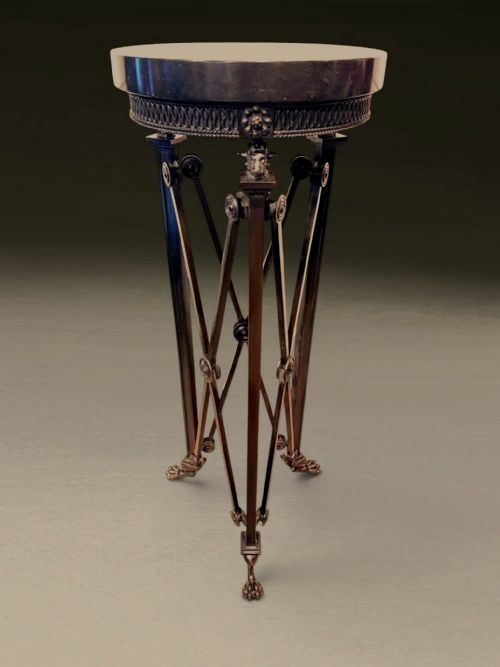
The selections on this page appear as tall stands, floor-standing planters, and table-height jardiniere tables intended for grand drawing rooms. Buyers most frequently encounter ornate French Louis XV revival models alongside neoclassical Regency interpretations.
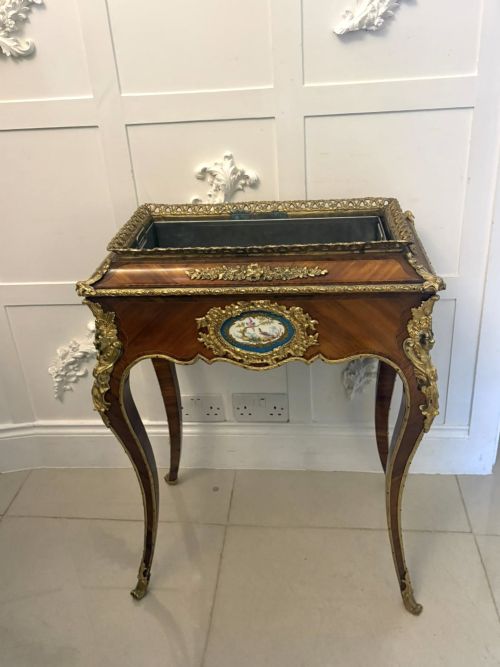
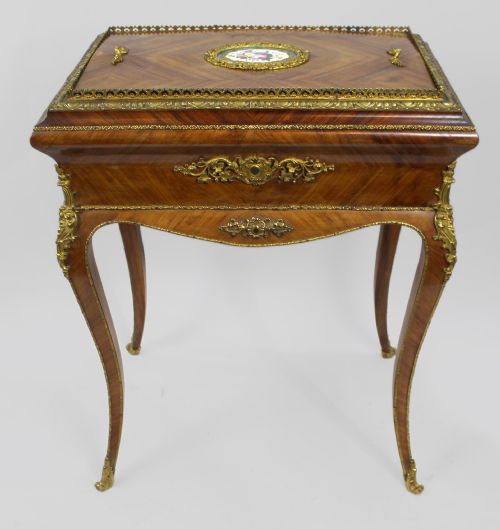
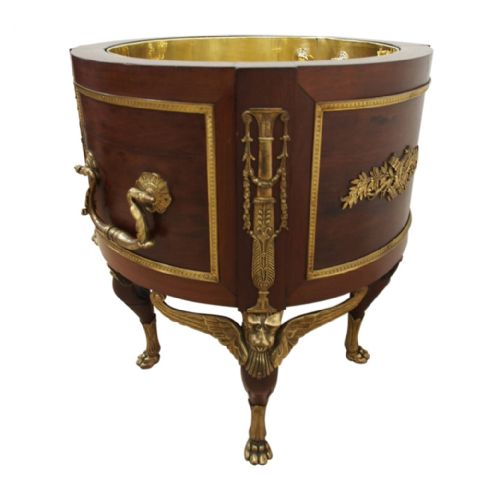
Makers utilised diverse secondary materials alongside bronze, creating tiered plant stands, wine coolers, and pedestal bases that merge horticulture with interior decoration. The physical evidence shows forms ranging from simple cylindrical plant holders to elaborate pedestals inset with porcelain plaques.
Levels of Execution
Quality rests upon the crispness of the bronze casting and the precision with which gilt mounts are chased and fitted to the timber. Superior pieces display deep, hand-finished chasing on the ormolu rather than uniform machine stamping.
The selection of cabinet timbers marks the division between standard production and exceptional studio work, seen in figured burr walnut veneers, intricate marquetry, and original zinc liners. Construction depth is further proven by whether porcelain plaques and metal mounts are integrated harmoniously into the primary structure.
Bronze Jardiniere Stand Retail Price Guide 2026
Typical asking prices for bronze jardiniere stand among the pieces listed under this phrase on Sellingantiques today, from the lower quarter to the upper quarter. They describe what is for sale here now, not the wider market.
Design styles recorded across the inventory include French Louis XV revival, Louis XVI style, Napoleon III, and Japanese Meiji works.
The Bronze Jardiniere Stand Glossary
- Jardiniere
- An ornamental pot or stand designed to hold flowers or growing plants indoors. They frequently incorporate metal liners to contain damp soil.
- Ormolu
- Gilded bronze used extensively for decorative mounts on nineteenth-century furniture and stands. The technique involves applying a gold amalgam to a bronze base.
- Marquetry
- The art of applying pieces of veneer to a structure to form decorative patterns. Craftsmen use contrasting woods like satinwood and kingwood for visual depth.
- Athenienne
- A neoclassical tripod stand supporting a decorative bowl or urn. Originating in France, these pieces served diverse domestic uses including plant display.
- Cellarette
- A cabinet or vessel used to hold bottles, which shares a structural form with certain large planters. Some nineteenth-century examples served dual purposes for wine or plants.
Bronze Jardiniere Stand: Frequently Asked Questions
What is a bronze jardiniere stand?
A bronze jardiniere stand is a decorative piece of nineteenth-century furniture designed to support a plant container or act as a planter itself. These objects combine metal stands with wood or ceramic vessels.
They function as focal points in drawing rooms, elevating greenery to eye level while displaying the craftsmanship of the period.
How do you use a jardiniere stand today?
These stands serve their original purpose of holding large potted plants, ferns, or floral arrangements inside domestic interiors. Their structural presence suits hallways, reception rooms, and grand living spaces.
Modern interiors utilise them to introduce historical weight and botanical display without requiring permanent architectural alterations.
What styles are common in these stands?
French Louis XV revival and Regency styles dominate the surviving inventory, characterised by curvilinear bronze mounts and classical proportions. Napoleon III and Louis XVI revival pieces also appear frequently.
Design influences span from neoclassical tripod bases to ornate marquetry-inlaid tables fitted with porcelain plaques.
How do I identify a nineteenth-century piece?
Nineteenth-century stands display hand-chased bronze or ormolu mounts combined with period timbers such as burr walnut, kingwood, or ebonised wood. Construction methods involve traditional joinery and heavy metal casting.
Inspect the liners, interior timber framing, and the integration of decorative plaques for signs of period handcrafting.