
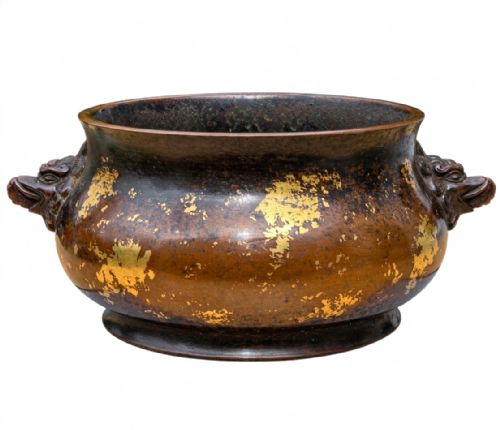


Bronze Incense Bowl
A bronze incense bowl brings centuries of ritual craft and heavy metalwork into your interior space.
Bronze Incense Bowl
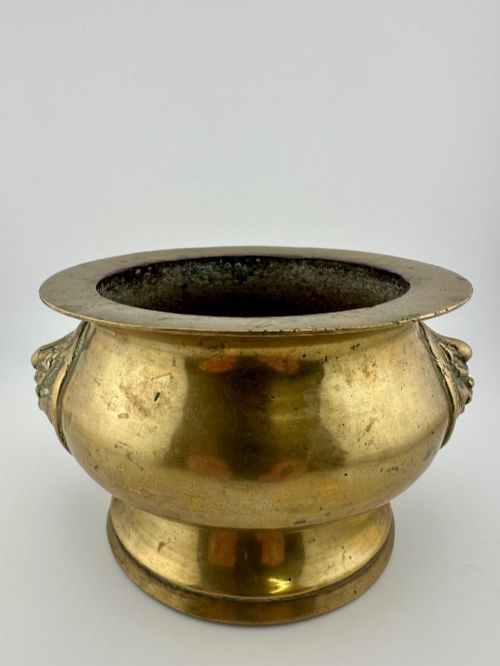
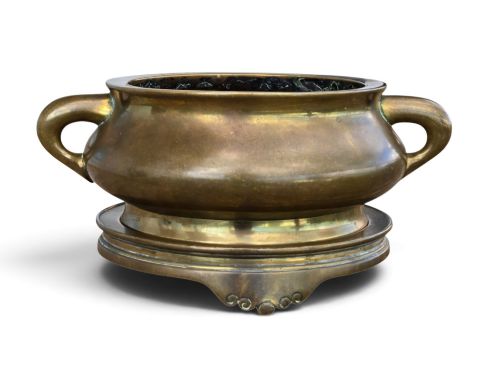
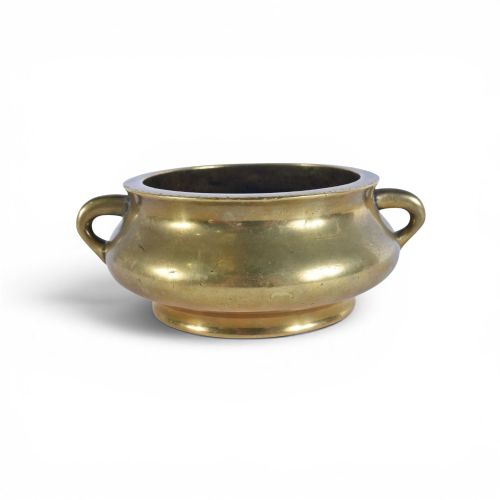
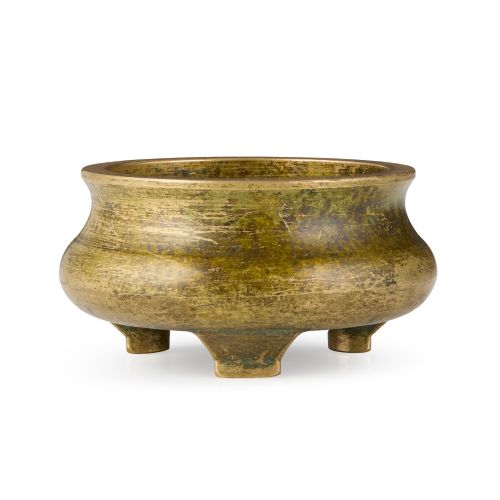
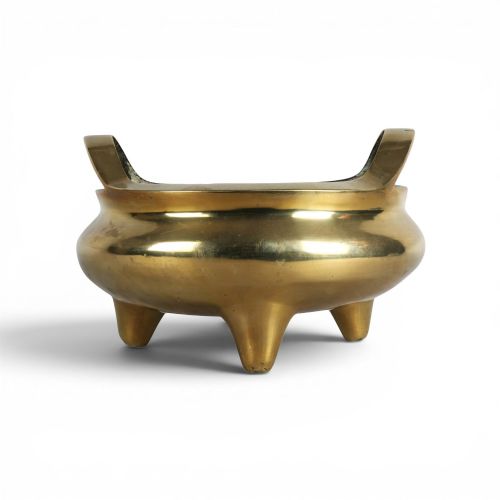
A bronze incense bowl combines deep metal casting with centuries of ritual function, mostly originating from Chinese dynasties and Japanese Edo periods. You will regularly encounter tripod censers, heavy ritual vessels, and scholar's pieces spanning from the sixteenth century through to the early twentieth century.
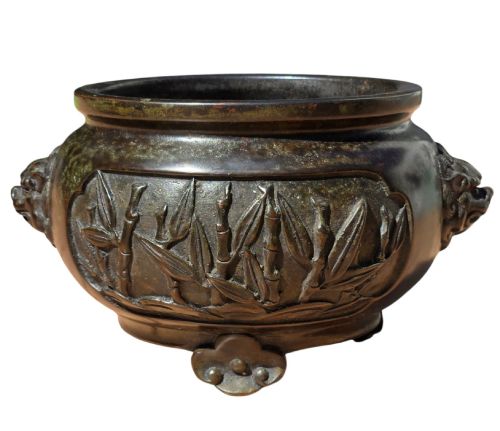
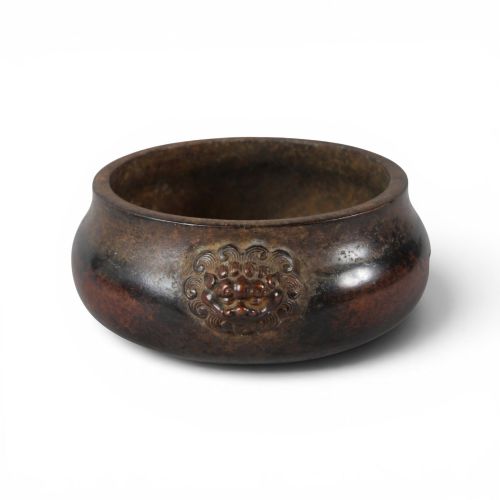
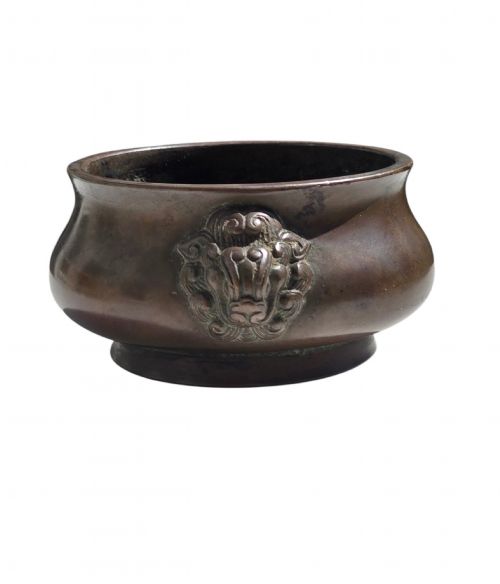
The forms frequently incorporate traditional motifs such as taotie masks, lion mask handles, and relief panels depicting botanical themes like the three friends of winter. Pieces range from modest scholar's desk accessories weighing a kilogram up to massive ritual censers exceeding seven kilograms in weight.
Many of these vessels carry studio or reign marks on the base, connecting them directly to historical periods like the Ming and Qing dynasties. Alongside pure bronze and brass constructions, you occasionally find examples enhanced with gold leaf splash or cloisonne enamel details.
Distinctions in quality and execution
The calibre of a bronze incense bowl rests primarily on the density of the casting, the crispness of the relief work, and the depth of the metal patina. Superior examples display master-cast Lion-mask handles and well-defined studio or reign marks that indicate a high level of workshop production.
Weight serves as a reliable indicator of quality, with exceptionally heavy vessels demonstrating a more generous use of metal and superior acoustic resonance. The integration of specialised decorative elements, such as gold leaf splash or precise archaic motifs, separates standard utilitarian pieces from master-cast scholar's items.
Some master-cast bronze censers are heavy enough to double as kettlebells, possessing a resonant bell-ring that echoes through the room when struck.
The Bronze Incense Bowl Glossary
- Censer
- A vessel designed specifically for burning incense. These often take the form of tripod bowls with fitted covers or open tops.
- Taotie
- A traditional motif depicting a stylized mythological animal face. It frequently appears on ancient and dynastic Chinese ritual bronzes.
- Gui
- An ancient Chinese ritual bronze vessel shape characterised by a rounded bowl and loop handles. This form influenced later scholar's censers.
- Cloisonne
- An enamelling technique where metal wire creates compartments on the surface. These cells are subsequently filled with coloured glass paste and fired.
Bronze Incense Bowl: Frequently Asked Questions
How do I clean a bronze incense bowl?
Maintenance requires only a soft, dry cloth to remove dust without disturbing the aged patina. Avoid liquid cleaners or polishes that strip away historical surfaces.
Preserving the natural oxidation protects the integrity of the metal and any underlying gold leaf or enamel details.
What is a scholar's censer?
A scholar's censer is a refined vessel made for the desk of a traditional East Asian literati. These pieces prioritized subtle elegance, tactile weight, and meditative appreciation.
They frequently feature private studio marks and were intended for burning aromatic woods during contemplation or study.
Why are some bronze bowls so heavy?
Substantial weight indicates a thick-walled casting process utilising heavy copper alloys. Master craftsmen poured extra metal to ensure stability and superior acoustic resonance.
Heavier vessels typically reflect higher workshop standards and greater material investment during production.
How can I date an antique bronze bowl?
Dating relies on examining the casting style, surface patina, handles, and any reign or studio marks stamped on the base. Stylistic cues connect pieces to specific periods like the Ming dynasty or Japanese Edo era.
Comparing the motif execution and metal composition helps place the object within a broader historical timeline.